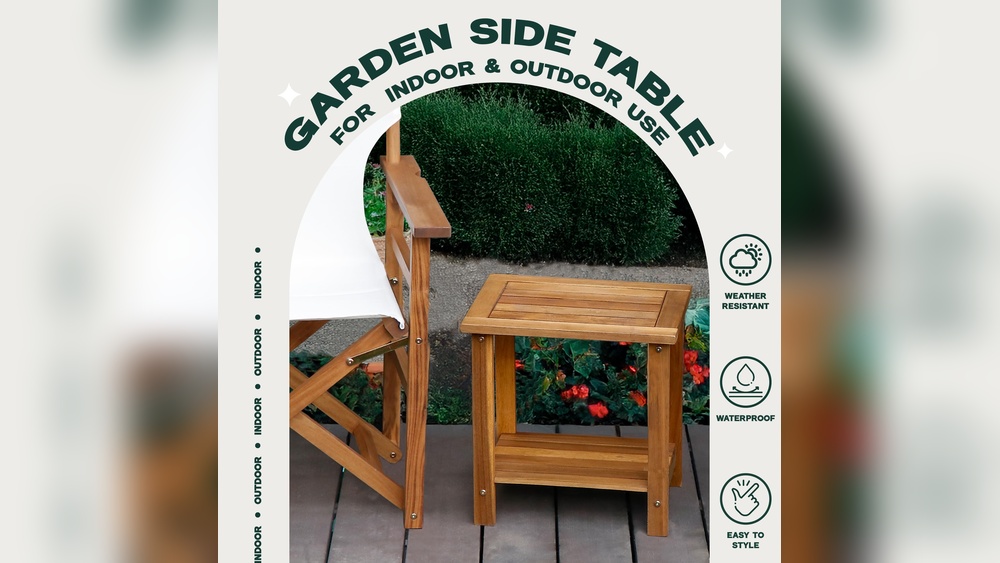
Are you wondering if your beautiful wood indoor furniture can survive the outdoors? Imagine enjoying your favorite chair or table right on your patio, without worrying about rain or sun damage.
It sounds great, but is it really possible to make wood indoor furniture waterproof for outdoor use? You’ll discover simple yet effective ways to protect your wooden pieces and keep them looking stunning outside. Keep reading, because by the end, you’ll know exactly how to transform your indoor wood furniture into weather-resistant outdoor favorites.

Credit: www.walmart.com
Challenges Of Using Wood Furniture Outdoors
Wood furniture looks beautiful and adds warmth to any space. Using it outdoors can be tricky. Wood faces many challenges outside. Weather changes and moisture can harm it quickly. Knowing these challenges helps in protecting wood better.
Outdoor use means wood meets rain, sun, and wind. These elements cause damage over time. Without proper care, wood furniture loses its charm and strength. Learning about these problems is the first step to keep wood safe.
Effects Of Moisture On Wood
Moisture is the biggest enemy of wood. Water seeps into the wood fibers and causes swelling. This makes the wood soft and weak. Drying after wetness can cause cracks. Wood expands and contracts with moisture changes. This movement can cause warping and splitting.
Common Wood Damage Outdoors
Sunlight fades wood color and dries it out. Rain causes rot and mold growth on wood surfaces. Insects like termites and beetles attack damp wood. Dirt and dust collect on outdoor furniture. These problems reduce the wood’s lifespan and beauty.
Importance Of Waterproofing
Waterproofing protects wood from water damage. It seals the surface and stops moisture entry. This prevents swelling, cracking, and rotting. Waterproof treatments also slow down sun damage. Regular waterproofing keeps wood strong and good-looking for years.

Credit: www.walmart.com
Types Of Wood Suitable For Outdoor Use
Wood furniture can be used outdoors if the right type of wood is chosen. Some woods handle weather and moisture better than others. Understanding wood types helps in making furniture last longer outside. This section covers woods naturally good for outdoors, treated wood, and woods to avoid.
Naturally Durable Woods
Some woods resist water and insects without extra treatment. Teak, cedar, and redwood are top examples. Teak contains natural oils that protect it from rain and sun. Cedar has a strong smell that keeps bugs away. Redwood is dense and does not rot easily. These woods stay strong and beautiful outdoors for years.
Treated Wood Options
Wood can be treated to survive outdoor conditions. Pressure-treated pine is common and affordable. Chemicals push deep into the wood to prevent rot and insects. Some woods get sealed with waterproof coatings or stains. These treatments add protection but may need reapplication over time. Treated wood is a good choice for budget outdoor furniture.
Avoiding Fragile Wood Types
Softwoods like pine, fir, and spruce often break down outside. They absorb water quickly and can rot fast. Some hardwoods like maple and birch are also weak outdoors. These woods swell, warp, and decay without heavy treatment. Avoid fragile woods for outdoor furniture to save time and money. Choose strong, weather-resistant woods instead.
Waterproofing Methods For Indoor Wood Furniture
Wood indoor furniture can be protected to use outside. Waterproofing helps wood resist water damage. It stops swelling, cracking, and rotting. Several methods make indoor wood furniture water-resistant. These protect wood from rain and moisture. Understanding these methods helps you choose the best one.
Sealants And Varnishes
Sealants create a strong barrier on wood surfaces. They block water from soaking into the wood. Varnishes add a shiny, protective layer. Both are easy to apply with a brush. Sealants dry clear, keeping the wood’s natural look. They work well for outdoor use in mild weather. Reapply every year to keep protection strong.
Water-resistant Paints
Water-resistant paints cover wood with a thick coat. They protect wood from water and sun damage. These paints come in many colors to match styles. Paint fills small cracks and prevents water entry. They also help hide old marks and stains. Choose paints labeled for outdoor use. Apply two or three coats for best results.
Oil-based Treatments
Oils soak deep into the wood fibers. They nourish and protect wood from moisture inside. Common oils include linseed and tung oil. Oils keep wood looking natural and warm. They need several layers and time to dry. Oil treatments require regular reapplication for lasting effect. Perfect for furniture exposed to sun and rain.
Step-by-step Waterproofing Process
Turning indoor wood furniture into waterproof outdoor pieces is possible. It takes careful steps and some patience. A proper waterproofing process protects the wood from rain, sun, and moisture. Follow these simple steps to make your wood furniture weatherproof and long-lasting.
Preparing The Wood Surface
Start by cleaning the wood. Remove dirt, dust, and old finishes with a soft brush or cloth. Lightly sand the surface to create smoothness and help coatings stick better. Make sure the wood is dry before moving to the next step. Dry wood absorbs waterproof coatings well.
Applying Waterproof Coatings
Choose a waterproof sealant or varnish made for outdoor use. Use a brush or roller to apply an even layer. Cover all parts, including edges and corners. Allow the first coat to dry completely. Add two or three more coats for stronger protection. Each coat must dry fully before applying the next.
Curing And Maintenance Tips
Let the furniture cure in a dry, ventilated place for several days. This helps the coating harden and last longer. Clean the furniture regularly with a damp cloth. Avoid harsh chemicals that can damage the finish. Reapply waterproof coating every year or when you see wear. Proper care keeps your wood furniture safe outdoors.
Additional Tips To Enhance Durability
Making wood indoor furniture last outside takes more than just waterproofing. Extra care helps keep it strong and good-looking for longer. Small steps protect it from rain, sun, and wind. These tips improve durability and maintain the wood’s natural charm.
Using Furniture Covers
Cover your wood furniture with waterproof covers when not in use. Covers block rain, dust, and dirt from reaching the wood. Choose covers that fit well and allow air flow. This stops mold and mildew from growing. Remove covers on dry, sunny days to air the furniture.
Positioning And Shelter
Place wood furniture in shaded or sheltered spots. Avoid direct sunlight to prevent fading and cracking. Position furniture under a porch or awning for extra protection. Keep it away from puddles or wet ground to reduce moisture damage. This simple step helps wood stay strong and dry.
Regular Inspections And Repairs
Check furniture often for cracks, peeling, or loose joints. Early repairs stop small problems from growing. Sand rough spots and apply sealant or paint as needed. Tighten screws and fix wobbly parts quickly. Careful maintenance keeps wood furniture safe and sturdy outdoors.

Credit: www.amazon.com
Limitations Of Waterproofing Indoor Wood Furniture
Waterproofing indoor wood furniture for outdoor use has clear limits. Indoor wood is not made to face rain, sun, or changes in temperature. Simple waterproof coatings may not protect it fully. This section explains the main challenges of waterproofing indoor wood furniture for outdoor settings.
Potential Longevity Issues
Indoor wood furniture often lacks strong natural resistance to water. Even with waterproof treatments, wood can swell and warp over time. Moisture may seep into tiny cracks and cause damage. The furniture’s lifespan outdoors usually drops compared to indoor use. Constant exposure to weather wears down finishes quickly.
Aesthetic Changes
Waterproof coatings can change the look of indoor wood furniture. Some finishes make the wood appear shiny or plastic-like. Others may darken or dull the original color. Over time, paint or varnish can peel or crack. These changes can ruin the furniture’s natural beauty and charm.
Cost And Effort Considerations
Proper waterproofing requires time and money. Multiple layers of sealants must be applied carefully. Regular maintenance is needed to keep the furniture protected. This includes sanding and reapplying finishes. The cost and effort might outweigh simply buying outdoor furniture.
Frequently Asked Questions
Can Wood Indoor Furniture Be Waterproofed For Outdoor Use?
Yes, indoor wood furniture can be waterproofed using sealants or waterproof coatings. Proper preparation and maintenance are essential for durability outdoors.
What Materials Make Wood Furniture Waterproof?
Waterproofing materials include polyurethane, varnish, epoxy, and marine-grade sealants. These protect wood from moisture, rain, and humidity outdoors.
How Often Should I Reapply Waterproofing To Wood Furniture?
Reapply waterproofing every 1-2 years or when water no longer beads on the surface. Regular checks ensure long-lasting protection.
Does Waterproofing Affect Wood Furniture Appearance?
Some waterproof coatings may slightly alter the wood’s color or gloss. Choose clear or matte finishes to maintain natural looks.
Conclusion
Wood indoor furniture can become waterproof for outdoor use with care. Applying sealants or waterproof coatings helps protect wood from rain and sun. Choosing the right products keeps your furniture strong and lasting longer. Regular maintenance is key to avoid damage and wear.
This way, your wooden furniture stays beautiful outside. Simple steps make a big difference in durability. Waterproofing indoor wood for outdoors is possible and practical. Enjoy your furniture in any weather with proper care.


