
Are you wondering how to give your outdoor wood furniture a fresh, long-lasting look? Choosing the right paint can make all the difference between a beautiful finish and a peeling mess.
You want your furniture to stand up to sun, rain, and wear without constant touch-ups. You’ll discover exactly what type of paint works best for outdoor wood, how to prepare your furniture, and tips to make your project easier and more successful.
Keep reading to find the perfect solution that will protect and beautify your outdoor pieces for years to come.
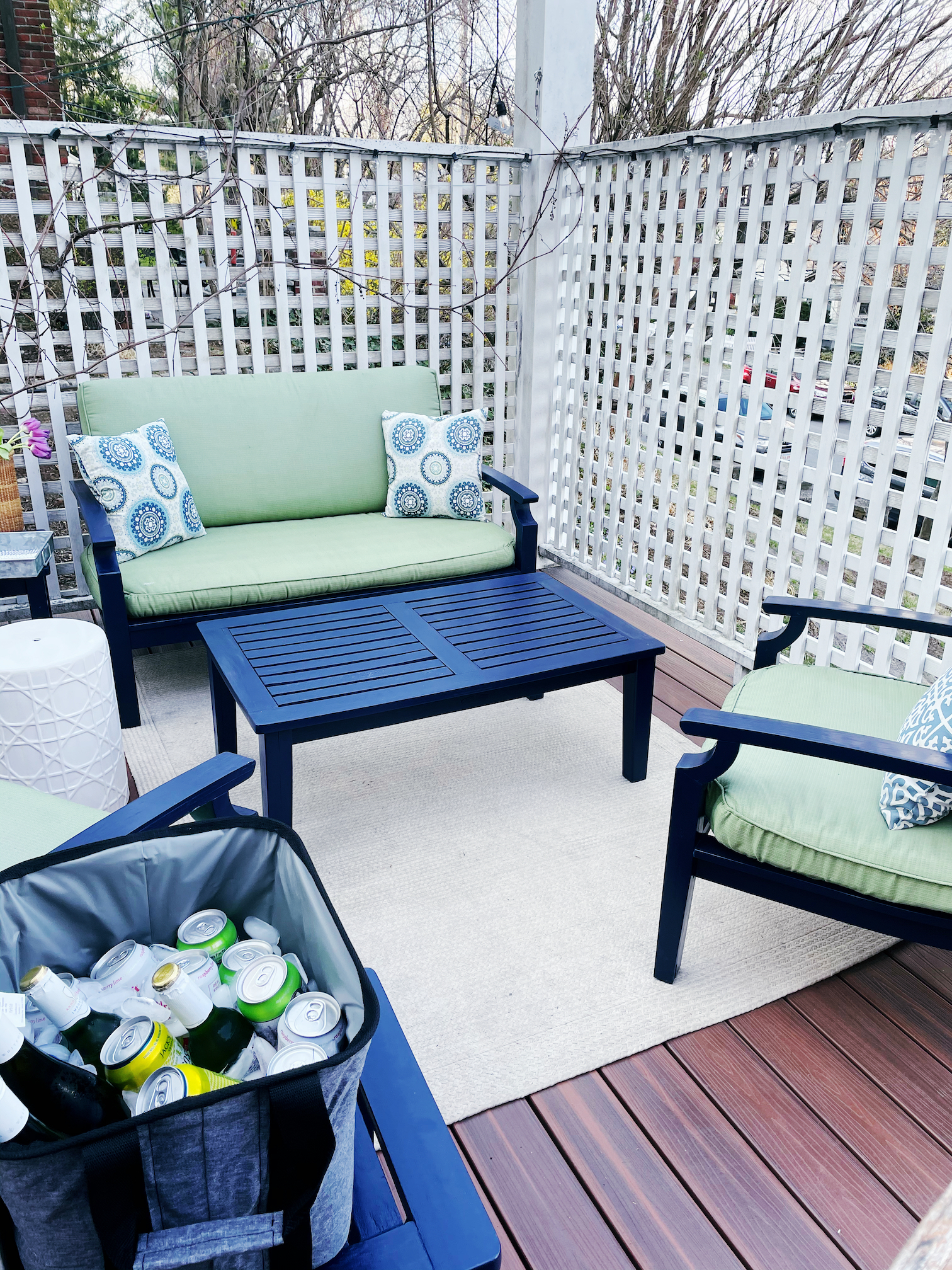
Credit: whitneysowles.com
Choosing The Right Paint
Choosing the right paint for outdoor wood furniture is essential. The paint must protect the wood from weather and wear. It should also look good and last long. Picking the best paint type helps your furniture stay strong and beautiful.
Types Of Paint For Outdoor Wood
Outdoor wood needs special paint to handle sun, rain, and wind. There are two main types: acrylic and oil-based. Each type has unique features and works well in different situations. Knowing these helps you decide the best paint for your furniture.
Benefits Of Acrylic Paint
Acrylic paint is water-based and dries quickly. It stays flexible, so it does not crack easily. Acrylic paint resists fading from sunlight. It cleans up easily with soap and water. This paint is less smelly and safer to use. It works well for most outdoor wood projects.
Oil-based Paint Advantages
Oil-based paint takes longer to dry but gives a hard, smooth finish. It sticks well to rough surfaces and fills small cracks. This paint is very durable against rain and dirt. Oil-based paint offers strong protection in harsh weather. It needs paint thinner for cleanup and has a stronger smell.
Preparing Wood For Painting
Preparing wood for painting is an important step for long-lasting results. It helps the paint stick better and keeps your furniture looking fresh. Take time to prepare the surface well. This makes a big difference in the final look.
Cleaning And Sanding
Start by cleaning the wood surface. Remove dirt, dust, and old paint flakes. Use a mild soap and water solution. Let the wood dry completely before sanding.
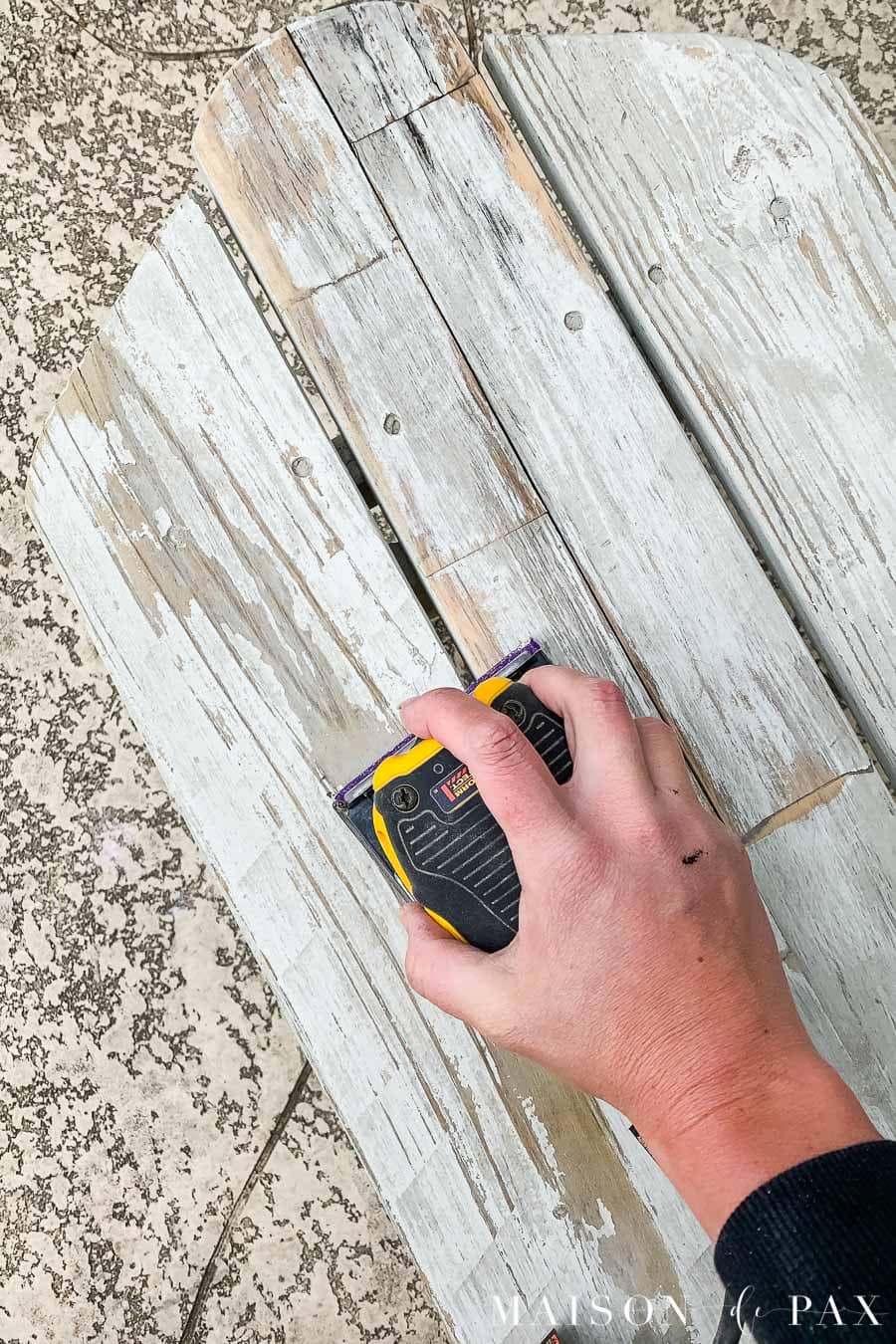
Next, sand the wood using medium-grit sandpaper. This smooths out rough spots and removes any remaining paint. Sand with the grain of the wood for best results. Clean off the sanding dust with a brush or cloth.
Repairing Damages
Check the wood for cracks, holes, or splinters. Fill small holes and cracks with wood filler. Press the filler into the damage and smooth it out with a putty knife. Let it dry fully before sanding the area smooth.
Remove loose or rotten wood parts. Replace any badly damaged sections if needed. This step ensures a strong base for painting.
Priming The Surface
Apply a primer to the wood after cleaning and repairs. Primer helps paint stick and prevents peeling. Choose a primer made for outdoor wood furniture. Use a brush or roller for even coverage.
Allow the primer to dry as per the product instructions. A good primer creates a smooth surface and protects the wood.
Applying Paint Correctly
Applying paint correctly is key to making outdoor wood furniture last longer. Good application protects the wood from weather damage. It also keeps the furniture looking fresh and new. Understanding the right tools, techniques, and drying times helps get the best results.
Tools And Techniques
Use a high-quality brush or foam roller for smooth coverage. A brush works well for detailed areas and corners. Rollers cover flat surfaces faster. Apply paint in thin, even layers. Avoid thick coats that can drip or peel. Paint along the wood grain for a natural finish. Light sanding between coats helps paint stick better.
Number Of Coats Needed
Two coats of paint usually provide good coverage. The first coat seals the wood and creates a base. The second coat adds color and durability. Some paints may need a third coat for extra protection. Check the paint label for specific recommendations. More coats can improve weather resistance.
Drying Times And Conditions
Let each coat dry fully before applying the next. Drying time depends on paint type and weather. Warm, dry days speed up drying. Avoid painting in direct sunlight or high humidity. These conditions cause uneven drying and bubbles. Follow the paint label instructions for drying time.
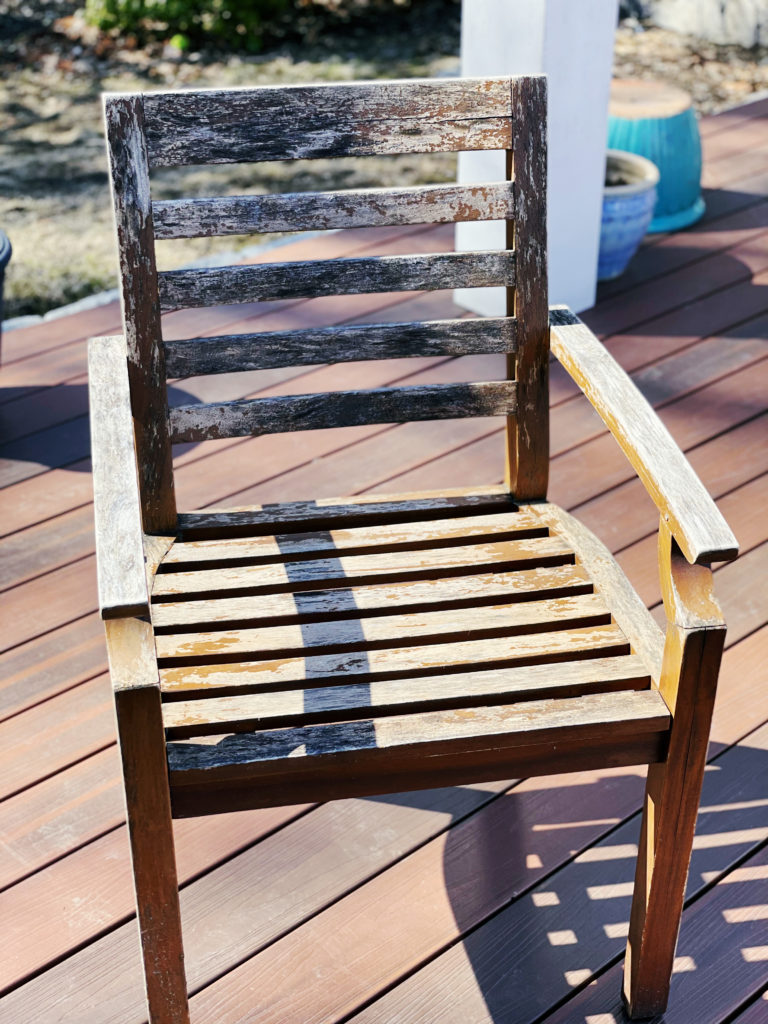
Credit: whitneysowles.com
Protecting Painted Furniture
Protecting painted outdoor wood furniture is essential for lasting beauty. Paint alone does not stop weather damage. Sun, rain, and wind can wear paint down. Protecting your paint helps keep colors bright and wood safe. It also stops peeling and cracking. Use the right products and care to extend your furniture’s life.
Using Sealants And Topcoats
Sealants and topcoats add a strong layer over paint. They block moisture and UV rays. This prevents paint from fading and wood from rotting. Choose a clear sealant made for outdoor use. Apply it after paint dries completely. Reapply every year or two for best results. This simple step saves time and money in the long run.
Maintenance Tips For Longevity
Clean furniture regularly with mild soap and water. Avoid harsh chemicals that can damage paint. Check for chips or cracks in the paint. Touch up small areas quickly to stop damage from spreading. Store furniture indoors or cover it during bad weather. These small habits keep your furniture looking fresh and new.
Common Mistakes To Avoid
Painting outdoor wood furniture can refresh your space and protect the wood. Avoiding common mistakes helps your paint job last longer. These errors often cause peeling, cracking, or fading.
Skipping Surface Prep
Surface preparation is key. Dirt, old paint, and rough spots stop new paint from sticking well. Clean the wood with soap and water. Sand it smooth to remove flakes and rough areas. Without prep, paint peels quickly.
Using Indoor Paint Outdoors
Indoor paint lacks weather resistance. It cannot handle rain, sun, or temperature changes. Outdoor paint contains special ingredients to protect wood. Using indoor paint outside causes quick fading and cracking.
Ignoring Weather Conditions
Paint dries best in mild, dry weather. Avoid painting on windy, rainy, or very hot days. Moisture and dust ruin the finish. Paint applied in bad weather will not last long.
Credit: www.maisondepax.com
Frequently Asked Questions
What Type Of Paint Is Best For Outdoor Wood Furniture?
Latex or acrylic paint is best for outdoor wood furniture. These paints resist weather and UV rays. They provide long-lasting protection and vibrant color. Oil-based paints are durable but less eco-friendly and harder to clean.
Should I Use Primer Before Painting Outdoor Wood Furniture?
Yes, always use a primer before painting outdoor wood furniture. Primer improves paint adhesion and durability. It seals the wood and prevents peeling. Using primer ensures a smoother, longer-lasting finish.
How Many Coats Of Paint Are Needed For Outdoor Wood?
Two to three coats of paint are ideal for outdoor wood. Multiple coats enhance protection against weather and wear. Allow each coat to dry completely before applying the next. This ensures even coverage and durability.
Can I Paint Outdoor Wood Furniture Without Sanding?
Sanding is recommended but not always necessary. Light sanding removes rough spots and old finish. It helps paint adhere better and last longer. If wood is smooth and clean, you can paint without sanding.
Conclusion
Choosing the right paint keeps outdoor wood furniture strong and beautiful. Use paint made for outdoor use to protect against sun and rain. Always clean and sand the wood before painting for best results. A good finish lasts longer and needs less fixing later.
Take your time and enjoy the process. Your furniture will look fresh and last through many seasons. Simple steps lead to great outdoor wood furniture.


