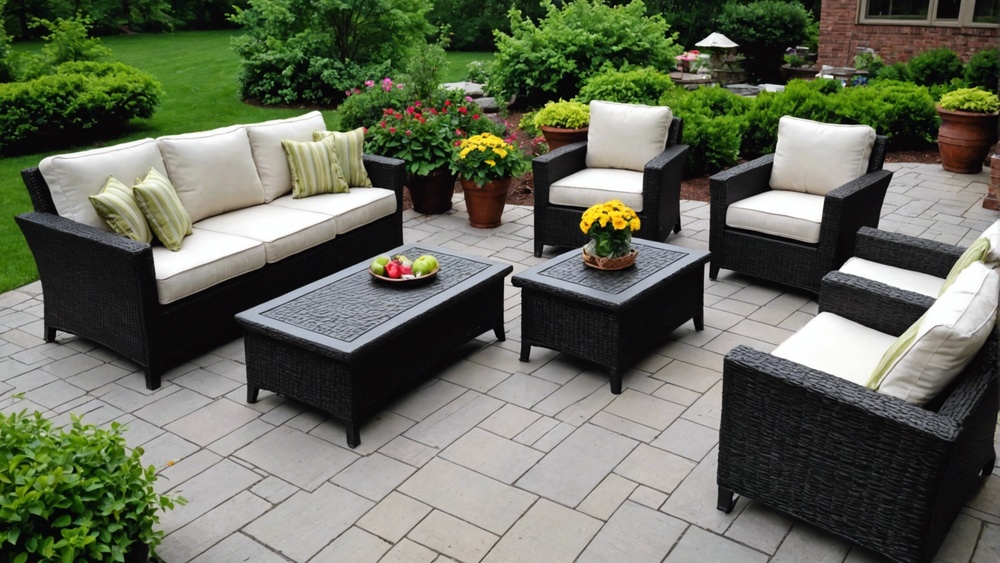
Your outdoor furniture is more than just a place to sit—it’s where you relax, connect with loved ones, and create memories. But have you ever stopped to think about how safe and sturdy your furniture really is?
Ignoring regular inspections can lead to unexpected accidents or costly repairs. By taking a few minutes to check your outdoor furniture, you protect yourself and your family while making sure your favorite pieces last season after season. Keep reading to discover why outdoor furniture inspection is crucial for both safety and longevity—and how simple steps can save you money and stress down the road.

Credit: www.zar.com
Importance Of Regular Inspections
Regular inspections of outdoor furniture are essential for safety and durability. Small issues can turn into big problems if ignored. Checking furniture often helps spot damage early. This prevents accidents and keeps furniture looking good longer. Inspections save money by avoiding costly repairs or replacements.
Preventing Accidents
Loose screws, broken parts, or rust can cause accidents. Regular checks find these problems before they cause harm. Safe furniture protects family and guests. Avoiding injuries means peace of mind during outdoor activities.
Extending Furniture Lifespan
Outdoor furniture faces sun, rain, and wind every day. These elements wear down materials over time. Regular inspection helps catch damage early. Fixing small problems stops them from getting worse. This care keeps furniture strong and usable for many years.
Maintaining Aesthetic Appeal
Dirt, stains, and fading make furniture look old and worn. Inspections help notice these signs quickly. Cleaning and minor repairs restore the original look. Well-kept furniture improves the outdoor space’s beauty. Guests will enjoy a neat, inviting area.
Credit: hauserspatio.com
Common Issues In Outdoor Furniture
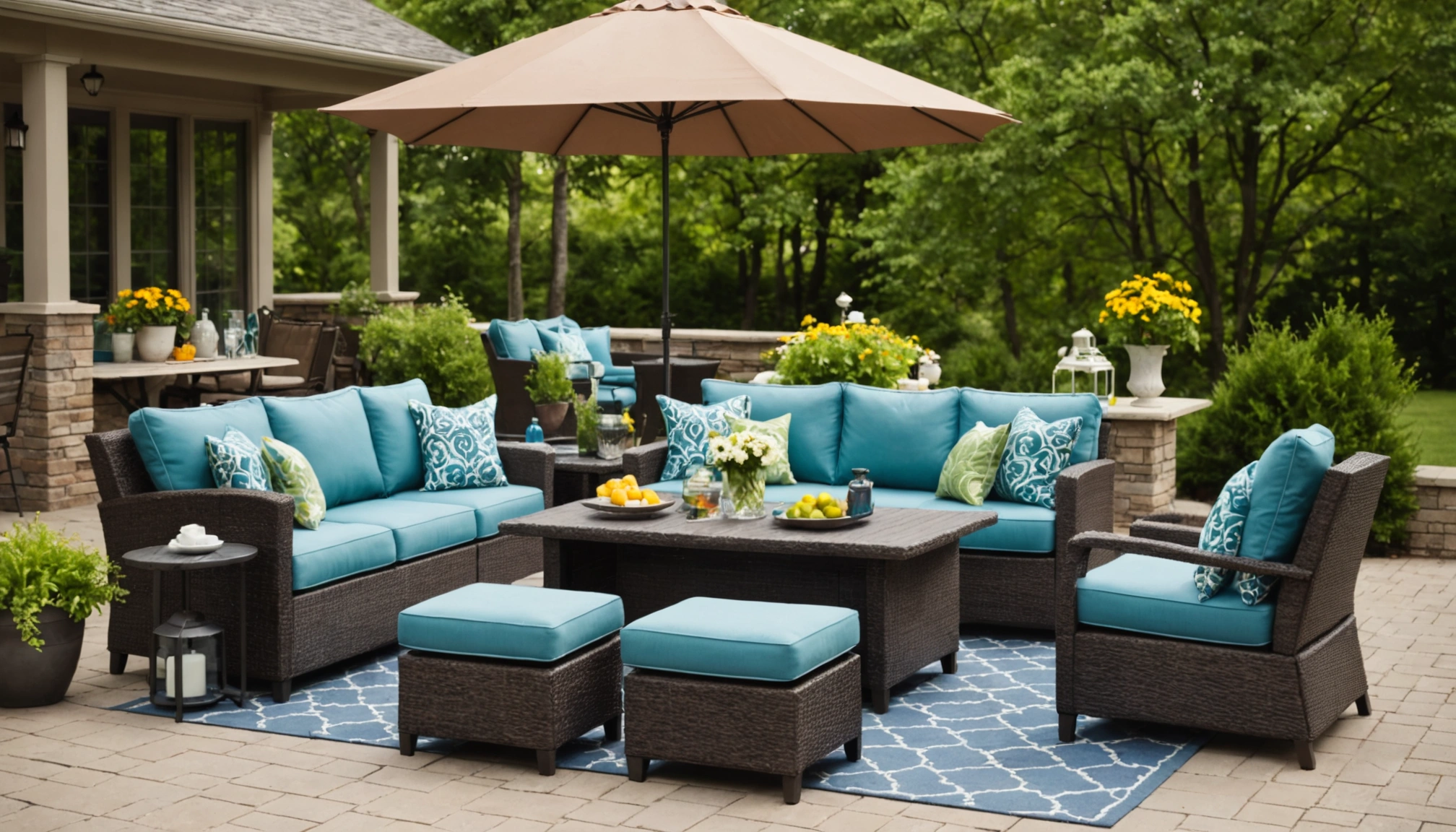
Outdoor furniture faces many challenges every day. These pieces are exposed to sun, rain, wind, and dirt. Such conditions cause common problems that affect their safety and life span. Understanding these issues helps keep your furniture strong and safe for use.
Wear And Tear
Daily use causes wear and tear on outdoor furniture. Surfaces may get scratched, faded, or chipped. Loose screws and bolts can appear. These small damages weaken the furniture over time. Regular checks help spot these signs early.
Weather Damage
Sunlight can fade colors and dry out materials. Rain and moisture cause rust on metal parts. Wood can swell, crack, or rot from water exposure. Frost may cause cracking in some materials. Weather damage reduces furniture strength and beauty.
Structural Weakness
Loose joints or broken parts create structural weakness. Worn-out frames may collapse under weight. Rust can eat through metal supports. Wood may splinter or break. Structural problems make furniture unsafe to use.
Signs Furniture Needs Repair
Knowing the signs that outdoor furniture needs repair helps keep it safe and lasting longer. Regular checks can spot problems early. Fixing small issues stops bigger damage. This saves money and avoids accidents. Watch for these common warning signs during your inspections.
Loose Joints And Screws
Loose joints make furniture shaky and unsafe. Screws can fall out or loosen over time. Check all corners and connections carefully. Tighten screws and glue joints if needed. Stable furniture prevents accidents and feels comfortable.
Cracks And Splits
Cracks in wood or plastic weaken furniture strength. Splits can grow bigger with weather changes. Look closely for small cracks on legs and seats. Repair cracks quickly to avoid breakage. This keeps your furniture solid and safe.
Rust And Corrosion
Metal furniture parts can rust or corrode from rain and moisture. Rust weakens the metal and causes sharp edges. Inspect metal frames and screws for rust spots. Remove rust and apply protective paint or coating. This protects furniture and extends its life.
Inspection Tools And Techniques
Inspecting outdoor furniture is key to keeping it safe and lasting longer. Using the right tools and methods helps find problems early. This way, you avoid accidents and costly repairs.
Different techniques reveal various issues. Some problems show up visually. Others need touch or special tools to detect. Let’s explore the main inspection tools and techniques.
Visual Checks
Look closely at your furniture for cracks, rust, or loose parts. Check joints and screws. Notice any fading or warping. Spotting these signs early stops bigger damage. Clean dirt and debris before inspecting. Good lighting helps see all details clearly.
Physical Tests
Press and shake the furniture gently. Feel if parts move or wobble. Test the strength of seats and legs. Listen for creaks or unusual sounds. These tests show if the furniture is stable and safe. Do not use too much force to avoid damage.
Using Inspection Tools
Simple tools like a screwdriver or wrench help check screws and bolts. A flashlight reveals hidden cracks and rust. A moisture meter detects water damage in wood. Sandpaper can test surface roughness. Using these tools makes inspection deeper and more accurate.
Seasonal Inspection Tips
Seasonal inspection helps keep outdoor furniture safe and lasting longer. Checking furniture regularly stops small problems from growing. It also keeps your outdoor space looking nice all year.
Pre-summer Checks
Before summer, examine all furniture parts closely. Look for cracks, loose screws, or rust spots. Clean surfaces with mild soap and water to remove dirt. Tighten bolts and screws to keep furniture stable. Apply protective coatings if needed to prevent sun damage. Check cushions for mold or mildew and air them out. These steps prepare furniture for heavy use during warm months.
Post-winter Maintenance
After winter, inspect furniture for damage from cold and moisture. Remove any snow or ice residue carefully. Look for rust on metal parts and treat it quickly. Check wooden furniture for splinters or warping. Clean cushions and dry them completely before storage. Lubricate hinges or moving parts to avoid stiffness. Post-winter care helps furniture stay strong and ready for the next season.
Safety Measures During Inspection
Inspecting outdoor furniture requires careful attention to safety. The process involves checking for damage and wear. Handling tools and moving heavy pieces can cause injuries. Following safety measures protects you and extends furniture life.
Protective Gear
Wear gloves to protect your hands from splinters and sharp edges. Safety glasses shield your eyes from dust and debris. Closed-toe shoes prevent foot injuries from falling objects. Use a mask if you clean with chemicals or paint. Protective gear reduces the chance of accidents during inspection.
Safe Handling Practices
Lift furniture using your legs, not your back, to avoid strain. Move pieces slowly and carefully to prevent dropping. Check for loose screws or nails before handling. Use tools properly and keep them in good condition. Clear your work area to avoid tripping hazards. Safe handling keeps both you and your furniture safe.
Maintenance Tips To Enhance Longevity
Outdoor furniture needs regular care to last longer and stay safe. Proper maintenance stops damage and keeps the furniture strong. Simple steps can protect your investment and keep your outdoor space inviting.
Cleaning And Sealing
Clean furniture often to remove dirt and dust. Use mild soap and water for most materials. Rinse well and dry completely to avoid mold. Apply sealant to wooden or metal pieces. Sealants protect against water and sun damage. This step extends the life of your furniture.
Proper Storage
Store outdoor furniture in a dry place during bad weather. Cover pieces with breathable covers to avoid moisture buildup. Move cushions indoors to keep them clean and dry. Proper storage prevents rust, mold, and fading. It also reduces wear from harsh weather.
Timely Repairs
Fix small issues quickly to avoid bigger problems. Tighten loose screws and bolts regularly. Replace broken parts like slats or legs immediately. Treat rust spots on metal furniture early. Timely repairs keep furniture safe and stable for use.
Credit: surfsportsmyo.com.au
Frequently Asked Questions
Why Is Outdoor Furniture Inspection Important?
Outdoor furniture inspection prevents accidents by identifying damage early. It ensures safety and maintains the furniture’s durability over time.
How Often Should Outdoor Furniture Be Inspected?
Inspect outdoor furniture at least twice a year. Check more often after harsh weather to catch damage early and prolong lifespan.
What Common Issues Does Inspection Reveal?
Inspection reveals rust, loose joints, cracks, and weather damage. Early detection helps in timely repairs, avoiding costly replacements.
How Does Inspection Improve Furniture Longevity?
Regular inspection and maintenance prevent deterioration. Fixing minor issues early protects materials and extends the furniture’s usable life.
Conclusion
Regular outdoor furniture inspection keeps your space safe and inviting. It helps spot damage early before problems grow. Small repairs now save money and effort later. Inspections also protect your furniture from harsh weather. This care extends furniture life and keeps it strong.
A quick check can prevent accidents and injuries. Stay proactive to enjoy your outdoor area longer. Safety and durability go hand in hand with inspection. Make it a simple habit for peace of mind.

