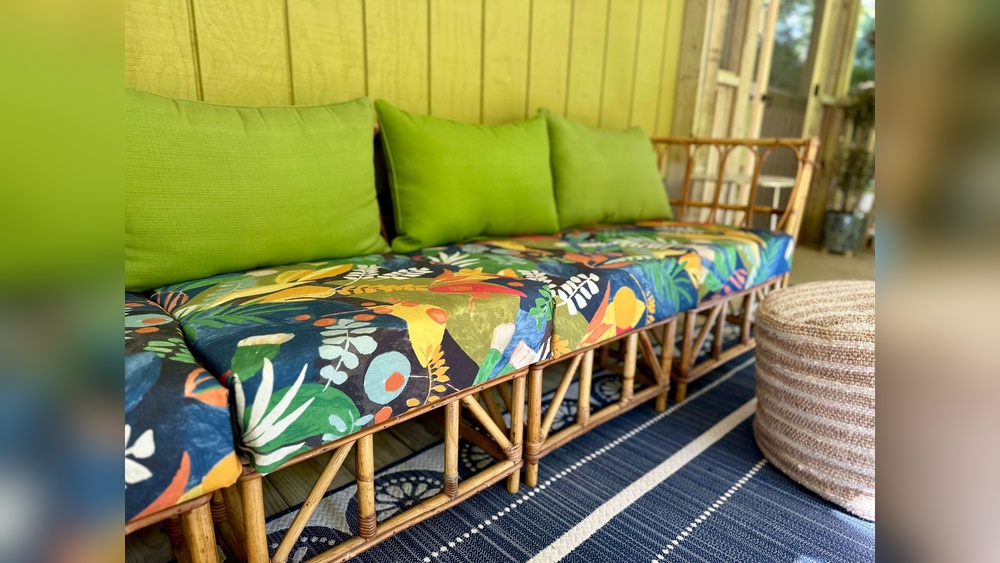
Are your plastic outdoor furniture pieces looking dull or faded? You don’t have to replace them to give your patio a fresh, vibrant look.
With the right spray paint and a few simple steps, you can transform your old furniture into something that looks brand new. Imagine relaxing in your backyard, surrounded by colorful, stylish chairs that reflect your personal taste. Keep reading, and you’ll discover easy tips to make your plastic furniture stand out, save money, and enjoy your outdoor space even more.
Choosing The Right Paint
Choosing the right paint is key for a good finish on plastic outdoor furniture. The paint must stick well and resist weather changes. Not all paints work on plastic or last outside. Picking the best paint helps keep your furniture looking fresh for years.
Types Of Paint For Plastic
Spray paints made for plastic are best. They have special formulas that bond to smooth surfaces. Acrylic spray paint is popular. It dries fast and stays flexible. Another option is enamel paint, which is tough and water-resistant. Avoid regular spray paint. It peels or chips easily on plastic.
Selecting Colors For Outdoor Use
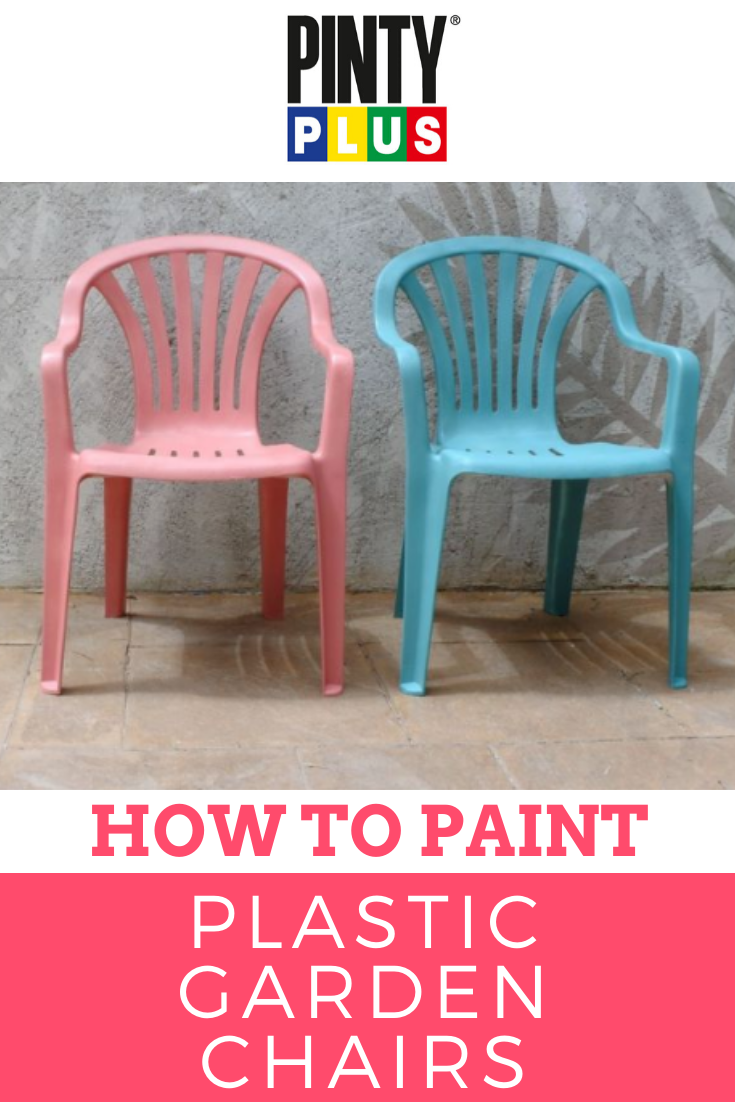
Choose colors that resist fading from sun and rain. Light colors reflect heat and keep furniture cooler. Dark colors absorb heat but hide dirt well. Matte finishes hide scratches better than shiny ones. Pick a color that matches your outdoor space and stays bright over time.
Credit: www.pintyplus.co.uk
Preparing The Furniture
Preparing plastic outdoor furniture for spray painting is essential for a smooth finish. Proper preparation helps the paint stick well and last longer. It also prevents peeling and uneven color. Follow these steps carefully to get the best results.
Cleaning And Drying
Start by cleaning the furniture to remove dirt and grease. Use mild soap and warm water with a soft brush or cloth. Rinse well to clear all soap residue. Let the furniture dry completely before moving to the next step. Drying is important to avoid paint bubbling or peeling.
Sanding For Better Adhesion
Lightly sand the surface with fine-grit sandpaper. This step creates a rough texture for the paint to grip. Focus on areas with glossy finishes or smooth plastic. Wipe off dust with a dry cloth after sanding. Avoid heavy sanding to prevent damage to the plastic.
Protecting Surrounding Areas
Cover nearby plants, grass, or floors with drop cloths or plastic sheets. Use painter’s tape to mask parts of the furniture you don’t want painted. This keeps your workspace clean and the paint only where it should be. Good protection saves time on cleaning after painting.
Setting Up Your Workspace
Setting up your workspace is the first step to a successful spray painting project. A good workspace keeps you safe and helps your paint dry evenly. Prepare your area carefully before you start painting plastic outdoor furniture. This makes the whole process easier and cleaner.
Choosing A Well-ventilated Area
Pick a place with plenty of fresh air. Outdoors is best, like a backyard or patio. If you paint inside, open all windows and doors. Use a fan to move air around. Good ventilation stops paint fumes from building up. It also helps the paint dry faster and prevents smelly air.
Gathering Necessary Tools
Collect everything you need before painting. You will need spray paint made for plastic. Get sandpaper to smooth the furniture surface. Use painter’s tape to cover areas you don’t want to paint. Have old newspapers or drop cloths to protect the ground. Wear gloves and a mask to protect your skin and lungs.
Spray Painting Techniques
Spray painting plastic outdoor furniture requires some special techniques. These techniques help the paint stick well and look smooth. Using the right method makes your furniture look fresh and new for a long time.
Below are key spray painting techniques to get the best results on plastic surfaces.
Shaking And Testing The Spray Can
Shake the spray can well before use. Shake it for at least one minute. This mixes the paint inside evenly. It helps avoid clumps and uneven color.
Spray a small test spot on a piece of cardboard. This checks if the spray nozzle works well. It also shows the paint color and flow. Adjust your spray if needed before painting the furniture.
Applying Light, Even Coats
Spray thin layers of paint. Thick coats can drip or peel off later. Light coats dry faster and look smoother. Wait a few minutes between each coat. This helps the paint set properly. Apply two to three light coats for full coverage.
Maintaining Proper Distance
Hold the spray can 8 to 12 inches away from the furniture. This distance spreads paint evenly. Holding too close causes drips and runs. Too far leads to uneven coverage. Move the can in steady, side-to-side motions. Keep your hand steady for a smooth finish.
Drying And Curing
Drying and curing are key steps after spray painting plastic outdoor furniture. They make the paint strong and long-lasting. Proper drying stops smudges and uneven spots. Curing finishes the hardening process, helping the paint resist weather and wear.
Patience is important during this phase. Rushing can ruin your work and waste effort. Follow the right times and avoid common problems. This helps your furniture look great for years.
Recommended Drying Times
Allow the paint to dry for at least 30 minutes between coats. Thin layers dry faster and last longer. After the final coat, wait 24 hours before touching the furniture. Full curing takes up to 7 days. Keep the furniture in a dry, dust-free place during this time. Avoid using it in rain or strong sun until fully cured.
Avoiding Common Drying Issues
Do not paint in high humidity or extreme temperatures. These slow drying and cause bubbles. Avoid thick coats that drip or peel. Spray light, even layers instead. Do not touch the furniture while drying. Dust and dirt can stick to wet paint. Use a fan or open space for good airflow. This speeds drying without blowing dirt onto the paint.
Adding A Protective Finish
Adding a protective finish is the final step for spray painting plastic outdoor furniture. It helps keep the paint safe from weather and daily use. This layer stops scratches and fading caused by sun and rain. A good protective finish makes the furniture look fresh longer.
Choosing A Clear Coat
Select a clear coat made for plastic and outdoor use. Look for products labeled as UV resistant. These protect the paint from sun damage. A clear coat with a satin or matte finish hides imperfections better. Glossy finishes shine but show scratches easily.
Water-based clear coats are easy to clean up. They also have less smell and dry fast. Oil-based clear coats offer strong protection but take longer to dry. Pick one that matches your needs and climate.
Applying The Sealant
Apply the clear coat in thin, even layers. Hold the spray can about 8 to 12 inches from the surface. Spray in a steady back-and-forth motion. Avoid spraying too much in one spot to prevent drips.
Let each layer dry fully before adding the next. Usually, two or three coats are enough for good coverage. Work in a well-ventilated area to help the paint dry faster. Avoid touching the furniture until the finish is completely dry.
Maintenance Tips For Longevity
Proper care keeps your spray-painted plastic furniture looking fresh longer. Simple maintenance steps protect the paint and the furniture itself. Small efforts extend the life of your outdoor pieces. Follow easy tips to maintain their beauty and durability.
Cleaning Painted Furniture
Clean the furniture regularly to remove dirt and dust. Use a soft cloth or sponge with mild soap and water. Avoid harsh chemicals that can damage the paint. Rinse well and dry with a clean towel. Do not scrub hard, as it may scratch the paint surface.
Touching Up Scratches
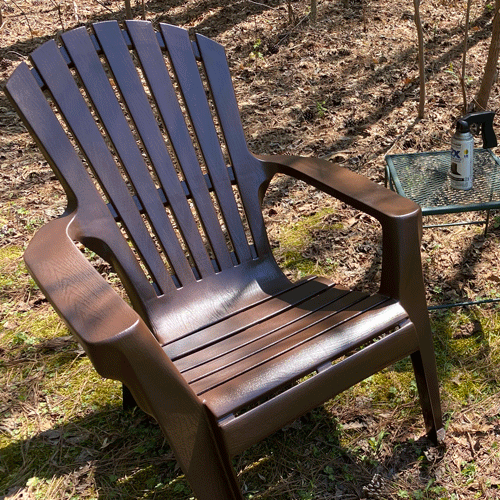
Inspect the furniture often for small scratches or chips. Lightly sand the damaged area with fine-grit sandpaper. Apply a thin layer of matching spray paint. Let it dry completely before using the furniture again. This prevents rust and keeps the color even.
Credit: acookandherbooks.com

Credit: www.tastefullyeclectic.com
Frequently Asked Questions
How Do I Prepare Plastic Furniture For Spray Painting?
Clean the furniture thoroughly with soap and water. Remove dirt and grease. Sand the surface lightly to help paint adhere better. Use a plastic primer before applying spray paint for best results.
What Type Of Spray Paint Works Best On Plastic?
Use spray paint specifically designed for plastic surfaces. These paints adhere well and resist chipping. Look for labels mentioning suitability for plastic or outdoor use. This ensures durability and a smooth finish.
How Many Coats Of Spray Paint Should I Apply?
Apply 2 to 3 thin coats of spray paint. Allow each coat to dry completely before the next. Thin coats prevent drips and ensure even coverage. This technique improves the paint’s longevity.
Can I Spray Paint Plastic Furniture Outdoors?
Yes, but choose a dry, windless day for best results. Avoid painting in direct sunlight or extreme temperatures. These conditions can affect paint drying and adhesion. Proper weather ensures a smooth, durable finish.
Conclusion
Spray painting plastic outdoor furniture can refresh its look quickly. Clean the surface well to help the paint stick better. Use light, even coats to avoid drips and runs. Let each layer dry before adding the next one. Choose paint made for plastic to ensure good results.
With care and patience, your furniture will look new again. A simple project that changes your outdoor space nicely. Try it yourself and enjoy a fresh, colorful seating area.