Is your outdoor furniture feeling a bit too loose or saggy? Loose webbing can make your favorite chair uncomfortable and less supportive.
But don’t worry—you don’t have to replace the whole piece or spend a fortune on repairs. In this guide, you’ll discover simple, step-by-step ways to fix loose webbing yourself. Imagine sitting back comfortably, knowing your furniture is as sturdy as the day you bought it.
Keep reading, and you’ll learn how to bring your outdoor furniture back to life quickly and easily.
Causes Of Loose Webbing
Loose webbing on outdoor furniture happens for several reasons. Understanding these causes helps fix the problem faster. The webbing may weaken or sag, making your furniture less comfortable and less safe.
Wear And Tear Over Time
Webbing faces constant pressure from sitting and moving. Over months and years, this stress causes fibers to stretch and lose strength. The material can fray or break down, making the webbing loose. Regular use naturally wears out the webbing.
Exposure To Weather Elements
Sun, rain, and wind damage outdoor webbing. UV rays from the sun break down the fibers, making them brittle. Water causes mold or mildew, which weakens the material. Cold and heat also cause the webbing to expand and contract, loosening it over time.
Improper Installation
Webbing must be tight and secure when installed. If it is too loose or not fastened correctly, it will sag quickly. Poor installation means the webbing cannot hold weight properly. This leads to early loosening and damage.
Credit: www.sunnilandpatio.com
Tools And Materials Needed
Fixing loose webbing on outdoor furniture needs the right tools and materials. Having everything ready saves time and makes the repair easier. This section lists the common tools and supplies required. You can find most items at local hardware stores or online.
Basic Repair Tools
Start with simple tools like a flathead screwdriver and pliers. A staple remover or a small crowbar helps remove old webbing fasteners. Scissors or a utility knife cut the webbing to size. A measuring tape ensures you get the right length. Some repairs need a hammer for nails or a drill for screws. Having a work glove protects your hands during the fix.
Replacement Webbing Options
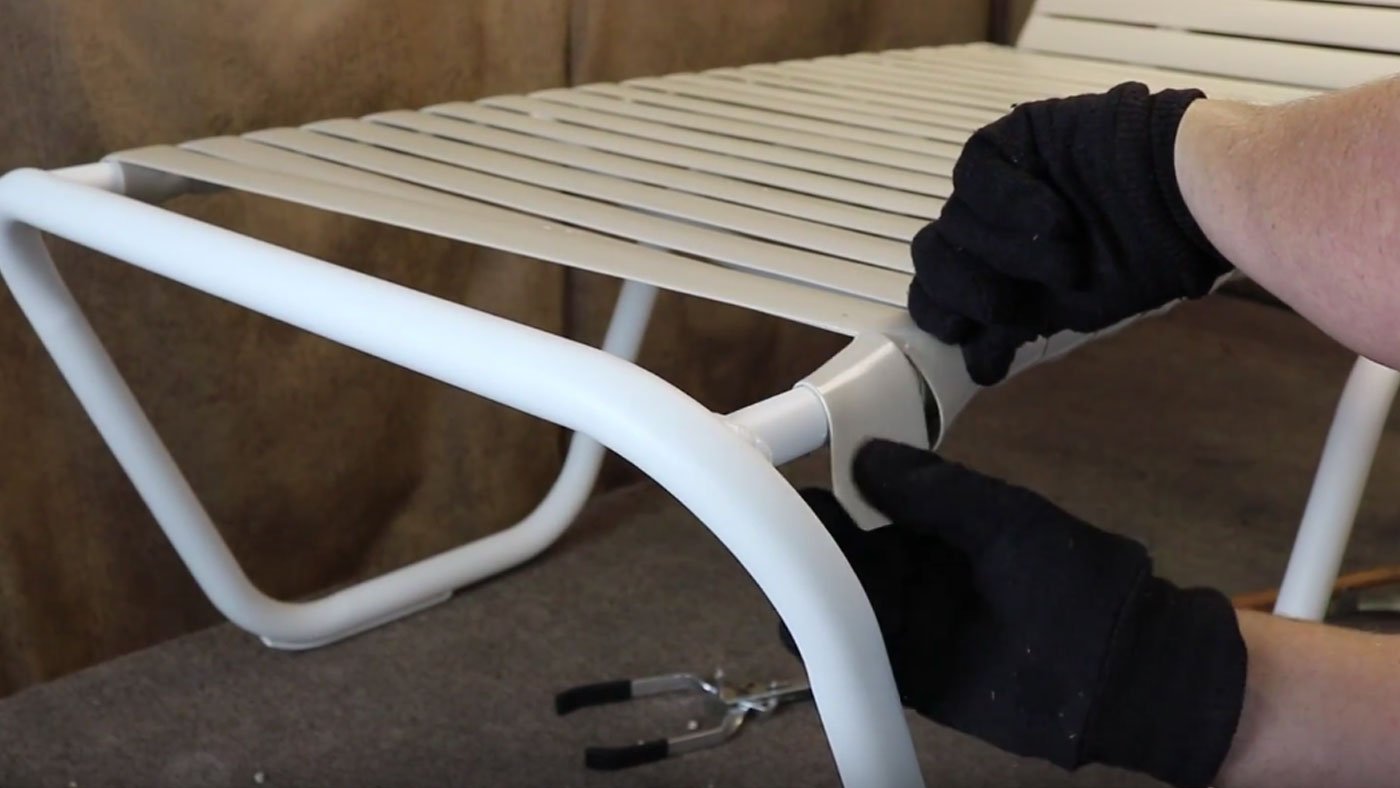
Choose strong webbing made for outdoor use. Vinyl webbing resists water and sun damage. Polyester webbing offers good strength and flexibility. Check the width and thickness to match your furniture. Some webbing comes with pre-cut strips for easy fitting. Color options allow you to match or update your furniture’s look.
Adhesives And Fasteners
Use outdoor-rated glue to secure webbing ends if needed. Contact cement or fabric glue works well for bonding. Staples and screws hold webbing tightly in place. Stainless steel fasteners resist rust and last longer. Webbing clips or tensioners help adjust tightness. Choose fasteners that fit your furniture frame material.
Preparing The Furniture
Preparing your outdoor furniture is the first step to fixing loose webbing. Proper preparation makes the repair easier and lasts longer. Take time to get the furniture ready before adding new webbing.
Cleaning The Surface
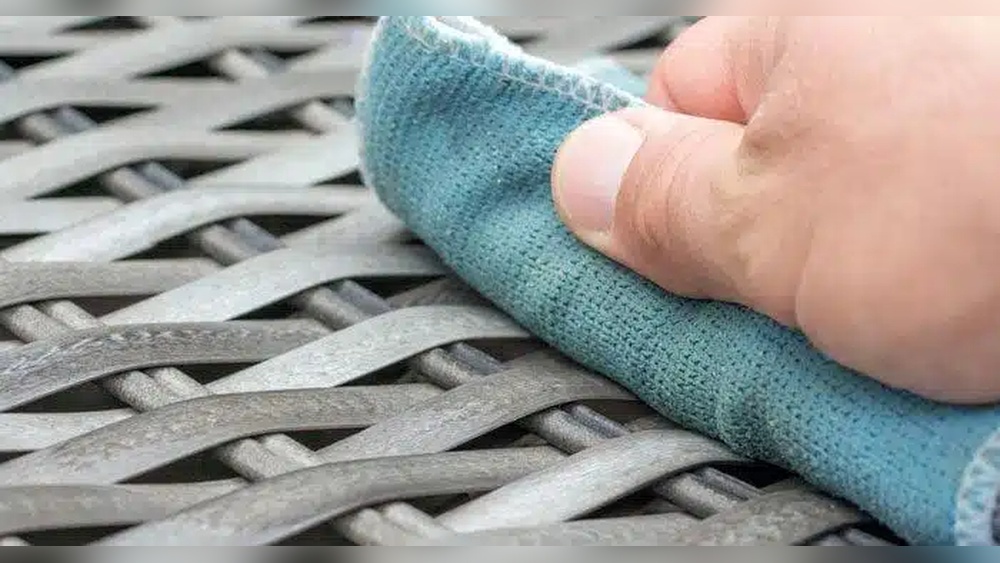
Start by cleaning the furniture surface. Dirt and dust can stop glue or new webbing from sticking well. Use a soft brush or cloth to remove loose dirt. Soap and water work well for most furniture types. Rinse with clean water and let it dry fully.
Removing Old Webbing
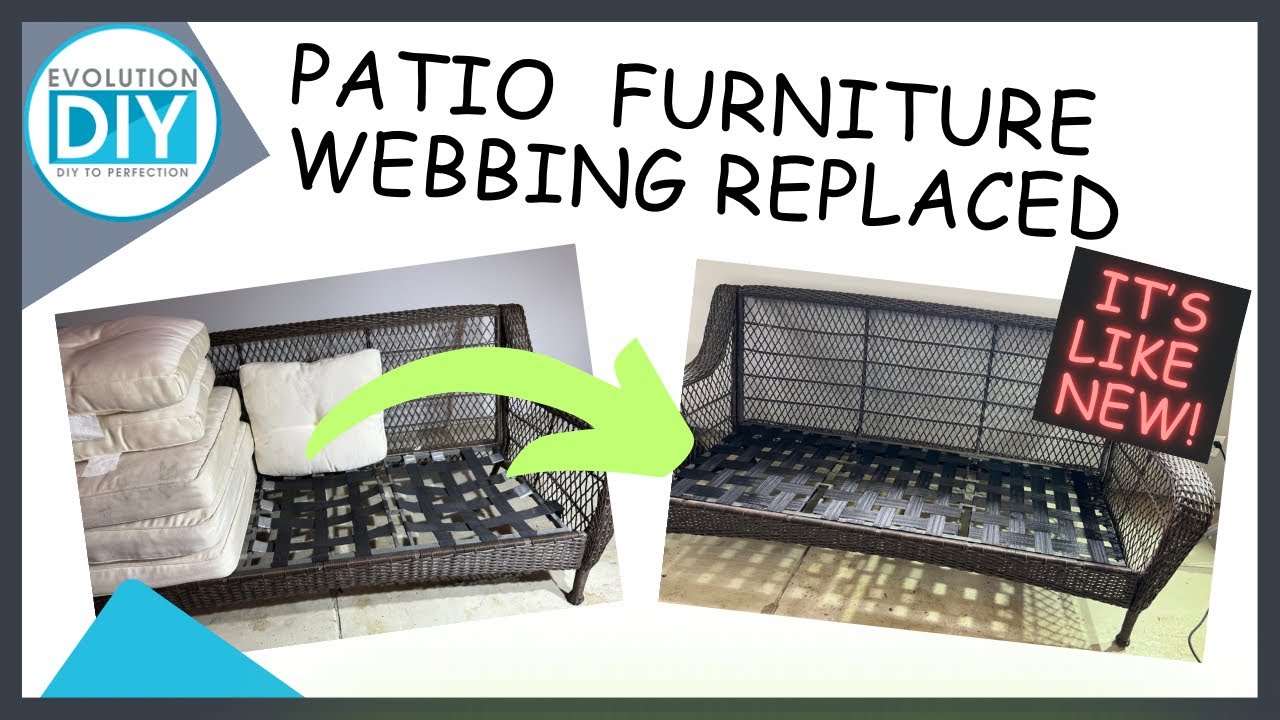
Next, remove the old, loose webbing. Cut it carefully with scissors or a utility knife. Pull out any remaining pieces stuck to the frame. Removing old webbing prevents bumps and helps the new webbing sit flat. Take care not to damage the frame during removal.
Inspecting The Frame
Check the frame for cracks or damage. Look closely at corners and joints. Weak spots can cause future problems. Tighten any loose screws or bolts. Fix small cracks with wood glue or filler. A strong frame supports the new webbing better.
Credit: www.youtube.com
Step-by-step Repair Process
Fixing loose webbing on outdoor furniture is easier than it seems. Follow a clear step-by-step process to restore strength and comfort. This guide breaks down each task into simple actions anyone can follow. Prepare your tools and get ready to bring your furniture back to life.
Measuring And Cutting New Webbing
Start by measuring the length of the old webbing. Use a tape measure to get exact dimensions. Add a few extra inches for securing the ends. Choose webbing material that matches your furniture style. Cut the new webbing carefully with sharp scissors. Make sure the edges are clean and straight.
Attaching Webbing Securely
Place the new webbing on the frame where the old one was. Use a staple gun or strong nails to attach one end first. Pull the webbing tight across the frame. Attach the opposite end, keeping the tension steady. Secure the sides with staples or nails evenly spaced. Check the webbing for any loose spots.
Tightening And Securing Ends
Once attached, tighten the webbing by pulling it firmly. Fold the ends neatly to avoid fraying. Use extra staples or nails to lock the ends in place. Trim any excess webbing close to the fasteners. Press firmly to ensure all ends are secure. Your furniture will now feel firm and look neat.
Tips For Maintaining Webbing
Maintaining webbing on outdoor furniture keeps it strong and comfortable. Good care helps avoid loose or broken straps. Follow simple tips to extend the life of your webbing.
Regular Cleaning Practices
Clean webbing often to remove dirt and dust. Use mild soap and water with a soft brush. Rinse well and let it dry completely in the shade. Avoid harsh cleaners that can damage the material.
Protecting From Sun And Moisture
Sunlight and moisture can weaken webbing fibers. Use covers when furniture is not in use. Store furniture in a dry place during heavy rain or winter. This prevents fading and mold growth.
Periodic Tightening Checks
Check webbing tension regularly to keep it firm. Tighten loose straps to avoid sagging and discomfort. Fix small issues early to prevent bigger repairs later. Use the right tools for safe tightening.

Credit: hauserspatio.com
When To Seek Professional Help
Sometimes fixing loose webbing on outdoor furniture is easy. You can do it yourself with simple tools. Other times, the damage is too big or tricky. That is when you should seek professional help. Experts have the skills and tools to fix tough problems safely and well.
Extensive Damage
If the webbing is badly torn or frayed, a repair might not hold. Large holes or many weak spots need more than a quick fix. Professionals can replace the webbing fully. They ensure the furniture stays safe to use.
Structural Issues
Loose webbing might show deeper problems. Broken frames or loose joints affect the furniture’s strength. Fixing webbing alone won’t solve these issues. A professional can check the whole piece. They fix both webbing and frame together.
Specialized Materials
Some outdoor furniture uses special webbing materials. These need specific tools and knowledge to repair. Professionals know how to handle these materials without damage. They use the right methods for long-lasting results.
Frequently Asked Questions
How Do I Tighten Loose Webbing On Outdoor Furniture?
To tighten loose webbing, start by removing the old staples or screws. Pull the webbing taut and reattach it securely using new staples or screws. This restores tension and support, extending your furniture’s lifespan and comfort.
What Tools Are Needed To Fix Loose Outdoor Webbing?
You will need a staple gun or screwdriver, replacement webbing if damaged, scissors, and a measuring tape. These tools help you remove, measure, cut, and securely fasten the webbing for a tight fit.
Can I Fix Loose Webbing Without Replacing It?
Yes, if the webbing is still strong, you can simply tighten and re-staple it. If the material is stretched out or damaged, replacement is recommended for durability and comfort.
How Often Should Outdoor Furniture Webbing Be Checked?
Check your webbing every 6 months for signs of sagging or wear. Regular inspection helps maintain support and prevents bigger repairs, keeping your furniture safe and comfortable.
Conclusion
Fixing loose webbing on outdoor furniture is simple and saves money. Tighten or replace the webbing carefully to keep your furniture strong. Regular checks help avoid bigger problems later. Use basic tools and take your time for best results. Enjoy your comfortable, sturdy furniture all season long.
Small repairs make a big difference in outdoor comfort. Keep your furniture looking good and lasting longer with these easy steps.