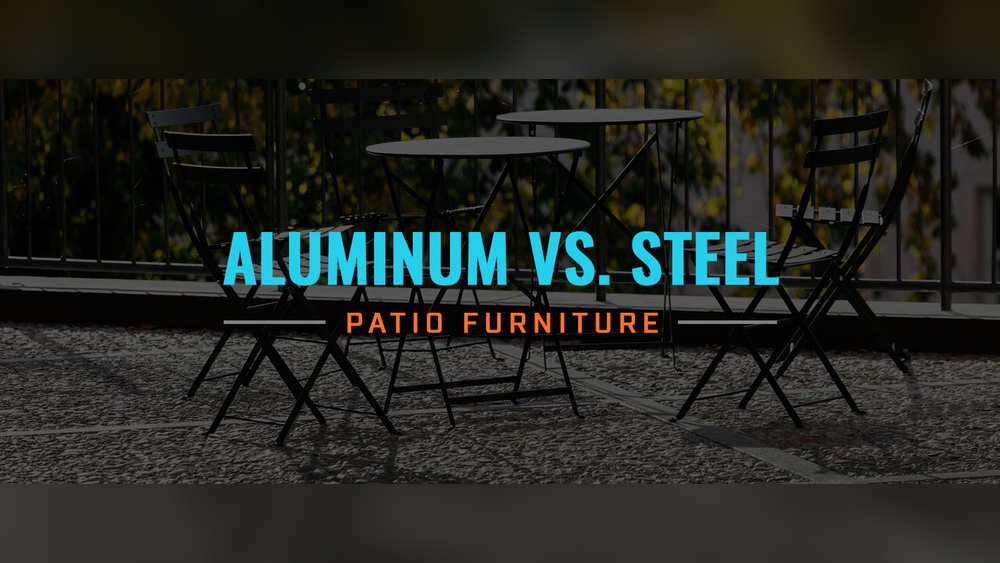
Choosing the right material for your outdoor furniture can make all the difference in comfort, durability, and style. You might be torn between aluminum and steel—both popular choices with unique benefits.
But which one truly fits your needs? Whether you want something lightweight and rust-resistant or strong and long-lasting, understanding the key differences will help you make the best decision. Keep reading to discover which option suits your outdoor space perfectly and ensures your furniture looks great for years to come.
Material Properties
Choosing the right material affects your outdoor furniture’s performance. Aluminum and steel each have unique properties. These affect how the furniture stands up over time. Understanding these traits helps you pick the best option for your needs.
Strength And Durability
Steel is stronger and can hold heavier weight without bending. It lasts longer under heavy use. Aluminum is lighter but not as strong as steel. It can bend or dent more easily. Steel resists impacts better, making it ideal for rough use. Aluminum can still last long if handled carefully.
Weight Comparison
Aluminum is much lighter than steel. This makes it easy to move and rearrange furniture. Steel is heavier and harder to carry. Heavy furniture stays put in strong winds. Light aluminum furniture can blow over if not secured. Weight affects comfort and convenience outdoors.
Corrosion Resistance
Aluminum resists rust very well. It forms a natural protective layer that blocks moisture. Steel can rust if not treated or painted. Rust weakens steel and ruins its look. Coated or stainless steel can resist rust better. Aluminum usually needs less maintenance in wet conditions.
Maintenance Needs
Maintenance needs play a big role in choosing outdoor furniture. Aluminum and steel require different care to stay strong and good-looking. Understanding their cleaning, rust prevention, and longevity helps pick the right material for your space.
Cleaning Tips
Aluminum furniture cleans easily with soap and water. Use a soft cloth or sponge to avoid scratches. Avoid harsh cleaners that can damage the finish.
Steel furniture needs regular cleaning to stop dirt buildup. Use a mild detergent and rinse well. Dry the surface to prevent water spots and damage.
Rust Prevention
Aluminum resists rust naturally. It forms a protective layer that blocks moisture. This means less worry about rust on aluminum furniture.
Steel is prone to rust without protection. Applying a sealant or paint helps stop rust. Check steel furniture often for chips or scratches that expose metal.
Longevity Factors
Aluminum lasts long with little maintenance. It holds up well in wet or salty environments. Aluminum furniture often stays in good shape for many years.
Steel can last for a long time if cared for properly. Protective coatings and regular upkeep prevent rust damage. Without care, steel may weaken and look worn faster.
Design And Aesthetics
Design and aesthetics play a big role in choosing outdoor furniture. The look of your furniture affects your outdoor space’s style and feel. Both aluminum and steel offer unique design benefits. Understanding their differences helps you pick the best option for your needs.
Finish Options
Aluminum furniture often features powder coating. This finish is smooth and resists fading and chipping. Steel furniture can also be powder coated. It may require extra layers to prevent rust. Steel finishes usually feel heavier and more solid. Aluminum finishes look lighter and sleek.
Style Versatility
Aluminum is easy to shape and bend. This allows more creative and modern designs. Steel is strong and supports bold, industrial styles. It suits classic, vintage, and rustic looks well. Both metals fit different design themes. Your choice depends on the style you want.
Color Availability
Aluminum furniture comes in many colors. Bright and pastel shades are common. Steel also offers a broad color palette. Darker and metallic tones are popular. Both metals let you match your furniture with your outdoor decor. Color options help create the perfect vibe.
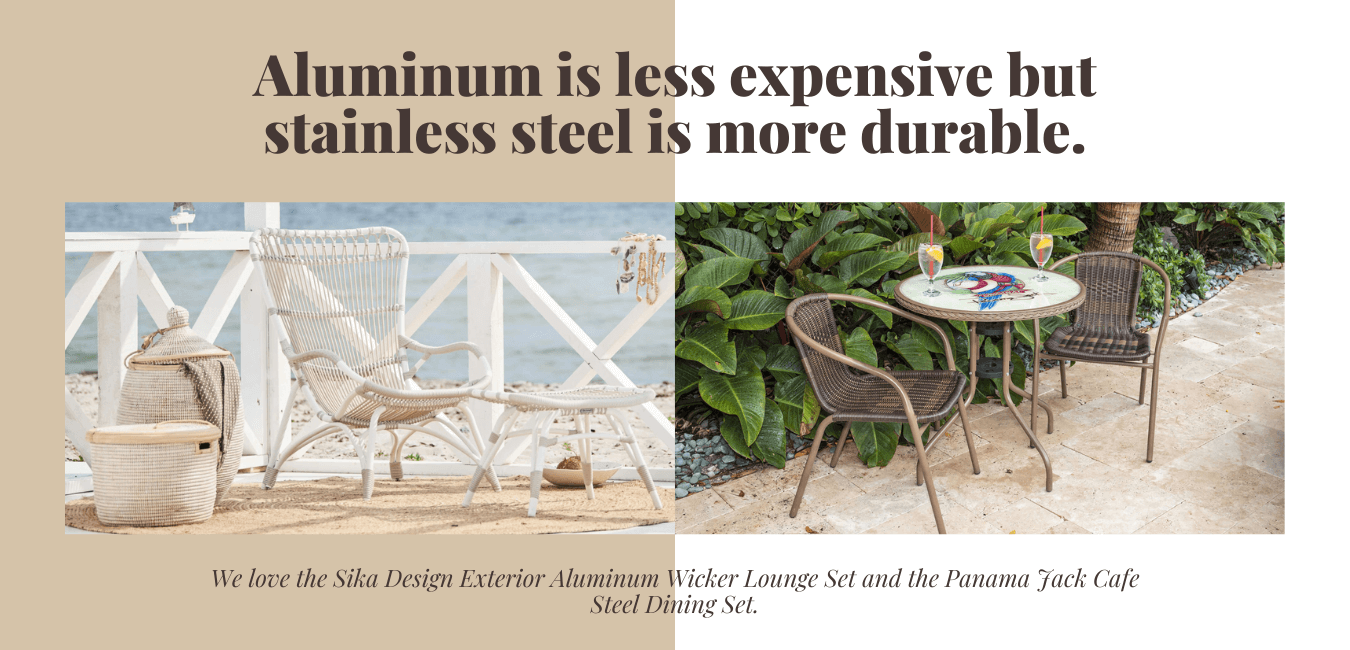
Credit: www.patioliving.com
Cost Considerations
Cost matters a lot when choosing outdoor furniture. Aluminum and steel have different price points and expenses. Knowing these costs helps you pick the right option for your budget.
Initial Investment
Aluminum furniture usually costs more at first. It is lightweight and rust-resistant. Steel furniture often has a lower starting price. But steel needs coatings to stop rust. This can add to the initial cost.
Long-term Value
Aluminum lasts longer without rust or damage. It keeps its look for many years. Steel can last too but needs more care. If steel rusts, it loses value fast. Aluminum saves money over time.
Repair Expenses
Steel furniture repairs can be costly. Rust spots need sanding and repainting. Aluminum repairs are simpler but need special paints. Both materials can get dents. But fixing steel rust takes more work and money.
Environmental Impact
Choosing outdoor furniture means thinking about the environment. The materials used affect nature in many ways. Both aluminum and steel have different impacts on the environment. This section explains their recyclability and manufacturing footprint.
Recyclability
Aluminum is highly recyclable. It can be melted and reused many times without losing quality. Recycling aluminum saves up to 95% of the energy needed to make new aluminum. This makes it a greener choice for outdoor furniture.
Steel is also recyclable but requires more energy to recycle than aluminum. It often contains other metals mixed in, which can make recycling harder. Still, steel can be reused and recycled many times, reducing waste in landfills.
Manufacturing Footprint
Making aluminum uses a lot of energy. Mining bauxite, the raw material, impacts land and water. The refining process releases greenhouse gases. This means aluminum furniture has a larger carbon footprint at the start.
Steel production also consumes energy but less than aluminum’s production. Steel manufacturing uses iron ore, which is more abundant. The process produces less greenhouse gas compared to aluminum. This makes steel a better option in terms of initial environmental impact.

Credit: bluesky-outdoor.com
Best Uses For Each Material
Choosing the right material for outdoor furniture depends on where and how you use it. Both aluminum and steel have unique strengths. Each fits better in certain outdoor settings. Knowing these helps pick the best option for your space.
Ideal Settings For Aluminum
Aluminum suits places near the sea or in humid areas. It does not rust, so salt air does not harm it. This makes it perfect for beach patios or poolside lounges.
It is light and easy to move. This works well for small balconies or spaces where you rearrange furniture often. Aluminum also stays cool under the sun, adding comfort on hot days.
Ideal Settings For Steel
Steel fits well in places needing strong, durable furniture. Its heavy weight keeps it stable in windy gardens or open yards. Steel handles rough use without bending or breaking.
It can be coated to resist rust, making it good for areas with less salty air. Steel’s classic look suits formal patios and outdoor dining areas. It adds a solid, sturdy feel to the space.
Credit: asuzac-acm.com
Frequently Asked Questions
Which Is More Durable For Outdoor Furniture, Aluminum Or Steel?
Steel is generally more durable and stronger than aluminum. However, aluminum resists rust better, making it ideal for humid or coastal areas. Both materials are sturdy, but steel suits heavy use, while aluminum offers longer-lasting rust resistance.
Is Aluminum Or Steel Better For Rust Resistance Outdoors?
Aluminum is naturally rust-resistant due to its oxide layer. Steel can rust if not properly coated or maintained. For outdoor furniture exposed to rain or moisture, aluminum is typically better for preventing rust and corrosion.
Which Material Is Lighter, Aluminum Or Steel Furniture?
Aluminum furniture is much lighter than steel, making it easier to move and rearrange. Steel is heavier, providing more stability but less portability. Choose aluminum for lightweight convenience and steel for solid, heavy-duty furniture.
How Does Cost Compare Between Aluminum And Steel Furniture?
Aluminum outdoor furniture usually costs more due to its rust resistance and lightweight properties. Steel furniture tends to be less expensive but may require more maintenance to prevent rust. Budget and maintenance preferences affect the best choice.
Conclusion
Aluminum and steel each have strengths for outdoor furniture. Aluminum resists rust and feels light to move. Steel offers strong support but needs care to prevent rust. Choose aluminum for easy upkeep and lasting shine. Pick steel if you want extra strength and don’t mind maintenance.
Both materials suit different needs and styles well. Think about your climate, budget, and how you use furniture. This helps you find the best fit for your outdoor space.