Your outdoor furniture is a key part of your relaxing space, but dirt, dust, and weather can quickly take a toll on it. Do you ever wonder how to keep your chairs, tables, and loungers looking fresh and inviting?
Cleaning outdoor furniture doesn’t have to be a chore or something you put off until it’s too late. With the right steps, you can restore your furniture’s shine and protect it from damage. Keep reading to discover simple, effective ways to clean your outdoor furniture and make your space feel like new again.
:strip_icc()/Clean-Outdoor-Furniture-34bc286d99604bce93f968cc0e060c68.jpg)
Credit: www.bhg.com
Choosing The Right Cleaner
Choosing the right cleaner is key to keeping outdoor furniture looking great. The wrong product can damage surfaces or leave stains. It is important to pick a cleaner that suits the material of your furniture. This helps protect it from wear and tear. Understanding the differences between natural and commercial products will guide your choice. Also, learn which cleaners work best for specific materials.
Natural Vs Commercial Products
Natural cleaners use ingredients like vinegar, baking soda, and lemon. They are gentle and eco-friendly. These products are safe for most furniture and do not contain harsh chemicals. Commercial cleaners often have strong chemicals for tough stains. They can clean deeply but might harm delicate materials. Choose natural products for light cleaning and sensitive surfaces. Use commercial cleaners only when needed, and test on a small area first.
Safe Options For Different Materials
Wood furniture needs mild soap and water or special wood cleaners. Avoid strong chemicals that dry out the wood. For metal furniture, use a mixture of water and mild detergent. It helps remove dirt without causing rust. Plastic and resin furniture can handle stronger cleaners but avoid bleach. Fabric cushions should be cleaned with upholstery or mild soap solutions. Always check the manufacturer’s instructions before using any cleaner.
Preparing Your Furniture
Preparing your outdoor furniture is the first step to effective cleaning. It helps you avoid damage and get better results. Start by clearing everything off the furniture. This makes cleaning easier and faster. Take a few minutes to get ready before you begin scrubbing or washing.
Removing Cushions And Accessories
Take off all cushions, pillows, and covers. These items need separate cleaning. Removing them prevents water damage and stains on fabric. Check for any tags with cleaning instructions on cushions. Store them in a dry place while you clean the furniture frames. This step protects the cushions and helps you clean every part well.
Brushing Off Loose Dirt
Use a soft brush or broom to sweep dust and dirt off. Focus on corners and crevices where dirt collects. Brushing removes loose debris that can scratch surfaces during washing. It also makes the cleaning process smoother. Take your time to clear away leaves, spider webs, and dirt clumps. This step prepares your furniture for a deep clean without damage.
Cleaning Techniques By Material
Outdoor furniture comes in many materials. Each type needs different cleaning care to stay nice. Using the right method keeps furniture strong and looking good longer.
Cleaning techniques vary by material. Wood, metal, plastic, and wicker all react differently to water, soap, and scrubbing. Knowing how to treat each type helps avoid damage and keeps the furniture fresh.
Wood Furniture Care
Start by brushing off dirt and leaves. Use a soft cloth and mild soap with water. Avoid soaking the wood to prevent warping. Dry quickly with a towel. Apply wood oil or sealant to protect from weather.
Metal Furniture Cleaning
Remove dust and debris using a soft brush. Mix warm water with mild soap for washing. Use a sponge to scrub gently. Rinse with clean water. Dry thoroughly to stop rust. Apply a rust-resistant spray if needed.
Plastic And Resin Furniture Tips
Plastic and resin are easy to clean. Use a garden hose to rinse dirt away. Mix dish soap with water and scrub with a soft brush. Avoid harsh chemicals that can damage plastic. Dry with a cloth or air dry in sunlight.
Wicker And Rattan Maintenance
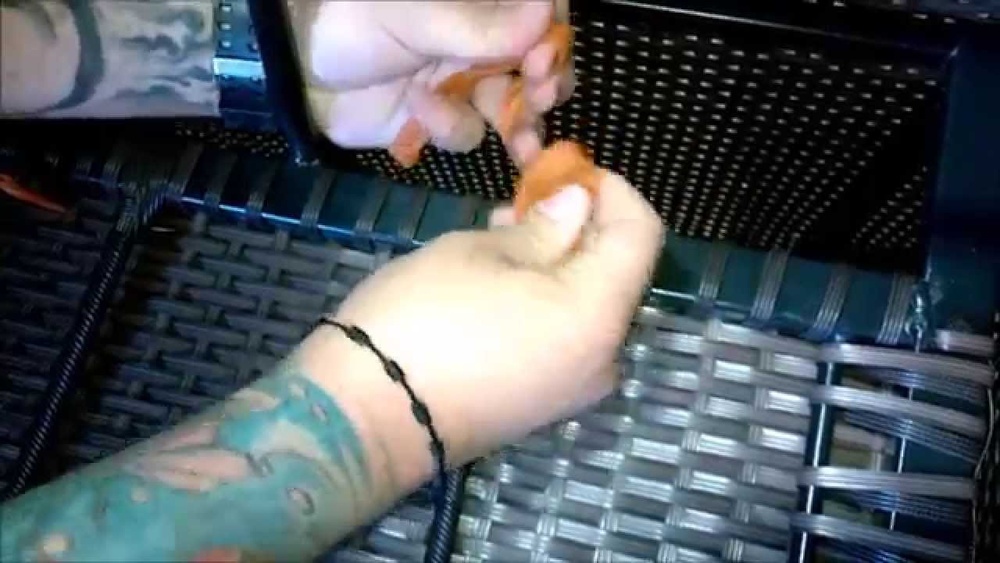
Dust wicker or rattan with a soft brush first. Mix mild soap in warm water and wipe gently. Do not soak the material to avoid weakening. Dry in a sunny spot but not too hot. Use a vacuum with a brush attachment to reach tight spaces.
:max_bytes(150000):strip_icc()/outdoor-furniture-care-guide-3-0822-2000-c7ed539a877d4b9a823a134e009f0906.jpg)
Credit: www.marthastewart.com
Tackling Stubborn Stains
Outdoor furniture often faces tough stains. Dirt, food, and weather leave marks. These stains need special care. Cleaning stubborn stains keeps furniture fresh and inviting. Use right methods for each stain type. This section covers easy ways to remove hard spots.
Mold And Mildew Removal
Mold and mildew grow in damp places. They look like black or green spots. Use a mix of water and white vinegar. Spray on the affected area and wait 10 minutes. Scrub gently with a soft brush. Rinse with clean water. Dry the furniture well to stop mold return.
Rust And Water Stains
Rust stains appear on metal parts of furniture. Water stains can leave white marks on wood or plastic. Use lemon juice or baking soda paste. Apply it on the stain and let it sit for 5 minutes. Scrub softly with a cloth or sponge. Rinse and dry completely to avoid new stains.
Grease And Food Marks
Grease and food stains stick easily to furniture. Use warm water mixed with dish soap. Apply the soapy water with a cloth. Rub the stain gently in circles. Rinse with clean water. For tough stains, try a small amount of baking soda. Repeat if needed, then dry the furniture well.
Rinsing And Drying
Rinsing and drying are important steps in cleaning outdoor furniture. They remove soap and dirt. Proper rinsing prevents damage and keeps furniture looking fresh. Drying stops water spots and mold growth. Follow simple methods to rinse and dry effectively.
Proper Washing Methods
Use clean water to rinse furniture well. A garden hose works best for most materials. Spray gently to avoid scratches. For stubborn dirt, use a soft brush or cloth. Avoid harsh chemicals that can harm surfaces. Rinse all soap off completely. Check corners and crevices for leftover residue. Clean thoroughly for a neat finish.
Effective Drying Techniques
Dry furniture quickly after rinsing. Use a soft towel or cloth for wood and metal. Wipe all surfaces to prevent water marks. For plastic or resin, air drying is fine. Place furniture in a sunny spot for faster drying. Keep cushions and fabric away from moisture. Store them in a dry area until fully dry.
Maintaining Clean Furniture
Maintaining clean outdoor furniture keeps it looking fresh and lasts longer. Dirt, dust, and weather can wear down your furniture quickly. Simple care steps protect your investment and keep your space inviting. Small habits make a big difference over time.
Regular Cleaning Schedule
Set a routine to clean your furniture often. Wipe surfaces with a soft cloth and mild soap. Rinse with clean water to remove soap residue. Avoid harsh chemicals that can damage materials. Clean cushions and fabric with gentle detergent. Let everything dry completely before use. Regular cleaning stops dirt from building up. It helps spot damage early for quick repairs.
Protective Covers And Storage Tips
Use covers to shield furniture from rain and sun. Choose covers that fit well and allow airflow. Store furniture indoors during harsh weather or winter months. Dry furniture thoroughly before storing to avoid mold. Stack chairs and tables carefully to prevent scratches. Proper storage saves time cleaning and keeps furniture safe. Covers and storage extend the life of your outdoor pieces.

Credit: www.furnitureclinic.co.uk
Frequently Asked Questions
How Often Should I Clean Outdoor Furniture?
Cleaning outdoor furniture every few months prevents dirt buildup and damage. Regular cleaning maintains appearance and extends furniture life.
What Is The Best Cleaner For Outdoor Furniture?
Mild soap mixed with warm water works well for most furniture types. Avoid harsh chemicals to protect materials and finishes.
Can I Use A Pressure Washer On Outdoor Furniture?
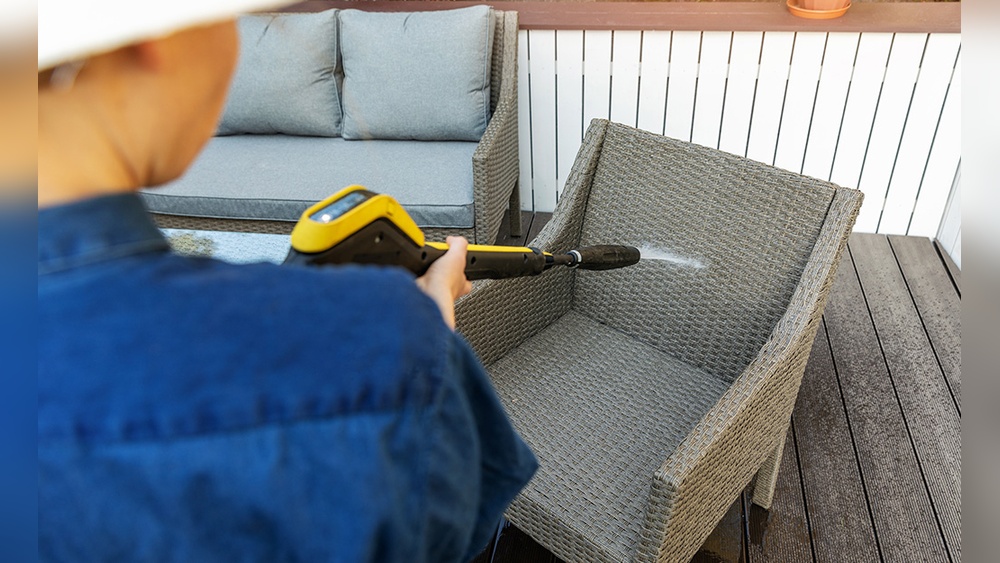
Yes, but use low pressure to avoid damage. Test on a small area first to ensure safety.
How Do I Remove Mildew From Outdoor Furniture?
Use a mixture of vinegar and water or a specialized mildew cleaner. Scrub gently, then rinse thoroughly with water.
Conclusion
Cleaning outdoor furniture keeps it fresh and inviting all year. Regular care stops dirt, mold, and damage from building up. Use gentle cleaners and soft brushes for best results. Dry furniture well to avoid rust or mildew. Taking small steps often saves money and effort later.
Enjoy your outdoor space more with clean, comfortable furniture. Simple habits make a big difference in outdoor upkeep. Keep your furniture looking good and lasting longer.