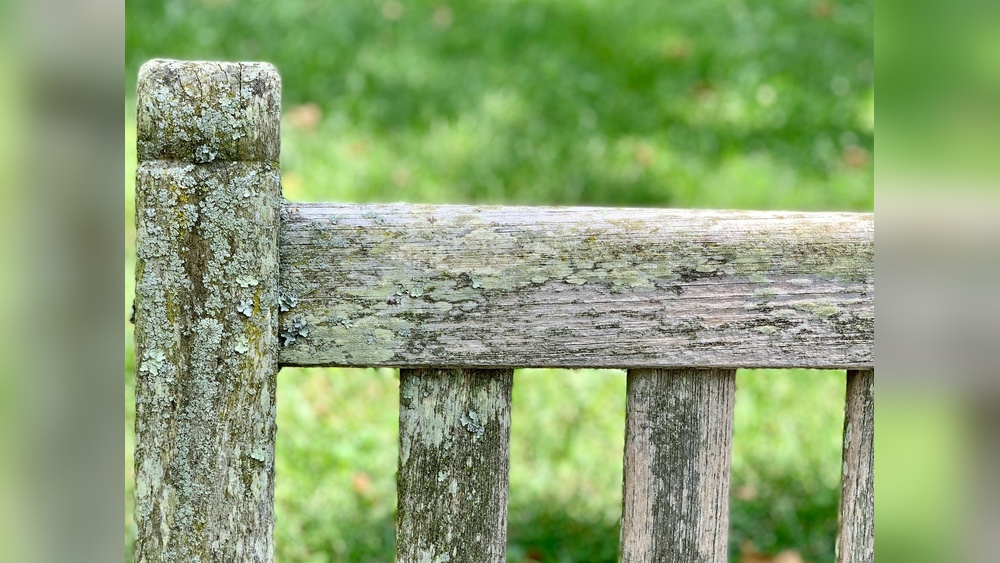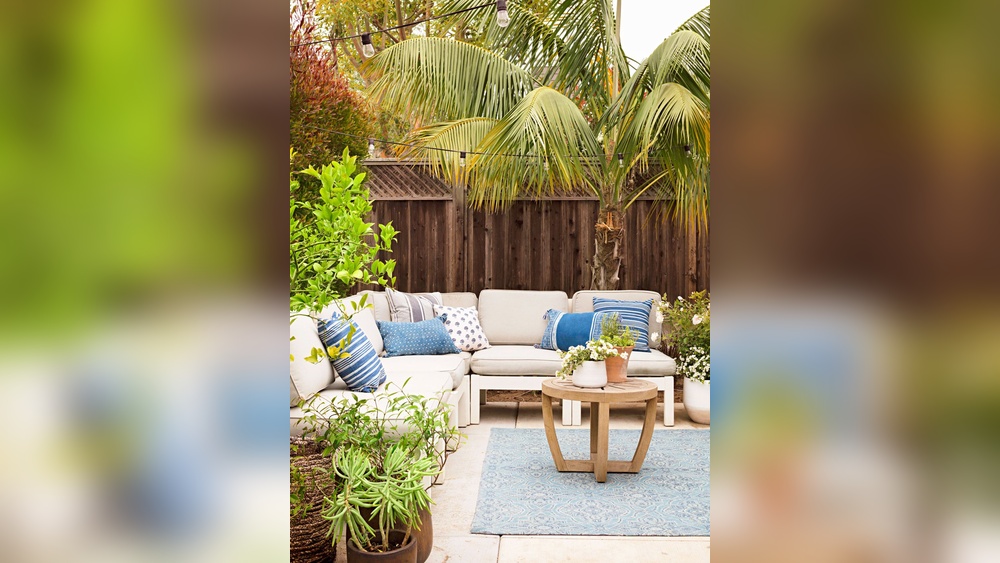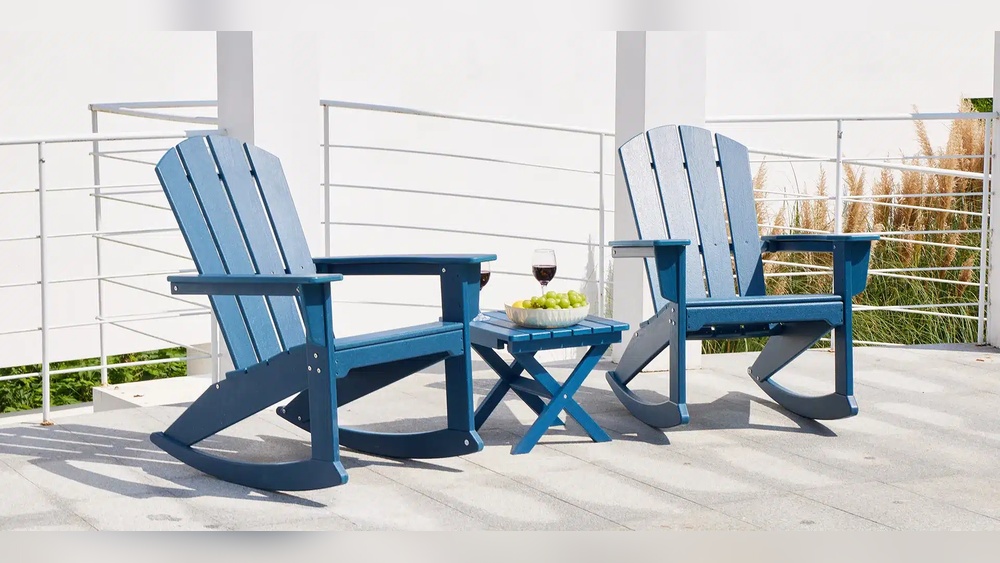
Are you searching for outdoor furniture that lasts through all seasons without losing its charm? Choosing the right material can make all the difference in keeping your space comfortable and stylish.
HDPE material is gaining attention, but is it really the best choice for your outdoor furniture? Keep reading to discover how HDPE stands up to sun, rain, and wear—and why it might be exactly what your outdoor space needs.
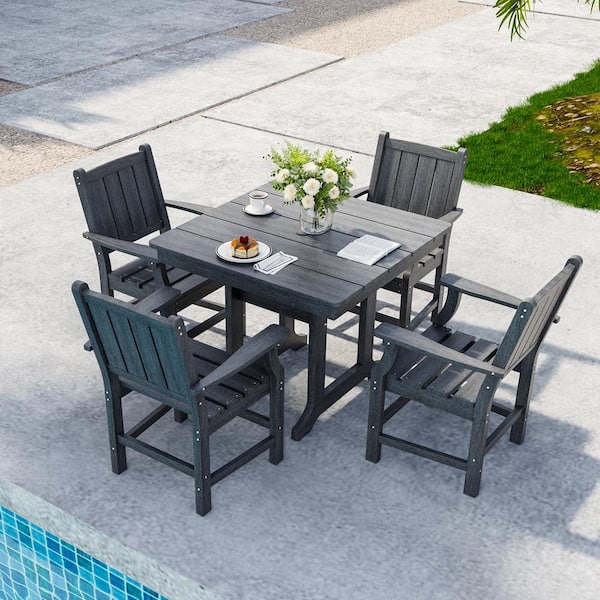
Credit: www.homedepot.com
Benefits Of Hdpe For Outdoor Use
HDPE, or High-Density Polyethylene, stands out as an excellent choice for outdoor furniture. This material offers several advantages that help furniture last longer and stay attractive. Its strength and resistance to natural elements make it a popular option for patios, gardens, and public spaces.
Below are key benefits of HDPE that make it suitable for outdoor use.
Weather Resistance
HDPE resists rain, snow, and moisture very well. It does not absorb water, so it won’t swell or warp. This quality keeps outdoor furniture stable and strong through different weather conditions. It handles cold and heat without cracking or breaking.
Impact Durability
This material is tough and can handle bumps and hits. HDPE furniture stays intact even if it falls or gets knocked over. It does not chip or splinter like wood or some plastics. This durability means less repair and longer use.
Uv Protection
HDPE resists damage from the sun’s rays. It does not fade or become brittle after long exposure to sunlight. This protection keeps the furniture looking new and prevents weakening. HDPE maintains color and strength outdoors for many years.
Eco-friendly Aspects Of Hdpe
HDPE, or High-Density Polyethylene, is popular for outdoor furniture. It offers several eco-friendly benefits. These benefits make it a smart choice for those caring about the environment. Let’s explore the green aspects of HDPE.
Recyclability
HDPE is fully recyclable. It can be melted and reshaped without losing strength. This reduces waste in landfills. Recycling HDPE saves raw materials and energy. Many recycling programs accept HDPE products. Using recycled HDPE helps conserve natural resources.
Reduced Carbon Footprint
Producing HDPE requires less energy than other plastics. It creates fewer greenhouse gas emissions. Long-lasting HDPE furniture reduces the need for frequent replacements. This lowers overall carbon output. Choosing HDPE supports cleaner production and use.
Non-toxic Composition
HDPE contains no harmful chemicals. It does not release toxins into the environment. Safe for humans and wildlife alike. It does not leach chemicals when exposed to sun or rain. This quality makes HDPE ideal for outdoor use.
Comparing Hdpe With Other Materials
Choosing the right material for outdoor furniture is important. Different materials have different strengths and weaknesses. HDPE, or high-density polyethylene, is popular for outdoor use. Comparing HDPE with wood, metal, and other plastics helps find the best fit.
Hdpe Vs Wood
Wood looks natural and feels warm. It can be heavy and needs regular care. Wood can rot or get damaged by insects. HDPE does not rot or attract bugs. It is lighter and easier to clean. Wood may crack or fade in sun. HDPE holds color well and stays smooth.
Hdpe Vs Metal
Metal is strong and lasts long. It can get hot in the sun and may rust. Metal furniture often needs painting or coating. HDPE does not rust or heat up. It stays cool and comfortable outside. Metal can be heavy and hard to move. HDPE is lighter and easy to handle.
Hdpe Vs Plastic Alternatives
Some plastics fade or break easily in sun. HDPE is tougher and resists cracks. It handles rain and cold without damage. Other plastics may feel cheap or flimsy. HDPE feels solid and lasts for years. It resists stains and is simple to clean.
Credit: www.walmart.com
Maintenance And Longevity
HDPE material is popular for outdoor furniture because it lasts a long time and needs little care. Understanding how to clean and protect it helps keep furniture looking good. Proper care also extends the life of HDPE products. This section covers simple maintenance tips and what to expect in terms of durability.
Cleaning Tips
Cleaning HDPE furniture is easy. Use mild soap and warm water for daily cleaning. A soft cloth or sponge works best to avoid scratches. For tough stains, a mixture of vinegar and water can help. Rinse well and dry with a towel. Avoid harsh chemicals that may damage the surface.
Preventing Wear And Tear
Place furniture on flat surfaces to avoid stress and bending. Use cushions to reduce direct impact and friction. Store furniture indoors during extreme weather like heavy snow or storms. Covering HDPE pieces protects them from dirt and UV rays. Regular inspection can catch small damages early.
Expected Lifespan
HDPE furniture can last 15 to 25 years with proper care. UV stabilizers in the material prevent fading and cracking. It resists moisture, mold, and insects better than wood. Signs of wear include fading color or minor surface scratches. These do not affect the strength or safety of the furniture.
Design Flexibility And Style Options
HDPE material offers great design flexibility for outdoor furniture. It adapts well to many styles and shapes. This makes it a popular choice for different outdoor settings. The material lets designers and homeowners create pieces that fit both function and fashion.
HDPE furniture can blend easily with gardens, patios, and decks. Its versatility allows for both modern and classic looks. The material supports creative design without losing durability or comfort.
Color Variety
HDPE comes in many colors. Bright shades and neutral tones are both available. Colors stay vibrant even under strong sunlight. This helps furniture look fresh for years. You can pick colors that match your outdoor space perfectly.
Texture And Finish
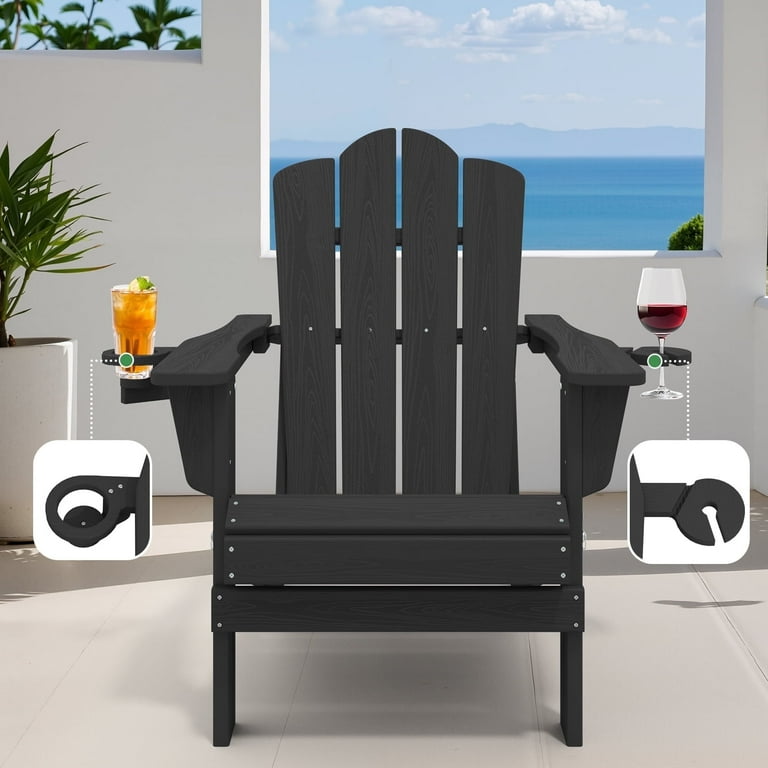
Textures range from smooth to wood-like grain. These finishes give HDPE furniture a natural feel. The material can mimic real wood without the maintenance. It resists fading, peeling, and cracking. This keeps the furniture attractive and sturdy.
Customization Possibilities
HDPE allows for many custom options. Shapes, sizes, and details can be tailored. Designers can add curves, angles, or unique patterns. Custom pieces fit specific spaces and personal tastes. This makes outdoor furniture truly your own.
Cost Considerations
Cost is an important factor when choosing outdoor furniture material. HDPE offers a unique balance between price and quality. Understanding the costs helps you decide if HDPE suits your budget and needs.
Initial Investment
HDPE furniture usually costs more than plastic or metal options. The price reflects its durability and weather resistance. Spending more upfront means you get strong, lasting furniture.
You avoid frequent replacements that cheaper materials need. The initial cost might seem high but it protects your investment.
Long-term Savings
HDPE furniture needs less maintenance. It does not rust, crack, or fade easily. This saves money on repairs and replacements over time.
No need for paint or special treatments. Cleaning is simple with soap and water. These factors reduce ongoing costs significantly.
Value For Money
HDPE offers great value because it lasts many years. It withstands sun, rain, and wind without damage. This reliability means you get your money’s worth.
The look of HDPE furniture stays good for a long time. Investing in HDPE means enjoying quality outdoor furniture without extra costs later.

Credit: www.piedmontplastics.com
Frequently Asked Questions
Is Hdpe Durable For Outdoor Furniture?
HDPE is highly durable for outdoor furniture. It resists cracking, warping, and fading under sun and rain. Its strength makes it ideal for long-lasting outdoor use.
How Does Hdpe Resist Weather Damage?
HDPE resists weather damage by repelling moisture and UV rays. It does not absorb water, preventing mold and rot. UV stabilizers help maintain color and strength over time.
Is Hdpe Furniture Eco-friendly?
Yes, HDPE furniture is eco-friendly. It’s often made from recycled plastics and is fully recyclable. Choosing HDPE supports sustainability and reduces plastic waste.
Can Hdpe Furniture Withstand Extreme Temperatures?
HDPE performs well in extreme temperatures. It remains stable in both hot summers and cold winters without cracking or becoming brittle.
Conclusion
HDPE material works well for outdoor furniture. It resists water, sun, and dirt. The material stays strong in many weather types. It also needs little care or cleaning. HDPE furniture lasts for many years. It offers good value for your money.
Choosing HDPE means fewer worries about damage. This makes it a smart choice for your outdoor space. Durable, low-maintenance, and weather-resistant—HDPE fits outdoor needs. Consider HDPE if you want furniture that holds up outside.