Are you worried about protecting your outdoor furniture from harsh weather? Wrapping your furniture the right way can save you time, money, and hassle.
Imagine coming back to your patio and finding everything clean, dry, and damage-free. You’ll discover simple, effective steps to wrap your outdoor furniture like a pro. Whether you’re preparing for winter or just want to keep your pieces looking great year-round, this guide is made just for you.
Keep reading to learn how to protect your investment with ease!

Credit: www.youtube.com
Choosing The Right Cover
Choosing the right cover for your outdoor furniture is important. It protects your furniture from dirt, rain, and sun damage. A good cover can save money by making furniture last longer. Not all covers are the same. Different materials, sizes, and weather protections matter. Pick the right one to keep your furniture safe and clean.
Material Options
Outdoor furniture covers come in many materials. Polyester is light and dries fast. It resists tears and feels soft. Vinyl covers block water well but can trap heat. Canvas is strong but heavy and takes longer to dry. Choose a material that fits your climate and furniture type. Breathable fabrics stop mold and mildew better.
Size And Fit
Cover size matters a lot. A cover too small won’t protect well. Too big means wind can blow it off. Measure your furniture before buying a cover. Look for covers with adjustable straps or elastic hems. This helps the cover fit tight and stay on. A good fit keeps dust and bugs away.
Weather Resistance
Check if the cover is weather resistant. Rain and snow can damage furniture fast. Waterproof covers keep water out but may trap moisture inside. Look for covers with ventilation panels. These vents let air flow and stop mold. UV protection helps prevent sun fading and cracking. Pick a cover that suits your local weather best.
Preparing Furniture For Wrapping
Preparing outdoor furniture for wrapping is a key step to protect it well. Proper preparation makes the wrapping last longer. It also keeps your furniture safe from dirt, moisture, and damage. Follow these steps to get your furniture ready before wrapping.
Cleaning And Drying
Clean all dirt, dust, and debris from the furniture. Use a soft brush or cloth to remove loose dirt. Wash with mild soap and water if needed. Rinse thoroughly to avoid soap residue. Let the furniture dry completely before wrapping. Moisture can cause mold and damage under the wrap.
Repairing Damages
Check for any cracks, loose screws, or broken parts. Fix small damages using glue or screws. Replace missing parts if possible. Repairing prevents damage from getting worse under the wrap. It also helps the furniture keep its shape.
Disassembling Pieces
Remove cushions, pillows, and any detachable parts. Take apart large pieces if possible. Disassembling makes wrapping easier and more secure. It also protects delicate parts from bending or breaking. Store small parts safely to avoid losing them.
Step-by-step Wrapping Process
Wrapping outdoor furniture protects it from rain, dust, and cold weather. A proper wrapping process keeps furniture safe and dry throughout the year. Follow these clear steps to wrap your furniture correctly.
Positioning The Cover
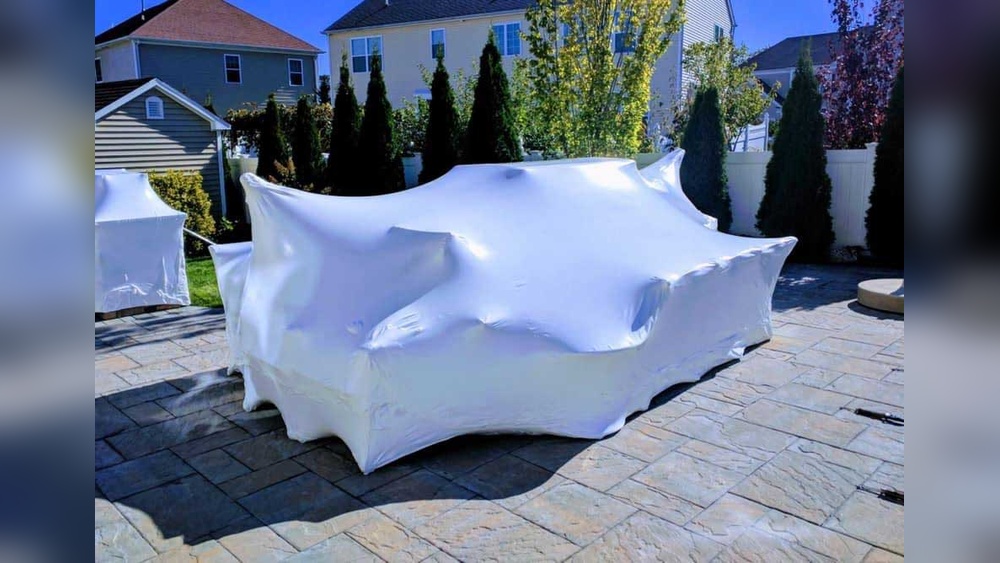
Place the cover over the furniture evenly. Make sure it covers all sides, top to bottom. Smooth out any wrinkles or folds to avoid water traps. Check that the cover reaches the ground or base for full protection.
Securing With Straps And Ties
Use straps or ties to hold the cover tightly in place. Wrap them around the furniture and fasten securely. Tight straps stop wind from blowing the cover away. Adjust the straps so the cover fits snugly but not too tight.
Sealing Edges
Seal the edges of the cover to keep out moisture and dirt. Tuck or fold any loose edges under the furniture legs or base. Use clips or extra ties for added security. Proper sealing prevents damage during storms or strong winds.

Credit: fj-outdoors.com
Preventing Moisture And Mold
Moisture and mold can damage outdoor furniture during storage. They cause stains, odors, and weaken materials. Protect your furniture by stopping moisture buildup and mold growth. Use simple steps that keep air flowing and remove dampness.
Using Breathable Covers
Choose covers made of breathable fabric. They let air pass through while blocking rain and snow. Avoid plastic tarps that trap moisture inside. Breathable covers reduce condensation on furniture surfaces. This helps keep your furniture dry and mold-free.
Adding Moisture Absorbers
Place moisture absorbers under the covers. Silica gel packs or charcoal bags work well. These absorb excess water from the air. Replace them regularly to keep absorbing power strong. Moisture absorbers prevent dampness that causes mold and mildew.
Ensuring Proper Ventilation
Store furniture in a spot with good air flow. Leave space between pieces to allow air circulation. Open covers occasionally to let moisture escape. Proper ventilation dries out damp areas quickly. This stops mold spores from settling and growing.
Storing Wrapped Furniture
Storing wrapped outdoor furniture properly keeps it safe and lasting longer. Careful storage protects furniture from weather damage, pests, and dirt. Follow simple steps to ensure your furniture stays in good shape through seasons.
Choosing Storage Location
Select a dry, cool place for storing wrapped furniture. Avoid areas with high moisture or direct sunlight. A garage, shed, or covered porch works well. Proper location reduces risk of mold and fading.
Elevating Furniture
Raise furniture off the floor using pallets or blocks. Elevation improves air circulation under the pieces. This step helps prevent dampness and rust on metal parts. It also keeps wood from absorbing ground moisture.
Avoiding Direct Ground Contact
Do not place wrapped furniture directly on the ground. Ground contact causes moisture buildup and damage. Use plastic sheets or tarps under furniture if elevation is not possible. This creates a barrier against dirt and water.
Common Mistakes To Avoid
Wrapping outdoor furniture is important to protect it from weather damage. Many people make simple mistakes that shorten the life of their furniture. Avoiding these common errors helps keep your furniture safe and looking good.
Using Non-breathable Covers
Non-breathable covers trap moisture under the cover. This causes mold and mildew to grow on your furniture. Always choose covers made from breathable materials. They let air flow and keep furniture dry.
Wrapping Wet Furniture
Wrapping furniture while it is still wet causes water to get trapped. This leads to rust, mold, and wood damage. Let your furniture dry completely before covering it. This keeps your furniture fresh and protected.
Ignoring Pest Protection
Pests like insects and rodents can hide under covers. They can damage cushions and wood. Use covers that seal well and check under furniture often. Pest protection keeps your furniture safe and clean.
Maintaining Furniture During Winter
Winter weather can be tough on outdoor furniture. Cold temperatures, moisture, and frost can cause damage. Proper maintenance helps keep your furniture strong and looking good. Taking time during winter protects your investment.
Regular Inspections
Check your furniture often for signs of damage. Look for cracks, rust, or loose parts. Catching problems early stops them from getting worse. Use a soft cloth to clean dirt and dust. Pay attention to joints and screws.
Removing Snow And Ice
Snow and ice add extra weight and moisture. Use a soft broom or brush to gently remove snow. Avoid sharp tools that can scratch surfaces. Clear ice carefully by applying warm water or using a plastic scraper. Do not let ice sit for long.
Reapplying Protective Coatings
Protective coatings guard against moisture and fading. Check if the finish looks worn or dull. Apply a new coat of sealant, paint, or oil as needed. Follow the product instructions for best results. Regular coating keeps furniture safe through winter.

Credit: safeai.webs.upv.es
Frequently Asked Questions
How Do I Prepare Outdoor Furniture For Wrapping?
Clean the furniture thoroughly and let it dry completely. Remove cushions and covers. This prevents mold and dirt buildup during storage.
What Materials Are Best For Wrapping Outdoor Furniture?
Use waterproof, breathable covers like tarp or heavy-duty plastic. Avoid non-breathable materials to prevent moisture and mildew damage.
Can I Wrap Outdoor Furniture Without Disassembling It?
Yes, but disassembling allows better protection and easier wrapping. If not, ensure tight wrapping and secure all parts properly.
How Do I Secure The Wrap On Outdoor Furniture?
Use strong ropes, bungee cords, or straps to hold the wrap tight. This prevents wind damage and keeps moisture out.
Conclusion
Wrapping outdoor furniture protects it from rain, dust, and sun damage. Use strong covers and secure ties to keep everything in place. Check your furniture regularly for any signs of wear or moisture. Proper wrapping helps your furniture last longer and stay clean.
Simple steps make a big difference in maintenance and care. Keep your outdoor space ready for use anytime by protecting your furniture well. Small efforts now save money and time later. Ready for every season.