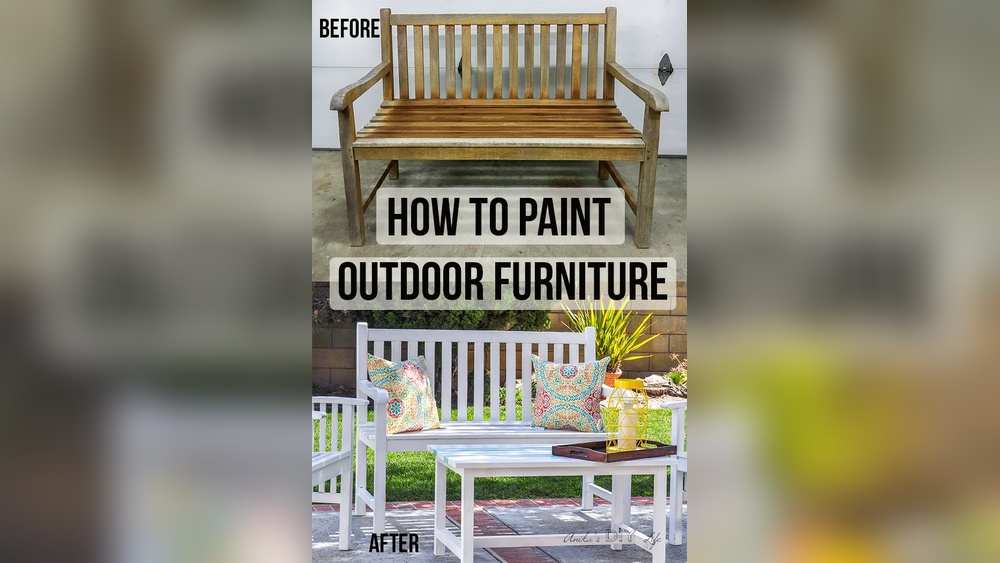
Are you tired of seeing your outdoor wood furniture fade, peel, or crack every season? Choosing the right paint can make all the difference in keeping your pieces looking fresh and protected year after year.
But with so many options out there, how do you know which one will stand up to sun, rain, and changing temperatures? You’ll discover exactly what kind of paint works best for outdoor wood furniture. By the end, you’ll be ready to give your furniture a beautiful, long-lasting finish that you can be proud of.
Keep reading to find the perfect paint for your outdoor wood pieces and enjoy stunning results that last.
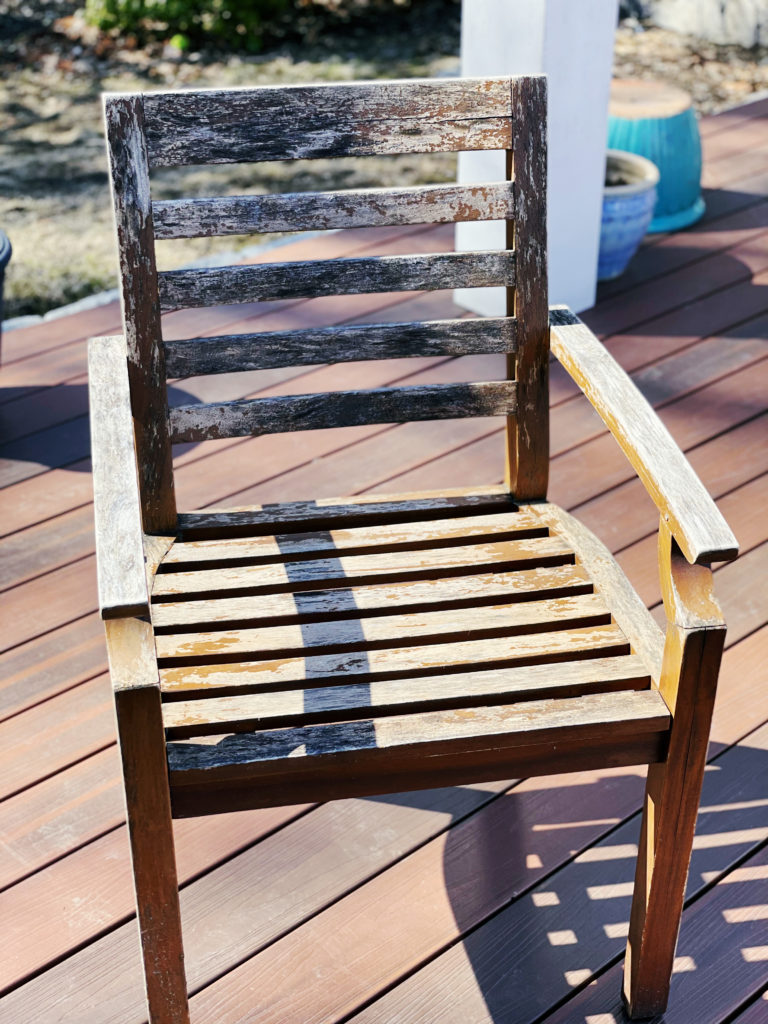
Credit: whitneysowles.com
Types Of Outdoor Wood Paints
Choosing the right paint for outdoor wood furniture matters. Different paints offer various benefits. Each type protects wood from weather and wear in unique ways. Understanding these options helps you pick the best one for your furniture.
Below are common types of outdoor wood paints. Each has its own strengths and uses.
Oil-based Paints
Oil-based paints create a strong, hard finish. They resist moisture well. This makes them great for rainy or humid climates. They dry slower but last longer. Clean up requires solvents like mineral spirits. These paints often have a glossy look.
Latex Paints
Latex paints dry quickly and clean up easily with water. They are flexible and resist cracking. They offer good color options and are less smelly. Ideal for most outdoor wood furniture. They work best on smooth, clean surfaces.
Acrylic Paints
Acrylic paints are a type of latex paint with added durability. They resist fading from sunlight. They stick well to wood and prevent peeling. Acrylics handle temperature changes without damage. Perfect for sunny outdoor spaces. They keep colors bright longer.
Chalk Paints
Chalk paints give a matte, vintage look. They require less surface prep before painting. Often used for decorative furniture pieces. They need sealing with wax or clear coat for protection. Not as durable as other paints but easy to touch up.
Factors To Consider When Choosing Paint
Choosing the right paint for outdoor wood furniture is important. The paint must protect the wood and keep it looking good. Several factors affect how well the paint works. Understanding these factors helps you pick the best paint for your furniture.
Durability And Weather Resistance
Outdoor furniture faces sun, rain, wind, and cold. The paint must last through all these conditions. Durable paint resists cracking, peeling, and fading. It keeps the wood safe for a long time. Look for paint made for outdoor use. This paint holds up better against weather changes.
Uv Protection
Sunlight can damage wood and paint. UV rays cause colors to fade and wood to dry out. Paint with UV protection slows this damage. It keeps colors bright and wood strong. UV-resistant paint extends the life of your furniture.
Moisture Resistance
Water can cause wood to swell and rot. Paint with good moisture resistance blocks water from entering. It stops mold and mildew from growing. Moisture-resistant paint protects wood from rain and humidity. This keeps your furniture safe and dry.
Ease Of Application
Some paints are easier to use than others. Look for paint that spreads smoothly and dries quickly. Easy-to-apply paint saves time and effort. It helps you get a neat finish without problems. Choose paint that fits your skill level and tools.
Preparing Wood Furniture For Painting
Preparing wood furniture for painting is an important step to ensure a smooth and lasting finish. Proper preparation helps paint stick better and protects the wood from damage. Taking time to clean, sand, prime, and repair the surface makes a big difference in the final look.
Cleaning And Sanding
Start by cleaning the wood surface thoroughly. Remove dirt, dust, and old paint flakes using a mild soap and water. Let the wood dry completely before moving to sanding.
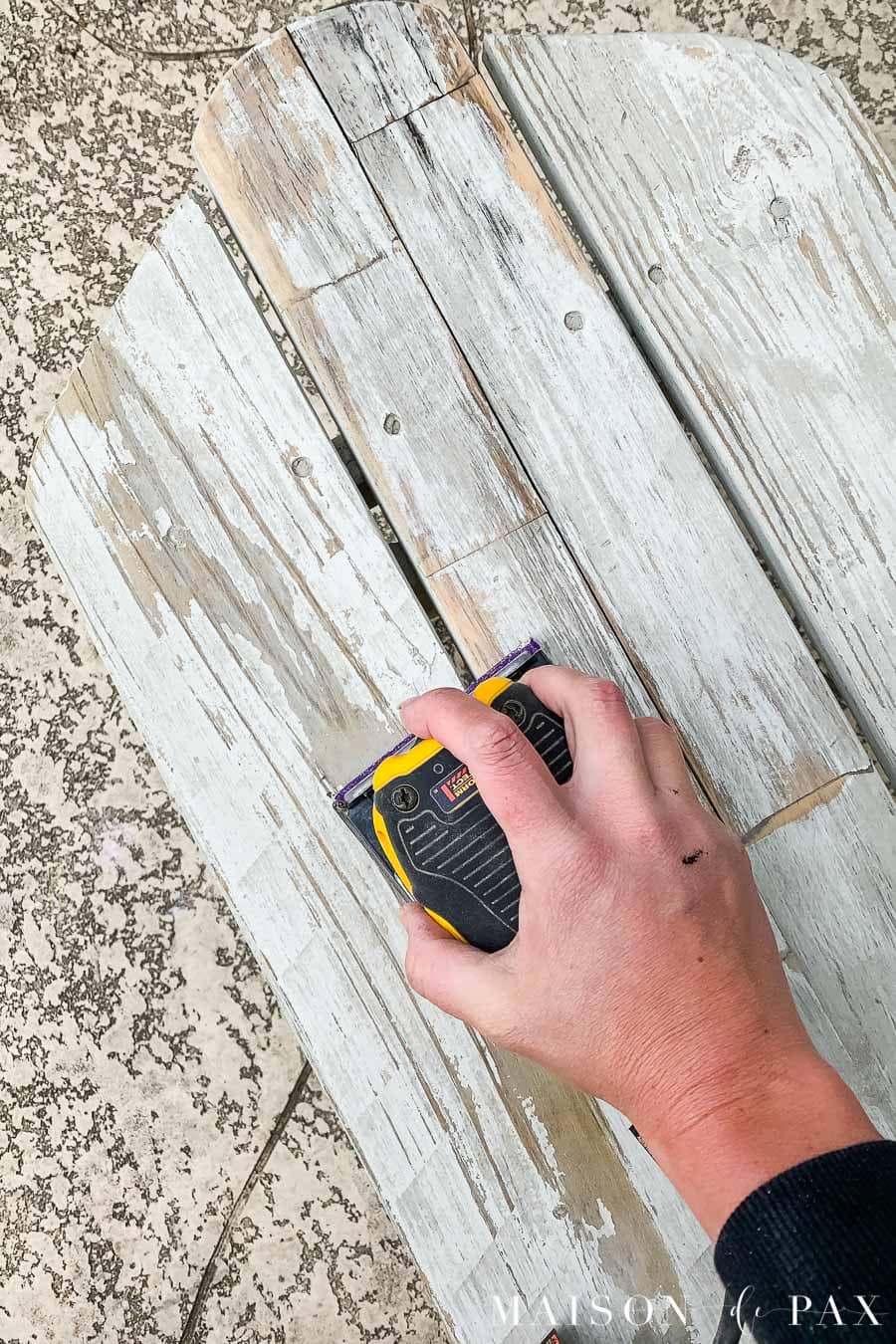
Sanding smooths the surface and removes rough patches. Use medium-grit sandpaper to even out the wood. Sanding also helps the paint stick better. After sanding, wipe away dust with a clean cloth.
Priming The Surface
Priming prepares the wood to accept paint evenly. Choose a primer designed for outdoor wood furniture. Apply a thin, even coat and let it dry fully. Primer seals the wood and prevents moisture damage. It also improves paint adhesion and durability.
Repairing Damages
Check the wood for cracks, holes, or splinters. Use wood filler or putty to fix small damages. Apply it with a putty knife and smooth it out. Allow the filler to dry, then sand the area until it is flush with the surface. Repairing ensures a flawless finish and extends furniture life.
Best Paints For Different Wood Types
Choosing the right paint for outdoor wood furniture depends on the type of wood. Different woods react differently to paint. Knowing the wood type helps pick the best paint. This makes the furniture last longer and look better.
Some paints work well on softwoods but not on hardwoods. Others suit treated wood but not untreated. Understanding these differences ensures the paint sticks well and protects the wood from weather damage.
Softwoods Vs Hardwoods
Softwoods like pine and cedar absorb paint quickly. Use paint with good sealing ability. Acrylic latex paint works well. It protects and prevents moisture from entering.
Hardwoods such as teak and oak are dense. They need paint with strong adhesion. Oil-based paints suit hardwoods best. They soak into the wood and create a tough layer.
Softwoods need primer before painting. Hardwoods often do not. Primer helps paint stick on softwoods and stops peeling.
Treated Vs Untreated Wood
Treated wood has chemicals to resist rot and insects. Use paint that bonds with these chemicals. Acrylic latex paint is ideal for treated wood. It offers flexibility and breathability.
Untreated wood is raw and porous. It needs primer to seal the surface. Use oil-based paint for outdoor untreated wood. It provides strong protection from water and sun damage.
Both treated and untreated wood benefit from a topcoat. This extends the life of the paint and wood. Choose a UV-resistant topcoat for best results.
Application Tips For Lasting Finish
Applying paint correctly on outdoor wood furniture helps the finish last longer. Proper application protects the wood from weather damage. It also keeps the furniture looking fresh and new. Follow these tips for a smooth and durable paint job.
Choosing Brushes And Rollers
Use high-quality brushes or rollers made for outdoor paint. Synthetic bristles work best for water-based paints. Natural bristles suit oil-based paints better. Choose a brush size that fits the furniture parts. Smaller brushes help reach tight corners and details. Rollers cover large, flat areas quickly and evenly.
Number Of Coats
Apply at least two coats of paint for good coverage. The first coat seals and primes the wood. The second coat adds color and protection. Let each coat dry fully before adding the next. For rough wood, a third coat may be needed. More coats build a stronger, weather-resistant finish.
Drying Times And Conditions
Paint dries best in warm, dry weather. Avoid painting on rainy or humid days. Follow the paint label for exact drying times. Wait the recommended time before touching or moving furniture. Proper drying prevents peeling and cracking. Good airflow helps the paint dry faster and smoother.
Credit: www.maisondepax.com
Maintaining Painted Outdoor Furniture
Maintaining painted outdoor wood furniture keeps it looking fresh and new. Painted surfaces face weather, dirt, and wear. Regular care helps protect your investment and extends the furniture’s life. Simple steps make a big difference in appearance and durability.
Cleaning Techniques
Use a soft brush or cloth to remove dust and dirt. Mild soap mixed with water cleans grime gently. Avoid harsh chemicals that can damage paint. Rinse with clean water and dry with a soft towel. Clean furniture regularly to prevent buildup and stains.
Touch-up Tips
Check furniture for chips or scratches often. Light sanding smooths rough spots before repainting. Use the same paint type and color for touch-ups. Apply thin layers and let them dry fully. Touch-ups keep the paint looking even and protect wood underneath.
Protective Sealants
Sealants add a shield against moisture and sun damage. Choose a clear, water-based sealant for outdoor wood. Apply sealant after paint has dried completely. Reapply every one to two years for best protection. Sealants keep paint vibrant and prevent peeling or cracking.
Common Mistakes To Avoid
Choosing the right paint for outdoor wood furniture is important. Many people make simple mistakes that ruin their work. Avoid these errors to keep your furniture looking great for years. Understanding common mistakes helps you make better choices for your project.
Skipping Primer
Primer creates a smooth base for paint. It helps paint stick better to the wood. Skipping primer can cause paint to peel and chip fast. Use a good primer made for outdoor wood. It protects the wood and extends paint life.
Painting In Poor Weather
Weather affects how paint dries and lasts. Painting on rainy or very humid days stops paint from drying well. Cold weather makes paint harden too slowly. Always paint when the weather is dry and mild. This ensures a smooth, strong finish.
Using Indoor Paint Outdoors
Indoor paint is not made for outdoor use. It cannot handle rain, sun, or temperature changes. Using indoor paint outside leads to quick fading and cracking. Choose paint labeled for outdoor wood furniture. These paints are tough and protect against weather damage.
Credit: www.maisondepax.com
Frequently Asked Questions
What Is The Best Paint For Outdoor Wood Furniture?
Acrylic latex paint is ideal for outdoor wood furniture. It provides durability, resists weather, and prevents peeling. It also offers UV protection and maintains color vibrancy over time.
Can I Use Oil-based Paint On Outdoor Wood?
Yes, oil-based paint works well on outdoor wood. It creates a strong, water-resistant finish that lasts long. However, it takes longer to dry and has stronger fumes compared to latex paint.
How Do I Prepare Wood Before Painting Outdoors?
Clean the wood surface thoroughly and sand it smooth. Remove old paint, dirt, and debris. Apply a primer suitable for outdoor wood to enhance paint adhesion and durability.
Should I Seal Outdoor Wood Furniture After Painting?
Yes, sealing outdoor wood furniture after painting is important. A clear polyurethane or spar varnish protects the paint from moisture and UV damage. It extends the furniture’s lifespan and appearance.
Conclusion
Choosing the right paint keeps outdoor wood furniture strong and beautiful. Oil-based paints last longer and resist water well. Acrylic paints dry fast and offer good color options. Always prepare the wood by cleaning and sanding first. A good finish protects from sun, rain, and wear.
Regular care helps the paint stay fresh and bright. Now, your furniture can enjoy many seasons outside. Paint smart, enjoy your outdoor space more.