
Have you ever wondered why outdoor furniture costs so much more than indoor pieces? You’re not alone.
When you’re ready to spruce up your patio or garden, the price tags can feel like a shock. But there’s more to this story than just fancy materials or big brand names. Understanding what makes outdoor furniture expensive can help you make smarter choices and get the best value for your money.
Keep reading to discover the hidden reasons behind those high prices—and how you can still create a beautiful outdoor space without breaking the bank.
Material Quality And Durability
Outdoor furniture must endure sun, rain, wind, and cold. These harsh elements demand strong materials. High-quality materials last longer and resist damage. This quality adds to the price but saves money over time.
Premium Wood And Metal Choices
Top outdoor furniture uses woods like teak, cedar, and eucalyptus. These woods resist rot and insects. Metal options include aluminum and stainless steel. These metals resist rust and hold strong under pressure. Using these materials costs more but ensures furniture lasts many years.
Weather Resistance And Longevity
Outdoor furniture faces rain, UV rays, and temperature changes. Materials must resist fading, cracking, and corrosion. Weather-resistant finishes and treatments protect the furniture. These processes increase cost but improve durability. Long-lasting furniture means fewer replacements and repairs.
Maintenance And Upkeep Costs
High-quality materials need less frequent care. They resist stains, scratches, and mold. Some woods require oiling or sealing yearly. Metals may need occasional cleaning to prevent rust. Lower maintenance saves time and money over the furniture’s life. Good material quality reduces upkeep cost and effort.

Credit: shop4patio.com
Design And Craftsmanship
Outdoor furniture costs more due to its design and craftsmanship. Each piece requires skill to handle weather and wear. Designers blend beauty with strength to create lasting furniture. Craftsmanship ensures every detail stands up to outdoor elements. This process raises the price but improves quality and style.
Artisan Work And Custom Designs
Skilled artisans shape outdoor furniture by hand. They use traditional methods to build strong frames and joints. Custom designs meet specific needs and match unique spaces. This personal touch adds value and durability. Handmade pieces often last longer than mass-produced items.
Ergonomics And Comfort Features
Outdoor furniture focuses on comfort as much as style. Designers study body shapes to create ergonomic seating. Cushions and backrests support good posture outdoors. These features require extra materials and careful assembly. Comfort boosts satisfaction but increases production costs.
Innovative Styles And Trends
Designers follow the latest outdoor furniture trends. They use new shapes, colors, and materials to stand out. Innovation demands research and testing for durability. Trendy pieces often involve complex designs and techniques. This adds to the price but offers fresh, attractive options.
Manufacturing And Production Costs
Outdoor furniture costs more due to complex manufacturing and production steps. These steps add time and effort to each piece. From choosing materials to making sure every item lasts, the process is detailed and careful. This raises the final price of outdoor furniture.
Labor Intensive Processes
Making outdoor furniture needs skilled workers. Each piece requires cutting, shaping, and assembling by hand. Machines help, but much work is manual. This takes time and raises labor costs. Skilled workers ensure strong, durable furniture that lasts for years.
Sourcing Sustainable Materials
Many manufacturers choose eco-friendly materials. These come from special sources and cost more. Wood must be treated to resist weather and insects. Metals need coatings to stop rust. Using sustainable materials protects nature but adds to expenses.
Quality Control And Testing
Every piece goes through strict checks. Tests make sure furniture can handle sun, rain, and wind. This prevents damage and keeps furniture safe. Quality control needs extra time and staff. These steps raise the cost but improve product reliability.
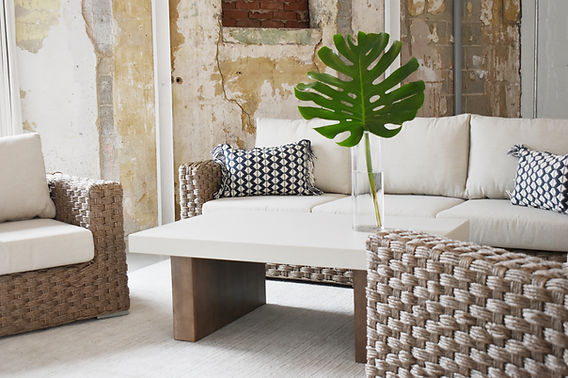
Credit: www.sosospiffy.com
Shipping And Logistics Challenges
Shipping and logistics add significant costs to outdoor furniture. These items are large, heavy, and need careful handling. The process from factory to home involves many steps. Each step adds to the final price.
Bulk And Heavy Item Transport
Outdoor furniture is often bulky and heavy. Transporting these items requires special vehicles. Trucks and shipping containers have size and weight limits. Moving large furniture pieces needs more space and effort. This increases fuel use and labor costs.
Packaging For Protection
Furniture must be well-protected during shipping. Damage from bumps or weather can be costly. Companies use strong packaging materials like foam, plastic wrap, and boxes. Careful packing prevents scratches, dents, and water damage. Extra packaging adds to the overall shipping cost.
Import And Tariff Expenses
Many outdoor furniture pieces come from other countries. Importing these products includes taxes and tariffs. Customs fees vary by country and product type. Tariffs increase the price before the furniture reaches stores. Import rules and delays can also raise costs.
Brand Reputation And Warranty
Brand reputation and warranty play a big role in the price of outdoor furniture. Trusted brands invest in quality materials and design. They stand behind their products with strong warranties. This builds customer trust and adds value.
Warranties protect buyers from defects and damage. They show the brand’s confidence in its products. Good customer support and after-sales service also raise the cost. These services ensure buyers get help if problems arise.
Trusted Brands And Premium Pricing
Well-known brands charge more for their reputation. Customers pay for reliability and quality assurance. These brands use durable materials that last longer outdoors. Their designs often go through strict testing. This process increases production costs.
Buying from a trusted brand means fewer risks. People pay extra to avoid quick wear or breakage. The brand name itself promises a certain level of comfort and style. This promise justifies the higher price tag.
Extended Warranties And Customer Support
Extended warranties add to the cost of furniture. They cover repairs or replacements over many years. This safety net appeals to buyers who want peace of mind. Offering long warranties requires brands to invest more upfront.
Customer support teams help solve product issues quickly. They provide advice on maintenance and care. Brands with strong support build loyal customers. This service adds value but also raises prices.
After-sales Service Value
After-sales service includes maintenance tips and repair options. Some brands offer free parts or home visits. This level of care costs money but improves user experience. It reduces frustration and extends furniture life.
Good after-sales service creates trust and satisfaction. Buyers feel their investment is protected. This reassurance is part of the total price paid for outdoor furniture.
Environmental And Ethical Factors
Outdoor furniture costs more due to environmental and ethical reasons. These factors add to the price but protect nature and people. Buyers pay for furniture made with care for the planet and workers.
Sustainable Sourcing Practices
Wood and materials come from forests managed with care. Trees are replanted to keep forests healthy. This process takes time and effort. Sustainable sourcing avoids damage to the environment. It costs more than using cheap, fast materials.
Fair Labor And Ethical Manufacturing
Workers deserve safe places and fair pay. Ethical factories follow laws and respect workers’ rights. They avoid child labor and unfair treatment. Paying good wages raises production costs. Customers support better lives for workers worldwide.
Eco-friendly Finishes And Treatments
Furniture needs protection from weather and bugs. Eco-friendly finishes use natural or low-toxicity chemicals. These products keep furniture safe without harming the earth. They cost more than regular paint or varnish. This choice helps reduce pollution and health risks.
Comparing Indoor Vs Outdoor Furniture Costs
Furniture designed for outdoor use costs more than indoor pieces. The price difference comes from various factors. Outdoor furniture must face sun, rain, wind, and other weather elements. This need changes the materials, durability, and design compared to indoor furniture.
Material Differences
Outdoor furniture uses special materials to resist weather damage. Metals like aluminum or stainless steel prevent rust. Synthetic wicker and treated wood avoid rotting and fading. Indoor furniture often uses softer wood or fabrics that wear quickly outside. These weatherproof materials cost more to produce and buy.
Durability Requirements
Outdoor furniture must last through harsh conditions for years. It needs strong construction and protective finishes. Indoor furniture does not need this level of toughness. Builders use thicker frames, special coatings, and UV-resistant paints outdoors. These features raise the price but keep the furniture usable longer.
Usage And Exposure Factors
Outdoor furniture faces dirt, moisture, and temperature changes every day. It must stay stable and comfortable despite these challenges. Indoor furniture stays in controlled environments with less wear. Outdoor pieces require extra care in design to handle constant exposure. This complexity adds to the cost of outdoor sets.
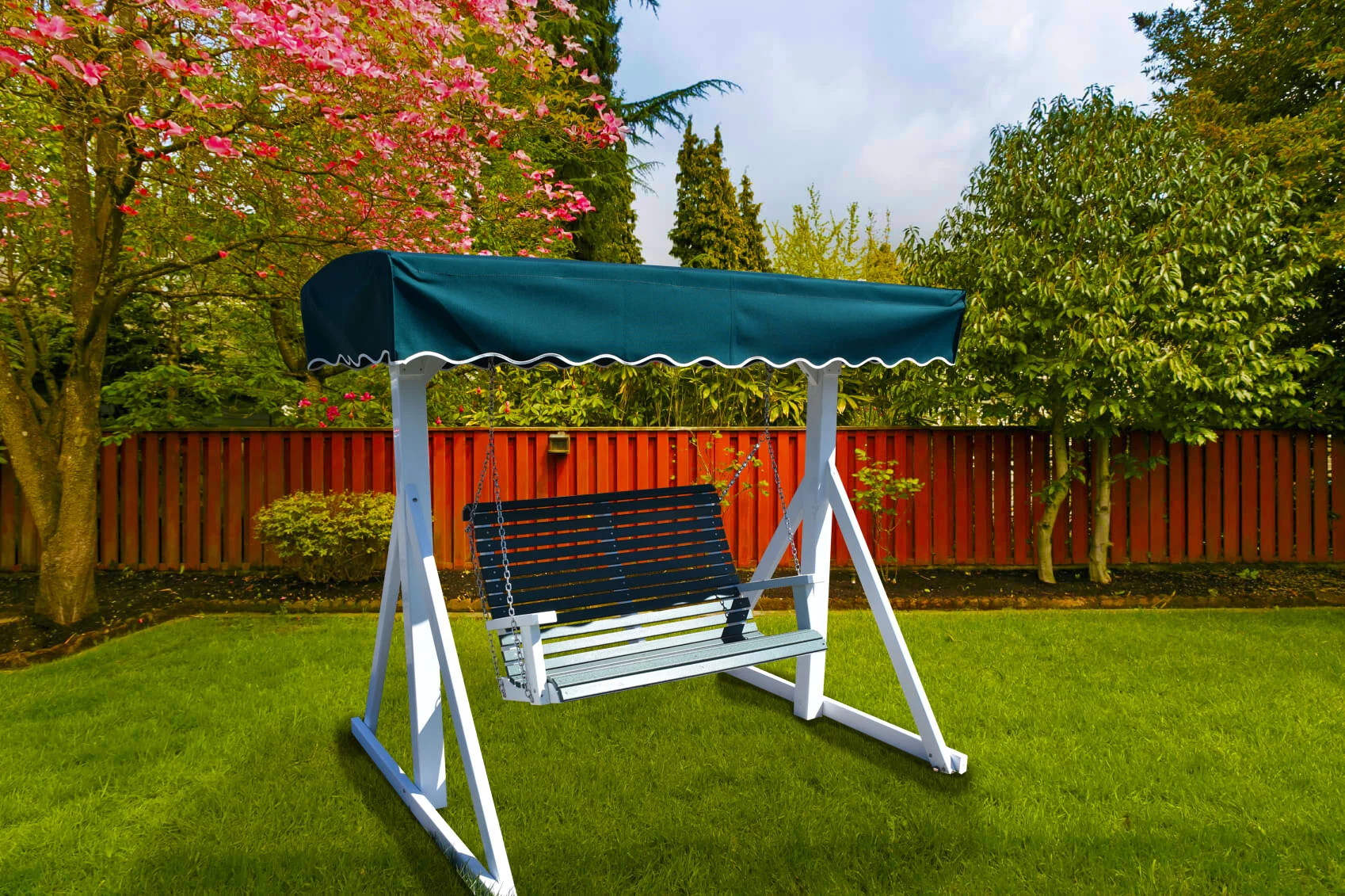
Credit: hartvilleoutdoorproducts.com
Frequently Asked Questions
Why Is Outdoor Furniture More Costly Than Indoor Furniture?
Outdoor furniture uses durable, weather-resistant materials that increase cost. It also requires special coatings to prevent damage from sun and rain. Manufacturing processes are more complex, ensuring longevity. These factors make outdoor furniture pricier compared to indoor options.
What Materials Make Outdoor Furniture Expensive?
High-quality materials like teak, aluminum, and synthetic wicker raise outdoor furniture prices. These materials resist rust, rot, and UV damage. Their durability justifies the investment as they last longer in harsh outdoor conditions.
Does Weather Resistance Affect Outdoor Furniture Price?
Yes, weather resistance significantly impacts the price. Furniture treated with protective finishes costs more due to enhanced durability. These treatments prevent fading, cracking, and corrosion, extending the furniture’s lifespan outdoors.
How Does Design Influence Outdoor Furniture Cost?
Unique designs and craftsmanship increase outdoor furniture prices. Custom or handcrafted pieces require more labor and skill. Stylish, ergonomic designs also add value, making them more expensive than basic models.
Conclusion
Outdoor furniture costs more because it needs to last longer. Good materials resist weather and stay strong over time. Crafting these pieces takes skill and time. Stores must cover shipping and storage expenses. Investing in quality saves money on repairs later.
Choosing durable furniture means enjoying your outdoor space fully. Think of it as paying for comfort and style that endures. Spending a bit more upfront brings long-term value. Quality outdoor furniture turns your yard into a cozy retreat.


