
Choosing the right paint for your outdoor furniture can make all the difference between a long-lasting finish and a quick, disappointing peel. You want your chairs, tables, and benches to look great season after season, no matter the weather.
But with so many options out there, how do you know which paint will protect your pieces and keep them looking fresh? You’ll discover exactly what kind of paint works best for outdoor furniture and why it matters. By the end, you’ll feel confident picking the perfect paint that keeps your outdoor space vibrant and inviting.
Keep reading to find out how to give your furniture the makeover it deserves.
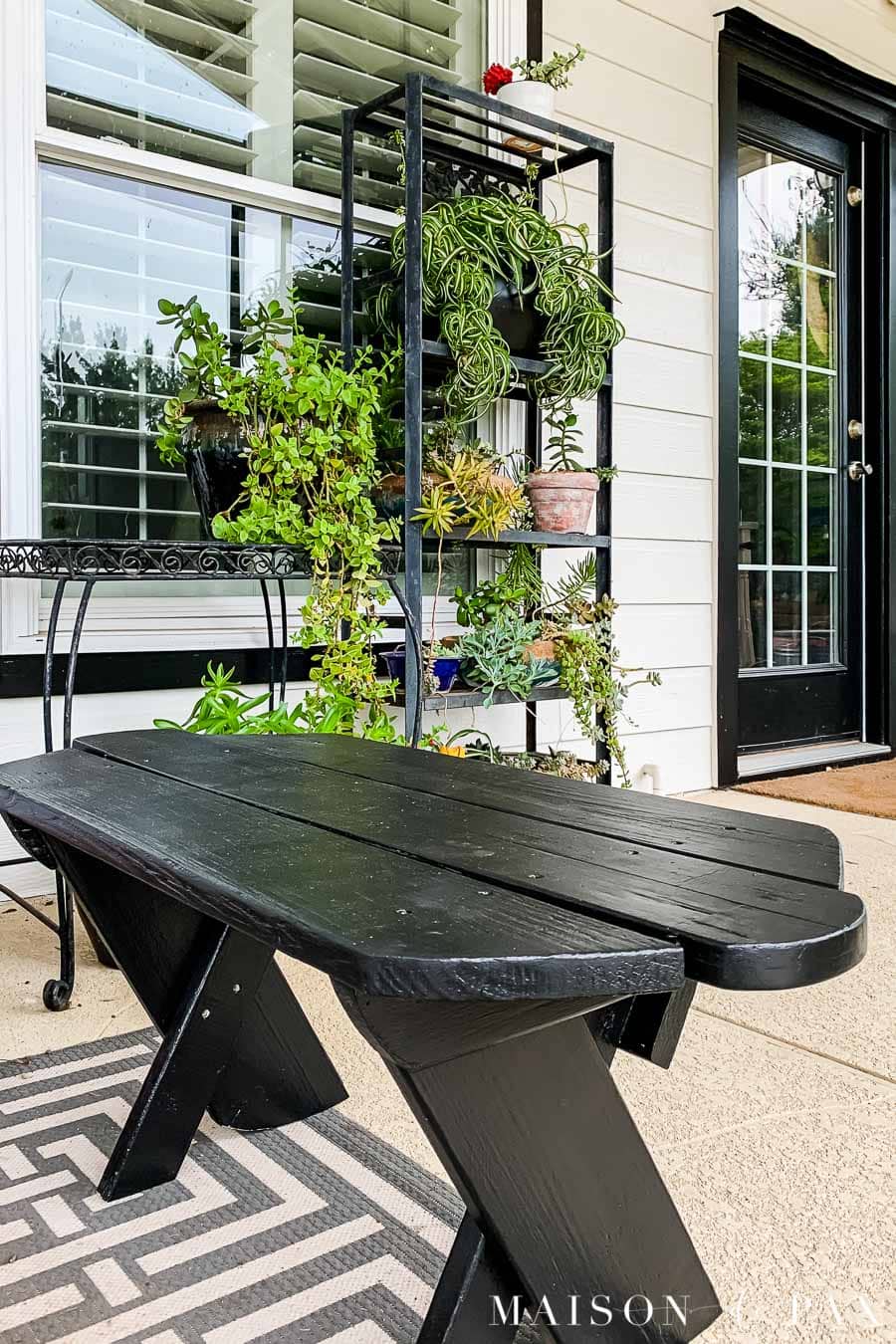
Credit: www.maisondepax.com
Choosing Outdoor Paint
Choosing the right paint for outdoor furniture is important. The right paint keeps your furniture looking fresh and lasting longer. Outdoor furniture faces rain, sun, and wind. The paint must protect and hold up well.
Different paints work better on different materials and conditions. Understanding paint types and their features helps make a good choice. This guide covers key points about outdoor paint.
Types Of Paint For Outdoor Use
Latex paint is popular for outdoor furniture. It dries fast and cleans up easily with water. It resists cracking and peeling. Oil-based paint is strong and smooth. It sticks well and lasts longer. But it takes longer to dry and needs special cleaners.
Acrylic paint is flexible and resists fading. It works well on wood and metal. Chalk paint gives a vintage look and is easy to use. It needs a protective sealant for outdoor use. Each paint type fits different styles and needs.
Factors Affecting Paint Durability
Surface preparation affects how long paint lasts. Clean and sand the furniture before painting. Moisture damages paint and wood. Use paint on dry surfaces only. Paint thickness matters. Thin coats may peel faster. Thick coats may crack if too thick.
Temperature and humidity during painting also change durability. Paint in mild, dry weather for best results. Proper drying time between coats improves strength. Quality paint and good tools help the paint last longer.
Weather Resistance And Uv Protection
Outdoor paint must handle sun, rain, and cold. UV rays fade colors and break down paint. Paint with UV protection keeps colors bright. Water-resistant paint prevents damage from rain and moisture.
Some paints have added ingredients to fight mold and mildew. These keep the furniture clean and fresh. Weather-resistant paint reduces cracking and peeling. Choose paint labeled for outdoor use to get these benefits.
Best Paints For Wood Furniture
Choosing the right paint for wood outdoor furniture is important. It protects the wood from weather and keeps furniture looking fresh. Some paints work better on wood than others. The best paints can handle sun, rain, and temperature changes. They also stick well to wood and last a long time.
Acrylic Latex Paint
Acrylic latex paint is water-based and easy to use. It dries fast and cleans up with water. This paint resists fading and cracking. It works well on wood and offers good protection against moisture. Acrylic latex paint also comes in many colors. It is a popular choice for outdoor wood furniture.
Oil-based Paint
Oil-based paint is thicker and durable. It creates a strong, protective layer on wood. This paint handles harsh weather and sunlight well. It takes longer to dry than water-based paint. Clean-up requires solvents like mineral spirits. Oil-based paint gives wood a smooth, shiny finish. It is ideal for furniture exposed to rough conditions.
Chalk Paint
Chalk paint has a matte, vintage look. It sticks well to wood without much prep. This paint is easy to distress for a rustic style. It dries quickly and feels smooth. Chalk paint needs a sealant to protect from water. It is good for decorative outdoor wood furniture. Chalk paint offers a unique finish that stands out.
Best Paints For Metal Furniture
Choosing the right paint for metal outdoor furniture is important for lasting beauty. Metal needs paint that protects against weather and rust. The paint should stick well and keep the metal safe from damage. Some paints offer extra features to help metal furniture stay strong and look good.
This section covers the best paints for metal furniture. Learn about rust-resistant options, spray paints, and powder coating. Each type has benefits to keep metal furniture fresh and durable.
Rust-resistant Paints
Rust-resistant paints prevent metal from corroding outdoors. They have special ingredients that block moisture and air. These paints help furniture last longer under rain and sun. Use rust-resistant primers before painting for extra protection. These paints come in many colors and finishes. They keep metal looking smooth and new.
Spray Paint Options
Spray paint is quick and easy for metal furniture. It reaches tight spots and creates a smooth finish. Choose spray paints made for metal with rust protection. They dry fast and resist chipping. Spray paint works well for small touch-ups or full coverage. It helps save time without losing quality.
Powder Coating Benefits
Powder coating is a strong, durable finish for metal. It uses dry powder baked on the surface. This creates a thick, hard layer that resists scratches and fading. Powder coating lasts longer than regular paint. It also protects well against weather damage. This method gives metal furniture a clean, modern look.
Best Paints For Plastic Furniture
Plastic furniture is common for outdoor spaces because it is lightweight and affordable. Painting plastic furniture can give it new life and improve its look. Choosing the right paint is important to make sure it sticks well and lasts long.
Not all paints work on plastic. Some paints peel or chip quickly on smooth surfaces. The best paints for plastic furniture are made to bond with non-porous materials and resist weather.
Specialty Plastic Paints
Specialty plastic paints are designed to stick to plastic surfaces. They contain ingredients that help the paint grip smooth plastic. These paints often come in spray cans or liquid form. Look for paint labeled “for plastic” or “plastic primer included.”
Acrylic-based and latex paints with a plastic primer also work well. They provide good coverage and dry quickly. These paints resist cracking and fading in sunlight.
Preparation Tips For Plastic
Cleaning plastic furniture before painting is key. Remove dirt, grease, and dust with soap and water. Let it dry completely.
Lightly sanding the surface helps the paint stick better. Use fine-grit sandpaper and sand evenly. Wipe away sanding dust before painting.
Apply a plastic primer if your paint does not include one. Primer improves adhesion and durability.
Durability Considerations
Outdoor plastic furniture faces sun, rain, and temperature changes. Choose paints that resist UV rays to prevent fading.
Water resistance is essential to stop peeling and blistering. Some specialty paints offer extra protection for harsh weather.
Multiple thin coats of paint give a stronger finish. Allow each coat to dry fully before applying the next.
Preparation And Priming
Proper preparation and priming are vital steps before painting outdoor furniture. They help the paint stick better and last longer. Skipping these steps can cause peeling, cracking, and fading. Preparing the surface well ensures a smooth and even finish. Priming adds a protective layer that improves paint durability. Let’s explore the key parts of this process.
Cleaning And Sanding
Start by cleaning the furniture to remove dirt and grime. Use a mild soap and water solution. Scrub gently with a soft brush or cloth. Rinse with clean water and let it dry completely.
Next, sand the surface to smooth rough spots and remove old paint. Use medium-grit sandpaper for best results. Sanding helps the primer and paint stick better. Wipe off dust with a damp cloth before priming.
Choosing The Right Primer
Select a primer made for outdoor use and your furniture material. Wood, metal, and plastic need different primers. Wood primers block stains and protect against moisture. Metal primers prevent rust and corrosion. Plastic primers improve paint adhesion on smooth surfaces.
Choose a primer labeled as weather-resistant or waterproof. This protects the furniture from rain, sun, and temperature changes. Using the correct primer extends the life of your paint job.
Priming Techniques
Apply primer evenly using a brush, roller, or spray. Thin coats dry faster and reduce drips. Cover all surfaces, including edges and corners. Allow the primer to dry fully before painting.
Lightly sand the primed surface with fine-grit sandpaper for a smooth finish. Remove dust with a clean cloth. Proper priming prevents peeling and helps paint last outdoors.
Application Tips
Applying paint to outdoor furniture needs care and the right technique. Proper application helps the paint last longer and look better. Follow these tips to get smooth, even coverage and protect your furniture from weather damage.
Brush Vs. Spray Painting
Brush painting gives you control over detailed areas. It works well on small surfaces and edges. Use a high-quality brush to avoid streaks and brush marks.
Spray painting covers large areas fast and smoothly. It creates a thin, even coat without brush lines. Spray painting works best outdoors or in a well-ventilated space.
Number Of Coats
Apply at least two coats for good coverage. The first coat may look thin or uneven. Let it dry fully before adding the second coat.
More coats add durability and deepen color. Avoid thick layers to prevent cracking or peeling. Thin, multiple coats work best for outdoor furniture.
Drying And Curing Times
Drying time is how long paint takes to feel dry. It usually takes a few hours but depends on weather and paint type.
Curing time is longer and means the paint hardens fully. Curing can take days or weeks. Avoid heavy use until paint cures to keep it strong.
Maintaining Painted Outdoor Furniture
Keeping your painted outdoor furniture in good shape takes some care. The paint protects the wood or metal from weather damage. Over time, dirt and sun can wear down the paint. Regular care helps your furniture look fresh and last longer. Simple steps like cleaning, touching up spots, and sealing the paint keep it strong.
Cleaning Painted Surfaces
Clean painted furniture gently with mild soap and water. Use a soft cloth or sponge to avoid scratches. Avoid harsh chemicals that can peel the paint. Rinse well to remove soap residue. Dry the furniture with a soft towel to stop water spots. Clean regularly to prevent dirt build-up and fading.
Touch-up Techniques
Small chips and scratches can be fixed easily. Lightly sand the damaged area to smooth it. Use paint made for outdoor furniture to match the color. Apply thin layers and let each dry fully. This keeps the surface even and prevents peeling. Touch up spots as soon as you see them to protect the furniture.
Protective Sealants
Sealants add an extra layer of protection to painted furniture. Use a clear outdoor sealant to guard against rain and sun. Apply sealant after the paint is dry. Reapply sealant every year or after heavy weather. Sealants help keep the paint bright and stop cracking. Choose water-based sealants for easy cleaning and low odor.
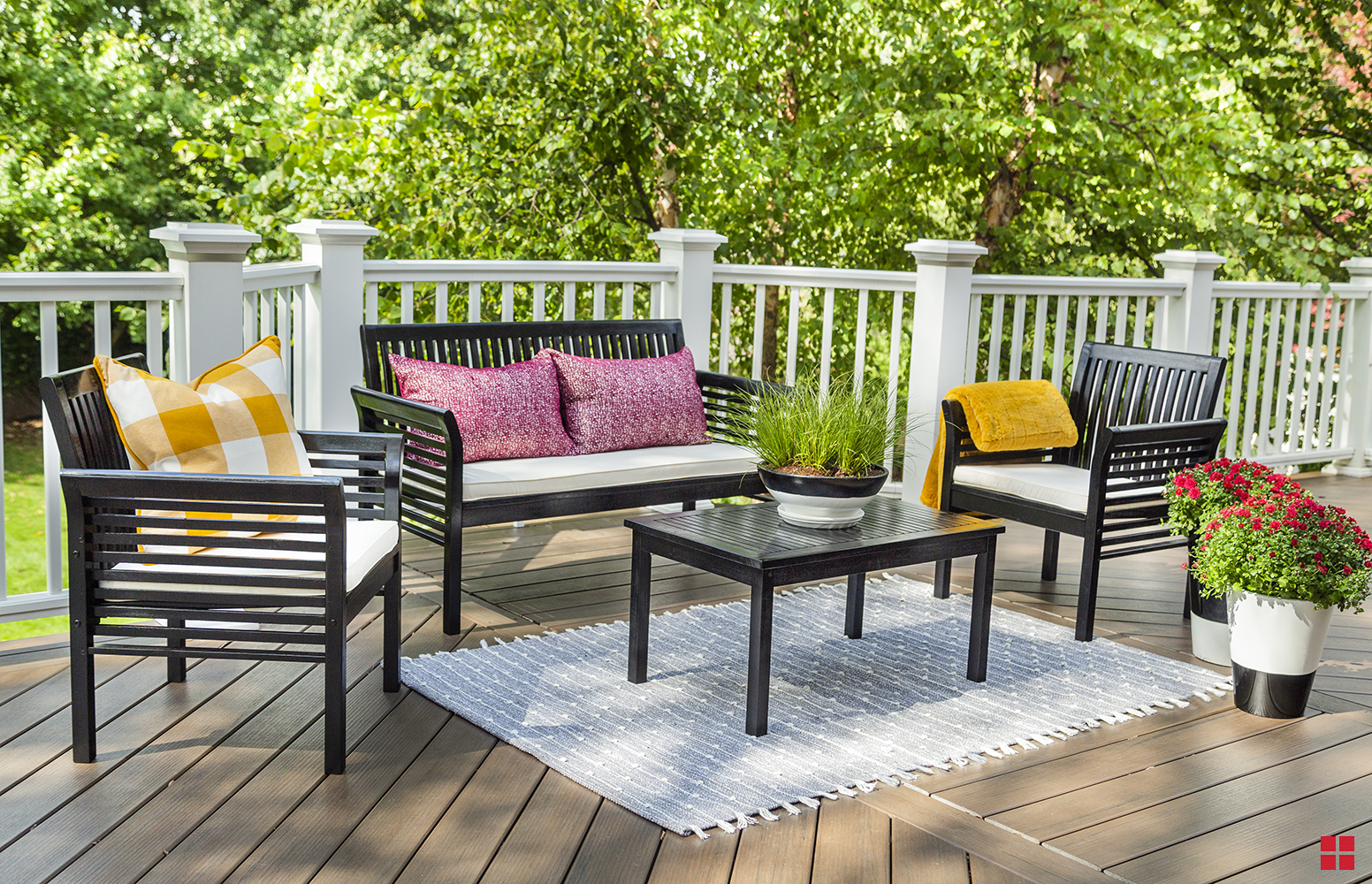
Credit: www.rustoleum.com
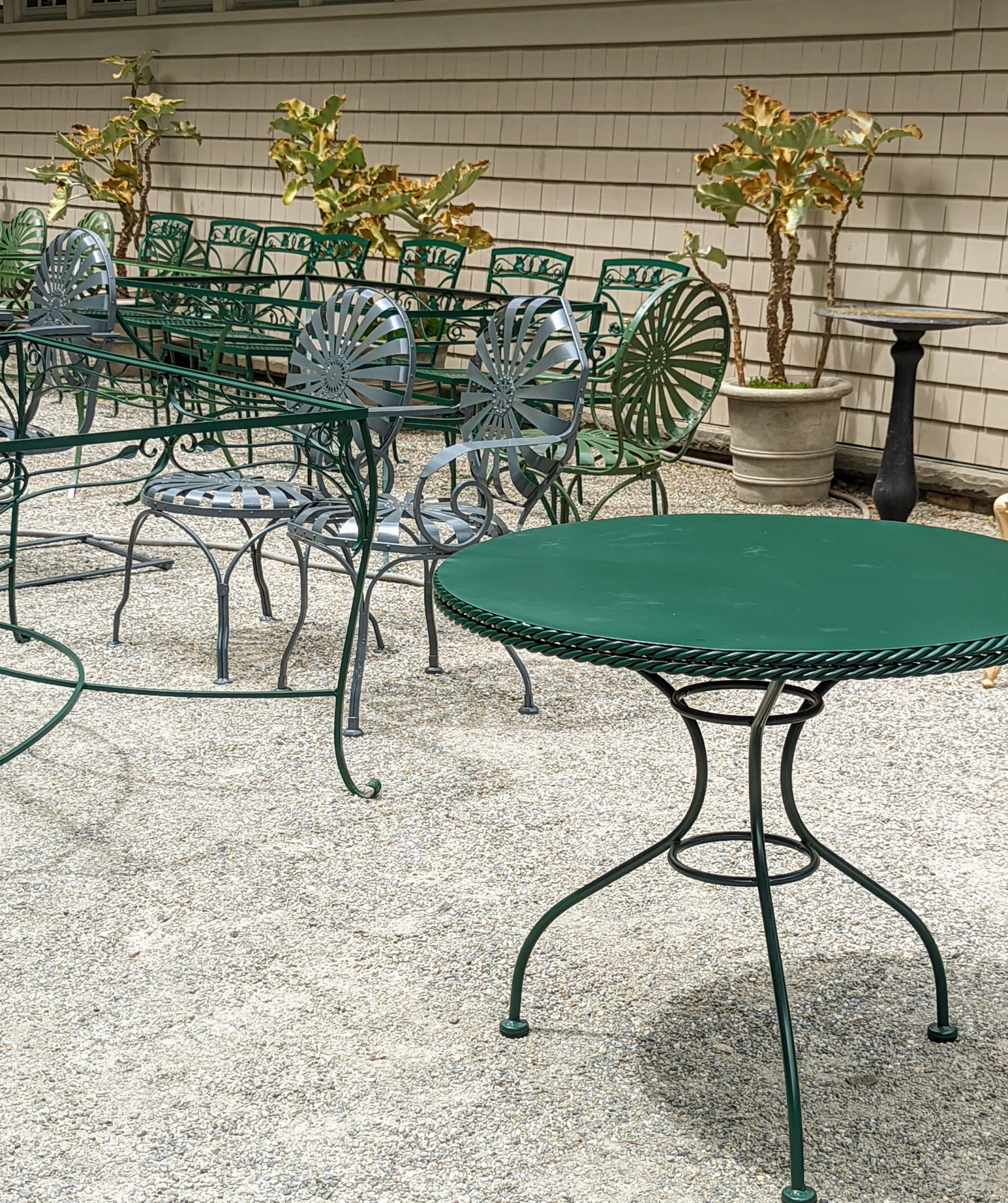
Credit: www.themarthablog.com
Frequently Asked Questions
What Type Of Paint Is Best For Outdoor Furniture?
Acrylic latex paint is best for outdoor furniture. It is water-resistant, durable, and flexible. It withstands weather changes and prevents cracking or peeling over time.
Can Spray Paint Be Used On Outdoor Furniture?
Yes, spray paint designed for outdoor use works well. It provides an even coat and dries quickly. Look for rust-resistant and UV-protected spray paints for best results.
Should Outdoor Furniture Be Primed Before Painting?
Yes, priming outdoor furniture is essential. Primer improves paint adhesion and increases durability. It also prevents moisture damage and rust, especially on metal surfaces.
How Long Does Outdoor Furniture Paint Last?
Outdoor furniture paint typically lasts 2 to 5 years. Longevity depends on paint quality, weather exposure, and surface preparation. Regular maintenance can extend the paint’s lifespan.
Conclusion
Choosing the right paint keeps outdoor furniture looking fresh and strong. Use paint made for outdoor use to fight weather damage. Pick colors that match your style and space. Prepare surfaces well before painting for best results. Regular care helps your furniture last longer and stay beautiful.
Simple steps make a big difference in outdoor furniture care. Now, enjoy your painted furniture all year round.

