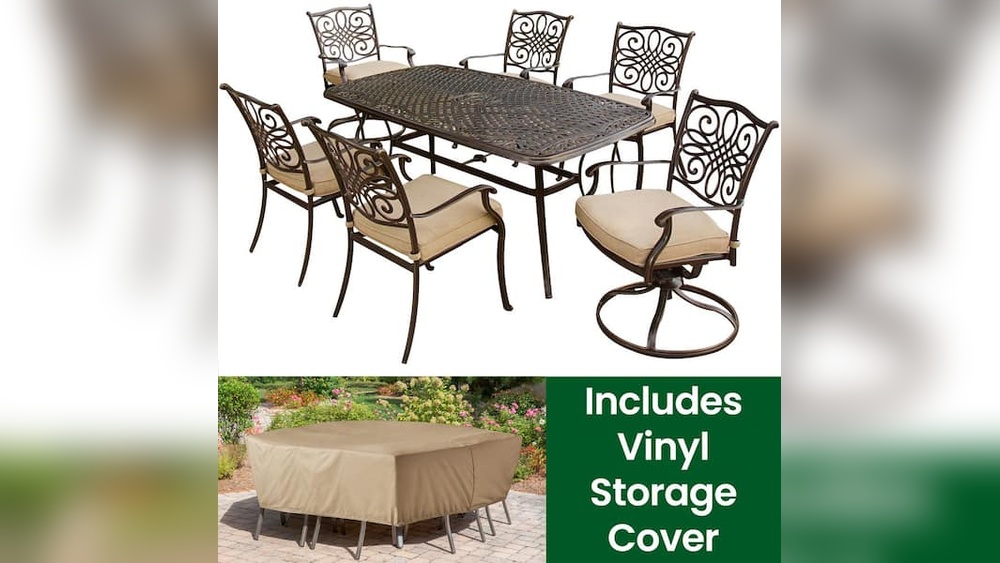
Your outdoor wood furniture adds charm and comfort to your space, but have you ever noticed how quickly those wooden legs can wear down? If you want to keep your furniture looking great and lasting longer, protecting the legs is key.
Imagine avoiding costly repairs and frustrating replacements just by taking a few simple steps. You’ll discover easy and effective ways to shield your outdoor wood furniture legs from damage, moisture, and pests. Keep reading to learn how you can extend the life of your favorite pieces and enjoy your outdoor space worry-free.

Credit: www.youtube.com
Common Threats To Wood Furniture Legs
Wood furniture legs face many challenges outdoors. These threats can weaken the wood and shorten the life of your furniture. Understanding these common dangers helps you protect and maintain your investment. Watch out for moisture, insects, sun damage, and physical wear. Each one can cause serious harm if left unchecked.
Moisture Damage
Water is a major enemy of wood. Rain, dew, and humidity cause wood to swell and warp. Constant moisture leads to rot and mold growth. These conditions weaken the wood fibers. Over time, the legs may become soft and break easily. Proper sealing and drying are crucial to prevent moisture damage.
Insect Infestation
Wood-boring insects attack outdoor furniture legs. Termites and beetles eat through the wood. Small holes and sawdust are signs of infestation. These pests can hollow out the wood from inside. This damage is often hidden until it becomes severe. Regular inspection and treatment can stop insects early.
Uv Exposure
Sunlight causes wood to fade and dry out. UV rays break down wood fibers and finish. The surface becomes dull and brittle over time. Cracks and splinters may appear on the legs. Using UV-resistant finishes helps maintain color and strength.
Physical Wear And Tear
Outdoor furniture legs face bumps and scrapes. Moving furniture or stepping on legs causes dents. Rough surfaces and gravel increase abrasion. These impacts chip the finish and damage the wood. Gentle handling and protective pads reduce physical wear.
Credit: www.youtube.com
Choosing The Right Wood For Outdoor Furniture Legs
Choosing the right wood for outdoor furniture legs matters a lot. Wood must stand strong against weather and wear. Picking the right type helps keep furniture safe and looking good. Some woods last longer outside, resisting water and bugs. Others need extra care or treatment. Understanding wood types guides you to better choices. This protects your investment and keeps your furniture sturdy.
Durable Wood Types
Teak is famous for outdoor use. It resists water, insects, and rotting. Cedar is another good choice. It smells nice and naturally fights bugs. Redwood is tough and holds up well in sun and rain. White oak is strong and resists moisture. These woods last longer outside without much damage. Choosing durable wood saves money on repairs later.
Treated Vs. Untreated Wood
Treated wood gets chemicals to resist bugs and water. It lasts longer than untreated wood. But some treatments may wear off over time. Untreated wood is natural but needs more care. Sealing or painting untreated wood adds protection. Regular maintenance keeps untreated wood safe from weather. Knowing the difference helps you pick wood that fits your needs.
Protective Coatings And Sealants
Protective coatings and sealants help keep outdoor wood furniture legs safe from damage. These products create a strong barrier against moisture, dirt, and sun. Using the right coating can make your furniture last longer and look better. It also stops wood from cracking, splitting, or rotting.
Waterproof Sealants
Waterproof sealants block water from soaking into wood. They stop rain and spills from causing damage. These sealants dry clear and keep the wood’s natural look. Apply them evenly and reapply every year for best results. Waterproof sealants help prevent swelling and warping of wood legs.
Uv-resistant Finishes
UV-resistant finishes protect wood from sun damage. They stop fading, discoloration, and drying out. These finishes contain special ingredients that absorb sunlight. This keeps the wood strong and vibrant for a long time. Use UV finishes especially if furniture stays in direct sunlight.
Eco-friendly Options
Eco-friendly sealants use natural oils and water-based formulas. They are safe for the environment and your family. These products reduce harmful chemicals and fumes. Eco-friendly options still protect wood well from water and sun. They work great for those who want green solutions for outdoor furniture.

Credit: flowyline.com
Proper Cleaning And Maintenance
Proper cleaning and maintenance keep outdoor wood furniture legs strong and looking good. Dirt, mold, and weather can damage the wood. Regular care helps stop this damage early. Simple steps can extend the life of your furniture and keep it safe from wear.
Regular Dusting And Washing
Dust can build up on wood legs and trap moisture. Use a soft cloth or brush to dust the legs often. Wash the wood with mild soap and water. Avoid harsh cleaners that hurt the wood finish. Rinse with clean water and dry the legs well after washing.
Removing Mold And Mildew
Mold and mildew appear on wood in damp places. Mix equal parts water and white vinegar for a natural cleaner. Apply the mix with a soft cloth or brush to the affected areas. Let it sit for a few minutes. Rinse the legs with clean water and dry fully to prevent mold from returning.
Sanding And Reapplying Finish
Over time, finishes wear off and wood can become rough. Lightly sand the legs with fine sandpaper to smooth the surface. Wipe off dust with a damp cloth. Apply a fresh coat of outdoor wood finish or sealant. This protects the wood from water and sun damage, keeping it strong longer.
Using Furniture Pads And Covers
Protecting outdoor wood furniture legs is important to keep them strong and good looking. Using furniture pads and covers helps stop damage from water, dirt, and rough surfaces. These tools make your furniture last longer and stay beautiful.
Benefits Of Furniture Pads
Furniture pads stop scratches and dents on wood legs. They create a soft layer between the wood and hard ground. Pads also reduce noise when moving furniture. They help prevent water damage by lifting legs off wet surfaces.
Choosing The Right Covers
Select covers that fit your furniture size well. Waterproof covers protect wood from rain and snow. Breathable fabrics prevent mold and mildew under the cover. Look for covers with secure fasteners to keep them in place on windy days.
Storage Tips During Harsh Weather
Store furniture in a dry place during winter or heavy rain. Use covers even when furniture is stored indoors to stop dust and pests. Lift furniture off the ground to avoid moisture damage. Regularly check pads and covers for wear and replace if needed.
Diy Repair Tips For Damaged Legs
Outdoor wood furniture legs often face damage from weather and use. Repairing these legs helps extend the life of your furniture. Simple DIY fixes can restore strength and look. These easy steps will guide you through repairing scratches, cracks, weak joints, and even replacing parts.
Fixing Scratches And Cracks
Start by cleaning the damaged area. Use fine sandpaper to smooth rough spots. Apply wood filler to cracks or deep scratches. Let it dry fully before sanding again. Finish with outdoor wood paint or sealant to protect the repair.
Reinforcing Weak Joints
Check for loose or wobbly legs. Use wood glue on the joints for better hold. Clamp the leg tightly until the glue dries. For extra strength, add small screws or brackets. This prevents the leg from loosening again.
Replacing Leg Components
Sometimes parts are too damaged to fix. Remove the broken leg carefully with a screwdriver or wrench. Measure and buy a matching replacement from a hardware store. Attach the new leg firmly using screws or bolts. Test stability before use.
Frequently Asked Questions
How Do I Prevent Wood Furniture Legs From Rotting?
Apply a waterproof sealant to wood legs regularly. Keep furniture elevated from wet surfaces. Clean and dry legs after rain to prevent moisture damage and rotting.
What Materials Protect Outdoor Wood Furniture Legs Best?
Use rubber or plastic leg caps to shield wood legs. These materials prevent direct contact with moisture and dirt. They also reduce wear and tear from rough surfaces.
How Often Should I Treat Wood Furniture Legs?
Treat wood legs every 6 to 12 months. Regular maintenance ensures long-lasting protection from weather damage. Always check for signs of wear before reapplying treatments.
Can I Use Paint To Protect Wood Furniture Legs?
Yes, outdoor paint adds a protective layer against moisture. Choose paint designed for exterior wood. Proper surface prep ensures better adhesion and longer-lasting protection.
Conclusion
Protecting outdoor wood furniture legs helps them last longer. Regular cleaning removes dirt and prevents damage. Applying sealant or paint blocks moisture and insects. Using furniture pads stops scratches and wear. Placing furniture on dry, even ground reduces rot risk.
Small efforts keep your furniture strong and attractive. Simple care saves money and time on repairs. Enjoy your outdoor space with well-maintained wood furniture.