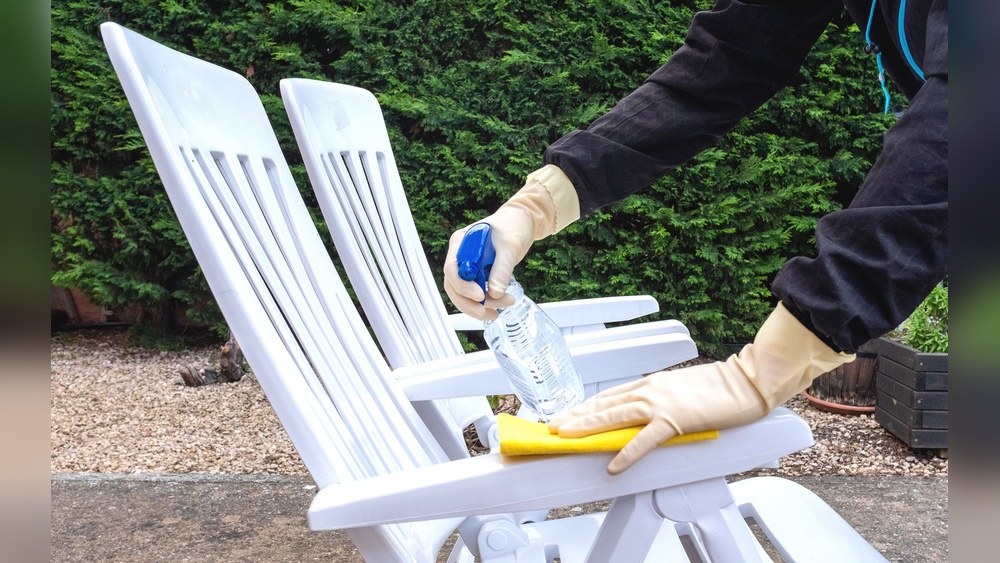
Are you looking to refresh your outdoor wicker furniture but unsure which paint will hold up against the elements? Choosing the right kind of paint is key to keeping your pieces looking great season after season.
The wrong paint can peel, crack, or fade quickly, wasting your time and money. You’ll discover exactly what type of paint works best for outdoor wicker, how to prepare your furniture for painting, and tips to make your makeover last.
Keep reading to turn your worn wicker into a stunning outdoor centerpiece you’ll love for years.
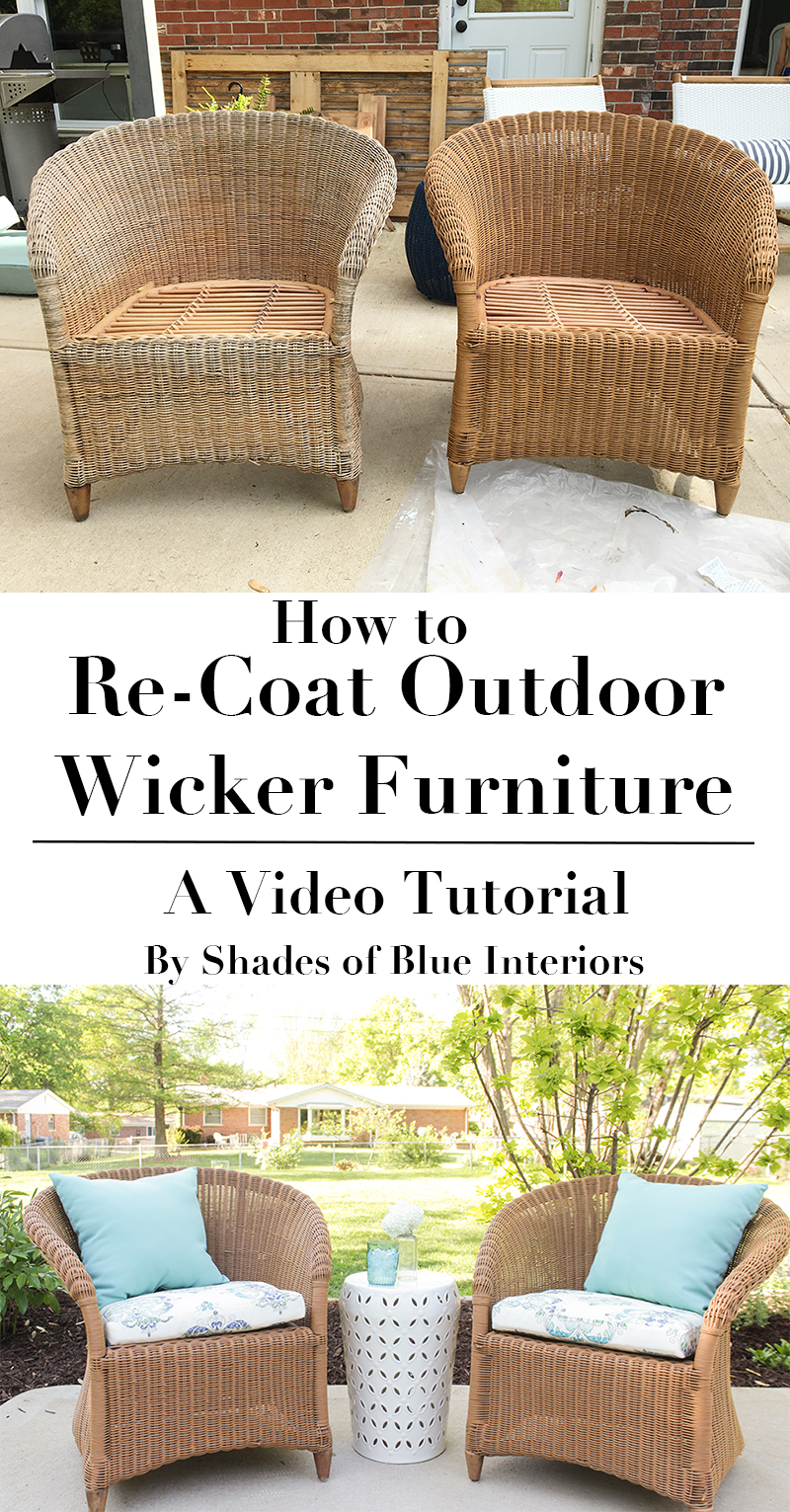
Credit: www.shadesofblueinteriors.com
Types Of Outdoor Paint
Choosing the right paint for outdoor wicker furniture is important. Different paints have unique features. Some work better in wet or sunny weather. Others stick well to wicker’s surface. Knowing paint types helps pick the best one for your furniture.
Acrylic Paint
Acrylic paint is water-based and easy to use. It dries fast and resists cracking. This paint holds up well in sunlight and rain. It keeps colors bright for a long time. Acrylic paint also cleans up easily with water.
Oil-based Paint
Oil-based paint creates a tough, smooth finish. It sticks firmly to wicker surfaces. This paint resists moisture and damage. It takes longer to dry than acrylic paint. Oil-based paint is good for heavy use furniture.
Spray Paint Options
Spray paint covers wicker evenly and quickly. It reaches into small wicker gaps. Spray paint comes in both acrylic and oil types. It dries fast and is easy to apply. Choose spray paint for a smooth, professional look.
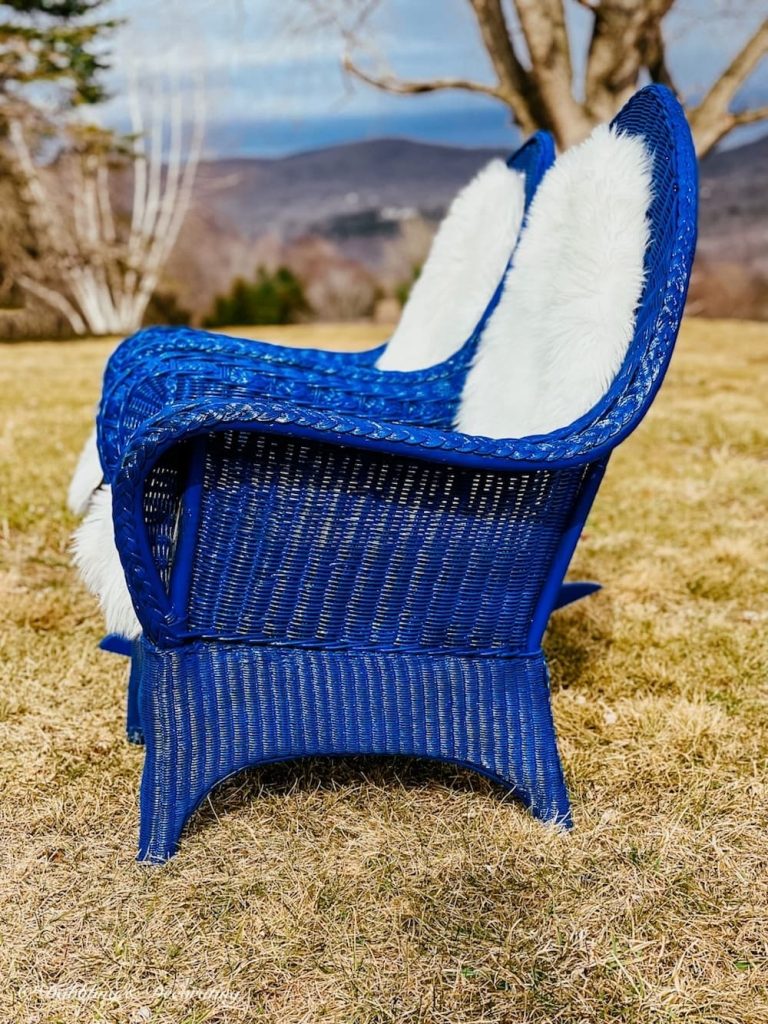
Credit: www.dabblinganddecorating.com
Preparing Wicker Furniture
Preparing wicker furniture for painting is key to a smooth, lasting finish. Proper preparation helps the paint stick well and protects the furniture from weather damage. This step saves time and effort in the long run.
Cleaning Techniques
Start by removing dirt and dust. Use a soft brush or cloth to clean the surface gently. For stubborn grime, mix mild soap with water. Wipe the furniture carefully and rinse with clean water. Let it dry completely before moving on.
Sanding Tips
Sanding smooths rough spots and old paint flakes. Use fine-grit sandpaper to avoid damage. Sand lightly in the direction of the wicker strands. Remove dust after sanding with a dry cloth or vacuum. This step creates a better surface for paint.
Priming For Durability
Apply a primer made for outdoor use. Primer helps paint stick and lasts longer. Use a brush to reach tight spots between wicker strands. Let the primer dry fully before painting. This step protects the furniture and improves paint coverage.
Choosing The Right Paint
Choosing the right paint for outdoor wicker furniture protects it and keeps it beautiful. Paint must stick well and handle outdoor conditions. The right paint improves durability and style. It also makes cleaning easier. Consider several factors before buying paint for your wicker.
Weather Resistance
Outdoor wicker faces sun, rain, and wind. Paint must resist fading, peeling, and cracking. Look for paint made for outdoor use. Waterproof and UV-resistant paints work best. They shield the wicker from moisture and sun damage. This helps the paint last longer and keeps the furniture looking fresh.
Color And Finish Choices
Choose colors that match your outdoor space. Bright colors add fun, while neutral tones blend with nature. Paint finishes vary from matte to glossy. Matte hides flaws and looks natural. Glossy finishes shine and show more detail. Pick a finish that fits your style and the furniture’s look.
Non-toxic And Eco-friendly Options
Many paints contain harmful chemicals. Non-toxic paints are safer for people and pets. Eco-friendly paints reduce pollution and waste. Water-based paints are a good choice. They dry quickly and have less odor. Selecting safe paint protects health and the environment.
Applying Paint To Wicker
Applying paint to outdoor wicker furniture needs care and patience. Wicker has many small spaces and curves. Paint must cover all areas evenly. Proper painting protects the furniture from weather damage. It also gives a fresh, new look that lasts long. Choose the right method and follow steps carefully for best results.
Brush Vs. Spray Application
Brushing is the traditional way to paint wicker. It allows control and precision. Brushes can reach inside tight spaces of the weave. Spray painting covers large areas quickly. It creates a smooth, even coat. Spraying works best for complex patterns and curves. Choose the method that fits your skill and tools.
Layering And Drying Times
Apply paint in thin, even layers. Thick layers can cause runs and uneven drying. Let each layer dry fully before adding the next. Drying times depend on paint type and weather. Patience is key for a durable finish. Multiple layers build stronger protection and richer color.
Avoiding Drips And Clumps
Use a steady hand and moderate paint amount. Too much paint causes drips and clumps. Check your work often and smooth drips immediately. Thin coats dry faster and reduce clumps. Keep the furniture flat during painting and drying. This helps prevent paint from pooling or running.
Maintaining Painted Wicker
Maintaining painted wicker furniture keeps it looking fresh and new for years. Outdoor furniture faces sun, rain, and dust. These elements can wear down the paint over time. Proper care helps protect your investment and extends the life of your wicker pieces.
Cleaning Painted Surfaces
Use a soft brush or cloth to remove dust and dirt. Avoid harsh chemicals that can damage paint. A mild soap mixed with water works well for cleaning. Rinse with clean water and dry with a soft towel. Regular cleaning prevents buildup and keeps paint bright.
Touch-up Techniques
Small chips or scratches can happen easily outdoors. Keep some matching paint on hand for quick fixes. Lightly sand the damaged area before applying paint. Use thin layers and let each dry fully. This method blends touch-ups with the original finish smoothly.
Protective Sealants
Applying a clear sealant adds a strong protective layer. Sealants guard against moisture, fading, and dirt. Choose a sealant made for outdoor use and painted surfaces. Reapply sealant every year or after heavy weather. This step helps maintain color and prevents peeling.
Common Mistakes To Avoid
Painting outdoor wicker furniture can refresh its look and protect it from damage. Mistakes in this process can cause poor results and wasted effort. Avoid common errors to keep your furniture looking great longer. Here are key mistakes to watch out for.
Skipping Preparation
Not cleaning or sanding the wicker before painting leads to bad paint adhesion. Dirt and old paint prevent the new paint from sticking well. Always clean the furniture thoroughly. Lightly sand rough spots to create a smooth surface. Proper prep work ensures a lasting finish.
Using Indoor Paint Outdoors
Indoor paint cannot handle sun, rain, or temperature changes. It can peel, crack, or fade quickly outside. Use paint made specifically for outdoor use. Outdoor paint is designed to resist moisture and UV rays. Choosing the right paint protects your wicker furniture longer.
Ignoring Weather Conditions
Painting on very hot, cold, or humid days harms the paint’s drying process. Too much heat causes paint to dry too fast and crack. Cold slows drying and affects adhesion. High humidity can cause bubbling or poor drying. Choose a dry day with mild temperatures for painting.
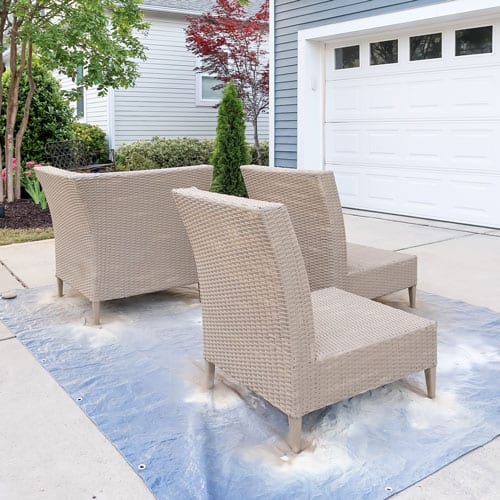
Credit: porchdaydreamer.com
Frequently Asked Questions
What Is The Best Paint For Outdoor Wicker Furniture?
Acrylic latex paint is ideal for outdoor wicker. It is durable, flexible, and resists cracking. It also withstands moisture and UV rays well, preserving the wicker’s appearance.
Can Spray Paint Be Used On Wicker Furniture?
Yes, spray paint works well on wicker. It provides even coverage and reaches tight spaces. Use spray paint designed for outdoor use for best durability and finish.
How To Prepare Wicker Furniture Before Painting?
Clean the wicker thoroughly with mild soap and water. Let it dry completely. Lightly sand rough areas to help paint adhere better and ensure a smooth finish.
Is Oil-based Paint Suitable For Outdoor Wicker?
Oil-based paint is less flexible and may crack on wicker. It’s not recommended for outdoor wicker furniture due to poor weather resistance compared to acrylic latex paint.
Conclusion
Choosing the right paint protects your outdoor wicker furniture well. Use paint made for outdoor use and flexible surfaces. This keeps the wicker strong and bright for longer. Clean and dry the furniture before painting. A good paint job saves time and money later.
Enjoy your fresh, colorful furniture in any weather. Simple steps make your wicker look great again. Keep your outdoor space cozy and inviting.