Are you struggling to get the perfect sound from your bookshelf speakers? One simple change could make all the difference: the height at which you place them.
Setting your speakers at the right height isn’t just about looks—it directly impacts the quality of your music and movie experience. You’ll discover exactly where to position your bookshelf speakers to enjoy clear, balanced sound every time. Keep reading to unlock the secret to better audio in your own space.
Credit: www.audiosciencereview.com
Ideal Speaker Height
Choosing the right height for your bookshelf speakers is key for clear sound. The speaker’s height affects how you hear the music or movies. Proper height makes the sound more natural and balanced. Setting the speakers too high or too low can cause poor audio quality and listener fatigue.
Think about your usual listening spot. Your ears should face the main speakers directly. This helps you catch every detail in the sound. Perfect height depends on where you sit and stand in the room.
Ear Level Positioning
The best position for bookshelf speakers is at your ear level. Your ears and the speaker tweeters should be aligned. This gives you clear and direct sound. Sound travels best when it reaches your ears straight on.
If the speakers are too low, the sound feels muffled. Too high, and the sound can seem distant. Keep speakers at the same height as your ears when seated. This setup works for music and movie watching.
Seated Vs Standing Listening
Think about how you listen most. If you sit, place speakers at seated ear height. For standing listening, raise the speakers higher. Adjusting height for your main position improves sound quality.
Sometimes, rooms have mixed listening spots. You can use stands or shelves to find a middle ground. Try small height changes and listen closely. Find the height that sounds best to you.

Credit: www.audioaffair.co.uk
Types Of Bookshelf Speakers
Bookshelf speakers come in different types. Each type has unique features. These features affect sound quality and placement. Knowing the types helps you choose the right height for your speakers.
Two main types of bookshelf speakers are front-firing and rear-firing. They differ by how they release sound into the room. Understanding these differences improves your listening experience.
Front-firing Vs Rear-firing
Front-firing speakers send sound directly from the front. This design offers clear and focused audio. They work well placed on shelves or stands at ear level. Sound travels straight to the listener without much reflection.
Rear-firing speakers release bass sounds from the back. They need some space behind for proper airflow. This design enhances bass but can cause sound reflections. Placement a few inches away from walls helps reduce echo.
Port Placement Impact
Port placement affects speaker performance and placement options. Front-ported speakers have bass ports on the front panel. They can sit flush against walls without losing bass quality.
Rear-ported speakers need space behind for the bass to breathe. Placing them too close to walls muffles bass response. Keep a few inches of clearance for best sound.
Consider port placement when deciding speaker height and position. Proper placement ensures balanced sound and clear bass.
Room Layout And Acoustics
Room layout and acoustics play a big role in setting the right height for bookshelf speakers. The size and shape of your room affect how sound travels and reflects. Positioning speakers without thinking about room features can cause poor sound quality. Understanding how walls and furniture influence sound helps place speakers at the best height for clear audio.
Wall Reflections
Walls reflect sound waves, changing how you hear music or voices. Speakers too close to walls can cause echoes or muffled sounds. Reflections can make bass sound louder or treble harsh. Positioning speakers at ear level, slightly away from walls, often improves clarity. Experiment with distance from walls to reduce unwanted echoes and get balanced sound.
Furniture Influence
Furniture affects how sound moves in a room. Sofas, shelves, and curtains can absorb or block sound waves. Soft furniture usually reduces echo, making sound softer. Hard surfaces reflect sound, sometimes causing distortion. Place speakers so furniture does not block the sound path. Keep speakers at a height that allows sound to flow freely around furniture.
Placement Techniques
Proper placement techniques help bookshelf speakers deliver clear and balanced sound. Positioning affects how well you hear highs, mids, and lows. Small changes can improve your listening experience. Focus on the height and the space around the speakers for best results.
Using Stands Vs Shelves
Speaker stands lift bookshelf speakers to ear level. This positioning lets sound travel directly to your ears. Stands reduce vibrations from furniture. They also create space around speakers, which improves sound quality.
Shelves offer a simple place for speakers but may block sound. Sometimes, shelves sit too low or too high. Hard surfaces can cause unwanted echoes. Adding pads or isolation feet can reduce these effects. Stands usually perform better for clear sound.
Distance From Walls
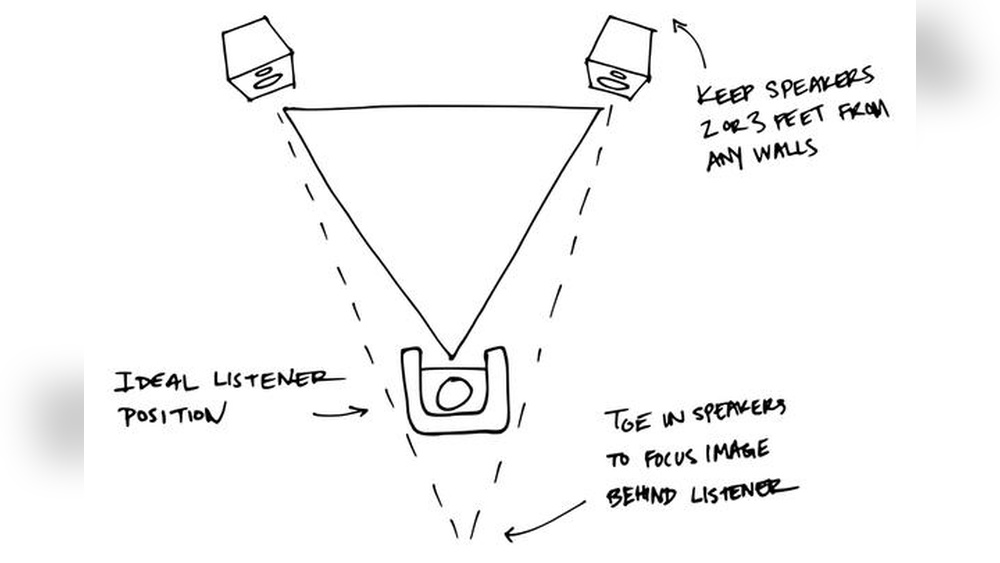
Keep speakers a few inches away from walls. Walls reflect sound waves and can cause bass to become boomy. Too close to a wall, bass may overpower other frequencies. Too far, and bass may sound thin. Find a balance by moving speakers slightly forward or backward.
Side walls also affect sound. Avoid placing speakers too close to side walls to reduce echo. Proper distance helps create a natural soundstage. Experiment with placement to find the best spot in your room.
Tweeter Alignment
Tweeter alignment plays a key role in bookshelf speaker setup. The tweeter is the small speaker that handles high sounds. Its position affects sound clarity and direction. Proper alignment ensures you hear clear, sharp highs without strain. Let’s explore why tweeter height matters and how angle adjustments improve sound.
Tweeter Height Importance
The tweeter should be at ear level when you sit. This position lets high frequencies travel directly to your ears. If too low or too high, sounds may feel dull or harsh. Proper height helps balance treble with other sounds. Your listening experience becomes more natural and clear.
Angle And Tilt Adjustments
Tweeters often need slight tilting toward the listener. This change focuses sound waves and improves detail. Small angle shifts can reduce harshness and brighten audio. Try tilting the speaker up or down for the best sound. Adjustments depend on speaker placement and room shape.
Common Placement Mistakes
Placing bookshelf speakers sounds easy. Yet, many make mistakes that harm sound quality. These errors stop speakers from delivering clear, rich audio. Knowing common mistakes helps avoid them and improves your listening experience.
Too High Or Too Low
Speakers placed too high or too low cause poor sound. Sound waves may miss your ears or bounce oddly. Keep tweeters near ear level for best clarity. Avoid placing speakers on the floor or too close to the ceiling.
Obstructed Sound Path
Objects blocking speakers reduce sound quality. Walls, furniture, or decorations can muffle or distort sound. Clear the area in front of speakers for open sound. Make sure nothing blocks the speakers’ direct path to your ears.
Fine-tuning Speaker Height
Fine-tuning the height of bookshelf speakers is key to clear sound. The right height helps voices and instruments sound natural. Small changes can make a big difference in your listening experience.
Finding the perfect height depends on many things. Your ear level, speaker size, and room setup all affect sound quality. Adjusting speaker height gives you control over the sound stage and detail.
Listening Tests
Start by placing speakers at ear level while sitting. Play familiar music or movies. Listen closely to voices and instruments. Are sounds clear and balanced? Move the speakers slightly up or down. Notice changes in clarity and bass response. Choose the height where sound feels most natural.
Adjusting For Room Variations
Every room changes how sound travels. Hard floors reflect sound, soft furniture absorbs it. Try raising speakers above ear level if sounds feel muffled. Lower them if treble is too sharp. Use small steps to find balance. Room shape and speaker placement affect height choices. Test different heights to match your space.

Credit: elac.com
Frequently Asked Questions
What Is The Ideal Height For Bookshelf Speakers?
Bookshelf speakers should be at ear level when seated. This height ensures clear sound and balanced audio experience. Adjust speaker stands or shelves to match your listening position for best results.
How Does Speaker Height Affect Sound Quality?
Speaker height impacts sound clarity and imaging. Proper height aligns tweeters with ears, enhancing detail and reducing distortion. Incorrect height causes muffled or uneven sound, diminishing listening enjoyment.
Should Bookshelf Speakers Be Placed On Stands Or Shelves?
Using stands is ideal for correct height and isolation. Shelves can work if they position speakers at ear level and reduce vibrations. Avoid placing speakers too low or directly on furniture.
Can Speaker Height Improve Bass Performance?
Height mainly affects mid and high frequencies, not bass. Bass relies on room placement and speaker design. However, correct height helps overall sound balance and clarity, improving listening experience.
Conclusion
Place bookshelf speakers near ear level for the best sound. This height helps you hear clear and balanced audio. Avoid putting speakers too high or too low. Keep them at about sitting ear height when enjoying music or movies. Small adjustments can improve sound quality a lot.
Remember, proper placement makes your speakers perform well. Try different heights and trust your ears. Good sound depends on speaker height and room setup. Enjoy clearer music and better sound with the right speaker height.
