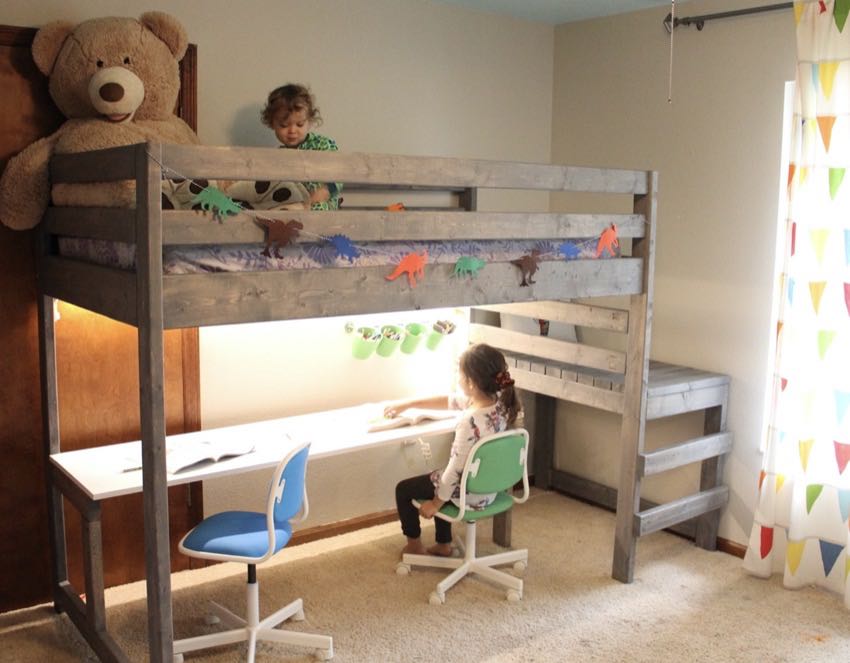
Are you looking to save space and create a cool, functional area in your room? Building a bunk bed with a desk underneath might be the perfect solution for you.
Imagine having a comfortable bed up top and a dedicated workspace right below it—saving floor space and keeping everything organized. In this guide, you’ll learn simple steps to build your own bunk bed with a desk, even if you’re new to DIY projects.
By the end, you’ll have a smart, stylish setup that fits your needs perfectly. Ready to transform your room and boost your productivity? Let’s get started!
Credit: www.protoolreviews.com
Materials And Tools Needed
Building a bunk bed with a desk underneath needs the right materials and tools. This helps the project go smoothly and safely. You can create a strong, useful piece of furniture by preparing well.
Focus on quality materials for durability. Choose tools that make your work easier. The list below covers all essentials to start building your bunk bed with desk.
Wood And Boards
Use solid wood like pine or oak for strength. Plywood sheets work well for the desk surface and bed panels. Make sure the wood is smooth and free of cracks.
Fasteners And Hardware
Buy screws, bolts, and brackets for secure joints. Use wood glue to add extra strength. Get corner braces to stabilize the frame and drawer slides if adding storage.
Tools Required
Prepare a drill with drill bits for holes and screws. A saw, like a circular or handsaw, cuts wood pieces. Sandpaper or an electric sander smooths edges and surfaces. A measuring tape and pencil help with precise cuts. Have a level to check balance and alignment.
Safety Equipment
Wear safety glasses to protect your eyes. Use gloves to avoid splinters and cuts. Ear protection helps when using loud power tools. A dust mask keeps you safe from wood dust.
Choosing The Right Design
Choosing the right design for a bunk bed with a desk underneath is essential. It affects comfort, space use, and safety. A good design fits the room well and meets daily needs. Think about how you plan to use the desk and bed. The design should make both easy to access and use. Consider the room size, desk size, and safety features carefully. This helps create a practical and cozy space for work and rest.
Space Considerations
Measure the room carefully before choosing a design. Make sure the bunk bed fits without crowding the space. Leave enough room to move around freely. Check the ceiling height to allow enough space above the top bunk. Consider doors and windows to avoid blocking them. Think about future needs if the space changes or grows. Choose a design that uses vertical space well to save floor area.
Desk Size And Layout
Select a desk size that suits the user’s needs. It should be big enough for books, a laptop, and supplies. The desk layout matters for comfort and productivity. Look for designs with shelves or drawers for extra storage. Make sure the desk height fits the chair and user. A well-planned layout helps keep the workspace tidy and organized. Simple designs often work best for small spaces.
Safety Features
Safety is a top priority in bunk bed design. Check that guardrails are high and strong on the top bunk. The ladder should be sturdy and easy to climb. Avoid sharp edges or small gaps that can cause injuries. Use non-toxic materials and finishes for health safety. Ensure the bed and desk are securely assembled and stable. Safety features protect users and give peace of mind.
Preparing The Workspace
Preparing the workspace is the first key step in building a bunk bed with a desk underneath. A clean, organized area helps work move faster and safer. It also keeps tools and materials easy to find. Taking time to set up well saves frustration later.
Clear out a large space to work in. The area should be flat and free of clutter. Good lighting helps you see details clearly. Make sure there is enough room to move around and handle big wood pieces.
Gather All Necessary Tools And Materials
Collect every tool and material before starting. This includes screws, wood boards, drills, and measuring tape. Having everything close saves time. Check that tools work well and are safe to use. Prepare a container or box to hold small items like screws and nails.
Set Up A Stable Work Surface
Use a strong table or workbench. The surface must hold the wood steady. Avoid working on uneven or weak surfaces. Secure the wood pieces with clamps to stop movement. This makes cutting and drilling safer and more accurate.
Organize Safety Gear
Safety is very important. Prepare gloves, safety glasses, and ear protection. Keep them within easy reach. Wear proper clothes that fit well and cover your skin. Avoid loose sleeves or jewelry. Safety gear protects you from dust, splinters, and loud noise.
Building The Bunk Bed Frame
Building the bunk bed frame is the first step to creating a strong and safe bed. This frame holds everything together. It needs to be sturdy enough to support the weight of the bed and the desk underneath. Careful planning and precise work make the frame last for years.
Cutting The Wood
Start by measuring the wood pieces carefully. Use a saw to cut the wood to the right size. Cut the vertical posts, side rails, and desk supports. Make sure each piece is smooth and even. Sand the edges to avoid splinters. Accurate cuts make assembly easier and the frame stronger.
Assembling The Frame
Lay out all the cut pieces on a flat surface. Attach the vertical posts to the side rails using screws and brackets. Check that the corners form right angles. Tighten screws to keep the frame solid. Add the desk supports between the posts. This step builds the basic shape of the bunk bed and desk.
Adding Support Slats
Place the support slats across the frame where the mattress will rest. Space the slats evenly to hold weight well. Screw each slat securely to the side rails. These slats prevent the mattress from sagging. They increase the bed’s durability and comfort. Proper support keeps the bed safe for use.
Constructing The Desk Section
Constructing the desk section under a bunk bed requires careful planning. It must be sturdy and fit well. The desk should provide enough space to work comfortably. Follow simple steps to build a functional desk area.
Focus on making a strong surface and attaching it securely. Think about adding storage to keep the desk neat. Each part is important for a good result.
Desk Surface Assembly
Start with a smooth, flat board for the desk surface. Cut the wood to fit the space under the bunk bed. Sand the edges to avoid rough spots. Use wood glue and screws to join boards if needed. Check that the surface is level and sturdy. This will be the main workspace.
Attaching Desk To Frame
Secure the desk surface to the bunk bed frame. Use strong brackets or metal L-brackets for support. Attach the brackets to both the desk and bed frame. Make sure the desk does not wobble or move. Double-check all screws are tight. Stability is key for safety and comfort.
Incorporating Storage
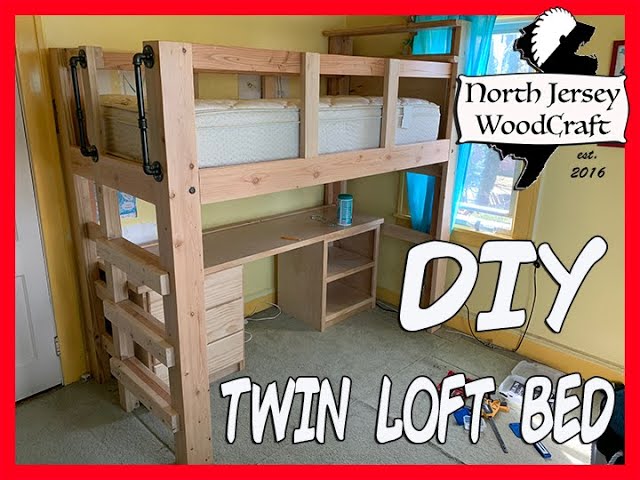
Add shelves or drawers under or beside the desk. Use simple wooden boxes or pre-made drawer units. Attach storage units firmly to prevent shifting. Keep items organized to save desk space. Storage helps maintain a clean and tidy workspace. Choose sizes that fit well in the available space.
Credit: www.youtube.com
Finishing Touches
After building the bunk bed with the desk underneath, the final steps are very important. These finishing touches make the bed safe, strong, and nice to look at. Taking time to complete these steps helps ensure the bed lasts long and works well.
Sanding And Painting
Start by sanding all wooden surfaces smoothly. Sanding removes rough edges and splinters. It helps paint or finish stick better. Use fine-grit sandpaper for a soft finish. After sanding, clean dust with a dry cloth. Choose paint or stain that fits your room style. Apply paint in thin, even coats. Let each coat dry fully before adding another. Painting protects wood from damage and gives a fresh look.
Installing Safety Rails
Safety rails prevent falls from the top bunk. Measure the sides carefully for proper fit. Use strong screws and brackets to fix rails firmly. Check that rails cover the full length of the bed. The rails should be high enough to stop rolling off. Make sure no gaps are big enough to trap fingers. Test the rails by applying pressure to confirm strength.
Adding Ladder
Choose a ladder that matches the bed size. Position the ladder where it is easy to climb. Attach the ladder securely with screws. Check that the ladder steps are wide and strong. Space the steps evenly for comfortable climbing. Test the ladder for stability before use. A safe ladder makes using the bunk bed easy and secure.
Tips For Maintenance And Safety
Maintaining a bunk bed with a desk underneath is key for safety and durability. Regular checks keep the bed strong and the workspace safe. Simple habits help avoid accidents and extend the life of your furniture.
Follow these tips to keep the bunk bed and desk in top shape. Small efforts make a big difference in safety and comfort.
Inspect Joints And Screws Frequently
Check all screws, bolts, and joints at least once a month. Tighten any loose parts to prevent wobbling. Loose joints can cause the bed to become unsafe quickly.
Use Quality Materials For Repairs
Use strong screws and bolts made for furniture. Avoid cheap or worn-out parts. Quality materials keep the bunk bed stable and safe for long use.
Keep The Area Clean And Clutter-free
Clear the desk and floor beneath the bunk bed regularly. Dust and clutter can cause slips or falls. A clean space also helps spot any damage early.
Check Weight Limits And Usage
Follow the manufacturer’s weight limits for the bed. Avoid jumping or rough play on the bunk bed. Proper use prevents damage and accidents.
Secure The Ladder Properly
Make sure the ladder is firmly attached and stable. Check it often for wear or loose parts. A secure ladder prevents falls and injuries.
Use Guardrails For Added Safety
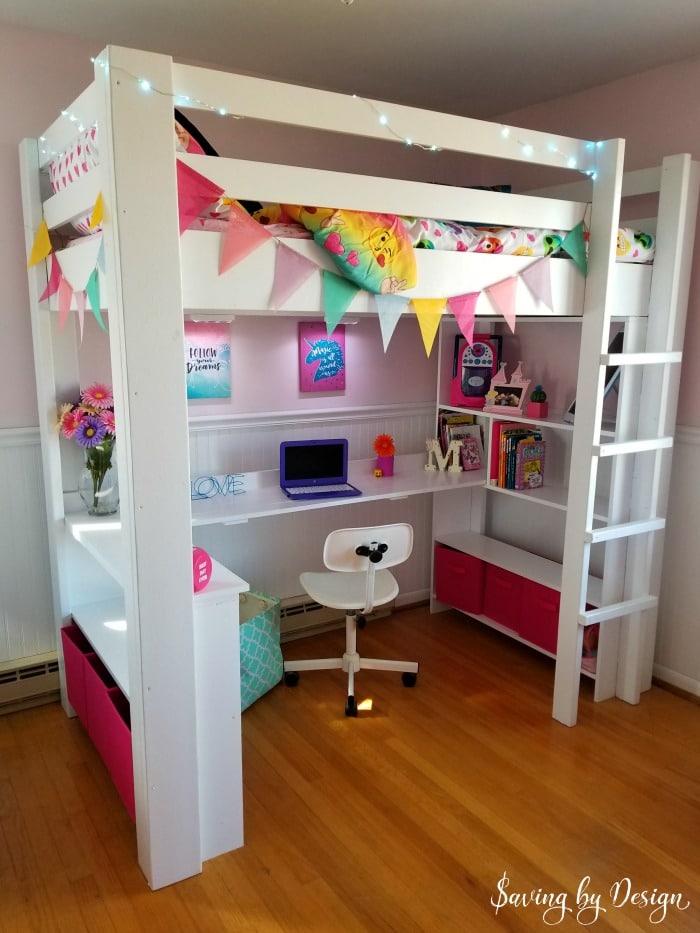
Install guardrails on all sides of the top bunk. Guardrails stop accidental falls during sleep. Ensure the rails are high and strong enough.
Credit: kdfoundation.org
Frequently Asked Questions
What Materials Are Needed To Build A Bunk Bed With Desk?
You need wood planks, screws, brackets, a drill, sandpaper, and paint. Choose sturdy, high-quality wood for safety and durability. Also, gather tools like a saw and measuring tape for precise cuts and assembly.
How Much Space Is Required For A Bunk Bed With Desk?
Allow at least 7 feet in height and 6 feet in length. Ensure enough clearance around the bed for comfort and desk use. Measure your room carefully before building to avoid overcrowding.
Can I Customize The Desk Size Under The Bunk Bed?
Yes, you can adjust the desk width and depth to fit your needs. Customize based on available space and intended use. Make sure the desk height allows comfortable seating and legroom.
Is It Safe To Build A Bunk Bed With A Desk Underneath?
Yes, if you use quality materials and follow safety guidelines. Secure all joints tightly and add guardrails on the top bunk. Regularly inspect the bed for wear or loose parts.
Conclusion
Building a bunk bed with a desk underneath saves space and adds function. The process is simple with the right tools and steps. Measure carefully to fit your room perfectly. Choose strong materials for safety and durability. Take your time assembling each part correctly.
Enjoy a cozy bed and a handy workspace in one. This project suits kids, teens, or even small apartments. Try it yourself and see how much space you can save. A smart, practical solution for any room.