Are you worried about your bookshelf tipping over but don’t want to drill holes in your walls? You’re not alone.
Keeping your bookshelf stable is important for safety and protecting your favorite books and decor. Luckily, there are simple and effective ways to anchor your bookshelf without using a drill. You’ll discover easy methods to secure your bookshelf quickly, safely, and without damaging your walls.
Keep reading—you’ll find solutions that work for any space, no matter your experience or tools.
Why Anchor A Bookshelf
Anchoring a bookshelf keeps it stable and safe. Bookshelves can fall over easily. This can cause damage or injuries. Securing the shelf is important for safety and protection.
Preventing Tipping Hazards
Bookshelves can tip over if bumped or overloaded. Children and pets can accidentally push them. Anchoring stops the shelf from falling forward. This reduces the risk of accidents in your home.
Protecting Walls And Furniture
Unsecured bookshelves can scratch or dent walls. They may also damage nearby furniture when they move. Anchoring keeps the shelf steady and in place. This helps protect your walls and other items.

Credit: www.reddit.com
Common Challenges Without Drilling
Anchoring a bookshelf without drilling has its challenges. Many people want to avoid wall damage but still need a stable setup. Finding the right method can be tricky. Several factors make this task harder than it seems. Understanding these common issues helps to choose the best solution.
Wall Material Limitations
Not all walls support adhesive hooks or straps well. Smooth surfaces like glass or tile offer little grip. Textured or painted walls may peel or crack. Drywall without studs is weak and cannot hold heavy loads. Each wall type limits what anchoring options will work safely.
Weight And Stability Concerns
Bookshelves can be heavy, especially when full. Without drilling, anchors may fail under too much weight. Leaning or tipping becomes a risk, causing accidents. Stability depends on both the anchor and the shelf design. Careful weight distribution and secure fastening are essential.
Adhesive Options For Anchoring
Anchoring a bookshelf without drilling is possible using strong adhesives. These options keep your shelves stable and protect your walls. Adhesives work well for light to medium loads and avoid damage from screws or nails.
Choose the right adhesive based on your shelf size and wall surface. Clean the surface before applying any adhesive for better hold. Let’s explore some common adhesive options that can secure your bookshelf safely.
Using Double-sided Tape
Double-sided tape is simple and quick to use. It sticks both to the wall and the bookshelf base. This tape works best on smooth, clean surfaces.
Look for heavy-duty tape designed to hold weight. Press the tape firmly for a strong bond. It is ideal for small shelves with light items.
Velcro Strips And Mounting Squares
Velcro strips provide a removable and reusable option. Attach one side to the wall and the other to the shelf. You can take the shelf down without damage.
Mounting squares offer similar benefits and come in different sizes. Both work well on flat surfaces and help prevent shelf tipping. Choose strips or squares rated for your shelf’s weight.
Heavy-duty Adhesive Pads
Heavy-duty adhesive pads deliver strong, long-lasting support. They often use industrial-strength glue for a firm grip. These pads suit heavier shelves or those holding many items.
Apply pads evenly under the shelf base. Hold in place until the glue sets. Avoid moving the shelf during this time for best results.

Credit: www.ravecommercial.com
Non-damaging Brackets And Straps
Anchoring a bookshelf without drilling keeps walls safe and intact. Non-damaging brackets and straps offer strong support without holes. These tools help prevent tipping and keep shelves stable. They work well for renters and anyone avoiding permanent changes. Easy to install and remove, they protect both furniture and walls.
Tension Rods For Support
Tension rods fit between the floor and ceiling. They create pressure that holds bookshelves upright. No screws or nails are needed for setup. Just adjust the rod length to fit your space. Ideal for light to medium shelves in small rooms. They provide steady support without damaging surfaces.
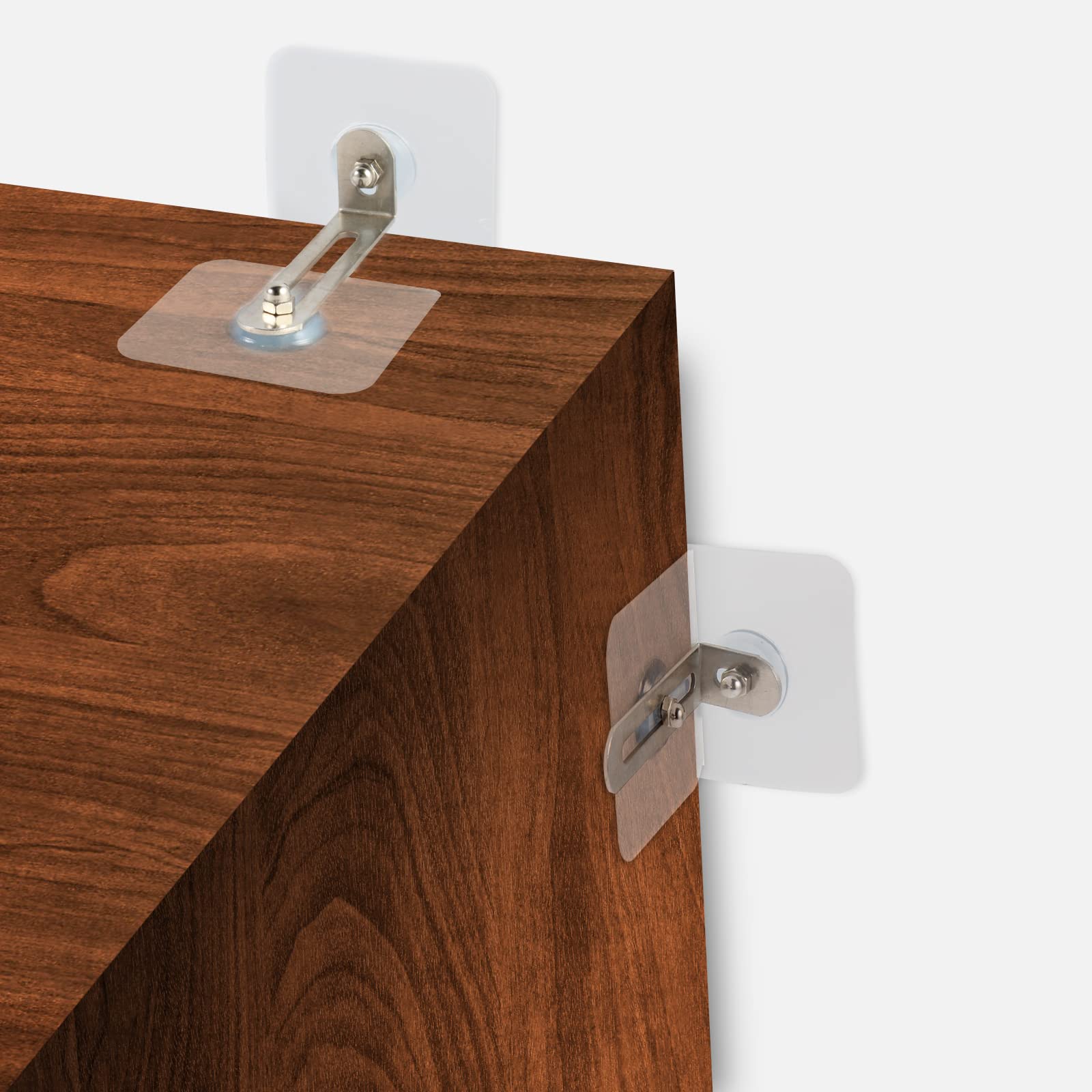
Furniture Straps With Adhesive Ends
Furniture straps use strong adhesive pads on both ends. Stick one end to the bookshelf and the other to the wall. These straps stop shelves from tipping forward. They are easy to install and remove cleanly. Perfect for renters or temporary setups. Make sure surfaces are clean before applying the adhesive.
Alternative Anchoring Techniques
Anchoring a bookshelf without drilling is possible using several smart methods. These techniques keep your walls safe and still secure the furniture. Each option offers a way to reduce the risk of tipping without making holes. They are easy to apply and work well in many homes.
Using Anti-tip Furniture Pads
Anti-tip furniture pads stick to the bottom of your bookshelf. They create a strong grip between the furniture and floor. This stops the shelf from sliding or tilting forward. These pads are simple to install and remove. They work best on smooth floors like wood or tile.
Securing With Corner Brackets
Corner brackets hold the bookshelf steady by linking it to nearby furniture. You can attach the brackets without drilling into walls. Instead, fix them to sturdy furniture pieces next to the shelf. This method adds stability without damaging walls. Corner brackets are strong and easy to use.
Applying Non-slip Mats Underneath
Non-slip mats go under the bookshelf’s legs or base. They stop the shelf from moving on slippery floors. Mats made of rubber or foam provide good traction. This simple step helps keep the shelf in place. It also protects floors from scratches.
Tips For Safe And Secure Setup
Setting up a bookshelf without drilling needs care. Safety and security matter most. Follow these tips to keep your bookshelf stable and your space safe.
Preparing Surfaces For Adhesion
Clean the wall and bookshelf surfaces first. Use a cloth and rubbing alcohol. Remove dust, dirt, and grease. Dry the surfaces well before applying any adhesive.
Smooth surfaces work best for strong adhesion. Avoid rough or uneven walls. Paint that peels or crumbles can cause weak bonds. Make sure the area is ready to hold the adhesive firmly.
Checking Weight Limits
Know the weight your adhesive or strap can hold. Check product labels for weight limits. Do not overload the bookshelf. Too much weight can cause it to fall.
Distribute books and items evenly. Heavy items go on the bottom shelves. This lowers the chance of tipping and keeps the shelf balanced.
Regularly Inspecting Stability
Check your bookshelf often for any movement. Look for loose straps or peeling adhesive. Tighten or replace parts as needed. Early checks prevent accidents.
Pay attention after changes, like adding more books. Small shifts can make big risks. Keep your setup safe with regular care and attention.
Credit: www.gosupps.com
Frequently Asked Questions
How Can I Secure A Bookshelf Without Drilling Holes?
You can use adhesive strips, furniture straps, or tension rods to anchor a bookshelf. These options avoid wall damage and provide stability.
What Are The Safest No-drill Methods For Bookshelf Anchoring?
Using heavy-duty adhesive hooks or anti-tip furniture straps ensures safety. They hold shelves firmly without the need for wall anchors or screws.
Can Tension Rods Help Anchor Bookshelves Effectively?
Yes, tension rods fit between the floor and ceiling to stabilize shelves. They are easy to install and don’t require drilling.
Are Adhesive Strips Strong Enough For Tall Bookshelves?
High-quality adhesive strips can support lightweight to medium shelves. For heavy bookshelves, combining methods like straps and adhesive is better.
Conclusion
Anchoring a bookshelf without drilling keeps your walls safe and intact. Using simple tools like adhesive strips or tension rods works well. These methods hold shelves steady and prevent tipping. They suit renters and anyone avoiding wall damage. Choose the right option based on your shelf size and weight.
Keep safety in mind to protect your books and family. Easy, effective, and gentle on walls—no drilling needed. Try these ideas and enjoy a secure, neat bookshelf today.