Are you thinking about adding a console table to your space but unsure about the perfect size? One key detail you can’t overlook is the depth of the console table.
Getting this right can make all the difference between a cluttered nook and a stylish, functional area. You’ll discover exactly what the depth of a console table means, why it matters, and how to choose the best depth for your home.
Keep reading to find out how this simple measurement can transform your room’s look and feel.
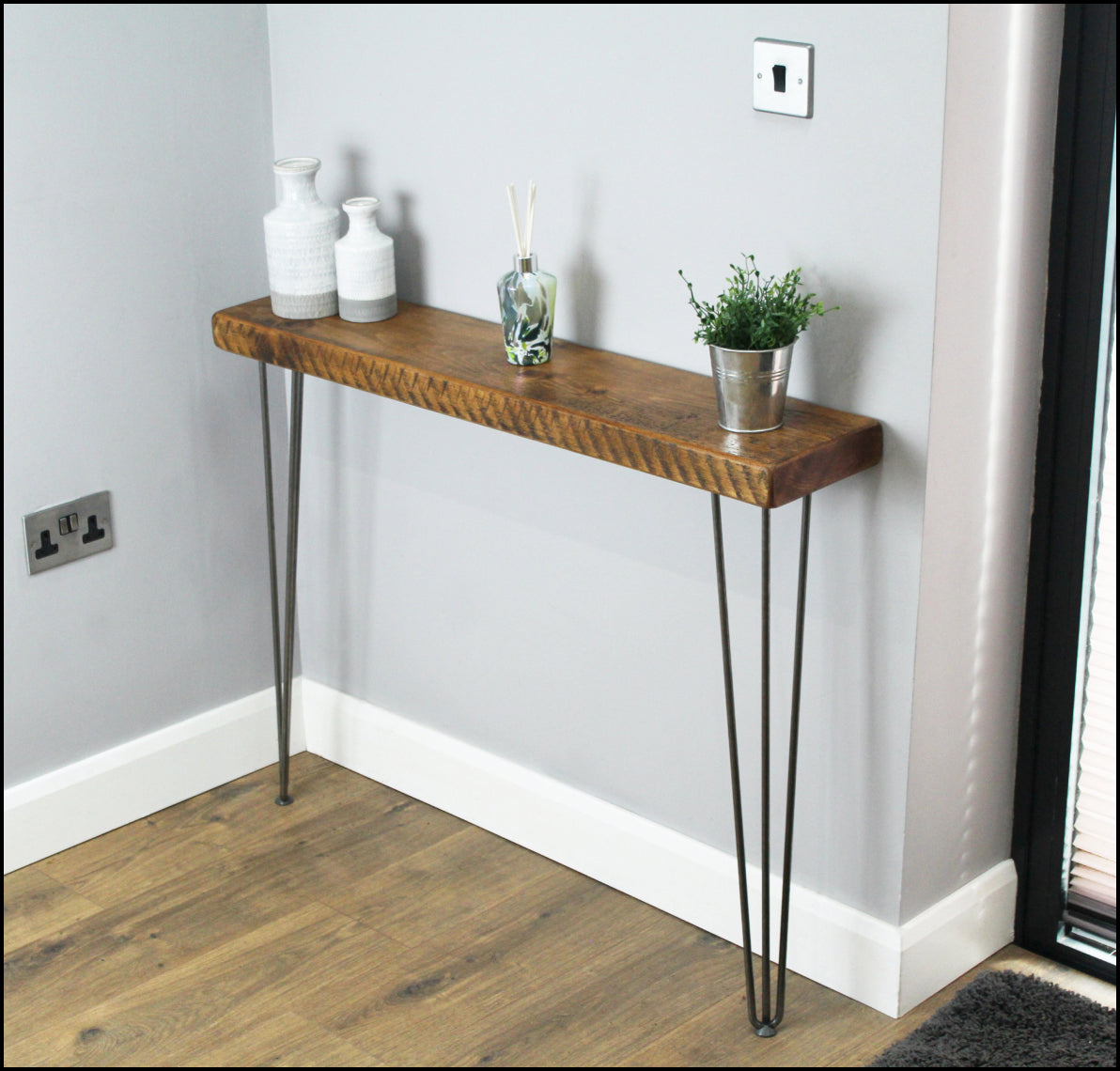
Credit: rustandoak.co.uk
Console Table Depth Basics
The depth of a console table is a key factor in its design and use. It refers to the distance from the front to the back of the table. This measurement affects how much space the table takes up and what you can place on it. Choosing the right depth helps the table fit well in your room and serve its purpose effectively.
Common Depth Measurements
Console tables usually have a depth between 12 and 20 inches. Narrower tables, around 12 to 14 inches deep, suit tight spaces like hallways. Tables with 16 to 20 inches depth offer more surface area for decorations or storage. This size range fits well behind sofas or along walls. Knowing these common depths helps you pick a table that fits your space.
How Depth Affects Functionality
Depth controls what you can put on the table. A shallow table fits small items like keys or mail. Deeper tables hold lamps, books, or decorative pieces comfortably. Too deep a table might block walking space or make the room feel cramped. The right depth balances style and use, making your space both beautiful and practical.
Choosing Depth For Different Spaces
Choosing the right depth for a console table depends on the space where you place it. Different rooms and areas need different sizes. The depth affects how much space the table takes up and how it fits with other furniture. Picking the correct depth helps keep the area comfortable and useful.
Narrow Hallways
In narrow hallways, choose a console table with a shallow depth. A depth of 10 to 12 inches works best. This size keeps the walkway clear and avoids bumping into the table. A slim table still provides space for keys or small decorations.
Wide Entryways
Wide entryways allow for deeper console tables. Tables with a depth of 14 to 18 inches fit well. They offer more surface area for lamps, bowls, or mail. A deeper table can also balance the open space without crowding it.
Living Room Placement
Console tables in living rooms need a moderate depth. Around 12 to 16 inches is ideal. This size fits behind sofas or along walls. It holds decorative items without blocking walkways or seating areas.
Depth And Style Considerations
Choosing the right depth for a console table is important for style and function. Depth affects how much space the table takes and how it looks in your room. Understanding this helps pick a table that fits your needs and style perfectly.
Slim Vs. Chunky Designs
Slim console tables usually have a narrow depth, around 10 to 14 inches. They fit well in tight spaces like hallways or small rooms. Slim designs look light and modern, making a room feel more open.
Chunky tables have a deeper depth, often 16 inches or more. They offer more surface space for decorations or storage. Chunky designs add a bold and strong look to a room. They suit larger spaces where the table can stand out.
Impact On Room Aesthetics
Depth changes how a console table affects room balance. A slim table keeps the space airy and less crowded. It helps maintain clear walkways and open sightlines.
A chunky table adds weight and presence. It can become a room’s focal point. This type of table works well with large walls or wide entryways.
Choosing depth based on room size and style helps create harmony. It ensures the table complements other furniture and the room’s flow.
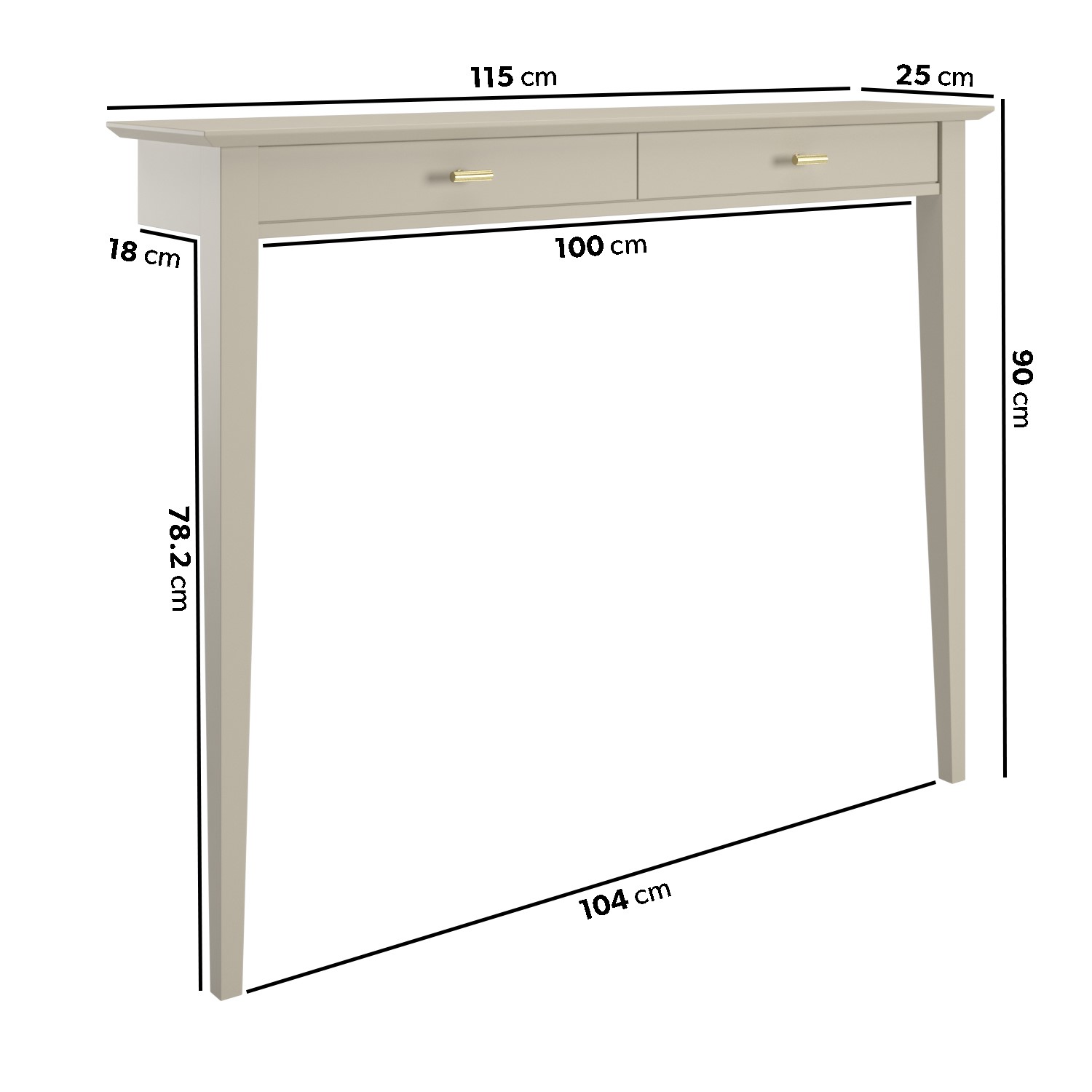
Credit: furniture123.co.uk
Depth Related To Table Height And Width
The depth of a console table is an important factor to consider along with its height and width. These three measurements work together to create a balanced look and practical use. Choosing the right depth helps the table fit well in your space and match other furniture. It affects how much you can place on the table and how it fits against the wall or in a room.
Balancing Dimensions
Console table depth should balance with height and width. A deep table with short legs can look heavy. A narrow table with tall legs may seem unstable. Aim for a depth that supports the height without overpowering it. This balance keeps the table looking natural and well-sized for your room.
Proportions For Visual Appeal
Good proportions make the table attractive and functional. The depth usually ranges from 12 to 18 inches. This size works well with typical widths of 30 to 50 inches. Height often stays between 28 and 36 inches. Keeping these proportions prevents the table from looking too bulky or too slim. It creates a smooth flow in your space and enhances room harmony.
Custom Depth Options
Custom depth options for console tables offer flexibility in design and function. Choosing the right depth helps the table fit perfectly in your space. It also improves how you use the table daily. Custom depths range from very shallow to deeper designs.
Many people prefer custom depths to match narrow hallways or wide entryways. Custom depth can also help balance the table with other furniture. This personal touch makes the console table more useful and stylish.
When To Customize
Customize the depth when standard sizes do not fit your space. Narrow spaces need thinner tables to avoid crowding. Wider areas allow for deeper tables to hold more items. Custom depth helps create a better flow in your room. It also suits specific uses like a desk or storage.
Materials And Construction Tips
Choose sturdy materials for deep or heavy console tables. Solid wood and metal frames offer good support. Use strong joints and fasteners to keep the table stable. Thin materials work well for shallow, decorative tables. Always check measurements twice before building or ordering.
Measuring Your Space For Console Depth
Measuring your space for console depth is a key step in choosing the right table. The depth of a console table affects how it fits in your room. It also impacts how you can use the table. Taking accurate measurements helps avoid problems later.
Start by understanding the available space. Measure the area where the console table will stand. This includes the distance from the wall to any nearby furniture or obstacles. Keep in mind the room’s traffic flow. The table should not block walkways or doors.
Tools And Techniques
Use a tape measure for precise readings. A laser measure works well in larger rooms. Mark the measurements on paper or a digital note. Double-check each number for accuracy. Measure the width and height along with depth. This gives a full picture of your space.
Avoiding Common Mistakes
Do not guess or eyeball measurements. Wrong depth can make the table stick out too far. Avoid placing the table too close to doors or windows. Leave enough room for easy movement. Remember to consider the table’s legs and overhang. These affect the overall space it takes.
Popular Console Table Depths By Brand
Console tables come in many sizes, especially in depth. Depth affects how much space a console table takes up in a room. Different brands offer different depths to fit various needs. Knowing popular depths helps you pick the right table for your space.
Some brands focus on slim designs for narrow hallways. Others make deeper tables for extra storage or display space. Depths usually range from 12 inches to 20 inches. Choosing the right depth depends on your room and style.
Top Furniture Brands
IKEA offers console tables with depths around 12 to 15 inches. Their designs suit small spaces well. West Elm features tables with deeper options, usually 15 to 18 inches. This fits rooms needing more surface area. Pottery Barn sells heavier, classic styles with depths near 18 to 20 inches. These tables offer more room for decor and storage.
Comparing Standard Sizes
Standard console table depths vary by brand and style. Slim tables are 12 to 14 inches deep. Good for tight spaces or narrow hallways. Medium-depth tables measure 15 to 17 inches. These work well for most rooms and uses. Deeper tables range from 18 to 20 inches or more. Ideal for larger rooms or extra storage needs.

Credit: www.dimensions.com
Frequently Asked Questions
What Is The Standard Depth Of A Console Table?
The standard depth of a console table typically ranges from 12 to 18 inches. This depth allows the table to fit well in narrow spaces like hallways and entryways without crowding the area.
How Does Console Table Depth Affect Room Space?
Console tables with shallow depths save floor space and keep rooms open. Deeper tables provide more surface area but may make small rooms feel cramped.
Can Console Table Depth Vary By Style?
Yes, console table depth varies by design. Slim, modern styles often have depths around 12 inches, while traditional or storage-focused tables may be deeper, up to 20 inches.
Why Is Console Table Depth Important For Functionality?
Depth impacts what you can place on the table. A deeper table holds larger items, while a shallow one suits decorative pieces and small essentials.
Conclusion
Choosing the right depth for a console table affects both style and function. Most tables range between 12 to 18 inches deep. This size fits well in narrow spaces without crowding the room. Think about where you will place it and what you will use it for.
A shallow table works for hallways, while a deeper one suits living rooms. The depth also affects how much you can store or display. Keep these points in mind to find the perfect console table depth for your space. Simple and practical choices make your home look better.