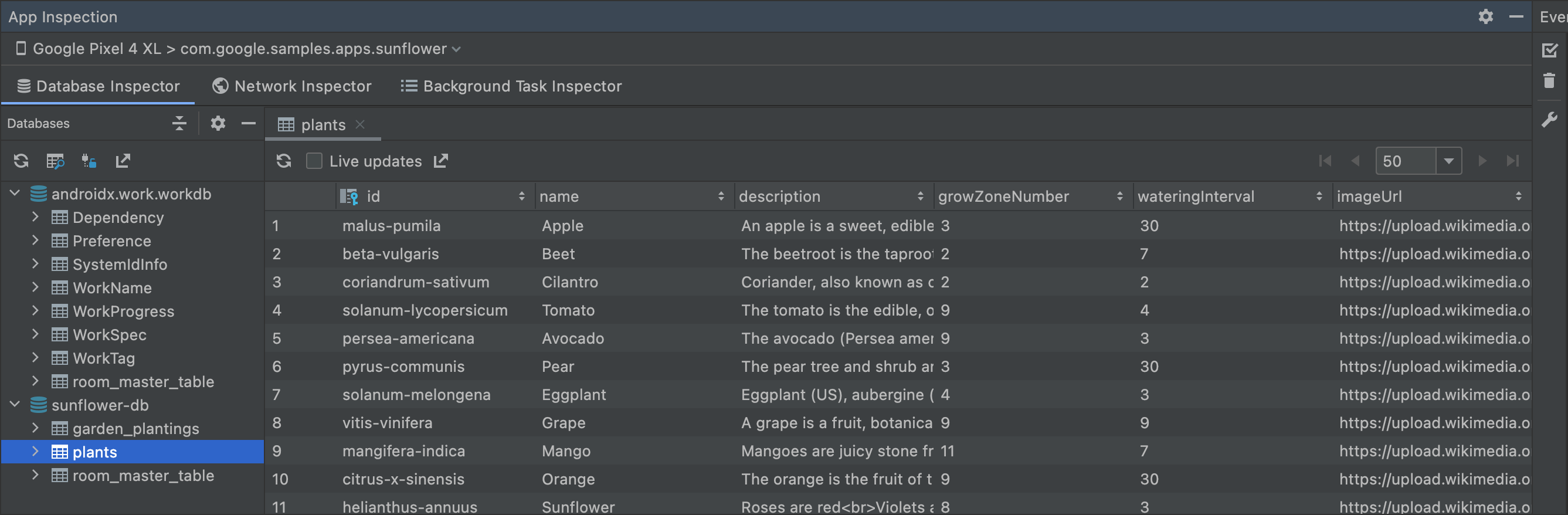
Are you struggling to see your database table data quickly and clearly? Imagine being able to display your entire table right in your console window with just a few simple steps.
Whether you’re debugging, testing, or just want a quick peek at your data, knowing how to show your database table in the console can save you time and frustration. You’ll learn easy, practical methods to make your data appear exactly where you need it—no complex tools or setups required.
Ready to take control of your data display? Let’s dive in.
Credit: developer.android.com
Setup Your Environment
Setting up your environment is the first step to display a database table in the console. This step ensures that you have the right tools and connections ready. A smooth setup saves time and avoids errors during coding and testing.
Prepare your computer for database access. Check software compatibility with your operating system. Follow simple steps to connect your database to the console application.
Install Required Software
Begin by installing the software needed to access and display database tables. Most projects require a programming language like Python or Java. Install the language runtime or development kit first.
Next, install a database client or driver. This software allows your program to communicate with the database. For example, use MySQL Connector for MySQL or SQLite for local databases. Check the official sites for the latest versions.
Also, install a code editor or IDE. This tool helps you write and run your code easily. Popular options include Visual Studio Code or IntelliJ IDEA. Choose one that suits your comfort level.
Connect To Your Database
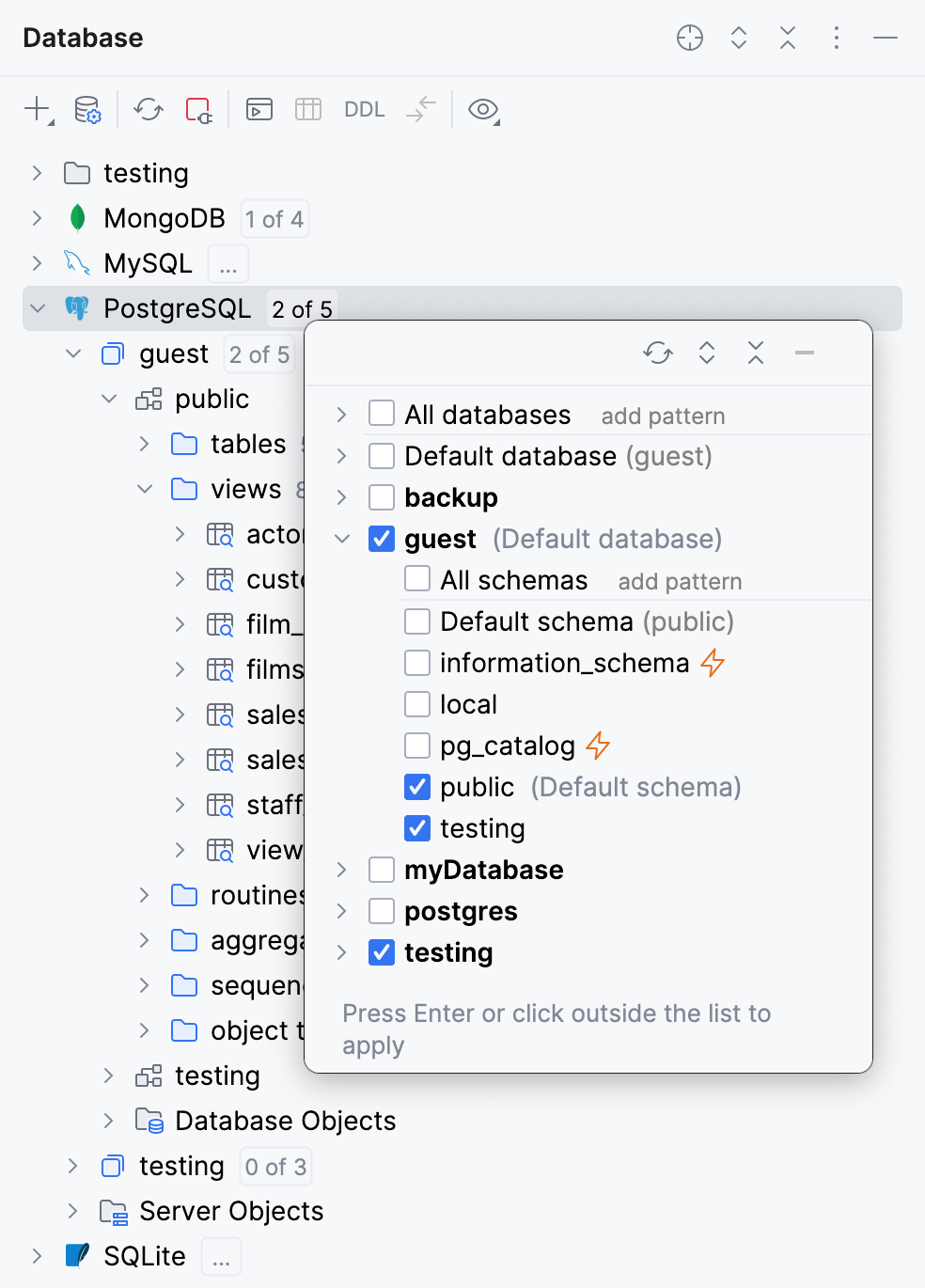
Connecting to your database requires a few key details. You need the database host address, username, password, and database name. Keep this information handy before starting.
Use your chosen programming language to write a connection script. Most languages provide libraries to handle this task. For example, Python uses libraries like pymysql or sqlite3.
Test the connection to ensure it works correctly. A successful connection means your program can access the database. Fix any errors before moving on to display the table data.
Credit: www.jetbrains.com
Write Code To Fetch Data
Writing code to fetch data from a database is the key step in displaying table content on the console. This process involves connecting your program to the database and then retrieving the desired data. Proper code structure ensures smooth data fetching and easy debugging. Clear code also helps beginners understand database operations better.
Establish Database Connection
Start by setting up a connection to your database. Use the correct driver or library for your database type. Provide the database URL, username, and password to connect securely. Handle any connection errors to avoid program crashes. Once connected, you can send commands to the database.
Execute Sql Query
After establishing the connection, write an SQL query to select data. Use simple commands like SELECT FROM table_name to get all records. Run the query through your database connection. Store the results in a variable or object for later use. Check for errors in query execution to ensure data is fetched correctly.
Format Data For Console
Displaying a database table in the console helps to view data quickly. It shows the information in an organized way. This makes it easier to read and understand. Console display is useful during development and debugging. It also helps when you want to check data without using a user interface.
To display a table in the console, you need to print headers and rows clearly. Aligning columns properly makes the table neat and readable. These steps improve the overall presentation of the data.
Print Headers And Rows
Start by printing the column headers first. Headers describe what each column means. Then print each row of data below the headers. Print rows one by one to keep order.
Use a loop to go through all rows. Print each cell value under the correct header. This keeps the table structure intact. Separate columns with spaces or symbols like |.
Align Columns Properly
Proper alignment makes the table easier to read. Adjust each column’s width based on the longest value. Use padding with spaces to fill shorter cells.
Align text to the left for words and to the right for numbers. This helps to compare values quickly. Consistent alignment gives a clean and professional look.
Use fixed-width fonts in the console for best results. This keeps all columns straight and tidy.
Display Table In Console
Troubleshooting is key when displaying database tables in the console window. Problems can arise from many sources. Finding the root cause quickly saves time and effort. Focus on common issues first. This guide covers two main problem areas: connection errors and data display problems. Follow clear steps to resolve these issues.
Connection Errors
Connection errors stop the database from linking to your program. Check the database server status. Ensure it is running and accessible.
Verify your connection string details. Confirm the server name, port, username, and password are correct. A single typo can break the connection.
Firewall settings might block database access. Make sure your firewall allows traffic on the database port.
Test the connection with a simple tool or command. This helps confirm if the problem is in your code or the network.
Data Display Problems
Data might not show properly in the console window. Check your query syntax for errors. A wrong query returns no data or incorrect results.
Ensure your code processes the data correctly. Look for mistakes in loops or print statements.
Console window size can affect data visibility. Resize the window or scroll to see all data.
Data formatting matters. Use clear separators like tabs or spaces for better readability.

Credit: www.youtube.com
Frequently Asked Questions
How To Connect Database To Console Application?
To connect a database to a console application, use appropriate database drivers and connection strings. Initialize the connection in your code. Ensure credentials and server details are correct to establish a successful link for data retrieval.
What Code Displays Database Tables In Console?
Use SQL queries to fetch table data and loop through results in your code. Print each row to the console using print or equivalent commands. This approach dynamically shows table content within the console window.
Can Console Display Large Database Tables Effectively?
Console windows can display large tables but may require pagination. Limit rows shown at once to enhance readability. Use scrolling or chunked data fetching to manage extensive data efficiently in the console.
Which Programming Languages Support Console Database Display?
Languages like Python, Java, C, and Node. js support console database display. They provide libraries to connect databases and print results in the console. This makes them ideal for quick data visualization in text environments.
Conclusion
Displaying a database table on the console is simple and useful. You can see data clearly without extra tools. Just follow the steps carefully and test your code. Practice helps you get comfortable with this skill. This method saves time and helps you debug easily.
Keep trying different examples to learn more. Soon, you will handle database tables with confidence. Simple and clear output makes your work better and faster.
