Are you wondering when the right time is to move your little one from a crib to a toddler bed? It’s a big step for both you and your child.
Making this change at the perfect age can help your baby feel safe, comfortable, and excited about bedtime. But how do you know when your baby is ready? You’ll discover the signs to look for and expert tips to make the transition smooth and stress-free.
Keep reading to find out exactly what age your baby can have a toddler bed—and how to make bedtime the best part of your day.
Signs Your Baby Is Ready
Knowing when your baby is ready for a toddler bed is important. Signs help you decide the best time to make the change. These signs come from how your child grows and acts.
Physical Growth Indicators
Your baby may outgrow the crib size. They might stand or climb over the crib rails. Legs may hang over the crib edge while sitting. This shows they need more space to sleep safely.
Behavioral Changes
Your child may ask to sleep in a big bed. They might resist naps or bedtime in the crib. Climbing out of the crib shows readiness. Interest in climbing or moving more is a key sign.
Safety Considerations
Climbing out of the crib can lead to falls. A toddler bed reduces this risk with lower height. Make sure the room is safe and free from hazards. Use bed rails to prevent falls from the new bed.

Credit: casakids.com
Benefits Of Transitioning Early
Transitioning a baby to a toddler bed at an early age can bring many benefits. It helps the child adjust to new routines and encourages growth. Early transition supports their physical and emotional development. Parents often notice positive changes in their child’s behavior and sleep patterns. Below are some key benefits of making this change early.
Promoting Independence
A toddler bed gives children the freedom to get in and out on their own. This small step builds their confidence and self-reliance. They learn to manage their space and time better. This independence boosts their decision-making skills. Kids feel proud when they can move freely without help.
Enhancing Sleep Quality
Early transition often improves sleep quality for toddlers. A bigger bed feels more comfortable and less confined. Kids can stretch and move during sleep without restrictions. This freedom can reduce night awakenings and fussiness. Better sleep helps children wake up happier and more refreshed.
Encouraging Motor Skills
Getting in and out of a toddler bed helps develop motor skills. Climbing up and down builds muscle strength and coordination. It also teaches balance and spatial awareness. These physical skills support other activities like walking and running. Practicing these skills daily benefits their overall growth.
Risks Of Switching Too Soon
Switching a baby to a toddler bed too early can cause problems. Parents may think it helps independence. But it can bring risks. These risks affect safety, sleep, and emotions. Understanding them helps you decide the right time.
Safety Hazards
Toddler beds are lower but less enclosed than cribs. Babies who move a lot can fall out easily. Falls may cause injuries like bruises or bumps. Also, toddlers may climb out and wander. This puts them in unsafe places like stairs or kitchens. The risk of accidents rises when the child is too young for this freedom.
Sleep Disruptions
Moving too soon can disturb a baby’s sleep pattern. Cribs feel cozy and safe, helping babies stay asleep. Toddler beds are bigger and less secure. Babies might feel insecure and wake often. Nighttime wandering can happen, leading to poor sleep. Both child and parents get less rest.
Emotional Stress
Babies find comfort in familiar surroundings. A sudden bed change can cause confusion and fear. They may feel less secure without crib sides. This can lead to crying and resistance at bedtime. Emotional stress affects their mood and behavior during the day. A smooth transition lowers stress and helps adjustment.
Choosing The Right Toddler Bed
Choosing the right toddler bed is important for your child’s comfort and safety. The bed should fit your child’s needs and room size. Picking the right design and material helps the bed last longer. Safety features protect your child during sleep and play.
Think about your child’s growth and habits. A good toddler bed supports healthy sleep and makes bedtime easier for everyone.
Size And Design
Choose a bed that fits your child’s height and room space. The bed should be low to the ground for easy access. Simple designs with guardrails help prevent falls. Bright colors or fun themes can make bedtime more inviting. Avoid beds that are too big or too small for your toddler.
Safety Features
Guardrails on both sides keep your child safe while sleeping. Look for smooth edges to avoid cuts or scrapes. Non-toxic paint and finishes protect your child’s health. Check that the bed meets safety standards. A sturdy frame prevents wobbling and accidents.
Material And Durability
Solid wood beds are strong and last longer. Avoid beds made with cheap plastic or particleboard. Materials should be easy to clean and maintain. Durable beds handle active toddlers who like to climb or jump. Choose natural materials to reduce allergies and irritations.
Tips For A Smooth Transition
Moving your child from a crib to a toddler bed is a big step. It can feel strange for both of you. A smooth transition helps your child feel safe and happy in their new bed. Here are some tips to make this change easier and more comfortable.
Introducing The Bed Gradually
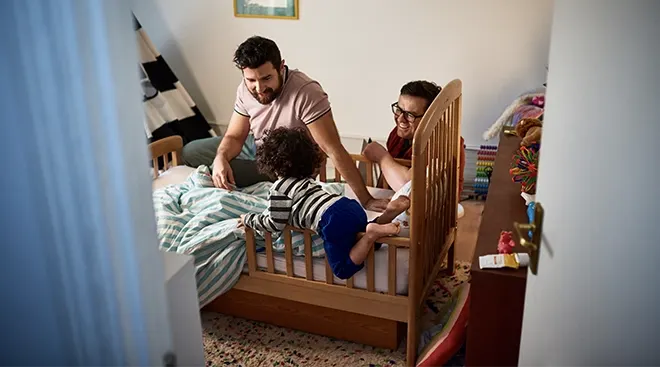
Start by letting your child explore the toddler bed during the day. Sit with them and talk about the new bed. Let them play or read books there. This makes the bed feel familiar before bedtime comes.
Establishing A Routine
Create a simple bedtime routine that stays the same every night. Include quiet activities like brushing teeth and reading stories. A routine helps your child know what to expect. It makes bedtime calmer and more predictable.
Positive Reinforcement
Praise your child for sleeping in the toddler bed. Use kind words and smiles. Small rewards can help, like stickers or extra bedtime stories. Positive feedback encourages your child to stay in bed happily.
Credit: www.thebump.com
Common Challenges And Solutions
Moving a baby to a toddler bed is a big step for families. Parents often face challenges during this change. Understanding these challenges helps in finding good solutions. It makes the transition smoother for both child and parent.
Nighttime Wandering
Toddlers may get out of bed at night. They feel curious or restless in a new bed. This can worry parents about safety and sleep loss.
Set clear rules about staying in bed. Use a toddler gate to keep them safe. A night light can comfort your child. Consistency helps them learn bedtime habits faster.
Resistance To Change
Many toddlers resist leaving their crib. They find comfort in familiar surroundings. Fear or confusion can cause fussiness or crying.
Talk about the new bed positively. Let your child help choose bedding or toys. Spend extra cuddle time before sleep. Patience and gentle encouragement ease the change.
Napping Adjustments
Changing to a toddler bed can affect naps. Some toddlers nap less or resist daytime sleep. They might feel unsettled in the new space.
Keep the nap routine steady and calm. Use the same sleeping area if possible. Short, quiet activities before naps help. Watch for tired signs and act quickly.
Credit: babyletto.com
Frequently Asked Questions
When Is The Right Age For A Toddler Bed?
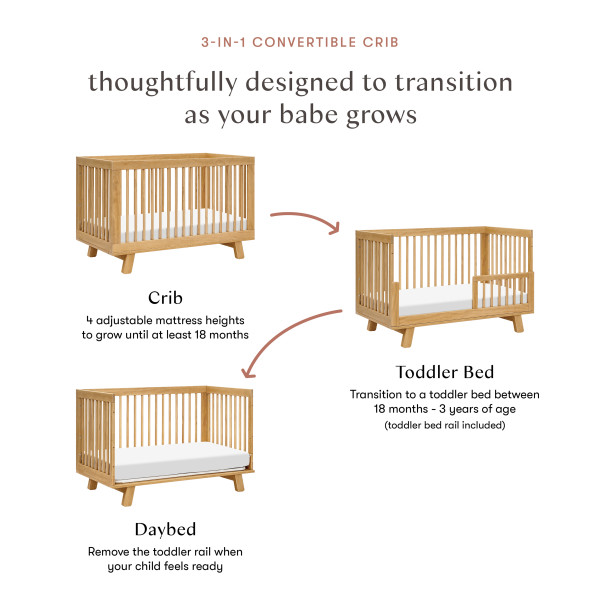
Most babies transition to a toddler bed between 18 months and 3 years. It depends on their readiness and safety.
How Do I Know If My Baby Is Ready?
Look for signs like climbing out of the crib or needing more space to sleep comfortably.
What Are The Safety Tips For Toddler Beds?
Use guardrails, keep the bed low to the ground, and remove sharp or small objects nearby.
Can A Toddler Bed Prevent Night Falls?
Yes, toddler beds with guardrails help reduce night falls compared to cribs or adult beds.
Conclusion
Choosing the right time for a toddler bed depends on your child’s growth. Most kids switch between 18 months and 3 years old. Watch for signs like climbing out of the crib or needing more space. Safety matters most, so pick a bed with guardrails.
A smooth transition helps your child feel secure and happy. Trust your instincts and your child’s needs. Every child is different. This decision should fit your family’s routine and comfort.