Are you thinking about getting a bunk bed for your child but wondering when it’s safe for them to start sleeping in one? You’re not alone.
Many parents ask, “What age can a child sleep in a bunk bed? ” because safety is a top priority. Choosing the right time can protect your child from unnecessary risks while giving them a fun and cozy space to sleep.
You’ll discover the best age to introduce a bunk bed, important safety tips, and how to make the switch smooth and worry-free. Keep reading to ensure your child’s bedtime is both safe and exciting!
Recommended Age For Bunk Beds
Bunk beds are a popular choice for shared rooms and small spaces. Parents often wonder about the right age for children to use bunk beds safely. Understanding the recommended age helps keep kids safe and comfortable. This section explains the ideal age and factors to consider.
Minimum Age Guidelines
Most experts suggest children should be at least six years old to use the top bunk. Younger children may not have the balance or coordination needed. The risk of falling is higher for kids under six. Some manufacturers also set six as the minimum age. Always check the product instructions for age limits.
Factors Influencing Readiness
Every child is different. Physical ability matters. Can your child climb ladders safely? Are they aware of the dangers of falling? Your child’s maturity plays a role. Some kids understand safety rules better than others. Room size and bed design also affect readiness. Guardrails and sturdy ladders improve safety. Consider these factors before deciding on bunk beds.

Credit: www.customkidsfurniture.com
Safety Risks Of Bunk Beds
Bunk beds save space and look fun for kids. Still, they bring safety risks parents must know. Understanding these dangers helps protect children from harm. Safety matters most when deciding the right age for bunk bed use.
Common Injuries
Falls are the top cause of bunk bed injuries. Children can hit their head or break bones. Climbing up or down too fast leads to slips. The top bunk is more risky than the bottom. Bruises, cuts, and sprains happen often around bunk beds.
Preventing Falls
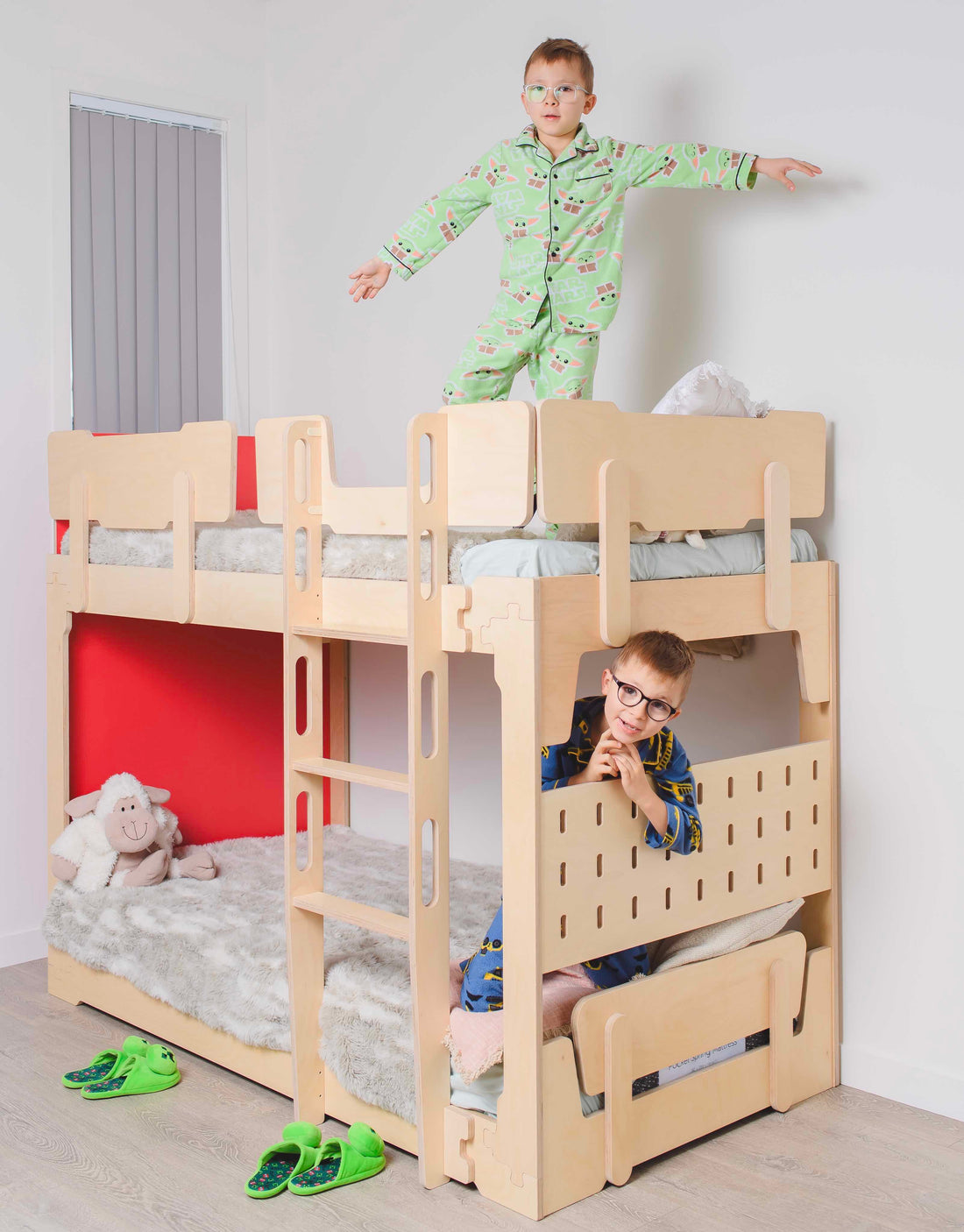
Guardrails on all sides of the top bunk stop falls. The rails should be high enough to keep kids safe. Teach children to use ladders carefully and not jump. Avoid placing bunk beds near windows or hard floors. Use soft rugs or mats around the bed for extra safety.
Avoiding Entrapment Hazards
Gaps between bed parts can trap a child’s head or limbs. Spaces wider than 3.5 inches are dangerous. Check for loose screws or broken parts regularly. Remove pillows or toys that block safe movement. Proper assembly and upkeep reduce entrapment risks significantly.
Choosing The Right Bunk Bed
Choosing the right bunk bed is important for your child’s safety and comfort. The right bed supports good sleep habits and fits your child’s needs. Parents should think about the bed’s materials, safety features, and weight limits. These points help pick a bunk bed that lasts and keeps your child safe.
Material And Build Quality
Strong materials make the bed stable and safe. Wood and metal are common choices. Solid wood is durable and looks nice. Metal frames are light but sturdy. Check the finish for smooth edges and no sharp corners. A well-built bed stays steady and lasts longer.
Guardrails And Ladder Design
Guardrails stop children from falling out of the top bunk. Make sure the rails are high and secure. The ladder should be easy to climb. Steps with good grip prevent slipping. Avoid ladders that are too steep or narrow. Safety is key for both guardrails and ladders.
Weight Limits
Every bunk bed has a weight limit. Check this before buying. It ensures the bed holds your child safely. Consider your child’s current weight and growth. Choose a bed that supports more than your child’s weight. This helps avoid accidents and damage.
Safe Bunk Bed Setup
Setting up a bunk bed safely is very important for your child’s well-being. A secure setup reduces the risk of falls and injuries. Parents should focus on careful assembly, smart room placement, and the right mattress size. Each step helps create a safe sleeping space.
Proper safety measures also give parents peace of mind. Children feel comfortable and sleep better in a secure environment. Let’s explore the key factors in a safe bunk bed setup.
Proper Assembly Tips
Follow the manufacturer’s instructions exactly. Use all screws and bolts provided. Tighten each part firmly to avoid wobbling. Check the bed regularly for loose parts. Add guardrails on all sides of the top bunk. Make sure the ladder is steady and easy to climb. Avoid using bunk beds that show damage or wear.
Ideal Room Placement
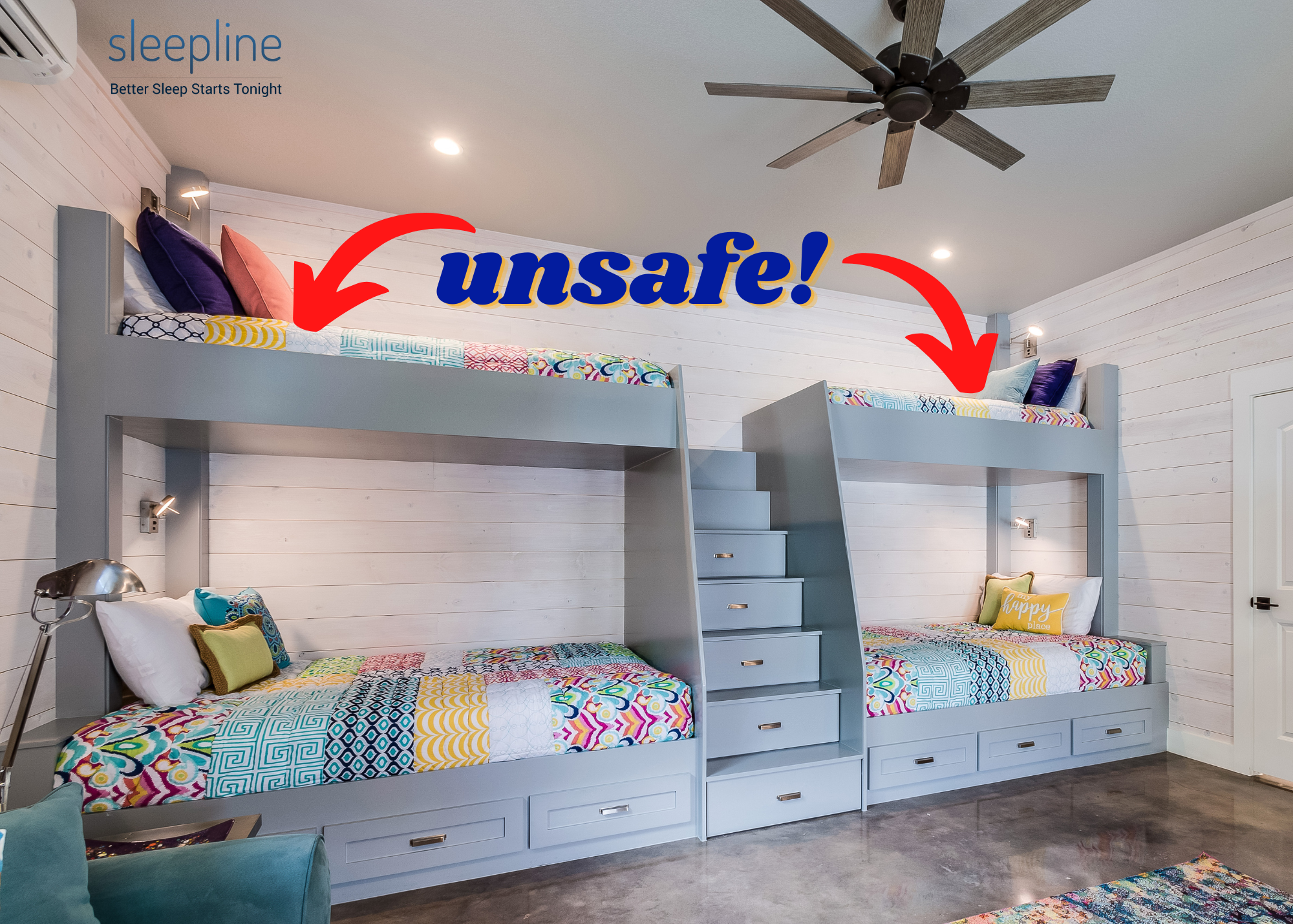
Place the bunk bed away from windows. Avoid spots near ceiling fans or light fixtures. Keep enough space around the bed for easy access. Make sure there is enough room for the child to climb safely. Avoid placing the bed near sharp corners or hard objects. Soft flooring like carpet or rug underneath helps cushion falls.
Mattress Size And Thickness
Use the mattress size recommended by the manufacturer. The mattress should fit snugly to avoid gaps. Choose a mattress thickness that keeps the child below the guardrail height. A mattress too thick can cause falls from the top bunk. Opt for firm mattresses to support the child well. Avoid overly soft mattresses that can increase risk.
Supervising Children On Bunk Beds
Supervising children on bunk beds is very important. Bunk beds can be fun but also risky. Parents must watch children closely to keep them safe. Teaching children good habits helps prevent accidents. Simple safety steps make a big difference at night.
Teaching Safe Behavior
Explain the rules clearly before children use bunk beds. Show them how to climb up and down carefully. Tell them not to jump or play rough on the bed. Teach children to use the ladder only. Remind them to stay in bed after climbing up. Praise safe behavior to encourage good habits.
Nighttime Safety Measures
Use guardrails on the top bunk to stop falls. Check the bed for loose screws or broken parts. Place the bed away from ceiling fans or windows. Keep a night light on to help children see. Make sure the room is tidy to avoid trips. Set clear rules about bedtime and staying in bed.
Credit: www.sleepline.com
Alternatives To Bunk Beds
Choosing the right bed for a child is important for safety and comfort. Bunk beds are popular but not always the best choice for every child. Alternatives to bunk beds offer different benefits and suit various room sizes and needs. These options can keep children safe while giving them space to sleep and play.
Loft Beds
Loft beds lift the sleeping area off the ground. This creates space underneath for a desk or play area. They are great for saving room in small bedrooms. Kids above six years old can usually use loft beds safely. Guardrails protect from falls, but supervision is needed at first.
Trundle Beds
Trundle beds have a second bed stored underneath the main one. You can pull it out when needed. This is a good choice for siblings sharing a room or sleepovers. Trundle beds stay low to the ground, reducing fall risks. They work well for kids of almost all ages.
Floor Beds
Floor beds sit directly on the floor without frames. They are perfect for toddlers learning to get in and out of bed. These beds reduce the chance of injury from falls. Floor beds also help children feel independent and comfortable. Parents often use them before moving kids to higher beds.
Credit: kitsmart.co.nz
Frequently Asked Questions
At What Age Is It Safe For A Child To Use A Bunk Bed?
Children aged 6 and older can safely use bunk beds. Younger kids risk falls due to less coordination. Always follow manufacturer guidelines and use guardrails to enhance safety.
Why Are Bunk Beds Not Recommended For Children Under 6?
Children under 6 have poor balance and motor skills. This increases the risk of falls and injuries from bunk beds. It’s best to wait until they are older and more coordinated.
What Safety Features Should Bunk Beds Have For Kids?
Look for guardrails on all sides of the top bunk. Ensure the ladder is sturdy and easy to climb. Choose beds made from strong materials to prevent collapse.
Can Bunk Beds Affect A Child’s Sleep Quality?
Bunk beds generally do not affect sleep quality if comfortable. However, some children may feel uneasy sleeping higher up. Always check if your child feels safe and secure.
Conclusion
Children usually start sleeping in bunk beds around six years old. Safety matters most when choosing a bunk bed. Guardrails and sturdy ladders help prevent falls. Parents should check the bed’s quality and weight limits. Every child grows differently, so consider their comfort and confidence.
Proper supervision and clear rules keep kids safe at night. Bunk beds save space and can be fun too. Choose the right time and bed to ensure happy, safe sleep.