If you have a toddler, you know how quickly they move—and how often they bump their heads, especially in their crib. Watching your little one hit their head can be scary, and you want to do everything possible to keep them safe.
You might wonder how to protect your child without making the crib feel less cozy or secure. This guide will show you simple, effective ways to prevent those painful bumps, so you can feel calm and confident every time your toddler naps or sleeps.
Keep reading to discover easy tips that make your toddler’s crib a safe and comfortable space.
Common Causes Of Head Injuries In Cribs
Head injuries in cribs happen more often than many parents expect. Understanding why toddlers hit their heads helps prevent accidents. Several common causes lead to bumps and bruises in the crib.
Frequent Toddler Movements
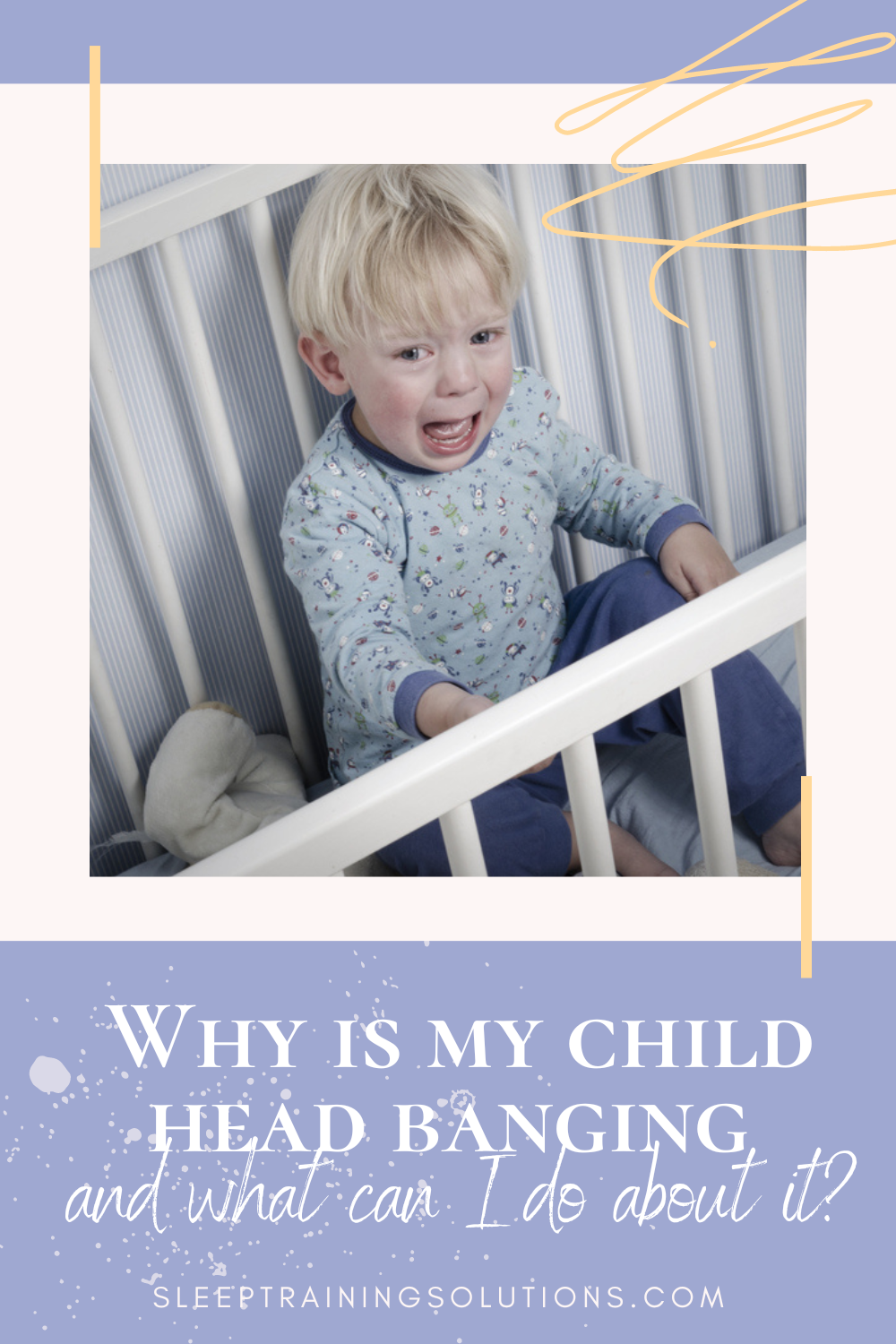
Toddlers move a lot during sleep and play. They roll, sit up, and stand suddenly. These quick actions can make them hit the crib sides or corners. Toddlers do not always control their balance well. This increases the risk of head bumps inside the crib.
Crib Design And Safety
Some cribs have hard edges or low rails. Sharp corners can cause serious injuries. Poorly spaced slats or loose parts can trap a toddler’s head. Older cribs may lack modern safety features. Unsafe crib design raises the chance of head injuries.
Environmental Hazards Around The Crib
Objects near the crib may cause harm. Lamps, toys, or mobiles hanging too low can hit a toddler’s head. Hard floors or furniture close to the crib add risk. A cluttered or unsafe area around the crib leads to more accidents.
Credit: www.sleeptrainingsolutions.com
Choosing The Right Crib For Safety
Choosing the right crib is key to keeping your toddler safe. A good crib can prevent many accidents. It creates a secure space for your child to sleep and play. Focus on quality, design, and safety features. This helps reduce the chance of your toddler hitting their head on the crib.
Safe Crib Materials And Construction
Choose cribs made from solid wood or metal. These materials are strong and stable. Avoid cribs with sharp edges or loose parts. Smooth finishes prevent splinters and scratches. Check for non-toxic paint or varnish. This keeps your child safe from harmful chemicals.
Proper Mattress Fit And Position
The mattress should fit snugly inside the crib. No gaps between the mattress and crib sides. Gaps can cause your toddler to get stuck or fall. Place the mattress at the correct height. Lower the mattress as your child grows. This prevents climbing and falling over the rail.
Avoiding Drop-side Cribs
Drop-side cribs are unsafe and banned in many places. These cribs have sides that move up and down. They can trap or injure toddlers. Choose cribs with fixed sides only. Fixed sides offer better stability and safety. This reduces the risk of accidents and injuries.
Protective Measures To Cushion Head Bumps
Toddlers often bump their heads on crib edges as they move around. Protecting their heads is important to avoid injuries. Soft cushioning helps reduce the impact of accidental hits. Using safe padding options can make the crib a safer space.
Using Soft Bumpers Safely
Soft bumpers can cushion hard crib sides. Choose bumpers made from breathable materials. Avoid thick or heavy bumpers that block airflow. Secure bumpers tightly to prevent slipping. Check regularly for wear or loose parts.
Installing Crib Rail Covers
Crib rail covers add a soft layer to hard rails. They prevent sharp edges from hurting your toddler. Use covers made of soft fabric or foam. Attach covers firmly to stop sliding. Clean covers often to keep them fresh.
Padded Head Protection Options
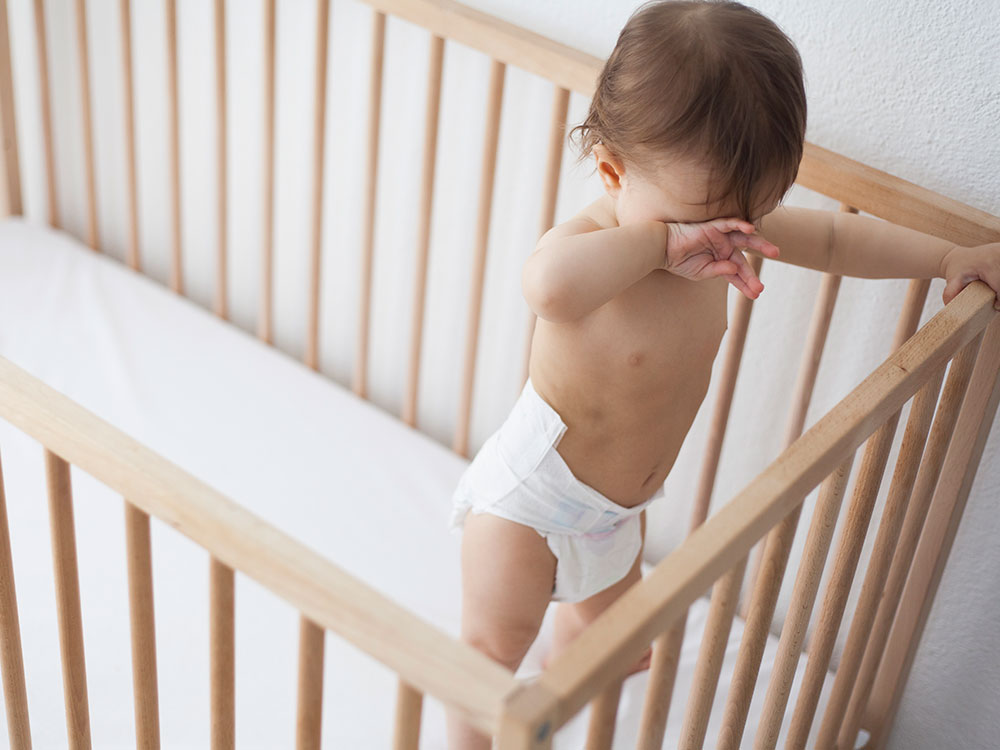
Padded head protection can reduce injury risk. Consider foam pads designed for crib corners or rails. These pads absorb shocks from sudden bumps. Make sure pads fit well and do not pose choking hazards. Replace worn pads to maintain safety.
Credit: raisingchildren.net.au
Room Setup Tips To Prevent Injuries
Setting up your toddler’s room right helps stop many injuries. A safe space means fewer bumps and bruises. Simple steps in the room setup lower the risk of your child hitting their head on the crib. Focus on the furniture, crib placement, and the area around the crib. These tips make the room safe and comfy for your little one.
Securing Nearby Furniture
Furniture near the crib can be a hazard. Heavy items might fall if your toddler pulls on them. Use wall anchors to fix dressers and shelves in place. Keep small furniture pieces away from the crib. This stops your child from climbing and falling.
Keeping The Crib Away From Walls
Place the crib a few inches from the wall. This space prevents your toddler from hitting their head on hard surfaces. It also stops fingers from getting stuck between the crib and wall. Leave enough room for air to flow around the crib for comfort.
Maintaining A Clear Crib Area
Keep the crib area free of toys and pillows. Extra items can cause your toddler to bump or get tangled. Clear space helps your child move safely inside the crib. Check the area regularly to remove any new hazards.
Monitoring And Supervision Strategies
Keeping a toddler safe in bed requires careful monitoring and supervision. Parents and caregivers must watch closely to prevent head injuries from crib falls or bumps. Using simple, effective strategies helps reduce risks and ensures quick action if accidents happen.
Using Baby Monitors
Baby monitors let you watch your toddler without being in the room. Choose one with video and audio features. This helps you see and hear your child clearly. Set the monitor near the crib for a good view. It alerts you if your toddler moves or cries. This way, you can react fast to prevent injuries.
Regular Safety Checks
Check the crib daily for loose or broken parts. Make sure the mattress fits snugly inside the crib frame. Remove any hard toys or objects that could cause injury. Look for sharp edges or rough surfaces. Fix or replace anything unsafe immediately. A safe crib lowers the chance of your toddler hitting their head.
Recognizing Signs Of Injury
Watch for unusual behavior after your toddler bumps their head. Signs include excessive crying, vomiting, or drowsiness. Look for swelling, bruises, or cuts on the head. Difficulty walking or loss of balance also matters. If you notice these signs, seek medical help right away. Early detection prevents serious harm.
When To Consult A Pediatrician
Knowing when to consult a pediatrician is very important after your toddler hits their head on the crib. Some bumps are minor and heal quickly. Others may need medical attention to avoid risks. Watching your child carefully after the fall helps you decide the next steps. This guide explains key signs and actions to take.
Identifying Serious Symptoms
Look for vomiting more than once. Watch for loss of balance or walking trouble. Notice if your child is unusually sleepy or hard to wake. Check for clear or bloody fluid from the nose or ears. See if the child is very irritable or cries nonstop. These signs need a doctor’s evaluation quickly.
Emergency Response Steps
Stay calm and keep your child still. Call emergency services if your child is unconscious or not breathing. Do not give any food or drink until a doctor says it is okay. Hold the child’s head gently to prevent more injury. Note the time and details of the fall for the doctor.
Follow-up Care Recommendations
Schedule a doctor visit even if your child seems fine. The doctor will check for hidden problems. Rest and quiet time help your toddler recover faster. Avoid rough play or activities that risk another fall. Watch for any new or worsening symptoms over the next days.
.webp)
Credit: www.smartsleepcoach.com
Frequently Asked Questions
How Can I Prevent My Toddler From Hitting Head On Crib?
Use soft crib bumpers or foam guards on crib rails. Ensure the crib mattress is properly fitted. Remove hard or sharp objects near the crib.
What Are The Safest Crib Designs To Avoid Head Injuries?
Choose cribs with rounded edges and no drop sides. Look for models meeting current safety standards. Avoid cribs with wide slats or protruding hardware.
When Should I Stop Using A Crib For My Toddler?
Transition when your toddler starts climbing out or turning around. Usually, this is around 18-24 months. Use a toddler bed with safety rails for continued protection.
Are Crib Rail Covers Effective For Toddler Head Safety?
Yes, soft rail covers cushion impacts and prevent injuries. Choose breathable, non-toxic materials for safety. Regularly check covers for wear or choking hazards.
Conclusion
Keeping your toddler safe in bed requires small, smart changes. Soft bumpers and proper crib placement help a lot. Always check the crib for sharp edges or loose parts. Watch your child closely as they learn to move around. A safe sleeping space gives you peace and your child comfort.
Stay calm and patient—it’s part of parenting. Safety grows with care and attention every day.