Are you looking for a unique way to organize your books and add character to your space? A black pipe bookshelf might be exactly what you need.
It’s sturdy, stylish, and surprisingly simple to make. Imagine having a piece that not only holds your favorite reads but also becomes a conversation starter. In this guide, you’ll discover step-by-step how to create your own black pipe bookshelf, even if you’re not a DIY expert.
Ready to turn your space into something truly special? Keep reading, and let’s get started.

Credit: craftthyme.com
Materials And Tools
Gathering the right materials and tools is the first step to build a black pipe bookshelf. Quality parts ensure your shelf is strong and lasts long. Prepare everything before starting the assembly.
Black Pipes And Fittings
Black pipes form the frame of the bookshelf. Choose pipes made from steel for durability. Common sizes are ½ inch or ¾ inch in diameter. Use fittings like elbows, tees, and flanges to connect pipes. These fittings create the shape and support for your shelf. Make sure the threads match for a tight fit.
Wooden Shelves
Wooden shelves hold your books and decorations. Select sturdy wood like pine, oak, or plywood. Cut the wood to the size that fits your space and pipe frame. Sand the edges smooth to avoid splinters. Stain or paint the wood for a finished look. The wood must be thick enough to hold weight without bending.
Essential Tools
Use basic tools for easy assembly. A pipe wrench helps tighten the fittings securely. A drill with screws fixes the wood shelves to the pipes. A tape measure ensures accurate cuts and spacing. Sandpaper smooths the wood surface before finishing. A level keeps your shelf straight and balanced. Keep these tools close for a smooth build.
Planning Your Bookshelf
Planning your black pipe bookshelf is the first step to a successful project. This stage helps you avoid mistakes and saves time. Think about your needs and the space you have. A well-planned bookshelf fits perfectly and looks great.
Consider the size, design, and exact measurements before buying materials. Careful planning makes building easier and more enjoyable.
Choosing The Right Size
Decide how many books and items you want to store. Size affects the bookshelf’s strength and stability. A tall shelf holds more but needs strong pipes. A smaller shelf fits tight spaces better. Pick a size that suits your room and needs.
Design And Style Tips
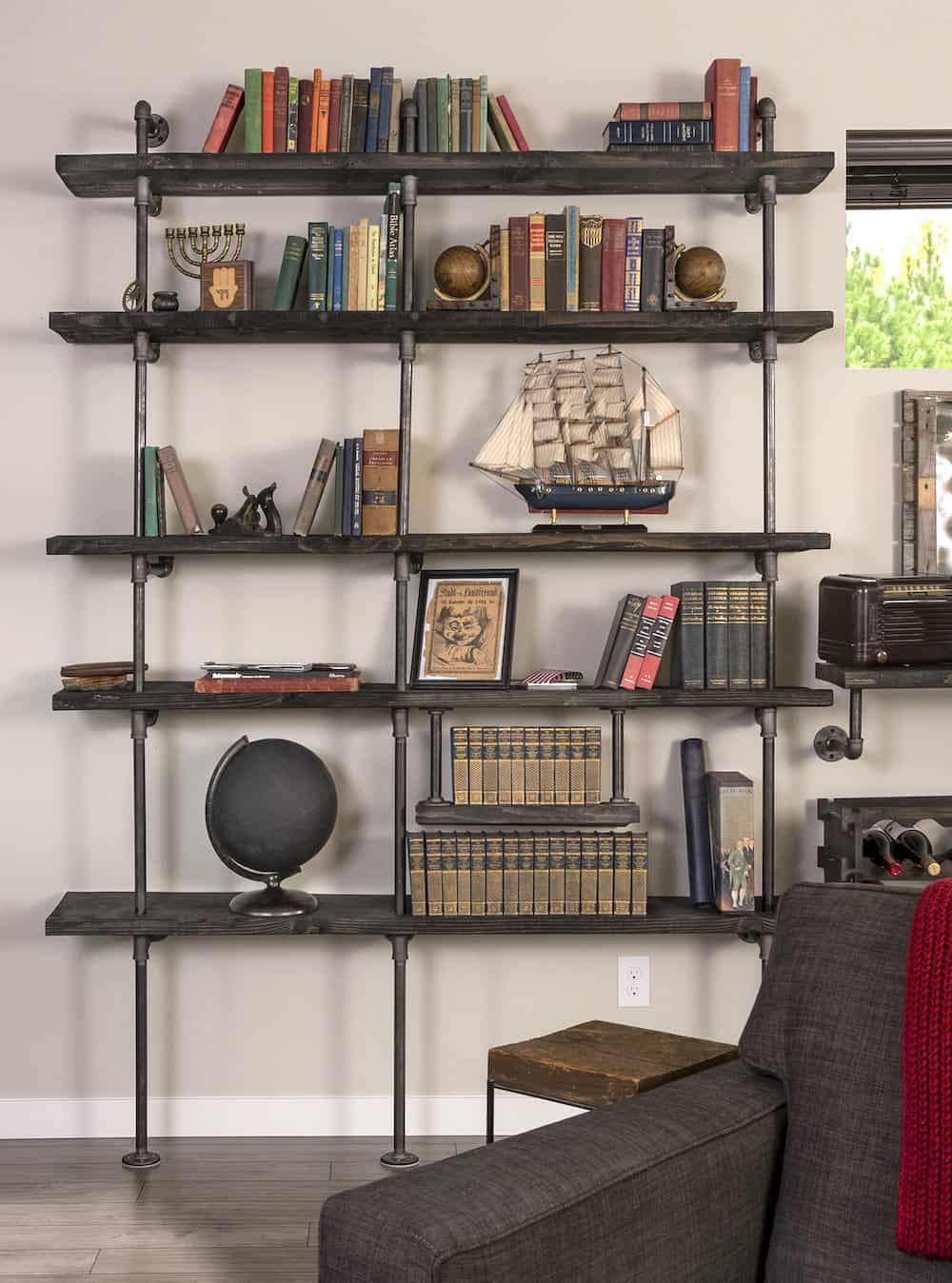
Black pipes give an industrial look. Combine wood and metal for style and warmth. Think about open shelves or closed sections. You can add extra features like hooks or small drawers. Keep the design simple for easy building and cleaning.
Measuring Your Space
Use a tape measure to check your wall or floor space. Measure height, width, and depth carefully. Allow space for walking and other furniture. Write down your measurements clearly. Double-check before buying pipes and wood. Accurate measurements prevent fitting problems later.
Preparing The Materials
Preparing the materials is the first step to build a sturdy black pipe bookshelf. This step ensures all parts fit well and look great. Proper preparation saves time during assembly and improves the shelf’s durability.
Cutting Pipes To Size
Start by measuring the black pipes carefully. Mark the pipes at the correct lengths using a marker. Use a pipe cutter or hacksaw to cut along the marks. Cut slowly to keep the edges straight and smooth. Check each pipe after cutting to ensure it matches your design.
Sanding And Finishing Wood
Choose wood planks for the shelves that are smooth and strong. Sand all surfaces with medium-grit sandpaper to remove rough spots. Follow with fine-grit sandpaper for a smooth finish. Wipe the wood with a damp cloth to remove dust. Apply a wood finish or stain for protection and style. Let the finish dry completely before use.
Organizing Components
Lay out all pipes, fittings, and wood pieces on a clean surface. Group similar parts to find them easily during assembly. Check you have all screws, nuts, and tools ready. Organizing components reduces mistakes and speeds up building. Keep everything nearby for smooth workflow.
Credit: diycandy.com
Assembling The Frame
Assembling the frame is the first big step in building your black pipe bookshelf. This part sets the base for the whole structure. It needs careful attention to make sure the bookshelf is strong and stable. Follow these steps to connect the pipes and fittings, check stability, and adjust for level.
Connecting Pipes And Fittings
Start by gathering all pipes and fittings. Use a pipe wrench to tighten each fitting securely. Screw pipes into the fittings until they feel firm. Avoid over-tightening to prevent damage. Make sure the pipes line up straight. Check that all pieces match the design measurements. A tight connection keeps the frame strong.
Ensuring Stability
Once pipes are connected, test the frame’s stability. Push gently on different sides to see if it wobbles. If it moves, tighten loose fittings again. Check that the base sits flat on the floor. A solid frame will hold heavy books without shaking. Stability is key for safety and durability.
Adjusting For Level
Use a spirit level to check the frame’s balance. Place it on the top pipe and sides. Adjust the pipes slightly if the frame tilts. Small changes make a big difference. The bookshelf must be level to hold shelves properly. A balanced frame looks neat and works better.
Attaching The Shelves
Attaching the shelves is a key step in building your black pipe bookshelf. This part brings the frame and wooden boards together. It creates a strong, stable structure that holds your books and items securely.
Careful placement and secure fastening ensure the shelves stay in place. Follow these steps for a neat and durable assembly.
Positioning Wooden Boards
Place each wooden board on the black pipe frame carefully. Align the boards so they sit evenly on the pipe supports. Check that the edges match the frame corners. This keeps the shelves balanced and straight.
Use a level tool to make sure each shelf is perfectly horizontal. This avoids a tilted bookshelf later on. Take your time to position every board accurately before securing them.
Securing Shelves To Frame
Use screws or brackets to attach the wooden boards to the pipe frame. Pre-drill holes in the wood to prevent splitting. Screw the boards tightly to the pipes but avoid over-tightening.
Secure the shelves at multiple points along the pipes. This stops the boards from moving or wobbling. Check that each screw fits snugly and holds the shelf firmly.
Final Adjustments
Double-check all shelves for level and stability. Adjust screws or reposition boards if needed. Make sure the entire bookshelf stands steady without rocking.
Clean off any dust or marks from the shelves and pipes. Your black pipe bookshelf is now ready to hold your favorite books and decorations.
Finishing Touches
Finishing touches give your black pipe bookshelf a polished and lasting look. These final steps protect the materials and enhance the overall style. A well-finished bookshelf adds charm and durability to your space. Small details can make a big difference.
Adding Protective Coatings
Apply a clear sealant to protect the wood from scratches and spills. Use a polyurethane or varnish suitable for wood surfaces. Brush the coating evenly and let it dry fully. This step keeps the wood looking fresh and strong over time.
For the black pipes, use a rust-resistant spray or paint. This protects the metal from moisture and wear. A smooth, even finish on the pipes improves the bookshelf’s look and lifespan.
Decorative Elements
Decorate with simple touches to match your room’s style. Add small plants, vintage books, or framed photos on the shelves. These items bring personality and warmth to the space.
Consider using pipe fittings as unique hooks or holders. Attach them to the sides to hang keys or small items. This adds both function and charm to your bookshelf.
Maintaining Your Bookshelf
Dust the shelves and pipes regularly to keep them clean. Use a soft cloth to avoid scratches on the wood and metal. Check for any loose screws or fittings and tighten them as needed.
Reapply protective coatings every year or two. This keeps the bookshelf looking new and prevents damage. Proper care helps your bookshelf last for many years.
Troubleshooting Tips
Building a black pipe bookshelf can be rewarding but may bring some common issues. These troubleshooting tips help you fix problems fast. Keep your shelf strong and steady with easy solutions.
Fixing Wobbly Structures
A wobbly bookshelf feels unsafe and looks unstable. Tighten all pipe fittings with a wrench. Check each joint for loose screws or bolts. Add extra support brackets if needed. Ensure the pipes fit tightly inside the connectors. A small shake test helps find weak spots.
Dealing With Uneven Floors
Uneven floors cause shelves to tilt or rock. Use small rubber pads under the legs. These pads stop slipping and absorb bumps. Adjust the pipe length slightly if possible. Leveling the shelf keeps books safe and prevents falls. Test the shelf by pressing on corners to check balance.
Replacing Parts
Sometimes parts wear out or break. Order exact pipe sizes and fittings from hardware stores. Remove damaged pieces carefully without harming other parts. Use rust-resistant pipes for longer life. Keep spare parts handy for future repairs. Replacing parts extends the shelf’s lifespan and keeps it looking new.

Credit: www.youtube.com
Frequently Asked Questions
What Materials Are Needed For A Black Pipe Bookshelf?
You need black iron pipes, wooden boards, pipe flanges, and screws. These materials create a sturdy and industrial-style bookshelf. Choose wood that matches your decor for a personalized look.
How Do You Assemble A Black Pipe Bookshelf?
Start by attaching pipe flanges to wooden boards. Connect pipes between flanges to form the frame. Secure all parts tightly for stability. Finish by mounting shelves onto the frame.
Can I Customize The Size Of The Bookshelf?
Yes, you can customize the bookshelf size easily. Adjust pipe lengths and wood board dimensions to fit your space. This flexibility allows for unique, tailored shelving solutions.
How Do I Maintain A Black Pipe Bookshelf?
Regularly dust the pipes and wooden shelves to keep them clean. Avoid moisture to prevent rust on pipes and warping on wood. Apply a sealant for extra protection.
Conclusion
Building a black pipe bookshelf is simple and rewarding. This project adds style and storage to any room. You only need a few tools and some patience. Follow the steps carefully, and you will create a sturdy shelf. Personalize it with your favorite books or decor.
Enjoy the satisfaction of making something with your own hands. Try different sizes or shapes for a unique look. This bookshelf fits both modern and industrial styles well. Start your project today and watch your space transform.