Are you wondering what to feed your toddler before bed to help them sleep better and stay healthy? Choosing the right bedtime snack can make a big difference in your little one’s mood and rest.
You want something that’s tasty, easy to digest, and calming—not too heavy or full of sugar. You’ll discover simple, effective options that can help your toddler settle down for the night, so you both get the peaceful sleep you deserve.
Keep reading to find out how to make bedtime smoother with the perfect snack.

Credit: www.rileychildrens.org
Benefits Of Bedtime Snacks
Bedtime snacks can play a key role in your toddler’s nightly routine. They help keep your child comfortable and satisfied as they fall asleep. Choosing the right snack supports healthy habits and overall well-being.
Small, nutritious snacks before bed provide essential nutrients. These snacks help maintain energy levels and support your toddler’s needs through the night.
Boosting Sleep Quality
Some snacks can help your toddler sleep better. Foods with tryptophan, like yogurt or banana, encourage relaxation. A stable blood sugar level keeps sleep deep and steady. Avoid heavy or sugary snacks that might disrupt rest.
Supporting Growth And Development
Toddlers grow quickly and need nutrients at all times. Bedtime snacks offer extra vitamins and minerals needed for strong bones and muscles. Protein-rich foods aid tissue repair overnight. Calcium supports healthy teeth and bones.
Preventing Nighttime Hunger
Going to bed hungry can wake toddlers at night. A small snack fills their tummy and helps prevent hunger pains. This reduces the chance of waking for extra food. It also keeps your child calm and comfortable until morning.

Credit: jackiesilvernutrition.com
Key Nutrients For Sleep
Feeding your toddler before bed affects their sleep quality. Certain nutrients help your child fall asleep faster and stay asleep longer. Understanding these key nutrients guides you to prepare better bedtime snacks. Focus on foods that support relaxation and sleep hormones. Here are the main nutrients to include in your toddler’s evening meal.
Role Of Tryptophan
Tryptophan is an amino acid that helps produce serotonin. Serotonin turns into melatonin, the hormone that controls sleep. Foods rich in tryptophan include turkey, chicken, eggs, and dairy. Giving your toddler these foods can promote calmness. Tryptophan helps the brain relax and signals the body to sleep.
Importance Of Magnesium And Calcium
Magnesium and calcium work together to relax muscles and nerves. These minerals help toddlers feel calm before bedtime. Dairy products, leafy greens, and nuts are good sources of calcium and magnesium. A small serving of yogurt or cheese can soothe your child. These nutrients also support healthy bone growth.
Balancing Carbohydrates And Protein
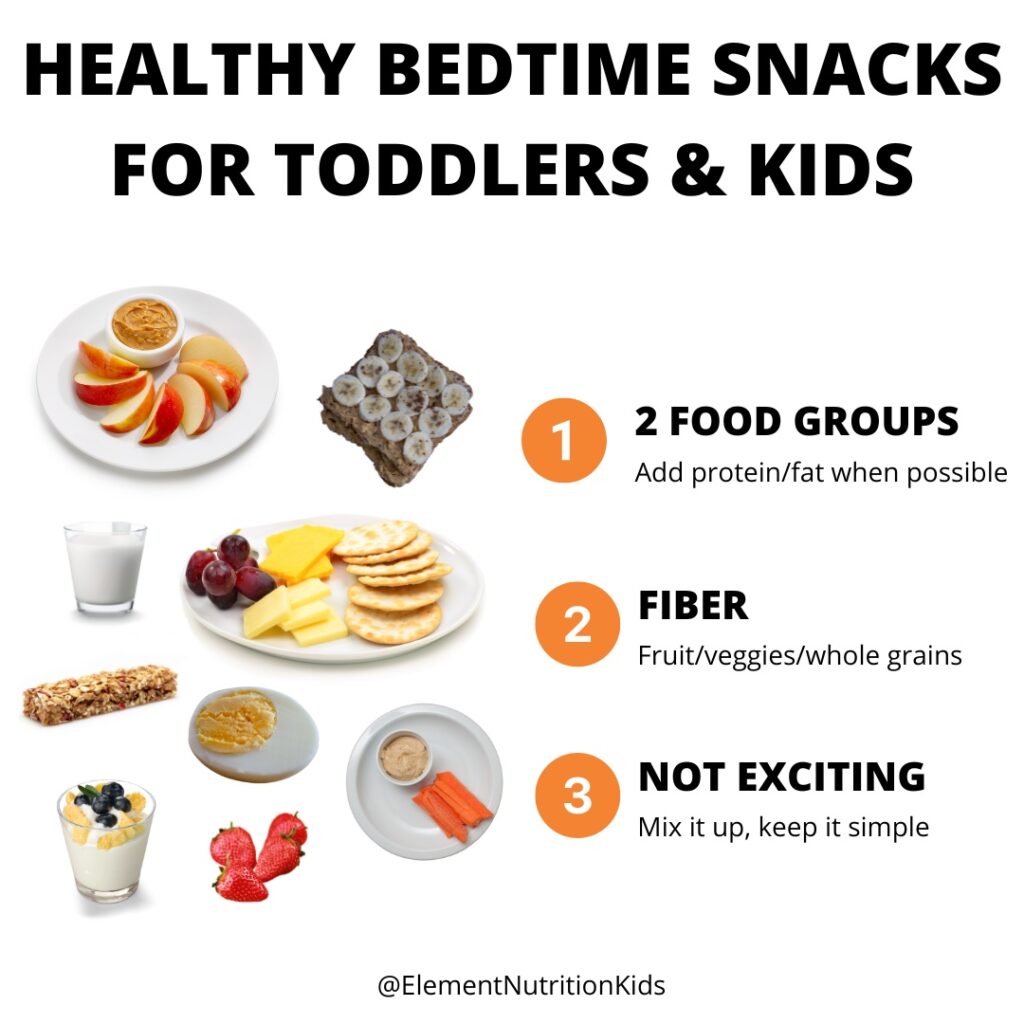
Carbohydrates boost tryptophan absorption in the brain. Protein provides the building blocks for growth and repair. A balanced snack with both carbs and protein helps steady blood sugar levels. This balance prevents wakefulness caused by hunger or energy spikes. Examples include whole grain crackers with cheese or fruit with nut butter.
Top Sleep-friendly Snack Ideas
Choosing the right snack before bedtime can help your toddler sleep better. Snacks that are gentle on the stomach and promote relaxation work best. These foods often contain nutrients that support sleep, like calcium, magnesium, and tryptophan.
Offer small, healthy snacks that satisfy your toddler without causing discomfort. Avoid sugary or heavy foods that might keep them awake. Here are some top sleep-friendly snack ideas to try tonight.
Dairy-based Options
Dairy products contain calcium, which helps the brain use tryptophan to make sleep hormones. A small cup of warm milk is a classic choice. Yogurt is soft and easy to eat, providing protein and probiotics. Cheese slices or cottage cheese can also be good, but keep portions small.
Fruits And Vegetables
Fresh fruits provide natural sugars and vitamins that support rest. Bananas are rich in magnesium and potassium, which relax muscles. Apples or pears offer fiber and a mild sweetness. Steamed carrots or cucumber slices can be light and hydrating. Avoid citrus fruits that might upset the stomach.
Whole Grains And Nuts
Whole grains release energy slowly, helping toddlers feel full longer. Oatmeal or whole-grain crackers are gentle and filling. Nut butters, like almond or peanut butter, add healthy fats and protein. Use small amounts to avoid choking hazards. These snacks help balance blood sugar and promote calmness.
Credit: www.elementnutritionco.com
Foods To Avoid Before Bed
Choosing the right foods for your toddler before bed is important. Some foods can make it hard for them to fall asleep or cause discomfort. Avoid these foods to help your toddler rest well and wake up happy.
High Sugar Snacks
Sweets and candies give a quick burst of energy. This energy can keep toddlers awake and restless. Avoid cookies, cakes, and sugary cereals before bedtime. These snacks can also cause stomach aches and irritability.
Caffeinated And Acidic Foods
Caffeine is a stimulant that stops sleep. Tea, chocolate, and some sodas contain caffeine. Acidic foods like oranges and tomatoes can upset the stomach. Both caffeine and acidic foods should be avoided before bed.
Heavy Or Spicy Meals
Large meals make digestion slow and uncomfortable. Spicy foods may cause heartburn or tummy pain. These can disturb your toddler’s sleep. Choose light and gentle foods in the evening instead.
Snack Portion And Timing Tips
Choosing the right snack size and timing helps your toddler sleep well. Too much food can cause discomfort. Too little might leave them hungry. Finding the balance supports calm nights and happy mornings.
Careful planning of snack portions and timing keeps toddlers satisfied. It also prevents overfeeding before bed. Let’s explore how much to serve and when to serve it.
Ideal Snack Size For Toddlers
Toddlers need small portions that suit their tiny stomachs. A snack should be about 100 to 150 calories. Examples include a small banana, a few crackers with cheese, or a half cup of yogurt. Keep snacks light and easy to digest.
Best Time To Serve Snacks
Offer snacks 30 to 60 minutes before bedtime. This timing helps avoid hunger without causing fullness. Eating too close to bedtime might disrupt sleep. A well-timed snack can keep your toddler calm and ready to rest.
Establishing A Consistent Routine
Routine creates comfort for toddlers. Serve snacks at the same time each night. Consistency helps their bodies know when to expect food. A steady schedule supports better sleep and less fussiness before bed.
Frequently Asked Questions
What Are The Best Bedtime Snacks For Toddlers?
Ideal bedtime snacks for toddlers include small servings of yogurt, banana slices, or whole-grain crackers. These options promote sleep without causing discomfort. Avoid sugary or heavy foods that might disrupt rest.
How Long Before Bedtime Should Toddlers Eat?
Toddlers should eat their last snack about 30 to 60 minutes before bed. This timing aids digestion and helps prevent nighttime discomfort or hunger, promoting a restful sleep.
Can Toddlers Drink Milk Before Bed?
Yes, a small cup of warm milk before bed can be soothing. Milk contains tryptophan, which may help toddlers relax and fall asleep more easily.
What Foods Should Be Avoided Before Toddler Bedtime?
Avoid sugary snacks, caffeine, and heavy meals before bedtime. These can cause energy spikes or digestive issues, making it harder for toddlers to fall asleep and stay asleep.
Conclusion
Feeding your toddler the right foods before bed helps them sleep well. Choose small, healthy snacks with protein or gentle carbs. Avoid sugary or heavy meals that might cause discomfort. Keep portions light to prevent tummy troubles. A calm, consistent bedtime snack routine supports better rest.
Remember, simple foods like bananas, yogurt, or whole grain crackers work great. Healthy eating habits now build a strong foundation for your child’s growth. Small changes make a big difference in your toddler’s nighttime comfort and sleep quality.