Looking for a smart way to save space and stay organized? A bookshelf desk might be exactly what you need.
Imagine having your work area and storage all in one spot—no more clutter, no more wasted space. In this guide, you’ll learn simple steps to create your own bookshelf desk that fits perfectly in your home or office. Whether you’re short on space or just love DIY projects, this easy-to-follow plan will help you build a stylish and functional piece that suits your style.
Ready to transform your room and boost your productivity? Let’s get started!
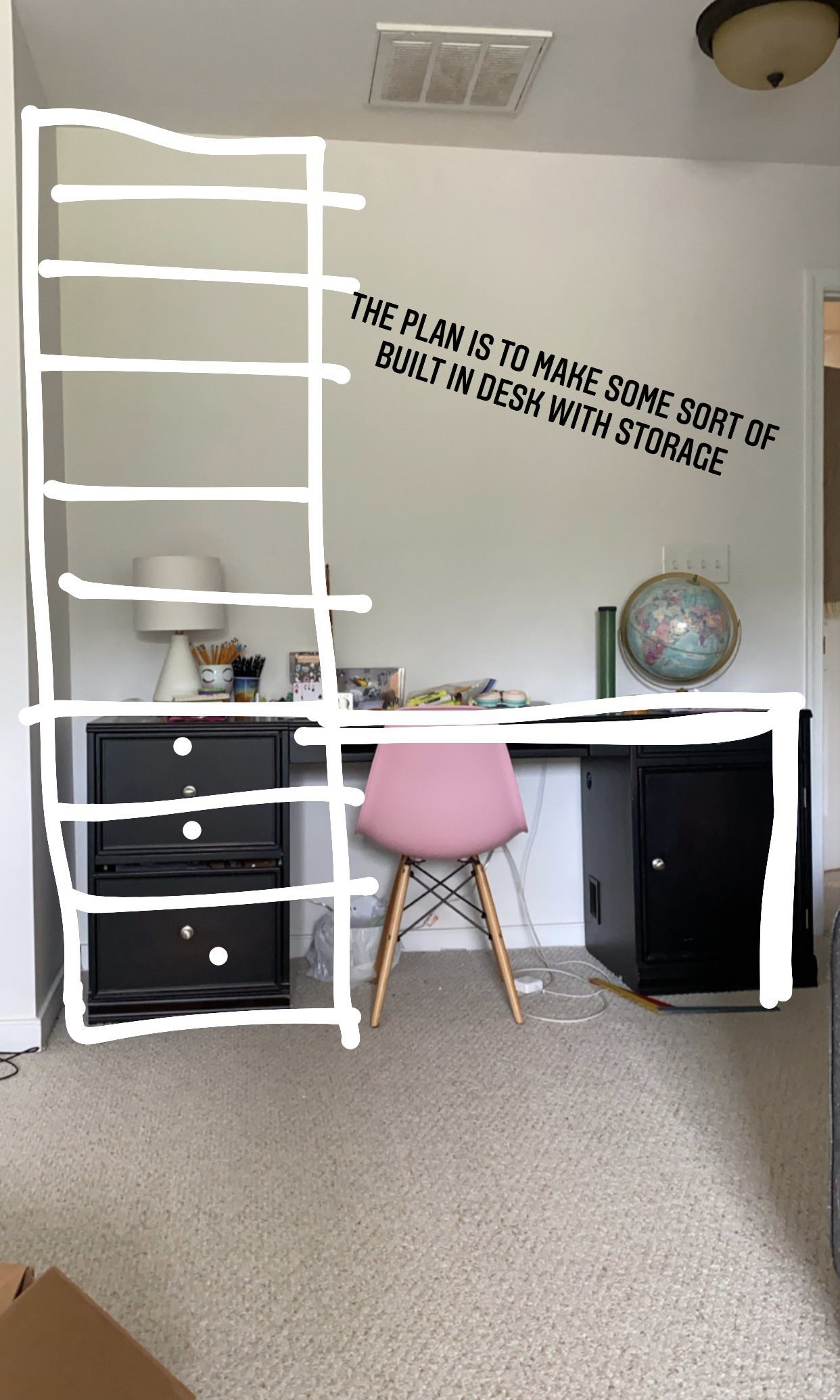
Credit: cassmakeshome.com
Choosing The Right Materials
Choosing the right materials is key to building a sturdy bookshelf desk. The materials affect the desk’s strength, look, and how long it lasts. Picking the best wood or alternative helps you match the desk to your style and budget.
Types Of Wood And Alternatives
Solid wood is strong and looks great. Pine is soft and easy to work with. Oak is harder and lasts longer. Cherry wood has a nice color but costs more.
Wood alternatives include plywood and MDF. Plywood is made of thin wood layers glued together. It is stable and less likely to warp. MDF is smooth and cheap but not as strong as plywood.
Choose wood or alternatives based on your tools, skills, and budget. Think about the desk’s weight and how much use it will get.
Tools You’ll Need
Basic tools make building easier and safer. You need a saw to cut wood pieces. A drill helps make holes for screws. Sandpaper smooths rough edges.
A screwdriver or electric driver fastens parts together. A measuring tape ensures correct sizes. Clamps hold pieces steady while you work. Safety gear like gloves and goggles protects you.
Gather all tools before starting. This saves time and keeps the project smooth.
Designing Your Bookshelf Desk
Designing your bookshelf desk is the first step to a perfect workspace. It blends storage and work area in one piece. This design saves room and keeps things tidy. Careful planning helps the desk fit your needs and space. Think about how you want to use the desk. Will you store many books or need more surface area? These choices guide your design decisions.
Measuring Your Space
Start by measuring the space where the desk will go. Note the width, height, and depth available. Use a tape measure for accuracy. Check for obstacles like power outlets or windows. Leave extra room for movement and chair space. Small spaces need compact designs. Large spaces allow for bigger desks with more shelves.
Balancing Storage And Workspace
Decide how much storage you need versus workspace. Too many shelves can reduce your desk surface. Too little storage may cause clutter. Aim for a balance that fits your habits. Include shelves for books, files, and decor. Keep the desk area clear for writing or computer work. Adjustable shelves offer flexibility for different items.
Building The Frame
Building the frame is the first step in making a strong bookshelf desk. It forms the base that supports the entire structure. A solid frame keeps the desk stable and durable for daily use. Careful planning and precise work are important at this stage.
Start by measuring and cutting wood pieces correctly. Then, join these pieces to create a sturdy base. This process sets the foundation for the shelves and desktop.
Cutting And Preparing Wood
Measure the wood pieces according to your desk design. Use a saw to cut the wood cleanly. Sand the edges to remove rough spots. This prevents splinters and gives a smooth finish. Organize the pieces so you can easily find them later.
Assembling The Base
Lay out the cut pieces on a flat surface. Connect the sides and bottom parts using wood glue or screws. Check if the corners are square with a carpenter’s square tool. Tighten screws firmly but avoid cracking the wood. Let the glue dry completely before adding more parts.

Credit: www.youtube.com
Constructing Shelves
Adding the desk surface is a key step in building your bookshelf desk. This part creates your workspace and links the shelves together. The desk surface must be strong and smooth for writing or using a computer. Careful choice and proper attachment ensure your desk is sturdy and looks good.
Choosing The Right Desk Top
Pick a desk top that fits your space and style. Wood is popular because it is strong and easy to clean. Plywood or MDF boards are budget-friendly and smooth. The thickness matters; 1 inch or more works well for stability. Measure the width and depth to match your bookshelf frame. A flat, even surface helps keep things steady.
Attaching The Work Surface
Secure the desk top firmly to the bookshelf frame. Use screws or brackets to hold it in place. Pre-drill holes to avoid splitting the wood. Check that the surface is level before tightening screws. Adding wood glue along the edges can add extra strength. Make sure the desk top does not wobble or move.
Adding The Desk Surface
Finishing touches bring your bookshelf desk to life. They improve its look and protect the wood. Careful finishing makes your desk last longer. It turns a simple project into a beautiful piece of furniture.
Sanding And Painting
Sanding smooths the wood surface. Use fine-grit sandpaper for the best results. Sand along the grain, not across it. This prevents scratches and rough spots. Clean the dust with a soft cloth before painting.
Choose paint that matches your room’s style. Use a brush or roller for even coverage. Apply thin coats and let each dry well. Two to three coats give good color and protection. Paint also seals the wood from moisture and stains.
Adding Decorative Elements
Decorative elements add personality to your desk. Try using stencils for patterns or shapes. Stickers or decals can brighten plain surfaces. Consider adding knobs or handles to shelves for style and function.
Use trim or molding to create a polished look. Attach small lights under shelves to illuminate your workspace. Choose decorations that fit your taste and room design. Keep it simple to avoid clutter and maintain usability.
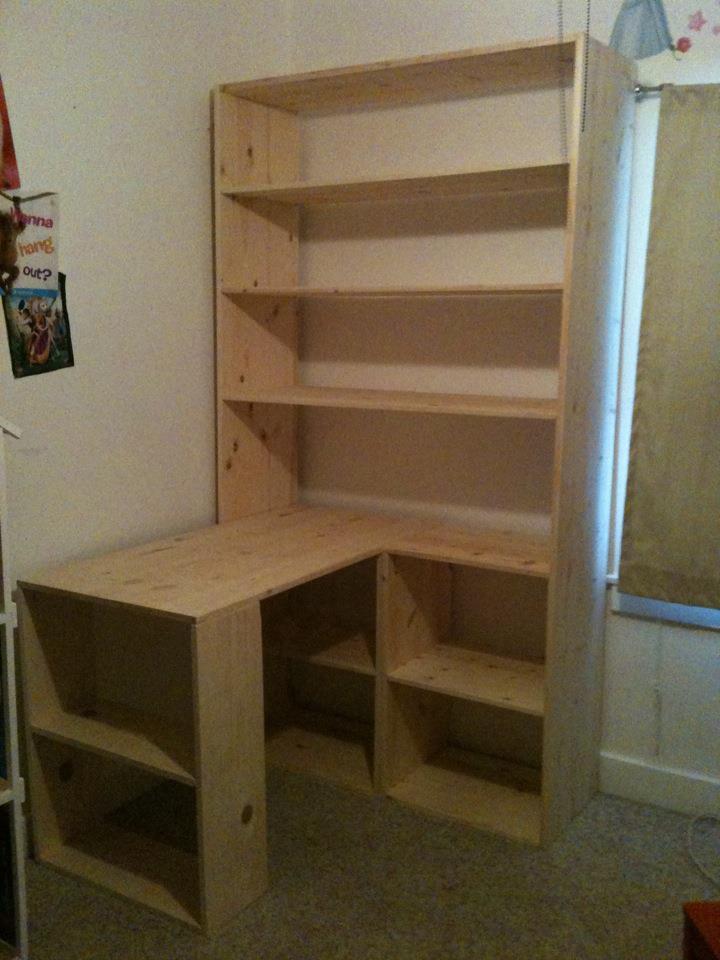
Credit: www.ana-white.com
Finishing Touches
Organizing your workspace is key to a clean and productive environment. A well-arranged desk helps you focus and saves time. Your bookshelf desk can be both functional and tidy with the right approach.
Maximizing Shelf Storage
Use vertical space wisely. Place books, folders, and supplies neatly on shelves. Group similar items together for easy access. Use bins or baskets to keep small items tidy. Label containers to find things fast. Leave some space free to avoid clutter buildup.
Ergonomic Setup Tips
Position your monitor at eye level to reduce neck strain. Keep your keyboard and mouse close to avoid reaching. Use a chair that supports your back well. Ensure your feet rest flat on the floor. Keep essential items within arm’s reach. Good posture helps you work longer and comfortably.
Organizing Your Workspace
Alternative DIY ideas offer fresh ways to build a bookshelf desk. They help save money and reduce waste. These ideas fit small spaces and match different styles. Creativity shines through unique materials and clever designs. Let’s explore options that make your project stand out.
Repurposed Materials
Using old furniture or scrap wood cuts costs. Pallets, crates, and doors can become desk parts. Sand and paint them for a new look. This method is eco-friendly and adds character. Each piece tells a story and makes your desk unique. Tools needed are basic and easy to find. Repurposing saves time by avoiding complex cuts.
Compact And Modular Designs
Compact desks fit well in tight rooms. They use vertical space with shelves above the desk. Modular designs let you add or remove parts. This flexibility suits changing needs and spaces. Pieces can be rearranged for a fresh look. Lightweight materials help move the desk easily. Simple joints and connectors keep assembly fast.
Frequently Asked Questions
What Materials Do I Need To Build A Bookshelf Desk?
You need wood boards, screws, brackets, sandpaper, paint or stain, a drill, and measuring tools. Quality wood ensures durability. Choose screws and brackets for strong support. Sand and finish for a smooth, attractive desk surface.
How Much Time Does It Take To Make A Bookshelf Desk?
Building a bookshelf desk typically takes 4 to 6 hours. Time varies based on your experience and design complexity. Preparation and drying time for paint or stain may add extra hours. Proper planning speeds up the process.
Can I Customize The Size Of My Bookshelf Desk?
Yes, you can customize the size to fit your space. Measure your room and desired desk height carefully. Adjust shelf dimensions for storage needs. Customization ensures the desk fits your style and functional requirements.
Is A Bookshelf Desk Suitable For Small Spaces?
Absolutely, a bookshelf desk is ideal for small spaces. It combines storage and workspace efficiently. Vertical storage saves floor space and reduces clutter. This design maximizes room functionality without sacrificing style.
Conclusion
Building a bookshelf desk is a smart way to save space. It combines storage and work area in one piece. You only need basic tools and simple steps. This project fits well in small rooms or home offices. Personalize your desk with paint or decorations.
Enjoy your new, practical furniture every day. Start your project and make a desk that suits you.
