Are you ready to add style and storage to your room with a sleek horizontal bookshelf? Hanging a bookshelf on your wall might seem tricky, but with the right steps, you can do it quickly and safely.
Imagine having your favorite books, plants, or decor perfectly displayed within easy reach. In this guide, you’ll learn simple tips and tricks to hang your bookshelf straight and secure. Keep reading, and soon your wall will become the highlight of your space.
Choose The Right Bookshelf
Choosing the right bookshelf is key to hanging it safely and looking good on your wall. The bookshelf must fit your space well and hold all your books without trouble. Think about the room size and wall space before picking a shelf. Also, consider what kind of style matches your home and how strong the shelf needs to be.
Consider Size And Weight
Measure the wall area carefully before buying a bookshelf. Pick a shelf size that suits your available space. A shelf too big or small will look odd and may not fit well. Check the weight of the shelf alone and think about the weight of books you will add. Heavy shelves need stronger support and better wall anchors to stay safe.
Select Suitable Material
Bookshelves come in wood, metal, plastic, and more. Wood shelves offer a classic look and strong support. Metal shelves are sturdy and good for heavy loads. Plastic shelves work for light books and are easy to install. Choose a material that matches your room style and can hold your books without bending or breaking.
Gather Necessary Tools
Gathering the right tools is the first step to hang your bookshelf safely and securely. Having everything ready saves time and avoids frustration. You will feel more confident during the process.
Below is a clear list of essential tools. Also, find safety gear recommendations to keep you protected.
List Essential Tools
- Drill with screwdriver bits
- Stud finder to locate wall studs
- Level to keep the shelf straight
- Measuring tape for accurate placement
- Pencil to mark drill points
- Wall anchors and screws suitable for your wall type
- Screwdriver for tightening screws
Safety Gear Recommendations
- Safety glasses to protect your eyes from dust
- Work gloves to prevent hand injuries
- Mask to avoid inhaling dust while drilling
- Closed-toe shoes to protect your feet
Find The Perfect Wall Spot
Finding the perfect spot on your wall is key to hanging a horizontal bookshelf safely and attractively. The right location makes your shelf both useful and sturdy. Take time to choose a wall area that fits your room’s flow and supports the shelf’s weight well.
Check Wall Material
Start by identifying what type of wall you have. Drywall, plaster, brick, and concrete need different tools and anchors. Drywall alone cannot hold heavy shelves without support from studs. Use a stud finder to locate wooden or metal studs behind drywall. Mount your shelf on studs for the best hold. For brick or concrete walls, use masonry anchors and screws designed for those surfaces.
Avoid Electrical And Plumbing Lines
Safety first. Avoid drilling into electrical wires or plumbing pipes hidden inside walls. Use a detector to scan for live wires and pipes before drilling. Mark these areas clearly to steer clear. Damaging these lines can cause serious harm or expensive repairs. Choose a wall spot free of these hazards to ensure safe installation.
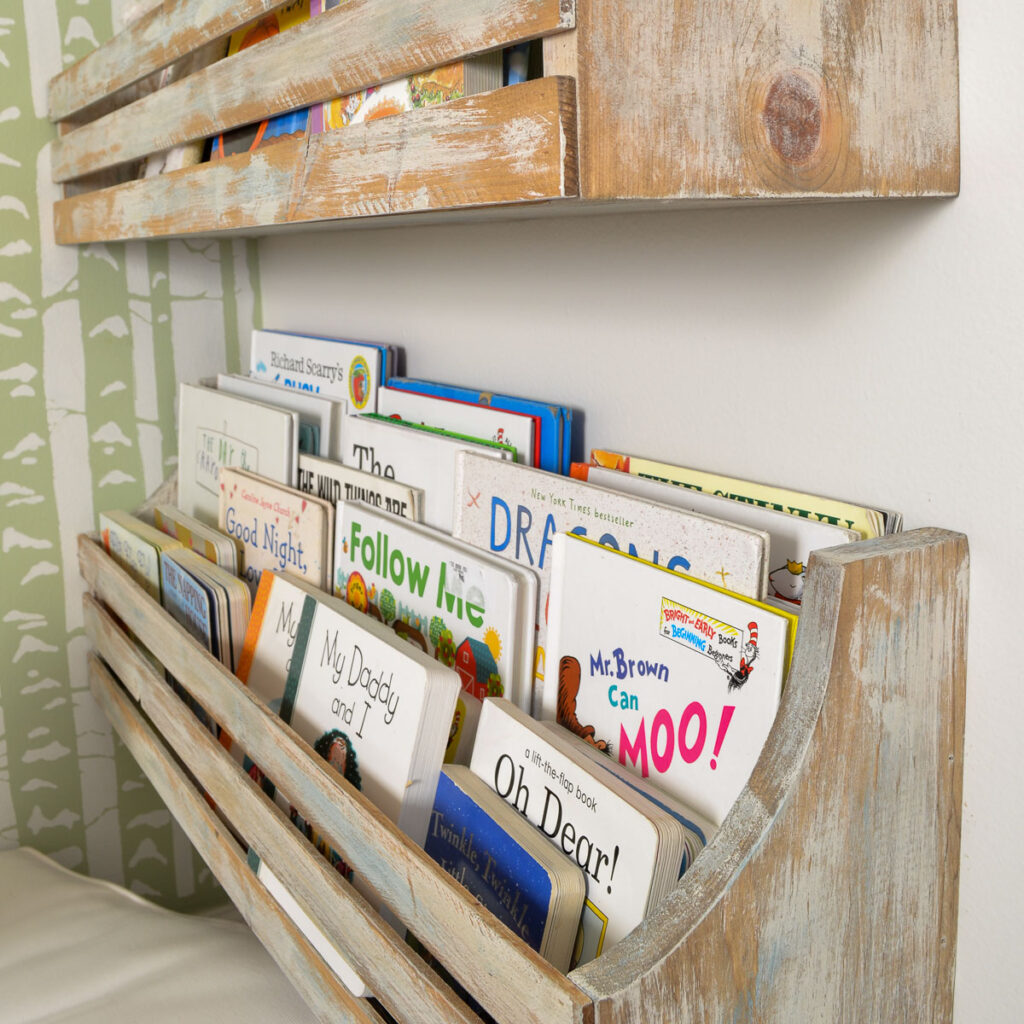
Credit: refreshliving.us
Mark Mounting Points
Marking the mounting points is a key step to hang a bookshelf horizontally. It ensures the shelf will be straight and secure on the wall. Precise marks help avoid mistakes and make installation easier. Take your time to mark the right spots before drilling any holes.
Use A Level For Accuracy
Start by placing a level along the wall where you want the shelf. Adjust it until the bubble is centered. This shows a perfectly horizontal line. Use a pencil to draw a faint line along the level’s edge. This line guides where the shelf brackets will go.
Measure And Mark Studs
Studs provide strong support for heavy shelves. Use a stud finder to locate studs behind the wall. Mark their edges lightly with a pencil on the horizontal line. Space the marks to match the bracket holes on your shelf. This keeps the shelf stable and prevents it from falling.
Install Wall Anchors
Installing wall anchors is key to hanging a bookshelf horizontally. Wall anchors help hold the weight and keep the shelf steady. They stop the screws from pulling out of the wall. Using the right anchors makes your shelf safe and strong.
Choose Appropriate Anchors
Select anchors that fit your wall type. Drywall needs different anchors than brick or concrete. Plastic anchors work for light loads. Metal anchors hold more weight. Match the anchor size to the screw size for a tight fit. Check the weight limit on the package before buying.
Drill Pilot Holes
Mark the spots on the wall where anchors go. Use a drill bit that matches anchor size. Drill holes carefully and straight. Make sure holes are deep enough for anchors to fit fully. Clean out dust from holes to help anchors grip better.

Credit: www.youtube.com
Attach Mounting Brackets
Attaching mounting brackets is a key step to hang your bookshelf horizontally. It holds the shelf firmly on the wall. Proper attachment keeps the shelf stable and safe for your books.
Start by positioning the brackets where you want the shelf to sit. Mark the holes for drilling. Use a level to keep the brackets straight. The right placement makes a big difference.
Secure Brackets To Wall
Use a drill to make holes in the wall at marked points. Insert wall anchors if you don’t hit a stud. Screw the brackets tightly into the wall. Check that they feel strong and don’t wiggle.
Double Check Alignment
Place a level on the brackets before hanging the shelf. Adjust if needed to ensure they are perfectly horizontal. Misaligned brackets cause the shelf to tilt. Confirm everything is straight for a professional look.
Mount The Bookshelf
Mounting a bookshelf on the wall is a key step in creating a sturdy and safe storage space. This process needs care and the right technique to keep the shelf steady. Follow these clear steps to mount your horizontal bookshelf correctly.
Lift And Position Shelf
First, lift the bookshelf carefully. Hold it steady to avoid damage. Position the shelf over the brackets fixed on the wall. Make sure it aligns perfectly with the brackets. Check that the shelf sits flat and straight.
Secure Shelf To Brackets
Next, secure the shelf to the brackets. Use screws or bolts that came with your brackets. Tighten them firmly but do not over-tighten. Over-tightening can damage the wood or brackets. Double-check the shelf does not wobble after securing. This keeps your books safe and the shelf stable.

Credit: www.amazon.com
Final Adjustments
After mounting your bookshelf on the wall, the final adjustments are crucial. These small checks ensure the shelf stays secure and looks perfect. Taking time here prevents future problems and keeps your books safe.
Ensure Level Placement
Use a level tool to check the shelf’s alignment. Place it on top of the shelf and see if the bubble is centered. Adjust the shelf slightly until it is perfectly horizontal. A level shelf prevents books from sliding off.
Tighten All Screws
Go over all screws and wall anchors once more. Tighten each screw firmly but avoid overtightening. Loose screws can cause the shelf to wobble. Well-secured screws keep the shelf stable and strong.
Tips For Maintenance
Keeping your horizontal bookshelf safe and strong takes some care. Regular maintenance helps the shelf last longer. It also protects your books and wall from damage. Follow simple tips to keep your shelf steady and reliable.
Check the shelf often. Look for any signs of wear or looseness. Small problems can grow if not fixed early. A quick check saves time and money later.
Regularly Check Stability
Look at the shelf every few weeks. Press lightly on the edges to feel if it moves. Check the brackets and screws for tightness. Tighten any loose screws with a screwdriver. Replace damaged brackets to keep the shelf safe.
Avoid Overloading Shelf
Do not put too many heavy books on the shelf. Each shelf has a weight limit. Follow the limit to stop the shelf from bending or falling. Spread books evenly to balance the weight. Heavy items should go on lower shelves for safety.
Frequently Asked Questions
How Do I Hang A Bookshelf Horizontally On Drywall?
Use wall anchors or toggle bolts for drywall. Locate studs with a stud finder. Secure brackets into studs for maximum support. This prevents the shelf from falling under weight.
What Tools Are Needed To Hang A Horizontal Bookshelf?
You need a drill, level, stud finder, screwdriver, measuring tape, and wall anchors. These tools help ensure proper placement and secure mounting of the bookshelf.
How High Should I Hang A Horizontal Bookshelf?
Hang the bookshelf at eye level or slightly above, about 57-60 inches from the floor. This height is ergonomic and visually appealing for most users.
Can I Hang A Bookshelf Without Studs?
Yes, use heavy-duty wall anchors or toggle bolts. These support weight on drywall alone but check the weight limit to avoid accidents.
Conclusion
Hanging a bookshelf horizontally is easier than it seems. Follow each step carefully for a strong hold. Use the right tools to keep your shelf steady. Measure and mark the wall to avoid mistakes. Take your time and work safely.
Soon, your books will have a perfect new home. Enjoy the neat and stylish look it brings. Keep practicing, and this task will feel simple. Your wall will look great, and your books stay secure.

