Wondering when the right time is to move your little one from a crib to a toddler bed? You’re not alone.
This big step can feel tricky, and you want to make sure your child is ready and safe. Choosing the perfect age to make the switch can help your baby sleep better and keep your home peaceful at night. Keep reading, and you’ll discover clear signs, helpful tips, and expert advice to guide you through this important transition with confidence.

Credit: www.whattoexpect.com
Signs Baby Is Ready
Knowing when to move your baby to a toddler bed is key for a smooth transition. Babies show clear signs that they are ready for this change. These signs help parents decide the right time to switch beds. Watch for physical, behavioral, and safety signals. These clues ensure your child’s comfort and safety during the move.
Physical Milestones
Your baby starts to grow and develop new skills. Climbing out of the crib is a big sign. It shows they may need a more open bed. Babies who can sit up, stand, and walk well often handle toddler beds better. Stronger muscles and balance help prevent falls. These milestones mean your baby is physically ready for a new sleeping space.
Behavioral Clues
Notice how your baby acts around bedtime. If they resist the crib or cry often, they might want a change. Babies who try to climb out or push the crib rails show frustration. Showing interest in your bed or other beds can also be a sign. Toddlers who want more freedom at night may adjust well to a toddler bed.
Safety Concerns
Safety is the top priority in switching beds. If your baby climbs out of the crib, falls risk increase. A toddler bed with guardrails helps keep them safe. Make sure the room is childproofed. Remove sharp objects and lock doors and windows. A safe environment supports a better sleep transition for your toddler.
Ideal Age Range
Choosing the right age to move a baby to a toddler bed is important. The ideal age range depends on several factors. It ensures safety and comfort for the child. Parents often wonder when this transition should happen. Knowing common age benchmarks, child variations, and expert advice helps make the decision easier.
Common Age Benchmarks
Most children switch to toddler beds between 18 months and 3 years old. Many start closer to 2 years old. This age allows toddlers to grow out of their cribs safely. It also fits their growing need for freedom and space. The timing may depend on when the child starts climbing out of the crib.
Variations By Child
Every child is different. Some are ready earlier or later than others. Physical growth, motor skills, and temperament affect readiness. Some toddlers feel comfortable in a crib longer. Others want to explore and move sooner. Watch your child’s behavior to choose the best time.
Pediatric Recommendations
Doctors suggest waiting until a child can climb out of the crib. This prevents injury from falls. Pediatricians recommend toddler beds as a safe next step. They advise using beds with guardrails to avoid rolling out. Safety and child readiness guide their advice.
Choosing The Right Bed
Choosing the right bed for your toddler is an important step. The bed should be safe and comfortable. It must suit your child’s needs and your space. This decision helps make bedtime easier for everyone.
Consider different types of beds and their features. Think about how your child will use the bed. Safety is the top priority. The right bed helps your toddler feel secure and happy.
Types Of Toddler Beds
Toddler beds come in many styles. Some look like small beds with rails. Others transform from cribs to beds. There are simple frames and themed beds with fun designs. Choose a bed that fits your room and your child’s personality.
Safety Features To Look For
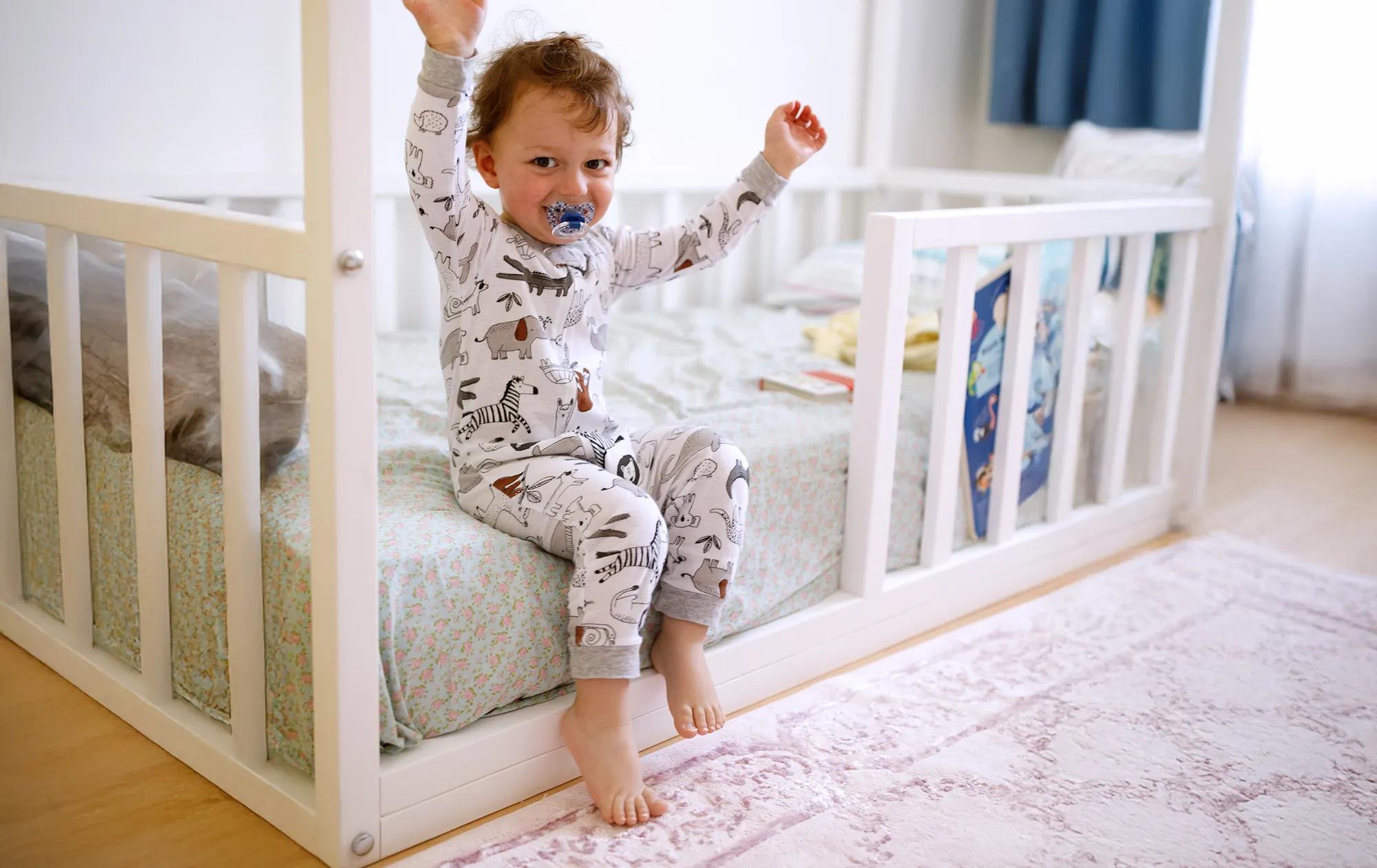
Safety is key in any toddler bed. Look for rails on the sides to stop falls. Check for sturdy frames that do not wobble. The mattress should fit tightly with no gaps. Avoid beds with sharp edges or loose parts. These features keep your child safe during sleep.
Transition Beds Vs. Cribs
Transition beds help your child move from crib to bed smoothly. They are low to the ground and have side rails. Cribs are safer for younger babies but can feel small for toddlers. Transition beds give more freedom while still offering protection. Choose the type that matches your child’s age and comfort.
Preparing Your Child
Preparing your child for the move to a toddler bed takes time and care. It helps your child feel safe and excited about this new step. A smooth transition supports better sleep for both you and your child. Focus on gentle changes and clear routines.
Introducing The New Bed
Show the toddler bed as a special place. Let your child touch and explore it during the day. Read bedtime stories in the new bed to build comfort. Avoid rushing the first night. Small steps help your child adjust.
Establishing A Bedtime Routine
Keep bedtime simple and consistent. Bath time, brushing teeth, and a story create a calm mood. Stick to the same time every night. A clear routine signals it is time to sleep. This helps your child feel secure.
Handling Separation Anxiety
Separation anxiety is normal at this stage. Stay close and calm during bedtime. Use a favorite toy or blanket for comfort. Reassure your child with soft words and hugs. Gradually give more independence to build confidence.
Troubleshooting Challenges
Moving a baby to a toddler bed can bring new challenges. Parents often face problems that disturb sleep and cause stress. Understanding these issues helps parents handle them calmly. This section discusses common problems and ways to ease the transition.
Nighttime Wandering
Some toddlers get out of bed at night. They may walk around the room or house. This can be unsafe and tiring for parents. To reduce wandering, use safety gates or door alarms. Keep the room calm and dark. A nightlight helps some children feel safe.
Resistance To Change
Toddlers often resist leaving their crib. The new bed feels strange and scary. They may cry or refuse to sleep. Give comfort by staying close at bedtime. Use familiar blankets or toys for security. Be patient and consistent with bedtime routines.
Sleep Regression Solutions
Moving to a toddler bed can cause sleep setbacks. Toddlers may wake more or have trouble falling asleep. Keep a steady bedtime and nap schedule. Avoid big changes during this time. Calm activities before bed help relax your child. Praise small wins to encourage good sleep habits.
Safety Tips For Toddler Beds
Moving your baby to a toddler bed is a big step. Safety is very important during this change. Ensuring the bed and room are safe helps your toddler sleep well and stay protected. Follow these tips to create a safe sleep space for your child.
Room Proofing
Check the entire room for hazards. Cover electrical outlets with safety plugs. Secure furniture to the wall to prevent tipping. Remove small objects that your toddler can swallow. Keep cords and blinds out of reach. Make sure the floor is clear of toys and clutter. These steps reduce injury risks and make the room safer.
Choosing Mattress And Bedding
Pick a mattress that fits the toddler bed frame well. Avoid mattresses that are too soft to prevent suffocation risks. Use fitted sheets that stay in place all night. Choose lightweight blankets instead of heavy comforters. Remove pillows and stuffed toys from the bed. These choices help keep your toddler safe and comfortable.
Monitoring Sleep Environment
Keep the room at a comfortable temperature. Use a baby monitor to hear your toddler during sleep. Check the room regularly for hazards that may appear. Watch for signs of discomfort or restless sleep. A calm, safe environment helps your toddler feel secure at bedtime.
When To Move To A Big Kid Bed
Knowing when to move your child to a big kid bed is important. It helps keep them safe and comfortable. This transition marks a new stage in your child’s growth. Watch for signs that show your toddler is ready for a bigger bed. Timing this change right can make bedtime easier for everyone. Comfort and security remain key during this shift.
Signs Of Outgrowing Toddler Bed
Your child may feel cramped in a toddler bed. Their feet might hang over the edge. They could climb out of the bed often. Night waking and restlessness might increase. Your child may ask for a bigger bed. These signs suggest it is time to move on.
Timing The Next Transition
Most children switch between ages two and four. Consider your child’s size and behavior. Avoid rushing the change too early. Watch for readiness cues instead. Plan the move during a calm period. Avoid times of stress or big changes.
Maintaining Comfort And Security
Keep bedtime routines consistent to ease the transition. Use familiar pillows, blankets, or toys. Place the bed in a safe, quiet spot. Talk positively about the big kid bed. Praise your child for growing up. These steps help your child feel secure and happy.

Credit: dreamonme.com
Credit: health.clevelandclinic.org
Frequently Asked Questions
When Is The Best Age To Switch To A Toddler Bed?
Most toddlers transition between 18 months and 3 years old. This depends on their size, safety, and readiness for independence. Parents should watch for signs like climbing out of the crib or expressing interest in a bigger bed.
How To Know If Baby Is Ready For Toddler Bed?
Look for signs such as climbing out of the crib or showing curiosity about a bigger bed. Your toddler should be able to follow simple safety rules and feel comfortable sleeping without crib rails.
What Safety Measures Are Needed For Toddler Beds?
Ensure the bed has guardrails to prevent falls. Place the bed away from windows and sharp furniture. Use a firm mattress and keep the room childproofed to create a safe sleeping space.
Can Toddlers Sleep With Blankets And Pillows Safely?
Yes, but introduce them gradually around age 2 or when your child shows readiness. Use lightweight blankets and avoid heavy pillows to reduce suffocation risks. Always supervise your toddler’s sleep environment.
Conclusion
Choosing the right age to move your baby to a toddler bed matters. Most toddlers switch between 18 months and 3 years old. Watch your child’s safety and comfort. Signs like climbing out of the crib help guide timing. Make the room cozy and familiar for a smooth change.
Every child grows at their own pace. Trust your instincts and keep your child’s needs first. This helps create a happy, safe sleep space for your toddler.