Are you wondering when the right time is to move your toddler from a crib to a bed? It’s a big step for both you and your little one, and you want to get it just right.
Choosing the perfect age can make bedtime easier, safer, and more comfortable for your child. You’ll discover key signs to watch for, expert advice, and practical tips to help you decide exactly when your toddler is ready. Keep reading, because getting this transition right can bring peace to your nights and comfort to your toddler’s sleep.

Credit: www.babysleepmadesimple.com
Signs Your Toddler Is Ready
Knowing when to move your toddler to a bed can be tricky. Watch for key signs that show readiness. These signs help make the transition safe and smooth. Pay close attention to your child’s growth, behavior, and sleep habits. Each of these areas reveals clues about their readiness.
Physical Growth Indicators
Your toddler may be ready if they can climb out of their crib. This shows they have the strength and coordination for a bed. Also, check their size. If the crib feels cramped, a bed might suit them better. Look for increased mobility like walking and climbing stairs safely. These physical changes show readiness for more space.
Behavioral Changes
Notice if your toddler expresses interest in a big bed. They might want to sleep like older kids or adults. Signs include asking to sleep in your bed or playing in the crib. Also, toddlers who resist the crib or try to escape may be ready. These behaviors suggest they want more freedom while sleeping.
Sleep Patterns
Observe changes in your toddler’s sleep. Frequent waking or trouble settling may mean the crib is too small. If your child naps less or sleeps longer at night, a bed may help. Consistent sleep routines also show readiness. When your toddler sleeps through the night, they may be ready for a bed.

Credit: sarahockwell-smith.com
Benefits Of Early Transition
Transitioning a toddler to a bed early has many benefits. It helps your child feel more comfortable and confident. Early change can make sleep times smoother for both parents and toddlers.
Choosing the right time to move your child to a bed can improve their overall well-being. It supports healthy growth and development. Let’s explore the key benefits of this early transition.
Improved Sleep Quality
Toddlers often sleep better in a bed than in a crib. Beds give them more space to move and stretch. This freedom can reduce waking up at night.
Moving early helps toddlers develop a regular sleep routine. It encourages them to settle down on their own. Better sleep means more energy and a happier mood during the day.
Boosted Independence
Using a bed helps toddlers learn to be independent. They can get in and out of bed by themselves. This freedom builds confidence and self-reliance.
Independence at bedtime creates a sense of responsibility. Toddlers start managing their own sleep habits. This step is important for their growth and daily routine.
Safety Considerations
Early transition requires attention to safety. Choose a bed with guardrails to prevent falls. Keep the room free from sharp or dangerous objects.
Place the bed low to the ground for easy access. Teach your toddler about safe bedtime habits. A safe environment reduces risks and gives parents peace of mind.
Risks Of Moving Too Soon
Moving your toddler to a big bed too early can cause problems. It may affect their sleep, safety, and emotions. Understanding these risks helps you decide the right time for the change.
Increased Night Wakings
Toddlers used to a crib feel safe and secure. A big bed can feel strange and open. This change may cause them to wake up more often at night. They might feel unsure and call for you. More night wakings mean less rest for both of you.
Safety Hazards
Big beds do not have rails to keep toddlers in. Young children can fall out and get hurt. They might also climb out and wander around the house. This can lead to accidents or injuries. Ensuring the child is ready helps keep them safe.
Emotional Readiness
Toddlers must feel ready to leave their crib. Some may feel scared or anxious in a big bed. They might miss the comfort of their crib walls. Moving too soon can cause stress and upset. Watching your child’s feelings is very important.
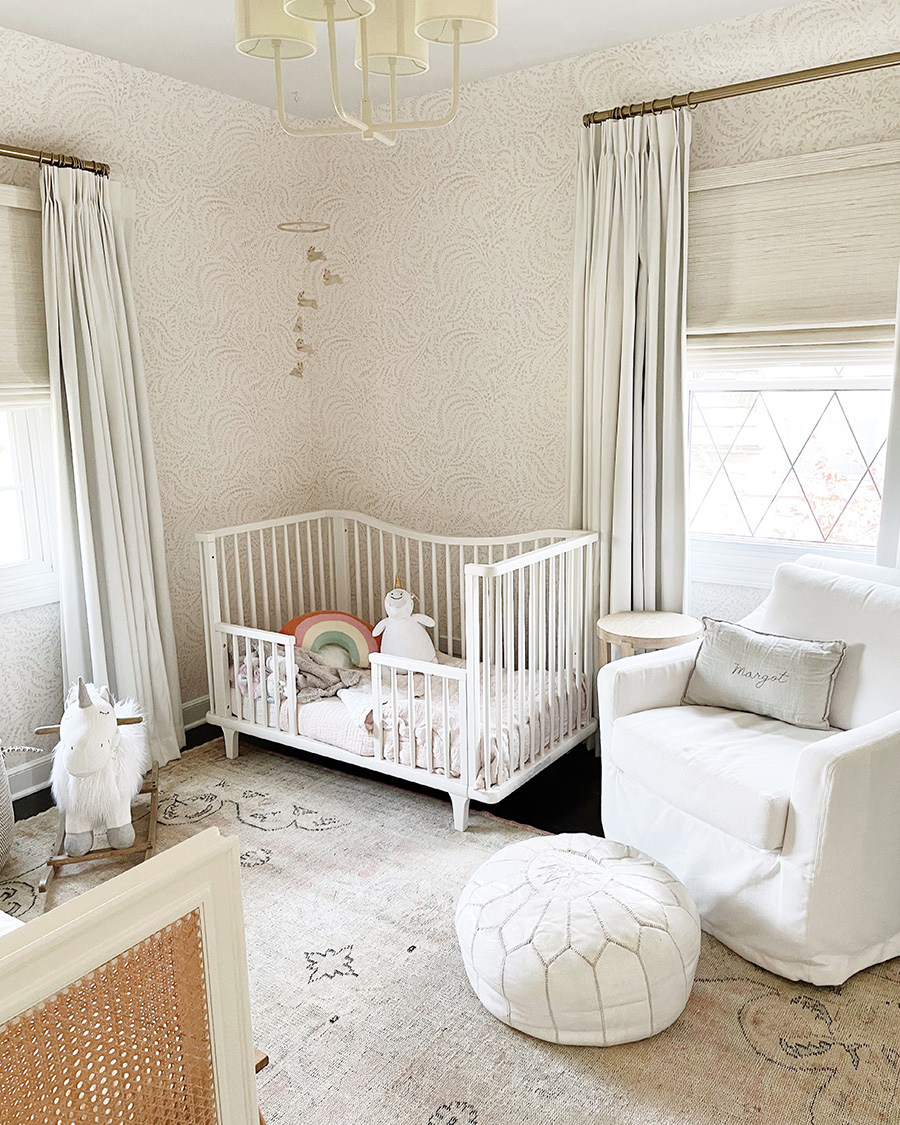
Credit: www.danielle-moss.com
Choosing The Right Bed
Choosing the right bed for your toddler is an important step. It helps your child feel safe and comfortable. The bed should match your child’s size and needs. It also needs to have safety features to prevent accidents. This guide will help you pick the best bed for your toddler.
Types Of Toddler Beds
Toddler beds come in many styles. The most common is a small bed with guardrails. These rails stop your child from falling out. Some beds convert from cribs to toddler beds. Others look like mini versions of adult beds. Choose a style that fits your space and your child’s preferences.
Safety Features To Look For
Safety is key for toddler beds. Look for strong guardrails on both sides. The bed should be low to the ground. This reduces the risk of injury from falls. Check for smooth edges to avoid cuts. Use non-toxic paint or finishes to keep your child safe.
Comfort And Size
Comfort helps your toddler sleep well. The mattress should fit the bed snugly. Avoid gaps where your child can get stuck. Choose a mattress that is firm but soft enough. The bed size should allow your child to grow a bit. A good fit supports healthy sleep habits.
Tips For A Smooth Transition
Transitioning your toddler to a bed can be a big change. It takes patience and care to make it smooth. Small steps help your child feel safe and ready. Creating good habits early makes bedtime easier for everyone.
Establishing A Bedtime Routine
Set a regular time for sleep each night. Follow the same steps before bed. This might include a bath, story, and quiet talk. A simple routine signals the body it is time to rest. Consistency helps your toddler feel calm and secure.
Creating A Comfortable Sleep Environment
Make the bed cozy with soft sheets and favorite blankets. Keep the room dark or use a nightlight if needed. Keep noise low to avoid waking your child. A peaceful space encourages better sleep. Check the room temperature is not too hot or cold.
Involving Your Toddler In The Process
Let your toddler pick their bedding or a stuffed toy. Talk about the new bed and how fun it is. Celebrate small steps, like sitting or lying down in the bed. This builds excitement and confidence. Children feel more in control and less afraid.
Handling Common Challenges
Moving a toddler to a bed can bring some challenges. Parents often face common issues like fears, resistance, and setting limits. Handling these problems well helps the child adjust smoothly. Patience and clear steps make the process easier for both.
Dealing With Nighttime Fears
Nighttime fears are normal for toddlers. Darkness and new surroundings can feel scary. Use a nightlight to create a soft glow. Read a calm story before sleep. Reassure your child they are safe. Avoid scary stories or images before bed. Comfort and consistency reduce fear over time.
Managing Bedtime Resistance
Toddlers may say no to going to bed. They want more play or attention. Create a simple bedtime routine to signal rest time. Offer choices like picking pajamas or a favorite toy. Keep the routine short and calm. Stay firm but gentle when enforcing bedtime. Praise your child for following the routine.
Setting Boundaries
Clear boundaries help toddlers understand rules. Explain bedtime rules in simple words. Examples include staying in bed and quiet time. Use gentle reminders if rules are broken. Consistent rules build trust and security. Avoid giving in to tantrums or cries. Boundaries create a peaceful night for all.
When To Consult A Pediatrician
Deciding the right age for your toddler to move to a bed can feel tricky. Sometimes, changes in sleep or behavior might need a doctor’s advice. Knowing when to speak with a pediatrician helps keep your child safe and healthy. Watch for signs that go beyond normal growing pains.
Sleep Disorders
Frequent night waking or trouble falling asleep may signal a problem. Snoring loudly or gasping for air during sleep could mean a sleep disorder. Pediatricians can diagnose and treat issues like sleep apnea or restless leg syndrome. Early help improves your child’s rest and daily mood.
Developmental Concerns
Delays in walking, talking, or other skills can affect bedtime routines. If your toddler struggles with coordination or understanding simple tasks, seek advice. Doctors check for developmental delays or conditions needing support. Early detection allows better care and smoother transitions to a bed.
Behavioral Issues
Excessive fear of sleeping alone or frequent tantrums at bedtime may worry you. Sudden changes in behavior or anxiety could need professional help. Pediatricians guide parents on managing fears and improving sleep habits. Addressing these problems helps your toddler feel safe and calm at night.
Frequently Asked Questions
When Is The Best Age To Transition Toddler To A Bed?
Most toddlers move to a bed between 18 months and 3 years. This depends on their size, safety, and readiness. Watch for signs like climbing out of the crib or showing interest in a big bed.
How Do I Know If My Toddler Is Ready For A Bed?
Signs include climbing out of the crib, expressing interest in a bed, and following simple instructions. Safety and emotional readiness are key factors to consider before transitioning.
What Type Of Bed Is Safest For Toddlers?
Toddler beds with guardrails offer safety and familiarity. They are low to the ground, reducing fall risks. Convertible cribs can also transition into toddler beds, making them a practical choice.
How Can I Make Bedtime Safe After Moving To A Bed?
Use guardrails, remove hazards, and keep the room childproofed. Establish a bedtime routine and ensure the bed is low to minimize injury risk. Nightlights can help ease anxiety.
Conclusion
Choosing the right age to move your toddler to a bed depends on many things. Every child grows and learns at their own pace. Watch for signs they are ready, like climbing out of the crib or asking for a big bed.
Safety matters most, so pick a bed with guardrails. Make the change smooth with calm bedtime routines. Patience helps both you and your child adjust well. Remember, there is no perfect age, only the best time for your family. Trust your instincts and enjoy this new stage together.