Have you ever found yourself awkwardly trying to sit up in a lower bunk bed, only to feel uncomfortable or cramped? You’re not alone.
Knowing the right way to sit in a lower bunk bed can make a big difference in how relaxed and safe you feel. You’ll discover simple tips that help you sit comfortably and avoid common mistakes. Keep reading to make your bunk bed experience much better—your back and body will thank you!

Credit: www.maxtrixkids.com
Choosing The Right Lower Bunk Bed
Choosing the right lower bunk bed is important for comfort and safety. It affects how you sit, sleep, and use the space. The right bed fits your room and meets your needs. Think about materials, safety, and size before buying.
Materials And Build Quality
Strong materials make a bunk bed last longer. Wood and metal are common choices. Wood feels warm and sturdy. Metal is light and easy to move. Check the bed’s joints and screws. Tight joints mean less noise and more safety. Avoid beds with rough or cheap finishes. Smooth surfaces reduce splinters and scratches.
Safety Features To Look For
Safety is key for any bunk bed. Look for guardrails on the upper bunk. They stop falls at night. The ladder should be easy to climb and stable. Rounded edges prevent injuries. Check if the bed meets safety standards. Strong frames prevent wobbling and accidents. A secure bed helps you relax and sit comfortably.
Size And Space Considerations
Measure your room before choosing a bed. The lower bunk should fit the space well. Check the height between the lower and upper bunk. Enough headroom makes sitting easier. A bed that is too big makes the room tight. Choose a size that leaves space to move around. Proper space means better comfort and use.
Preparing Your Lower Bunk Bed
Preparing your lower bunk bed properly makes sitting more comfortable and safe. A well-prepared bed supports good posture and reduces discomfort. Small steps in preparation can improve your experience greatly.
Focus on mattress choice, bedding comfort, and bed stability. Each part plays a key role in creating a cozy and secure sitting spot.
Proper Mattress Selection
Choose a mattress that fits the lower bunk perfectly. It should not be too thick or too thin. A medium-firm mattress offers good support and comfort. Avoid mattresses that sag or feel too soft. This helps maintain proper back support while sitting.
Adding Comfortable Bedding
Pick soft, breathable bedding for added comfort. Use sheets and blankets that feel smooth against your skin. Layering with a light blanket can provide warmth without bulk. Keep bedding tidy to avoid lumps that cause discomfort when sitting.
Ensuring Stability And Support
Check the bed frame for any loose parts or wobbling. Tighten screws and bolts to secure the structure. Use a sturdy ladder or steps to access the upper bunk safely. Good stability prevents accidents and helps you sit with confidence.
Sitting Techniques For Comfort
Sitting comfortably in a lower bunk bed can make your time more relaxing. It helps to avoid strain and keeps your body happy. Using the right techniques makes a big difference. Focus on how you sit and support your body well. This section shares simple tips to improve your sitting comfort.
Posture Tips
Keep your back straight but relaxed. Avoid slouching or leaning too far forward. Sit with your feet flat on the bed or floor. This helps balance your body weight evenly. Use your core muscles to support your spine. Good posture prevents aches and keeps you comfortable longer.
Adjusting Your Position
Change your sitting position often to avoid stiffness. Shift your hips slightly left or right now and then. Move your legs to stretch your muscles. Lean back gently against the bed frame or wall. Small adjustments keep blood flowing and reduce pressure points.
Using Pillows And Cushions
Place a pillow behind your lower back for extra support. Use cushions under your knees or behind your sides to ease tension. Soft pillows soften hard surfaces and improve comfort. Choose pillows that keep you in a natural sitting position. These simple additions can make sitting in a bunk bed much nicer.
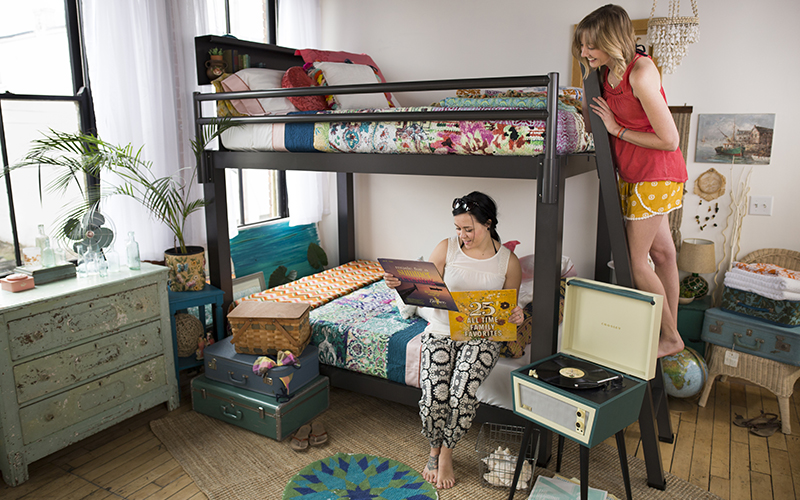
Credit: adultbunkbeds.com
Safety Tips While Sitting
Sitting safely in a lower bunk bed is important to avoid injuries. Knowing simple safety tips helps you feel secure and comfortable. These tips focus on how to avoid falls, enter and exit safely, and keep the area clear.
Avoiding Falls And Injuries
Always sit down slowly and carefully on the edge. Keep your feet on the floor for balance. Avoid sudden movements that could cause slipping or falling. Use the bed frame or nearby furniture to steady yourself if needed.
Safe Entry And Exit
Climb in and out of the lower bunk using both hands. Step down gently and make sure your feet touch the floor first. Avoid jumping or quick movements while getting on or off. Take your time to prevent accidents.
Maintaining Clear Surroundings
Keep the area around the bunk bed free of toys and clutter. Remove any loose rugs or cords that can trip you. Make sure there is enough space to move safely. A clean space reduces the risk of falls and injuries.
Maintaining Your Lower Bunk Bed
Maintaining your lower bunk bed keeps it safe and comfortable. Regular care helps avoid accidents and extends the bed’s life. It also ensures the bed stays sturdy and reliable for daily use.
Regular Inspections
Check your lower bunk bed often for any damage. Look for cracks in the frame or loose screws. Inspect the mattress support to ensure it is strong. Early detection of problems prevents bigger issues later.
Tightening Loose Parts
Loose parts can make the bed unsafe. Use a screwdriver or wrench to tighten screws and bolts. Focus on joints and connections that hold the frame together. Tight parts make the bed stable and quiet.
Cleaning And Care
Clean the bed regularly to keep it fresh and neat. Use a soft cloth to wipe dust from the frame. Avoid harsh chemicals that can damage the bed’s surface. Wash bedding often to maintain a healthy sleeping space.

Credit: www.maxtrixkids.com
Frequently Asked Questions
How Do I Sit Safely On A Lower Bunk Bed?
Sit with your back straight and feet flat on the floor. Avoid sudden movements to maintain balance and prevent falls. Use the bed frame for support if needed.
Can Sitting On A Lower Bunk Bed Cause Back Pain?
Poor posture while sitting can lead to back pain. Always sit upright and use cushions for lumbar support to reduce strain.
What Is The Best Posture For Sitting On A Lower Bunk?
Keep your spine aligned, shoulders relaxed, and feet resting on the floor. This posture minimizes discomfort and promotes good circulation.
Should I Use Cushions When Sitting On A Lower Bunk Bed?
Yes, cushions provide extra comfort and support. They help maintain proper posture and reduce pressure on your back and hips.
Conclusion
Sitting safely on a lower bunk bed is easy with simple steps. Always check the bed’s stability before sitting down. Use your hands to support yourself as you lower down. Keep your feet steady on the floor to avoid slipping.
Take your time and move carefully to stay safe. These tips help you feel comfortable and secure every time. Enjoy your lower bunk bed without worry or strain. Simple actions make a big difference in daily comfort.