Looking to save space and add style to your room? A futon bunk bed might be just what you need.
It’s a smart way to combine comfort and functionality, giving you a cozy spot to sleep and a place to sit during the day. But putting it together can feel tricky if you’re not sure where to start. Don’t worry—you’re about to learn simple, step-by-step tips that make assembling your futon bunk bed easy and stress-free.
Stick with me, and you’ll have your new bed ready in no time, turning your room into a practical and inviting space.

Credit: www.yumpu.com
Choosing The Right Futon Bunk Bed
Choosing the right futon bunk bed is key for comfort and space. It affects how well the bed fits your room and your lifestyle. Focus on three main points: materials and build quality, size and space, and style and design. Each helps you make a smart choice.
Materials And Build Quality
Strong materials ensure safety and durability. Look for solid wood or metal frames. Avoid cheap particle board. Check if the joints are tight and stable. A well-built frame lasts longer and holds weight better. This keeps the bed safe for kids and adults.
Size And Space Considerations
Measure your room before buying. Futon bunk beds come in twin, full, and queen sizes. Choose a size that fits your space without crowding. Think about ceiling height too. Leave room to sit up on the top bunk. Also, consider how much floor space you want free.
Style And Design Options
Pick a style that suits your room’s look. Some futon bunk beds have a modern metal design. Others offer a classic wooden look. Think about color and finish. Some beds come with built-in desks or storage. These features add value and save space.
Tools And Materials Needed
Gathering the right tools and materials makes building a futon bunk bed easier. Knowing what you need helps you work faster. It also keeps the process safe and smooth. Prepare everything before starting the assembly.
Essential Tools
- Screwdriver (Phillips and flathead) for tightening screws
- Allen wrench for bolts included in the kit
- Measuring tape to check dimensions and spacing
- Rubber mallet to gently tap parts into place
- Power drill (optional) to speed up screw driving
Additional Supplies
- Wood glue for extra strength at joints
- Sandpaper to smooth rough edges
- Protective gloves to avoid splinters
- Drop cloth or old sheet to protect floors
- Level to ensure the bed is even and safe
Preparing The Workspace
Preparing the workspace is the first step to building a futon bunk bed. A clean, organized area helps you work faster and safer. It also makes the assembly process less stressful. Taking time to prepare saves effort later.
Clearing The Area
Remove all furniture and objects from the room or workspace. Make sure you have plenty of space to move and handle parts. Clear floors prevent tripping and accidents. A tidy area allows better focus on the task. Good lighting helps you see details clearly.
Organizing Parts And Hardware
Sort all parts and hardware before starting the assembly. Group screws, bolts, and tools by type and size. Lay out wooden pieces and metal frames neatly. Use small containers or trays to hold tiny items. This stops you from losing parts and saves time searching. Check the instruction manual to confirm all parts are present.
Assembling The Frame
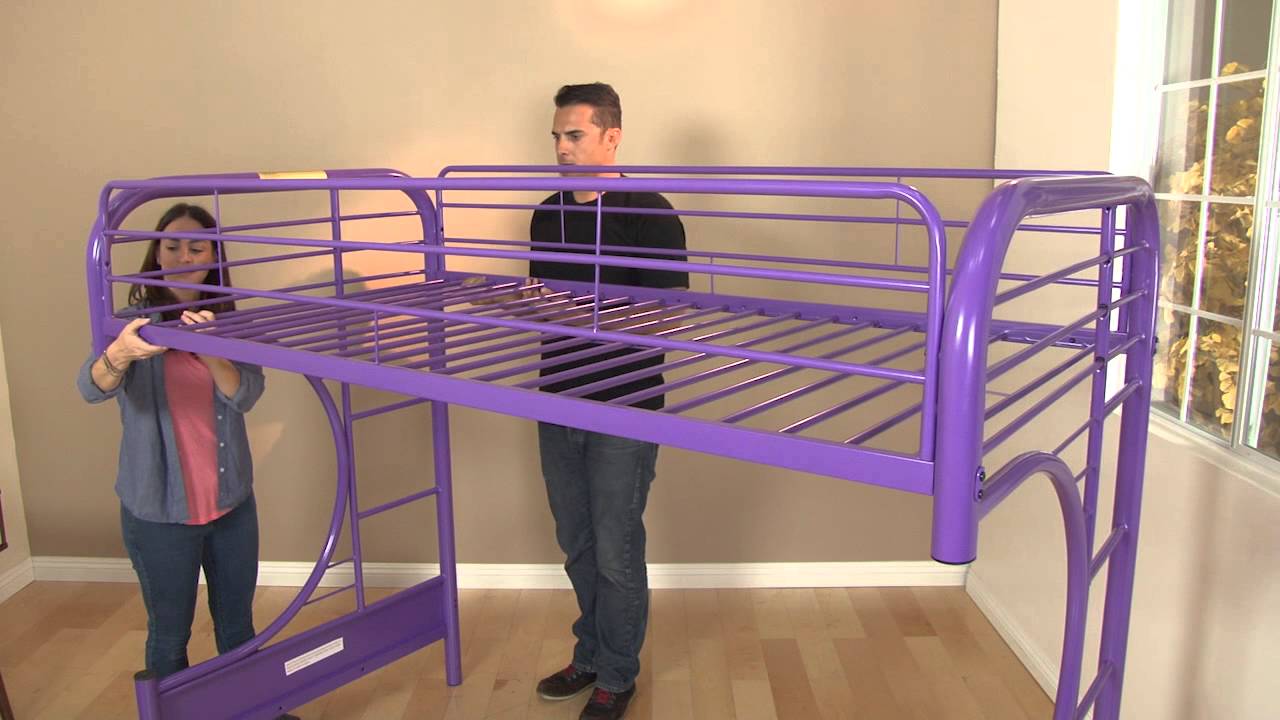
Assembling the frame of your futon bunk bed is the first big step. This structure holds everything together and keeps the bed stable. Take your time and follow each step carefully. Use the right tools and parts to avoid mistakes.
Connecting Side Rails
Start by identifying the side rails. These long pieces form the sides of the frame. Line up the rails with the pre-drilled holes on the head and foot boards. Use bolts or screws to attach them firmly. Check that both rails are level and straight before tightening all fasteners.
Securing Head And Foot Boards
Next, attach the head and foot boards to the side rails. These boards give the frame its shape. Insert the screws into the holes and tighten securely. Make sure the boards stand upright and do not wobble. A strong connection here ensures safety and durability.
Adding Support Slats
Finally, place the support slats across the frame. These slats hold the mattress and distribute weight evenly. Space them evenly, fitting into the slots or resting on ledges. Secure the slats with screws if needed. Proper slat placement helps prevent sagging and extends bed life.
Installing The Futon Mechanism
Installing the futon mechanism is a key step in building your futon bunk bed. This part lets the futon fold and unfold smoothly. Proper installation ensures safety and ease of use. Take your time and follow these steps carefully.
Attaching Hinges
Start by locating the hinge points on the futon frame. Use screws to attach the hinges firmly. Make sure the hinges line up correctly. Tighten the screws, but do not overdo it. Hinges must move freely without being loose. Check alignment by opening and closing the frame a few times.
Ensuring Smooth Movement
Test the futon mechanism by folding and unfolding it slowly. The movement should feel smooth and easy. Lubricate the hinges with a small amount of oil if needed. Avoid too much oil to prevent mess. Adjust screws if the futon sticks or feels tight. Smooth operation makes the futon safe and comfortable to use.
Setting Up The Ladder And Safety Rails
Placing the mattress on your futon bunk bed is the final step. It needs care and attention. The mattress affects comfort and safety. You want to pick the right one. Then, check the bed’s stability. These checks help avoid accidents and ensure long use.
Choosing The Right Mattress
Select a mattress that fits the bed frame perfectly. Measure the bed’s width and length. Choose a mattress with the right thickness. Too thick can cause safety risks on the top bunk. Memory foam or firm mattresses often work well. Avoid very soft mattresses that sag easily. A mattress that is light makes it easier to move and clean.
Testing Stability And Safety
After placing the mattress, test the bed’s strength. Press down gently on different spots. See if the frame feels solid and stable. Check all bolts and screws for tightness. Make sure the guard rails are secure. Test the ladder for firm grip and support. Confirm there is no wobbling. These simple steps protect from falls and injuries.
Placing The Mattress And Final Checks
Keeping your futon bunk bed in good shape needs regular care. It helps the bed last longer and stay safe. Small tasks can stop big problems. Follow simple steps to maintain your futon bunk bed well.
Regular Cleaning
Dust and dirt can build up on your futon bunk bed. Wipe the frame with a soft cloth every week. Use mild soap and water for stubborn spots. Avoid soaking the wood or metal parts. Clean the mattress by vacuuming it often. This stops dust mites and keeps it fresh.
Tightening Loose Screws
Check screws and bolts every few months. Loose screws make the bed wobbly and unsafe. Use a screwdriver or wrench to tighten them. Focus on joints and moving parts. Tight screws keep the bed strong and stable.
Inspecting For Wear And Tear
Look over the bed for cracks or broken parts. Check the mattress for sagging or holes. Notice any bending in the frame. Fix or replace damaged parts right away. Early repairs prevent bigger damage later.

Credit: www.yumpu.com
Credit: www.youtube.com
Frequently Asked Questions
How Do I Assemble A Futon Bunk Bed Safely?
Start by reading the instruction manual thoroughly. Use proper tools and secure all bolts tightly. Assemble on a flat surface and avoid rushing to ensure safety.
What Tools Are Needed For Futon Bunk Bed Assembly?
Common tools include an Allen wrench, screwdriver, and a wrench. Some kits provide necessary tools. Having a rubber mallet and measuring tape helps with alignment.
Can I Convert The Futon Bunk Bed Into Separate Beds?
Yes, many futon bunk beds are designed for conversion. Follow the manual’s steps to separate the frames. This adds versatility to your sleeping arrangements.
How Long Does It Take To Assemble A Futon Bunk Bed?
Assembly typically takes 1 to 3 hours. It depends on your experience and bed complexity. Having a helper can speed up the process.
Conclusion
Building a futon bunk bed takes time and care. Follow each step slowly and carefully. Use the right tools to make the job easier. Check all screws and parts twice before finishing. A sturdy bed means better safety and comfort.
You can enjoy extra space and seating once done. This simple guide helps you create a useful piece of furniture. Take pride in your work and enjoy your new futon bunk bed.