Have you ever worried that your free standing bookshelf might tip over and cause damage or injury? Keeping your bookshelf secure is more important than you might think.
When you anchor your bookshelf properly, you protect your valuable books, your walls, and most importantly, yourself and your loved ones. In this guide, you’ll learn simple, step-by-step methods to anchor your bookshelf safely and effectively. By the end, you’ll feel confident that your bookshelf is stable and secure, giving you peace of mind every time you walk by it.
Let’s get started and make your space safer together!
Why Anchor A Bookshelf
Anchoring a free standing bookshelf is very important for safety and stability. Bookshelves can be tall and heavy. Without anchoring, they can tip over easily. This can cause damage and injury. Securing your bookshelf helps keep it steady and safe.
Risks Of Unsecured Bookshelves
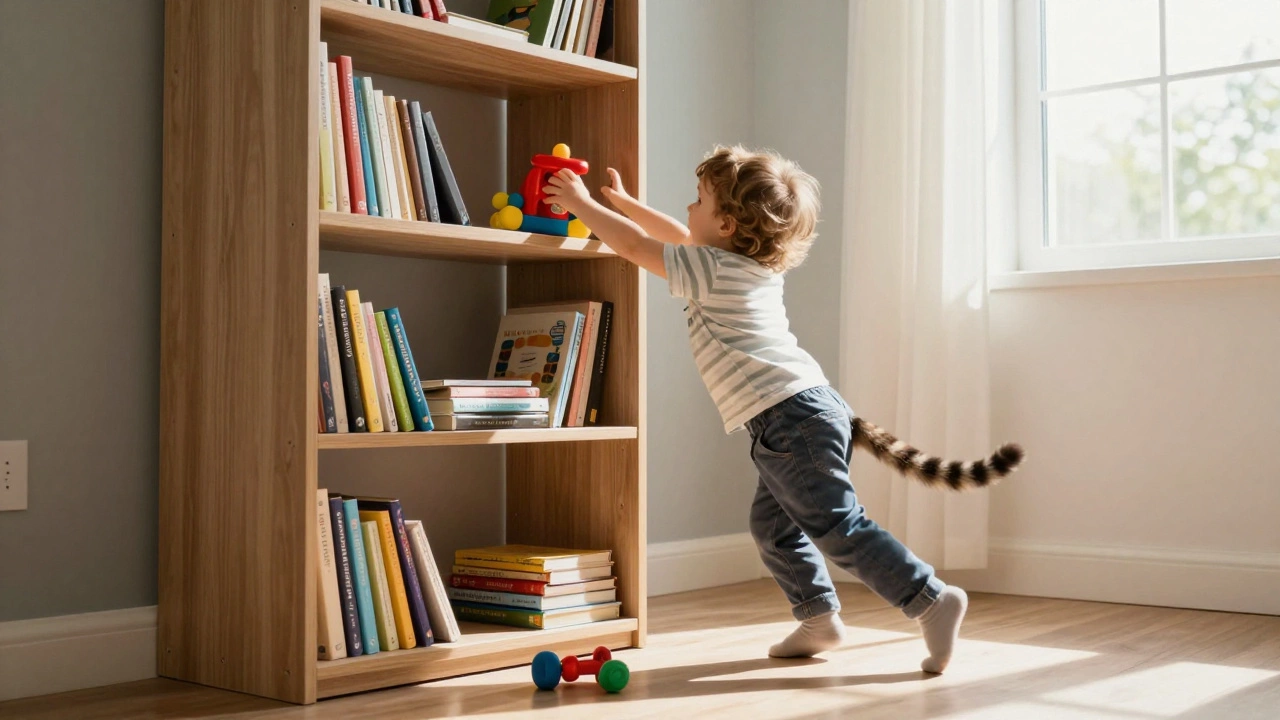
Unsecured bookshelves can fall over if bumped or during an earthquake. This can hurt children, pets, or adults nearby. Falling bookshelves may break furniture or floors. Heavy books inside can cause more damage when the shelf tips. An unstable bookshelf is a safety hazard in any home.
Benefits Of Proper Anchoring
Proper anchoring stops bookshelves from tipping over. It protects your family and pets from accidents. Anchoring also keeps your books and items safe from falling. A stable bookshelf lasts longer and stays in place. It gives peace of mind knowing your furniture is secure.

Credit: hilo.hawaii.edu
Tools And Materials Needed
Anchoring a free standing bookshelf needs the right tools and materials. This ensures safety and stability. Preparing these items before starting saves time and effort. Below, find the essential tools to anchor your bookshelf securely.
Anchor Types
Choose the right anchor for your wall type. Plastic anchors work well for drywall. Metal anchors offer stronger support. Toggle bolts are best for hollow walls. Use anchors that fit your shelf and wall needs.
Required Hardware
Gather screws that match your anchors. Use a drill to make pilot holes. A screwdriver or drill bit helps drive screws in. Wall brackets or straps secure the bookshelf. A level ensures the shelf stays straight.
Safety Equipment
Protect your eyes with safety goggles. Wear gloves to avoid splinters or cuts. Use a dust mask if drilling creates dust. Keep your workspace clean and clear. Safety comes first when anchoring furniture.
Preparing The Bookshelf
Preparing your bookshelf is the first step to secure it safely to the wall. It helps prevent accidents and keeps your books organized. Take time and follow these simple steps carefully.
Emptying The Shelves
Remove all items from the shelves. Books, decorations, and anything else must be taken off. This makes the bookshelf lighter and easier to move. It also prevents damage to your belongings during anchoring.
Positioning The Bookshelf
Place the bookshelf where you want it against the wall. Make sure it stands straight and flat on the floor. Check that it fits well and does not block doors or windows. This step ensures the anchor will hold the shelf properly.
Locating Wall Studs
Use a stud finder to locate wall studs behind the bookshelf. Studs provide the strongest support for anchors. Mark the stud locations clearly with a pencil. Avoid anchoring into drywall alone. This keeps the bookshelf stable and safe.
Credit: zooteducationalfurniture.co.uk
Anchoring Methods
Anchoring a free standing bookshelf is key to safety and stability. There are several methods to secure your bookshelf to the wall. Each method offers different benefits and suits various wall types. Choose the one that fits your space and tools.
Using Wall Brackets
Wall brackets are metal pieces that attach the bookshelf to the wall. First, find studs behind the wall for a strong hold. Then, screw one side of the bracket into the shelf and the other into the stud. This method prevents the bookshelf from tipping over. It is very sturdy and works well for heavy shelves.
Securing With Straps
Straps are flexible bands that connect the bookshelf to the wall. They are easy to install and adjust. Attach one end of the strap to the shelf and the other to a wall stud. Tighten the strap to keep the shelf stable. Straps work well on uneven floors or lighter shelves.
Alternative Anchoring Options
Other options include using L-brackets, anti-tip kits, or even furniture anchors. L-brackets offer a rigid connection similar to wall brackets. Anti-tip kits often combine straps and brackets for extra safety. Furniture anchors use adhesive or screws for less damage to walls. Choose based on your wall type and shelf weight.
Step-by-step Anchoring Process
Anchoring a free standing bookshelf is a simple task that keeps it safe and stable. Follow these clear steps to secure your bookshelf to the wall. This process prevents tipping and protects your family and belongings.
Marking Anchor Points
Start by placing the bookshelf where you want it. Use a pencil to mark spots on the wall behind the shelf. Mark at least two points near the top of the bookshelf. These points show where the anchors will go.
Drilling Pilot Holes
Choose a drill bit that matches your wall anchors. Drill small pilot holes on the marks you made. Drill straight into the wall to avoid damage. Pilot holes help anchors fit tightly and hold better.
Attaching Anchors To Wall And Shelf
Insert wall anchors into the pilot holes. Use a screwdriver to secure screws into the anchors. Attach the other end of the screws to the bookshelf’s back. Tighten screws until the shelf is firmly against the wall.
Testing Stability
Testing the stability of your free standing bookshelf is an important step. It ensures the shelf is safe and steady for daily use. This process helps spot any wobbling or risk of tipping over. A stable bookshelf protects your books and keeps your space safe.
Checking For Movement
Start by gently pushing the bookshelf from different sides. Watch closely for any shaking or swaying. Check if the bookshelf shifts on the floor or if it feels loose. Try opening and closing any doors or drawers to see if they affect balance. Stand back and observe the overall steadiness.
Adjustments If Needed
If you notice any movement, make small changes to improve stability. Tighten all screws and bolts firmly. Use shims under uneven legs or corners to level the shelf. Consider adding extra anchors to the wall for more support. Keep testing after each adjustment to confirm the shelf is solid.
Maintenance Tips
Maintaining a free standing bookshelf is important for safety and durability. Regular care helps keep the bookshelf steady and prevents accidents. Simple checks and small fixes make a big difference over time.
Regular Safety Checks
Look at the bookshelf often to spot any problems early. Check if it leans or feels wobbly. Make sure the wall anchors are still tight and secure. Watch for cracks or damage on the shelves and frame. Fix small issues before they grow bigger.
Tightening Loose Anchors
Loose anchors can cause the bookshelf to fall. Use a screwdriver or drill to tighten any screws. If screws do not hold, replace them with longer or stronger ones. Check anchors after moving the bookshelf or heavy use. Keep the shelf firmly attached to the wall.

Credit: hilo.hawaii.edu
Frequently Asked Questions
How Do I Anchor A Free Standing Bookshelf Safely?
To anchor a free standing bookshelf, use wall brackets or straps. Securely fasten anchors into wall studs for stability. This prevents tipping and enhances safety, especially in homes with children or pets.
What Tools Are Needed To Anchor A Bookshelf?
You need a drill, screwdriver, wall anchors, brackets, and a stud finder. These tools help securely attach the bookshelf to the wall, ensuring it remains stable and safe.
Can I Anchor A Bookshelf On Drywall Only?
Anchoring on drywall alone is unsafe. Use wall studs for secure attachment. If studs are unavailable, install heavy-duty wall anchors designed for drywall to prevent accidents.
Why Is Anchoring A Bookshelf Important?
Anchoring prevents the bookshelf from tipping over, reducing injury risks. It protects your belongings and keeps the furniture stable during earthquakes or accidental bumps.
Conclusion
Anchoring a free standing bookshelf keeps it safe and steady. It stops the shelf from tipping over easily. Use the right tools and follow the steps carefully. Make sure the wall and shelf are strong enough. Take your time to measure and drill with care.
A secured bookshelf protects your books and your family. Small effort brings big safety benefits. Enjoy your organized space without worry. Safety first, always.