Are you wondering if a bunk bed is the right choice for your child? Choosing the perfect bed isn’t just about space—it’s about safety and comfort too.
You want to make sure your little one sleeps soundly without any risks. But at what age is a bunk bed actually suitable? Keep reading, and you’ll discover the key factors to consider so you can make the best decision for your family’s needs.
Your child’s safety and happiness start with the right bed, and this guide will help you find exactly that.
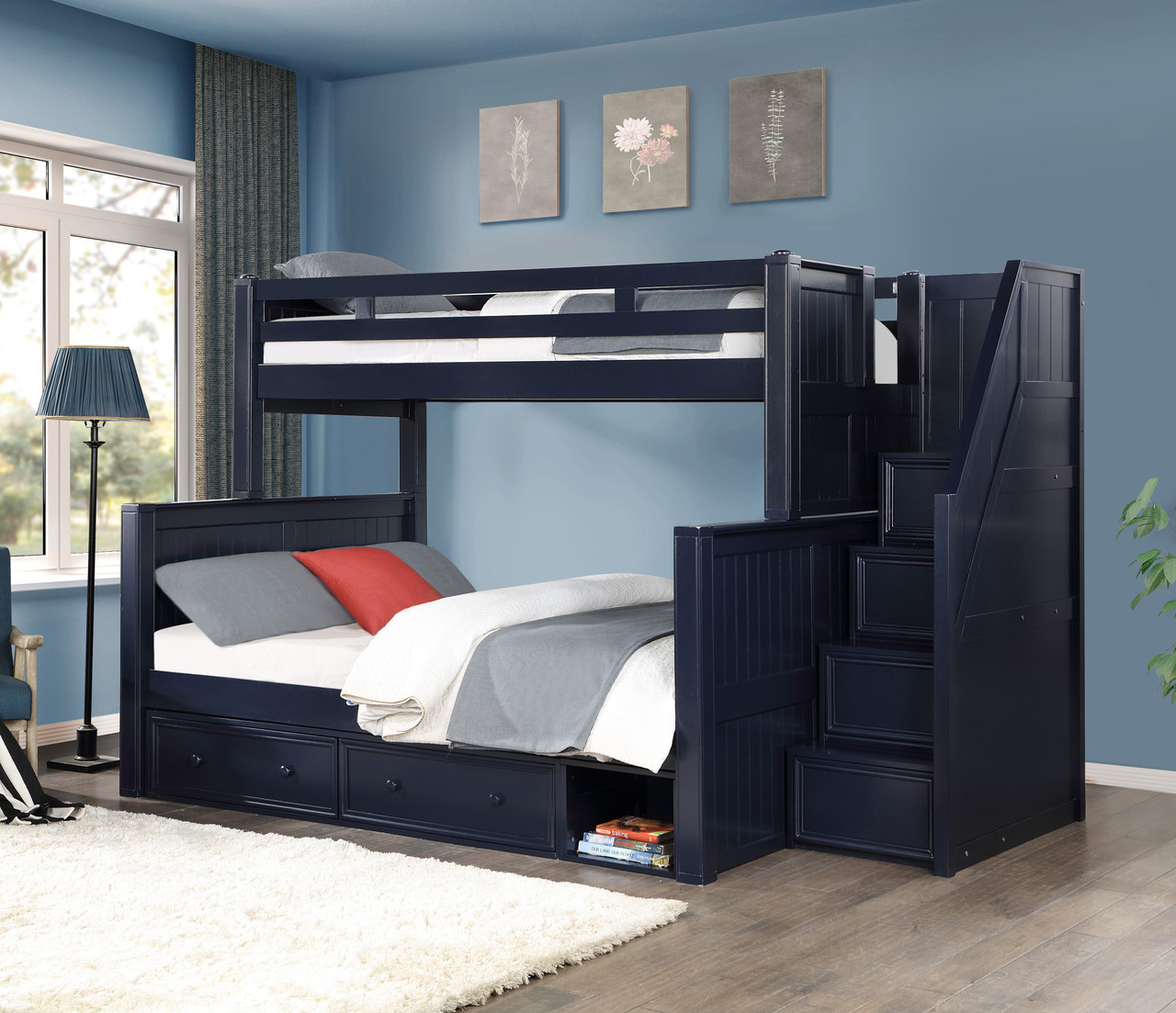
Credit: www.justbunkbeds.com
Age Guidelines For Bunk Beds
Bunk beds save space and add fun to a child’s room. Choosing the right age to start using a bunk bed is important for safety. Age guidelines help parents decide when their kids are ready. These guidelines focus on children’s physical ability and safety risks.
Recommended Minimum Age
Experts say children should be at least 6 years old to use the top bunk. At this age, kids have better balance and coordination. Younger children may fall or get hurt climbing up and down. The bottom bunk is safer for younger kids but still requires supervision.
Considerations For Younger Children
Children under 6 should avoid the top bunk entirely. Toddlers and preschoolers can get scared or lose balance easily. If using bunk beds for younger kids, place them on the lower bunk. Use guardrails and teach safe climbing habits early on.
Upper Vs. Lower Bunk Age Suitability
The top bunk suits kids age 6 and up. The lower bunk works for children of any age. Parents should check the bed’s safety features like guardrails and ladder design. Always follow manufacturer age and weight guidelines for each bunk.
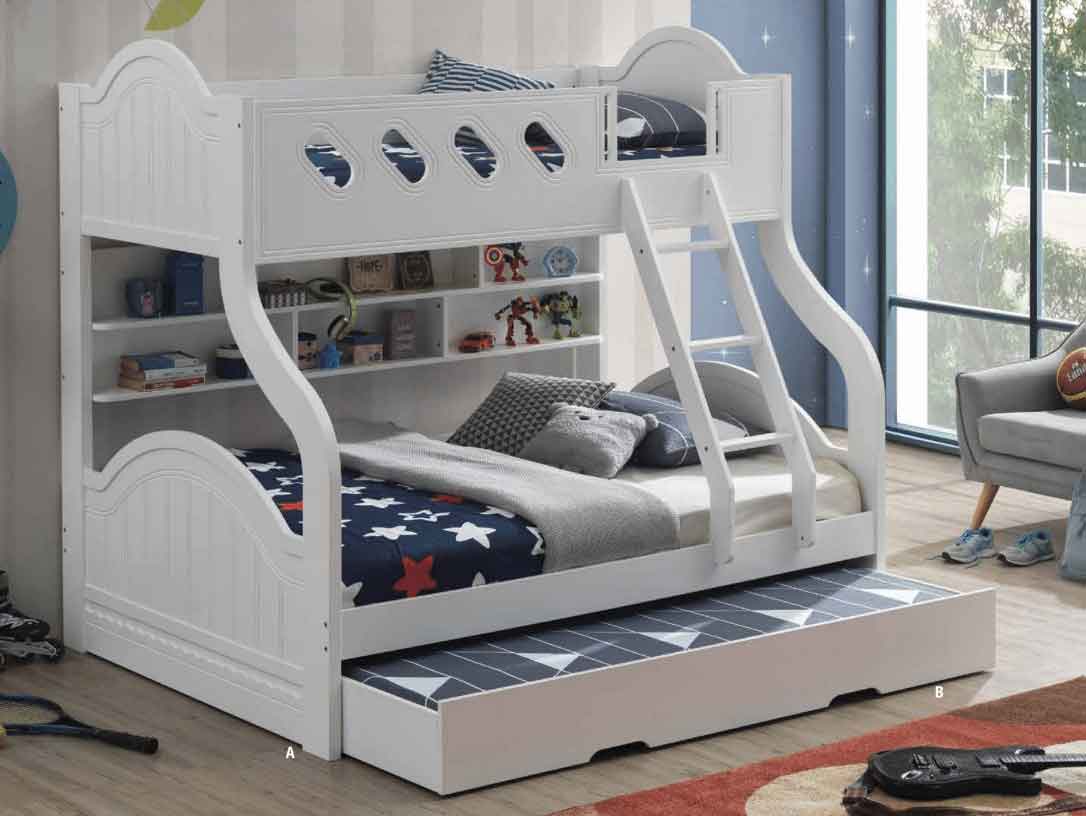
Credit: www.justbunkbeds.com
Safety Features To Look For
Bunk beds save space and add fun to a bedroom. Safety matters most when choosing one. Kids need protection while they sleep and climb. Good safety features help prevent falls and injuries. Parents should check key parts before buying a bunk bed.
Guardrails And Their Importance
Guardrails keep children from rolling off the top bunk. They should be high enough to hold a child safely. The rails must run along the full length of the bed. Gaps between rails should be small to avoid slipping through. Sturdy guardrails provide peace of mind for parents.
Ladder Design And Stability
The ladder must be easy to climb and firm. Steps should be wide and slip-resistant for secure footing. The ladder should attach tightly to the bed frame. A wobbly ladder increases the risk of falls. Some ladders angle outward for easier access and better balance.
Weight Limits And Materials
Check the weight limit to match the child’s size and age. Exceeding the limit can cause the bed to break. Strong materials like solid wood or metal offer lasting support. Avoid beds with weak or cheap parts. Quality materials keep the bunk bed safe for years.
Benefits Of Bunk Beds By Age
Bunk beds suit many ages and bring different benefits for each group. They save space and offer fun and function. Understanding these benefits helps choose the right bed for the right age.
Bunk beds grow with your family’s needs. From toddlers to teens and guests, these beds can fit many rooms and purposes.
Space-saving For Toddlers And Kids
Bunk beds free up floor space in small rooms. Toddlers and kids get more room to play and move. Parents can add storage or desks under the bed. This setup keeps the room neat and organized. Kids also enjoy the fun of climbing and sleeping up high.
Teen Use And Privacy
Teens value personal space and privacy. Bunk beds can create separate zones in one room. The top or bottom bunk can be personalized. This helps teens feel independent but close to siblings. Bunk beds also allow friends to stay over comfortably.
Guest Room And Multifunctional Options
Bunk beds are great for guest rooms too. They fit more sleepers without extra furniture. Some models convert into sofas or desks. This makes the room flexible for many uses. Guests get a cozy place to sleep without clutter.
Potential Risks And How To Avoid Them
Bunk beds save space and look fun for kids. Yet, they can bring risks if not used right. Knowing these risks helps keep children safe and happy. Parents should learn how to avoid common problems with bunk beds.
Falls And Injury Prevention
Falls are the top danger with bunk beds. Kids can fall from the top bunk while sleeping or playing. Use guardrails on all sides of the upper bed. Make sure the guardrails are tall and strong enough. Place a soft rug or carpet under the bed to cushion falls. Teach children not to jump or roughhouse on bunk beds. Check that the ladder is secure and easy to climb. Encourage kids to use the ladder, not the bed frame, to get up.
Proper Assembly And Maintenance
Follow the manufacturer’s instructions carefully when building bunk beds. Tighten all screws and bolts to avoid loose parts. Check the bed regularly for wear or damage. Replace broken parts immediately to prevent accidents. Use mattresses that fit the bed size perfectly. A mattress too thick can reduce guardrail protection. Avoid using bunk beds with missing or broken guardrails. Keep the bed away from ceiling fans or hanging lights. This prevents injuries from bumping into hard objects.
Supervision And Rules For Use
Supervise young children using bunk beds at all times. Set clear rules about safe behavior on the beds. No jumping, pushing, or playing rough on the bunk bed. Explain the dangers of climbing on the outside of the bed. Only children above six years old should use the top bunk. Make sure kids understand how to use the ladder safely. Remind children to get down carefully and slowly. Regularly review rules to keep safety top of mind.
Alternatives To Traditional Bunk Beds
Traditional bunk beds are not always the best fit for every child or room. Many parents seek safer or more space-saving options. Alternatives offer comfort, safety, and fun without the height risks of classic bunk beds.
These options suit different ages and needs. They also help use room space smartly. Here are some popular choices that work well for kids of various ages.
Low Bunk Beds For Younger Kids
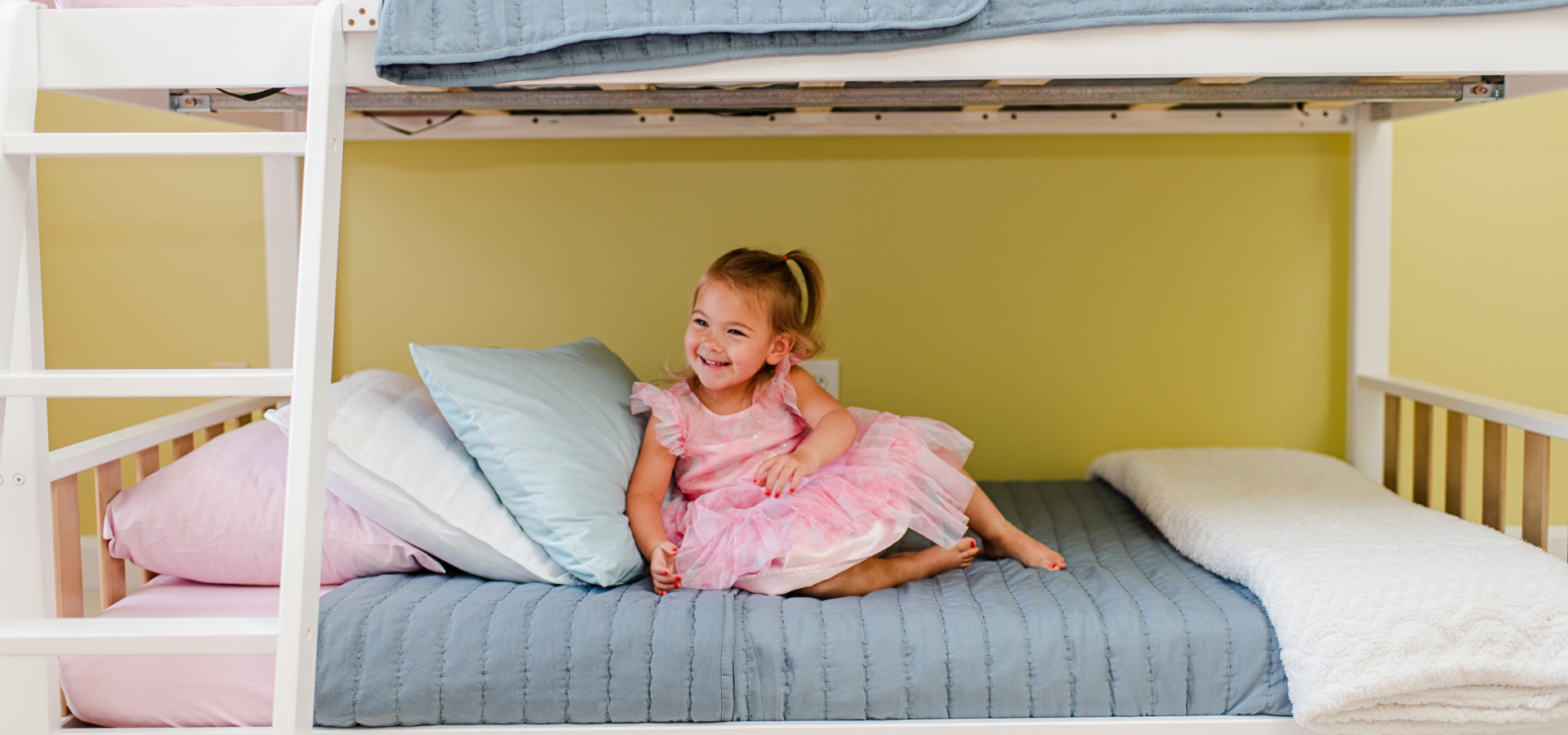
Low bunk beds sit closer to the floor. They reduce the risk of falls for younger children. These beds often have guardrails for extra safety. Kids can climb easily and feel secure. Low bunk beds keep the fun of bunk sleeping without high heights.
Loft Beds And Play Areas
Loft beds raise the bed off the ground. This creates space underneath for play or storage. They are perfect for small rooms. Kids love having a special play zone below their bed. Loft beds encourage creativity and save floor space. They work best for children who can climb safely.
Trundle Beds For Flexibility
Trundle beds have a second bed stored underneath. You pull it out when needed. This is ideal for sleepovers or siblings sharing a room. Trundle beds take up less space than two separate beds. They provide a flexible sleeping solution without stacking beds.
Credit: maxandlily.com
Frequently Asked Questions
What Is The Ideal Age For Using A Bunk Bed?
Bunk beds are typically suitable for children aged 6 and older. Kids younger than 6 may face safety risks such as falls. Always consider the child’s maturity and ability to climb safely before introducing a bunk bed.
Are Bunk Beds Safe For Toddlers And Infants?
No, bunk beds are not safe for toddlers and infants. Their motor skills and balance are still developing, increasing fall risk. It’s best to wait until children are at least 6 years old before using a bunk bed.
When Can Teenagers Start Using Bunk Beds?
Teenagers can safely use bunk beds starting at age 6, but many prefer them as space-saving solutions later. Ensure the bed meets safety standards and is sturdy enough to support their weight.
What Safety Features Should Bunk Beds Have For Children?
Bunk beds should include guardrails on all sides of the top bunk, sturdy ladders, and a strong frame. Proper mattress size and height from the floor are also vital to prevent accidents.
Conclusion
Bunk beds suit children around six years and older. Safety matters most when choosing the right age. Younger kids may find bunk beds risky to use. Always check guardrails and ladder stability before use. Consider your child’s comfort and ability to climb safely.
Bunk beds save space and add fun to bedrooms. Choose one that fits your child’s needs and room size. Keep these tips in mind for a safe, happy sleep space.