Looking to enjoy your favorite ePub books right on your Android device? Adding ePub files to the Bookshelf app is easier than you think.
Imagine having all your books organized and ready to read anytime, anywhere, without hassle. In this guide, you’ll discover simple steps to get your ePub files into the Bookshelf app quickly. By the end, you’ll unlock a smooth reading experience tailored just for you.
Ready to make your digital library more accessible? Let’s dive in.
Bookshelf App Basics
The Bookshelf app is a simple tool for reading digital books on Android devices. It allows users to organize and enjoy their collection anywhere. The app is designed to be easy to use, even for beginners. Understanding its basic features helps users get the most out of the app.
Adding ePub files is straightforward once you know the app’s capabilities. This section explains the main features and which file types the app supports. This information helps prepare your files before adding them.
Features Of The Bookshelf App
The Bookshelf app offers several useful features for reading and organizing books. It supports bookmarks, letting readers save their place. The app also allows font size changes for easier reading. Night mode helps reduce eye strain in low light. Users can sort books by title, author, or date added. The app runs smoothly on most Android devices, even older models.
Supported File Formats
The app supports popular digital book formats. ePub is the main format for ebooks. PDF files can also be opened, though they display differently. Some apps may support MOBI or TXT files, but Bookshelf focuses on ePub and PDF. Knowing which formats work avoids errors during file import. Always check your book’s format before adding it to the app.
Preparing Your Epub File
Before adding an EPUB file to your Bookshelf app on Android, you need to prepare the file properly. This step ensures your reading experience is smooth and without errors. Preparation involves finding the right EPUB files and moving them to your device.
Follow these simple steps to get your EPUB files ready for the Bookshelf app.
Finding Epub Files
First, find EPUB files on your computer or the internet. Many websites offer free or paid EPUB books. Choose files that are not corrupted and have a clear title. Avoid downloading from unknown sources to keep your device safe.
Look for files with the “.epub” extension. This format works well with most e-reader apps, including Bookshelf. Save the files in a folder you can easily access later.
Transferring Epub To Android
Next, move the EPUB files to your Android device. Use a USB cable to connect your phone or tablet to your computer. Open the device storage and locate a folder for eBooks or create one.
Copy the EPUB files into this folder. You can also transfer files using cloud services like Google Drive. Upload the EPUB files from your computer, then download them on your Android device. This method works well without cables.
Once transferred, open the Bookshelf app and look for the imported EPUB files. They will be ready to read and enjoy.
Adding Epub To Bookshelf App
Adding EPUB files to the Bookshelf app on Android lets you read your favorite books anytime. The process is simple and fast. This guide helps you add EPUB files and organize them well for easy access.
Opening The App
First, open the Bookshelf app on your Android device. Tap the app icon on your home screen or app drawer. Wait a few seconds for the app to load. You will see the main library screen where your books appear.
Importing Epub Files
Look for the “Import” or “Add” button in the app. Tap it to open your file manager. Find the folder where your EPUB files are saved. Select the files you want to add to the app. Tap “Open” or “Import” to load the files. The app will import the EPUBs and show them in your library.
Organizing Your Library
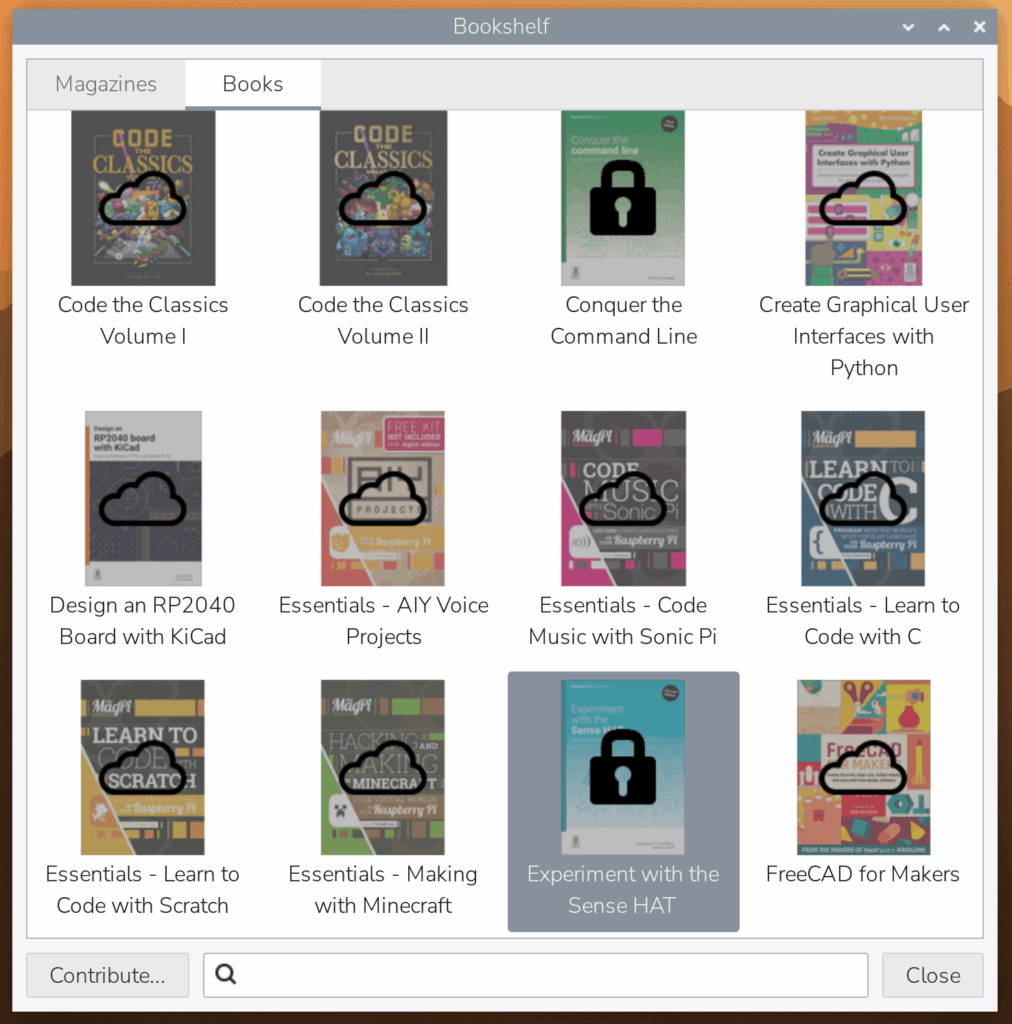
After importing, you can organize your books. Create collections or categories to group similar books. Use the app’s sorting options to arrange books by title or author. This helps you find books quickly. You can also delete or move books anytime to keep your library tidy.
Credit: www.raspberrypi.com
Troubleshooting Common Issues
Troubleshooting common issues can save time and frustration. Problems often arise when adding EPUB files to the Bookshelf app on Android. Knowing how to fix these issues helps keep your reading smooth.
Epub Not Showing Up
Sometimes, the EPUB file does not appear in the app. This happens because the app may not refresh the library automatically. Try closing and reopening the app. This forces the app to rescan your files. Also, check if the EPUB file is in the correct folder. The app usually reads files from a specific directory. Moving the file there can help.
Another cause is a slow device. If your phone is busy, the app might take time to show new files. Give it a moment and check again. Restarting your device can also clear temporary glitches affecting the app.
File Compatibility Problems
Not all EPUB files work perfectly with every app. Some files may have special formatting or DRM protection. The Bookshelf app might reject these files or fail to open them. Check the file source to ensure it is a clean EPUB without restrictions.
Older or corrupted EPUB files can cause errors. If a file won’t open, try downloading it again from a trusted source. Updating the Bookshelf app to the latest version also improves compatibility. Older app versions may struggle with newer EPUB formats.
Tips For Better Reading Experience
Reading on the Bookshelf app can be more enjoyable with a few simple tips. These tips help you focus and make your reading easier. Adjusting settings and using tools inside the app will improve your experience a lot.
Try these ideas to get the most from your ePub books on Android. Small changes can make a big difference.
Customizing Display Settings
The app lets you change text size and font style. Bigger text can reduce eye strain. Choose a font that feels comfortable to read. Background colors also matter. Dark mode or sepia can help in low light. Adjust the brightness inside the app too. This keeps the screen from being too harsh or too dim. These settings make reading easier for longer periods.
Using Bookmarks And Notes
Bookmarks save your place quickly. No need to search for the last page read. Use notes to remember important points. You can highlight text and add comments. This is useful for study or review. Organize your bookmarks and notes for easy access. They help keep your reading organized and clear.

Credit: help.bookwalker.jp

Credit: help.bookwalker.jp
Frequently Asked Questions
How Do I Import Epub Files To Bookshelf App Android?
Open the Bookshelf app and tap the “Add” or “Import” button. Locate your EPUB file on your device. Select the file to add it to your bookshelf instantly.
Can I Read Drm-protected Epubs In Bookshelf App?
Bookshelf app supports DRM-protected EPUBs if you have proper authorization. Ensure you have the correct credentials or licenses to open these files in the app.
What File Formats Besides Epub Are Supported By Bookshelf App?
Besides EPUB, Bookshelf app supports PDF and some other eBook formats. Check the app’s help section for the full list of compatible file types.
How To Troubleshoot Epub Files Not Appearing In Bookshelf App?
Ensure your EPUB files are correctly downloaded and stored in accessible folders. Restart the app or your device and try importing again to fix the issue.
Conclusion
Adding ePub files to the Bookshelf app on Android is quick and easy. Just follow the simple steps shared above. Now, you can enjoy reading your favorite books anytime. Keep your eBooks organized and ready to access. Explore different titles without any hassle.
Reading on your device feels smooth and convenient. Start building your digital library today. No need to carry heavy books around. Enjoy a better reading experience wherever you go.