Are you ready to add a stylish and functional piece to your home? Building a flip top console table is easier than you think, and it can transform any space with its clever design.
Imagine having a table that saves space but still offers plenty of room when you need it. In this guide, you’ll discover simple steps to create your own flip top console table, even if you’re new to woodworking. By the end, you’ll have a unique table that impresses your guests and fits perfectly in your home.
Let’s get started and bring your vision to life!
Materials And Tools Needed
Building a flip top console table needs the right materials and tools. These help you create a strong and stylish piece. Preparing everything before you start saves time and makes the process smooth.
Gathering the correct supplies ensures your project looks great and lasts long. Below is a list to guide you through what you need.
Wood Materials
Choose solid wood like pine or oak for durability. You will need boards for the table top, sides, and legs. Plywood can work for internal parts. Make sure the wood is smooth and free of cracks.
Hinges And Hardware
Flip top tables require sturdy hinges. Use two or three strong metal hinges for the top. Also, include screws that match the hinge size. Consider adding a latch or support arm to hold the top open.
Tools Required
Basic woodworking tools are enough for this project. A saw to cut wood, a drill for screws, and sandpaper for smooth edges are essential. A measuring tape and square help with accuracy. A screwdriver or drill driver speeds up assembly.
Finishing Supplies
Choose paint, stain, or varnish to protect the wood. Brushes or rags apply the finish evenly. Use wood filler to fix any holes or gaps. Clean cloths help wipe dust before finishing.
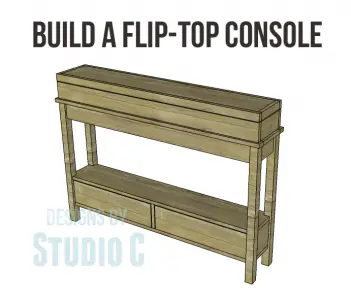
Credit: designsbystudioc.com
Choosing The Right Wood
Choosing the right wood is key to building a sturdy flip top console table. Wood affects the table’s strength, look, and how easy it is to work with. Picking the best wood type helps your table last longer and look great in any room.
Different woods have different qualities. Some are hard and strong, while others are soft and easy to shape. Your choice depends on the style you want and how you plan to use the table.
Hardwood Vs Softwood
Hardwoods come from trees that lose leaves every year. They are strong and durable. Examples include oak, maple, and cherry. These woods hold up well to daily use and look beautiful with natural grains.
Softwoods come from evergreen trees. They are lighter and easier to cut. Pine and cedar are common softwoods. They are less expensive but can dent or scratch more easily.
Durability And Strength
Choose wood that can support the weight of items on your table. Hardwoods usually offer better strength. This helps the flip top stay stable and safe. Softwoods work well for light use or decorative pieces.
Appearance And Finish
Wood grain and color affect the table’s final look. Oak has a bold grain, while maple is smooth and light. Cherry darkens over time, adding warmth. Pine has knots that give a rustic feel.
Think about the finish you want. Some woods take stain better. Others look good with just a clear coat. Testing a small piece helps you decide.
Budget Considerations
Hardwoods tend to cost more than softwoods. Balance cost with the table’s purpose. For a daily use table, invest in stronger wood. For a decorative piece, softer wood may be fine.
Buy wood from trusted suppliers to avoid low-quality boards. Good wood makes building easier and ensures a better result.
Designing Your Console Table
Designing a flip top console table starts with clear ideas. A good design makes building easier and the final product stronger. It helps you see how the table will look and work. Planning saves time and avoids mistakes later.
Focus on both style and function. Decide the size and shape first. Think about where you will use the table. This will guide your design choices.
Measuring And Planning Dimensions
Measure the space where the console table will stand. Note the width, height, and depth allowed. Keep room for walking around it. Write down these numbers.
Choose dimensions that fit your space and needs. A typical console table is 30-36 inches tall. Width can be 36-48 inches. Depth usually stays between 12-18 inches. Adjust these to fit your room perfectly.
Plan for the flip top. Make sure the table is wide enough to hold items when open. Leave space for the top to flip smoothly without hitting walls or furniture.
Sketching The Flip Top Mechanism
Draw a simple sketch of your table and the flip top part. Show how the top will open and close. This helps you understand the parts needed.
Mark the hinge placement clearly. Hinges should be strong and fit well. Place them on the back edge of the table top. Check that the flip top moves easily without gaps.
Include support pieces in your sketch. These keep the top stable when open. Think about locks or latches to hold the top in place. Sketching these details avoids problems during building.

Credit: hookerfurnishings.com
Cutting And Preparing Wood Pieces
Assembling the table frame is the key step in building your flip top console table. The frame holds everything together and gives the table its shape. Take your time to fit each part carefully. A strong frame means a sturdy table that lasts long.
Joining Legs And Supports
Start by attaching the legs to the side supports. Use wood glue for a tight bond. Then, add screws to hold the parts firmly. Make sure each leg stands straight. Check the alignment before tightening screws fully. Repeat this for all four legs. Next, connect the front and back supports between the legs. These pieces keep the legs from wobbling. Secure them with glue and screws as well. The frame starts to look like a box now.
Ensuring Stability
Check that the frame is level on the floor. Use a carpenter’s square to confirm right angles. Tighten any loose screws you find. Add corner braces if needed for extra strength. Test the frame by pressing gently on the top. It should not shake or move. A stable frame means your flip top will open and close smoothly. Proper stability keeps your console table safe and strong for daily use.
Assembling The Table Frame
Installing the flip top is a key step in building your console table. This part makes the table functional and stylish. You need to be careful and precise to ensure smooth operation. Proper installation helps the top flip easily without any trouble.
Follow these simple steps to attach the flip top securely. Test the mechanism to confirm everything works well before finishing.
Attaching Hinges
Start by choosing good quality hinges. Position them evenly on the table frame and the flip top. Mark the screw holes with a pencil for accuracy. Pre-drill holes to avoid wood splitting. Use screws to attach the hinges firmly. Check that the hinges align perfectly. Tighten all screws to secure the flip top.
Testing The Flip Mechanism
Gently lift the flip top to test the movement. It should open and close smoothly without sticking. Listen for any unusual sounds or resistance. Adjust hinge screws if the top feels loose or tight. Make sure the top stays in place when opened. Repeat the test several times for reliability. Confirm the flip top works as expected before moving on.
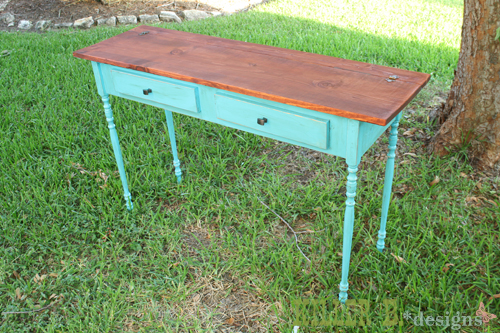
Credit: www.ana-white.com
Installing The Flip Top
Keeping your flip top console table in great shape takes some care. Small steps can protect your work and keep it looking new. Simple maintenance helps avoid damage and extends the table’s life.
Regular attention prevents wear and tear. It also keeps the flip mechanism smooth. Follow these easy tips to enjoy your table for years.
Cleaning And Dusting
Use a soft cloth to wipe the surface often. Dust can scratch the finish over time. Avoid harsh cleaners. Mild soap and water work best. Dry the table fully after cleaning. This stops water marks and swelling.
Protecting The Surface
Use coasters under drinks to stop rings. Place mats or pads under hot items. Avoid direct sunlight on the table to prevent fading. Cover the table if not in use for long periods. This keeps dust and sunlight away.
Lubricating The Flip Mechanism
Check the hinges and joints every few months. Apply light oil to keep them moving smoothly. Wipe off any excess oil to avoid dirt buildup. This keeps the flip action easy and quiet.
Checking For Loose Parts
Inspect screws and bolts regularly. Tighten any that feel loose. Loose parts can cause damage if ignored. A firm table is safer and lasts longer.
Frequently Asked Questions
What Materials Do I Need To Build A Flip Top Console Table?
You will need wood boards, hinges, screws, wood glue, sandpaper, paint or stain, and a drill. These materials help create a sturdy and functional flip top table.
How Long Does It Take To Build A Flip Top Console Table?
Building a flip top console table typically takes 4 to 6 hours. This depends on your woodworking skills and project complexity.
Can I Customize The Size Of My Flip Top Console Table?
Yes, you can customize the table size by adjusting wood dimensions. Measure your space before starting to ensure a perfect fit.
What Tools Are Essential For Making A Flip Top Console Table?
Essential tools include a saw, drill, screwdriver, measuring tape, clamps, and sander. These tools help you cut, assemble, and finish the table.
Conclusion
Building a flip top console table can be a fun and useful project. It adds style and function to any room. You only need basic tools and some patience. Follow each step carefully to get the best result. This table saves space and looks great in small areas.
Enjoy the satisfaction of making your own furniture piece. Try this project to improve your DIY skills today. Simple, practical, and rewarding.
