Are you struggling to get your toddler to sleep in their own bed instead of co-sleeping with you? You’re not alone.
Moving your little one from your bed to their own space can feel overwhelming and frustrating. But imagine a peaceful night where your toddler happily stays in their bed, and you both get the restful sleep you deserve. You’ll discover simple, effective steps to make this transition smoother for you and your child.
Keep reading to find out how you can create a bedtime routine that works and finally reclaim your nights.
Benefits Of Toddler Sleep Independence
Encouraging your toddler to sleep in their own bed helps build their confidence. It teaches them to feel safe and secure alone at night. Sleep independence supports their emotional growth and self-reliance.
When toddlers sleep independently, they often develop better sleep habits. They learn to fall asleep on their own without needing help. This leads to longer, more restful sleep for both the child and parents.
Having a separate bed also allows parents to rest better. It reduces nighttime disruptions and gives everyone space to sleep comfortably. Healthy sleep patterns improve mood and energy for the whole family.
Improves Emotional Security
Sleeping alone helps toddlers feel safe and calm by themselves. It builds trust in their own ability to handle the dark and quiet. This emotional strength supports their independence in other areas too.
Promotes Healthy Sleep Patterns
Toddlers learn to fall asleep without needing constant comfort. This reduces waking up at night and crying for help. Better sleep means they wake up happier and more rested.
Supports Parental Well-being
Parents get more uninterrupted sleep when toddlers sleep alone. This improves their mood and patience during the day. More rest means better focus and energy for parenting tasks.

Credit: sleeplady.com
Signs Your Toddler Is Ready
Knowing when your toddler is ready to sleep alone helps make the move smooth. Toddlers show clear signs they feel safe and confident in their own bed. Watching for these signs can guide parents through the change.
Each child grows at their own pace, but common signals point to readiness. These clues reduce stress for both parents and toddlers.
Shows Interest In Their Bed
Your toddler may start talking about their bed or room. They might want to play or rest there during the day. This curiosity means they feel comfortable with the idea of sleeping alone.
Stays In Bed Through The Night
Some toddlers can stay in their bed without coming to your room. They may learn to fall asleep independently. This habit shows they can handle sleeping alone for longer periods.
Understands Simple Instructions
A toddler ready for their bed follows basic rules. They listen when you say it is bedtime. They can stay calm and quiet after lights go out.
Expresses Desire For Independence
Your child might say they want their own bed. They enjoy doing things by themselves more. This wish for independence is a strong sign of readiness.
Handles Separation Well
Toddlers who do not get upset when you leave the room show readiness. They feel secure without needing you close. This comfort helps them sleep alone peacefully.
Preparing The Toddler Bed
Preparing your toddler’s bed is the first step to a smooth transition from co-sleeping. A well-prepared bed helps your child feel safe and excited about sleeping alone. Thoughtful preparation creates a positive bedtime experience. This reduces stress for both parent and child.
Choosing The Right Bed
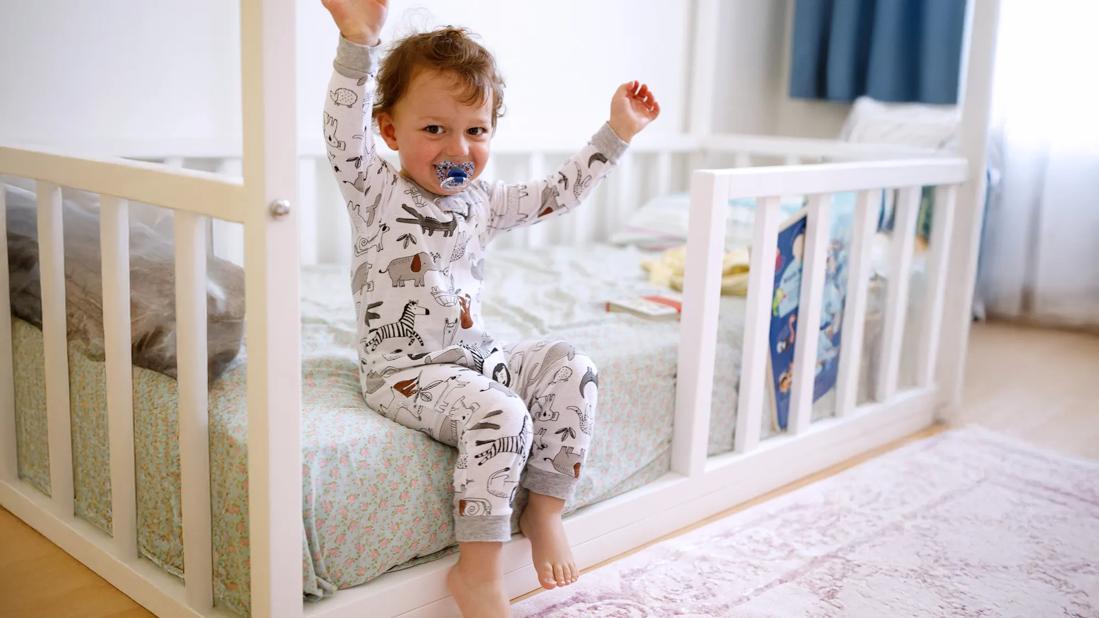
Pick a bed that fits your toddler’s size and room space. A toddler bed or a small twin bed works well. Make sure the bed is low to the ground. This helps your child get in and out safely. Choose a bed with sturdy guardrails for extra security. Avoid beds with sharp edges or unstable frames.
Creating A Cozy Sleep Space
Use soft, comfortable bedding that your child likes. Choose sheets with fun colors or favorite characters. Add a small blanket or a special stuffed animal. These items provide comfort and familiarity. Keep the sleep area neat and free from toys. A calm, cozy space helps your toddler relax and settle down easily.
Credit: health.clevelandclinic.org
Establishing A Consistent Bedtime Routine
Establishing a consistent bedtime routine helps toddlers feel safe and ready for sleep. It builds habits that make moving to their own bed easier. Regular steps before bed create calm and signal that sleep time is near.
Consistency in these routines reduces fear and resistance. Toddlers learn what to expect and feel more secure. A steady bedtime routine supports their independence and smooths the transition away from cosleeping.
Calming Activities Before Sleep
Choose quiet, gentle activities before bed. Reading a short story or singing soft songs works well. Avoid screens and loud play to keep energy low. Warm baths or cuddling can also relax your toddler.
These calming actions help the child’s body slow down. They signal that sleep is coming soon. Keep the activities short and simple to keep your toddler focused and calm.
Setting Clear Expectations
Explain the new bedtime rules in simple words. Tell your toddler they will sleep in their own bed. Use positive language to encourage confidence and trust.
Repeat the expectations each night to build understanding. Be gentle but firm about the new routine. Consistent messages help your toddler accept the change faster.
Gentle Transition Techniques
Moving a toddler from co-sleeping to their own bed takes care and patience. Gentle transition techniques help your child feel safe and calm. These methods reduce stress for both of you. Small steps make a big difference in building new bedtime habits.
Try creating a warm and inviting sleep space. Let your child get used to their bed slowly. Use comfort objects that bring a sense of security. Each child is different, so find what works best for your toddler.
Gradual Distance Method
Start by placing your toddler’s bed next to yours. Over several nights, move it a little farther away. Move the bed until it is in their own room. Stay nearby at first, then gradually reduce your presence. This slow change helps your child adjust without fear.
Comfort Objects And Security Items
Give your toddler a soft toy or blanket to hold. These items offer comfort and a sense of safety. Let your child choose the object to increase attachment. Keep the comfort object in their bed every night. This makes the new sleep space feel familiar and cozy.

Credit: www.todaysparent.com
Handling Night Wakings
Nights can be tough when your toddler wakes up and wants to return to your bed. Handling these night wakings is key to helping your child sleep independently. It takes patience and a clear plan. Your calm approach shapes your toddler’s feelings about sleeping alone.
Consistency matters most. Toddlers need to know what to expect each night. This helps them feel safe and secure, even if they wake up scared or confused. Managing night wakings gently guides your child toward sleeping in their own bed.
Staying Calm And Consistent
Keep your voice soft and steady during night wakings. Your calmness tells your toddler there is no danger. Reacting with frustration can make your child more anxious.
Be consistent with your response. Always return your toddler to their bed using the same calm words. This routine helps your child learn that their bed is the safe place to be.
Reassuring Without Encouraging Returns
Offer comfort but avoid bringing your toddler back to your bed. Gentle pats and quiet words work well. Say simple phrases like “You’re safe here” or “Time to sleep now.”
Do not prolong the interaction. Keep visits short and calm. This reassures your child without making waking up rewarding. Over time, your toddler will feel secure staying in their own bed all night.
Dealing With Toddler Resistance
Moving a toddler from co-sleeping to their own bed can cause strong resistance. Toddlers feel safe next to their parents. They may cry, say no, or even get out of bed. This behavior is normal and shows their need for comfort. Parents need patience and smart strategies to ease this change.
Positive Reinforcement
Praise your toddler for small steps. Celebrate nights spent in their own bed. Use stickers or a simple reward chart. Rewards encourage good habits. Positive words build confidence and reduce fear. Stay calm and consistent with praise. This makes the toddler want to try again.
Avoiding Power Struggles
Force or anger can make resistance worse. Toddlers want control over their world. Let them choose a special blanket or toy. Give options about bedtime routines. Avoid saying “no” too often. Keep calm if they protest. Gentle guidance works better than fights. This helps toddlers feel safe and willing.
When To Seek Professional Advice
Moving a toddler from co-sleeping to their own bed can be challenging. Some struggles are normal. But some signs mean it is time to get help from a professional. Knowing when to seek advice can make the process smoother for both parent and child.
Professional support can guide you through tough nights. Experts can offer solutions tailored to your child’s needs. They understand the emotional and behavioral aspects of sleep changes. Early advice can prevent long-term sleep problems.
Signs Your Toddler Struggles Beyond Normal
Frequent night waking that lasts more than a month. Extreme fear or anxiety about sleeping alone. Aggressive behavior or tantrums at bedtime. These signs suggest the child needs more help than usual.
Consult A Pediatric Sleep Specialist
A pediatric sleep specialist knows how to handle toddler sleep issues. They use tested methods to improve sleep habits. They can also check for any underlying sleep disorders. Getting a professional opinion can provide peace of mind.
When To Talk To A Child Psychologist
Strong fear of separation or nighttime anxiety may need a psychologist. Emotional support can ease fears and build confidence. Therapy can teach coping skills for the toddler. Parents also learn strategies to support their child.
Involve Your Pediatrician Early
Your pediatrician can rule out medical causes for sleep troubles. They offer advice on healthy sleep routines. They can refer you to the right specialist. Starting with your doctor is a good first step.
Frequently Asked Questions
How To Transition A Toddler From Co-sleeping To Own Bed?
Start by creating a cozy, familiar sleep space. Gradually introduce the toddler’s bed during nap times. Use positive reinforcement and bedtime routines to encourage comfort and security.
When Is The Best Age To Move Toddler To Own Bed?
Most experts suggest transitioning between 18 months and 3 years. The child’s readiness and family dynamics should guide the timing. Look for signs of independence and curiosity about their bed.
How To Handle Toddler’s Fear Of Sleeping Alone?
Address fears by providing nightlights, comfort objects, and consistent bedtime rituals. Reassure your toddler with calm words. Gradual exposure to sleeping alone helps build confidence.
What Are Effective Bedtime Routines For Toddlers In Own Bed?
Establish a consistent bedtime routine including bath, storytime, and cuddles. Keep the environment calm and screen-free. Predictable routines signal the brain it’s time to sleep.
Conclusion
Helping your toddler sleep alone takes time and patience. Keep routines simple and comforting each night. Praise small steps and stay calm during setbacks. Consistency will help your child feel safe and ready. Soon, your toddler will enjoy their own cozy bed.
Trust the process and cherish these moments together. Sleep training can bring peace to the whole family. Every child adjusts in their own way and pace. Stay positive and gentle, and success will follow.