Are you looking to create a fun and unique sleeping space that your kids will love? Building a John Deere tractor bunk bed could be just what you need.
Imagine your child’s excitement every night, climbing into a bed that looks like their favorite tractor. In this guide, you’ll discover simple, step-by-step instructions to build this eye-catching bunk bed. Whether you’re a beginner or have some DIY experience, you’ll find tips that make the process easier and more enjoyable.
Keep reading to transform your child’s bedroom into a playful tractor-themed retreat they’ll never want to leave.
Credit: woodgears.ca
Materials And Tools Needed
Building a John Deere tractor bunk bed needs careful planning. Gathering the right materials and tools is the first step. This ensures the project goes smoothly and safely. Quality materials make the bed sturdy and long-lasting. Proper tools help with easy and accurate assembly.
Lumber And Hardware
Start with strong wood like pine or oak for the frame. Get boards that are smooth and free from cracks. You will need 2x4s for the main structure and plywood for the bed slats. Sand the wood to avoid rough edges.
Buy screws that are long and strong enough to hold the pieces firmly. Corner brackets add extra support for joints. Include wood glue for added strength. Get bolts and nuts for adjustable parts or ladders. Paint or stain the wood to match the John Deere green theme.
Tools For Assembly
Gather basic tools like a drill with screwdriver bits. A saw is necessary for cutting wood to size. A measuring tape and square help with precise measurements and right angles. Use a sander or sandpaper to smooth rough edges.
A level ensures the bed stays even and safe. Clamps hold pieces in place while fastening. Safety gear like gloves and goggles protect during cutting and drilling. A pencil marks measurements and drill points clearly.
Credit: woodgears.ca
Planning And Measurements
Planning and taking accurate measurements are key to building a John Deere tractor bunk bed. Good planning saves time and prevents mistakes. It helps you create a safe and sturdy bed that fits perfectly in your space.
Start by understanding the space where the bunk bed will go. Measure the room carefully. Think about the height, width, and length available. These numbers will guide your design and size choices.
Choosing The Right Size
Pick a size that fits the room and the users. Consider the age and height of the children who will use the bed. A twin size mattress is common for bunk beds. Make sure there is enough space around the bed for movement and safety.
Keep some extra room for bedding and guardrails. Measure the mattress size before buying materials. This helps in cutting wood and other parts accurately.
Drawing The Design
Draw a simple sketch of the bed. Include the main parts: frame, ladder, guardrails, and mattress area. Use your measurements to make the drawing to scale.
A clear design helps you understand how pieces fit together. It also shows where screws, bolts, and supports go. Keep your drawing handy during building for reference.
Cutting The Wood Pieces
Cutting the wood pieces is the first step to building your John Deere tractor bunk bed. Accurate cuts ensure the bed fits together well. Taking time here makes the rest of the project easier and safer.
Use the cut list to measure and mark each piece carefully. Double-check all measurements before cutting. This prevents mistakes and wasted wood.
Safety Tips For Cutting
Wear safety glasses to protect your eyes. Use hearing protection to avoid loud noise damage. Always cut on a stable surface to keep the wood steady. Keep your fingers away from the saw blade. Use clamps to hold wood pieces if needed. Never rush while cutting. Take breaks if you feel tired.
Cut List Breakdown
Start by cutting the bed frame parts. These include side rails and end panels. Next, cut slats for mattress support. Then, cut ladder pieces and guardrails. Label each piece after cutting. This helps keep track during assembly. Follow the measurements closely for all parts.

Credit: www.ana-white.com
Assembling The Frame
Assembling the frame is the most important step in building your John Deere tractor bunk bed. A strong frame gives the bed stability and safety. Pay close attention to measurements and fitting parts together tightly.
Start by organizing all parts and tools. This makes the process smooth and fast. Follow the steps carefully. Take your time to ensure everything fits well.
Building The Bed Base
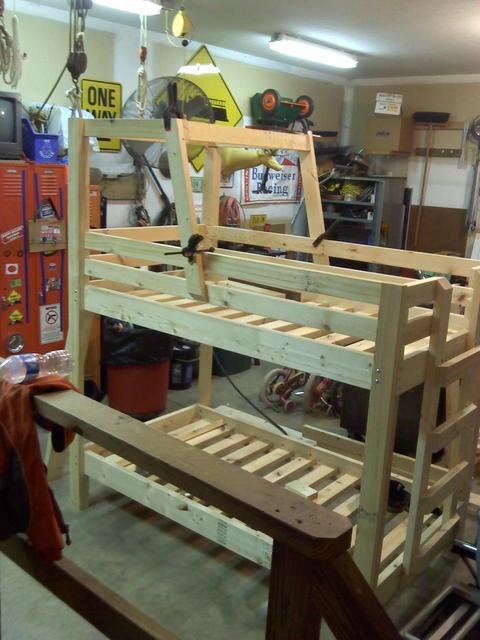
The bed base holds the mattress and supports weight. Use sturdy wood pieces cut to the right size. Attach the side rails to the headboard and footboard securely.
Place slats evenly across the frame. These slats stop the mattress from sagging. Screw each slat tightly to avoid movement. Check the base for any gaps or loose parts.
Constructing The Guardrails
Guardrails keep sleepers safe from falling out. Measure the sides of the bed to fit the rails perfectly. Use strong wood pieces that match the bed’s style.
Attach the guardrails to the bed base with screws. Make sure they stand straight and firm. Test the rails by pressing on them to check strength. Secure all joints to keep the rails steady.
Creating The Tractor Details
Creating the tractor details is an important step in building a John Deere tractor bunk bed. This part gives the bed its unique look and charm. It makes the bed feel like a real tractor, exciting for any child. Focus on shaping and painting to bring the tractor to life.
Designing The Tractor Shape
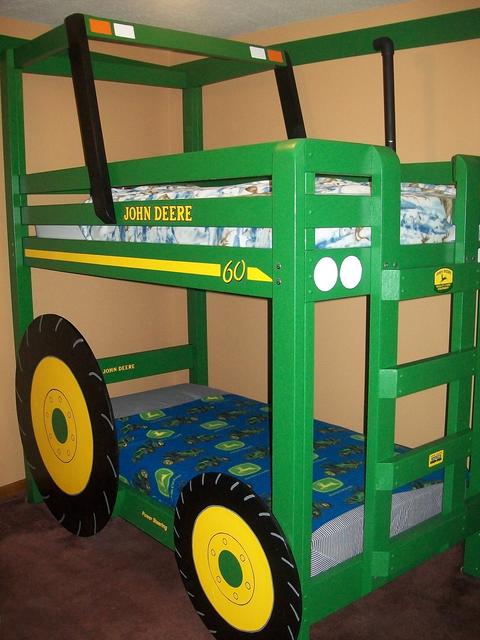
Start by outlining the tractor’s main parts on the wood. Use simple shapes like rectangles and circles for the body and wheels. Cut the wood pieces carefully to match these shapes. Smooth the edges with sandpaper to avoid rough spots. Attach the pieces securely to form the tractor’s body. Add smaller details such as the grill, exhaust pipe, and seat. These small parts make the tractor look real and fun.
Painting And Finishing Touches
Choose John Deere’s classic green and yellow colors for painting. Use paint that is safe for children and easy to clean. Paint the tractor body green and the wheels yellow or black. Let each layer dry before adding the next coat. Use a fine brush for small details like logos and lines. Finish with a clear sealant to protect the paint from scratches and wear. This step keeps the bunk bed looking fresh for years.
Final Assembly And Installation
The final assembly and installation are key steps in building your John Deere tractor bunk bed. Careful work here ensures the bed is strong and safe for use. This phase brings all the parts together into a stable structure.
Pay close attention to each detail. Follow the instructions to avoid mistakes. Use the right tools and keep everything organized. This helps the process go smoothly.
Attaching The Frame Components
Start by connecting the main frame pieces. Align the bed rails with the headboard and footboard. Use screws or bolts provided to join them tightly. Check that the frame is square and level. Tighten all fasteners to prevent wobbling.
Attach the slats or support beams next. These hold the mattress and must be secure. Space them evenly and fasten with screws. Confirm the frame feels solid with no loose parts.
Securing The Bunk Bed
Place the bunk bed in its final location. Make sure it sits flat on the floor. Use a level to check stability. Attach safety rails to the top bunk for protection. Secure the ladder firmly to the frame.
Double-check all bolts and screws. Tighten any that feel loose. This step is critical for safety. Your John Deere tractor bunk bed is now ready for use.
Frequently Asked Questions
What Materials Do I Need To Build A John Deere Bunk Bed?
You need wood boards, screws, a drill, measuring tape, sandpaper, and John Deere-themed paint or decals. Quality pine or oak wood ensures durability. Safety rails and ladders are essential for secure bunk bed construction.
How Long Does It Take To Build A John Deere Bunk Bed?
Building a John Deere bunk bed typically takes 8 to 12 hours. This includes measuring, cutting, assembling, sanding, and painting. Experience level and available tools can affect the total time required.
Can I Customize The John Deere Bunk Bed Design?
Yes, you can customize colors, decals, and bed size. Add storage drawers or shelves to enhance functionality. Personalizing makes the bunk bed unique and better fits your child’s room theme.
Is The John Deere Bunk Bed Safe For Children?
Yes, if built with sturdy wood and secure joints. Include guardrails on the top bunk and a stable ladder. Always follow safety guidelines to ensure a child-friendly bunk bed.
Conclusion
Building a John Deere tractor bunk bed takes time and care. Follow the steps one by one to make it strong. Use the right tools and materials for safety. Enjoy the fun of creating something unique for your space. This project brings a mix of work and joy.
You will feel proud once the bed is ready. Keep your workspace clean and organized throughout. Now, your John Deere bunk bed is ready to use and admire.