Are you wondering how long your child should stay in a toddler bed? You want to make sure your little one is safe and comfortable, but also know when it’s time to move on.
Choosing the right moment can feel tricky, and you might worry about their sleep, growth, or even safety. This guide will help you understand the signs to look for and how to decide the perfect time to transition. Keep reading to find out everything you need to know about how long you should use a toddler bed for your child.
When To Transition From Crib
Deciding when to move your child from a crib to a toddler bed is a big step. It marks a new stage in their growth and independence. Every child is different, and knowing the right time helps ensure a smooth change. Watch your toddler closely to know when they are ready.
Signs Your Toddler Is Ready
Climbing out of the crib is a clear sign. It can be unsafe if they try to climb over the sides. Toddlers who ask to sleep in a “big kid” bed often show readiness. Growing too tall or feeling cramped in the crib also means it is time. Your child may show more independence and want to explore their room.
Safety Considerations
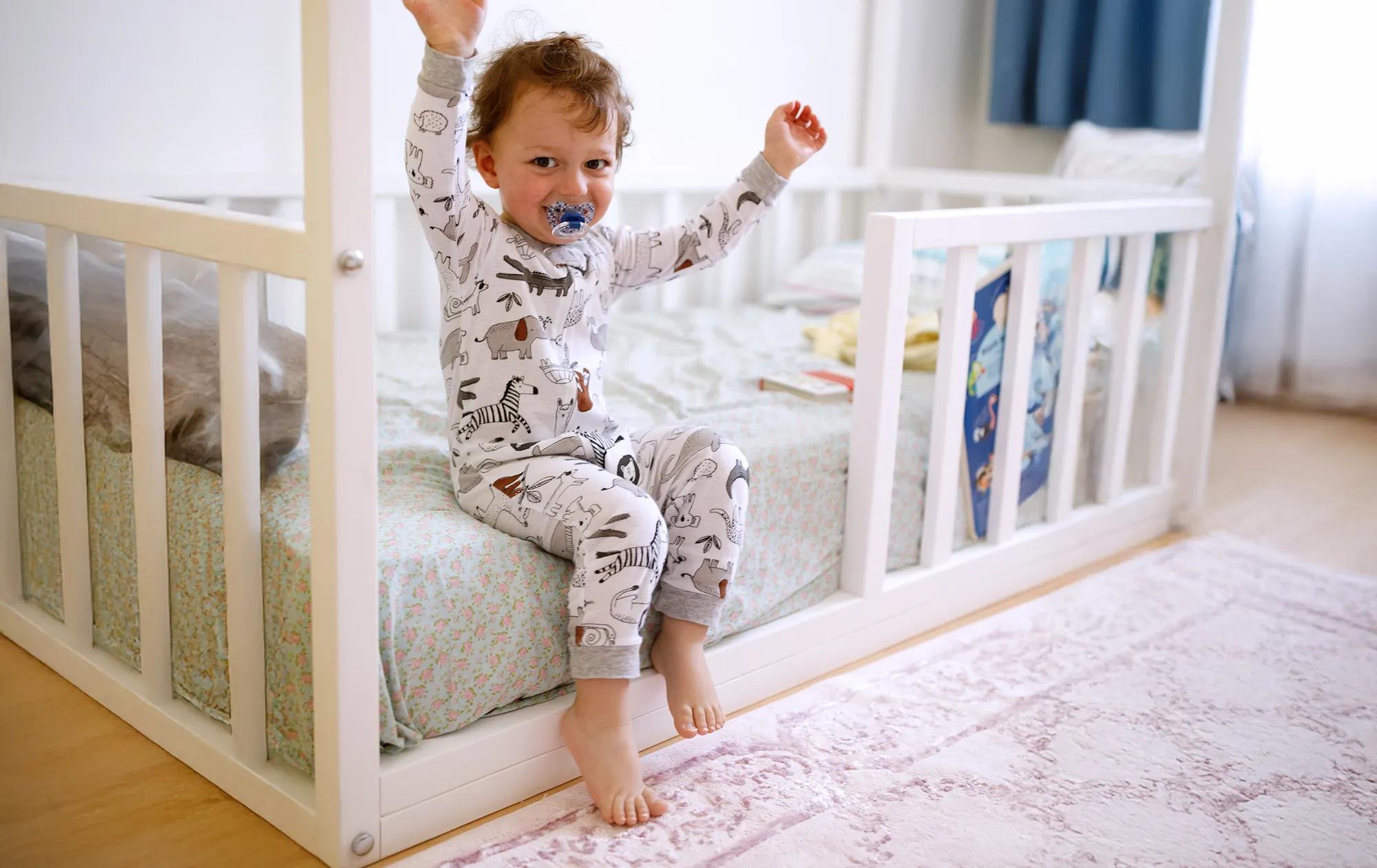
Choose a toddler bed with low sides to prevent falls. Place the bed away from windows and cords. Use bed rails for extra security if needed. Ensure the room is childproofed with no sharp or dangerous objects nearby. Keep a nightlight to help your toddler feel safe at night.
Credit: health.clevelandclinic.org
Choosing The Right Toddler Bed
Choosing the right toddler bed is important for your child’s comfort and safety. A good bed helps your toddler feel secure and sleep better. It also makes the transition from crib to bed smoother. Understanding the types of beds and key features helps you pick the best option.
Types Of Toddler Beds
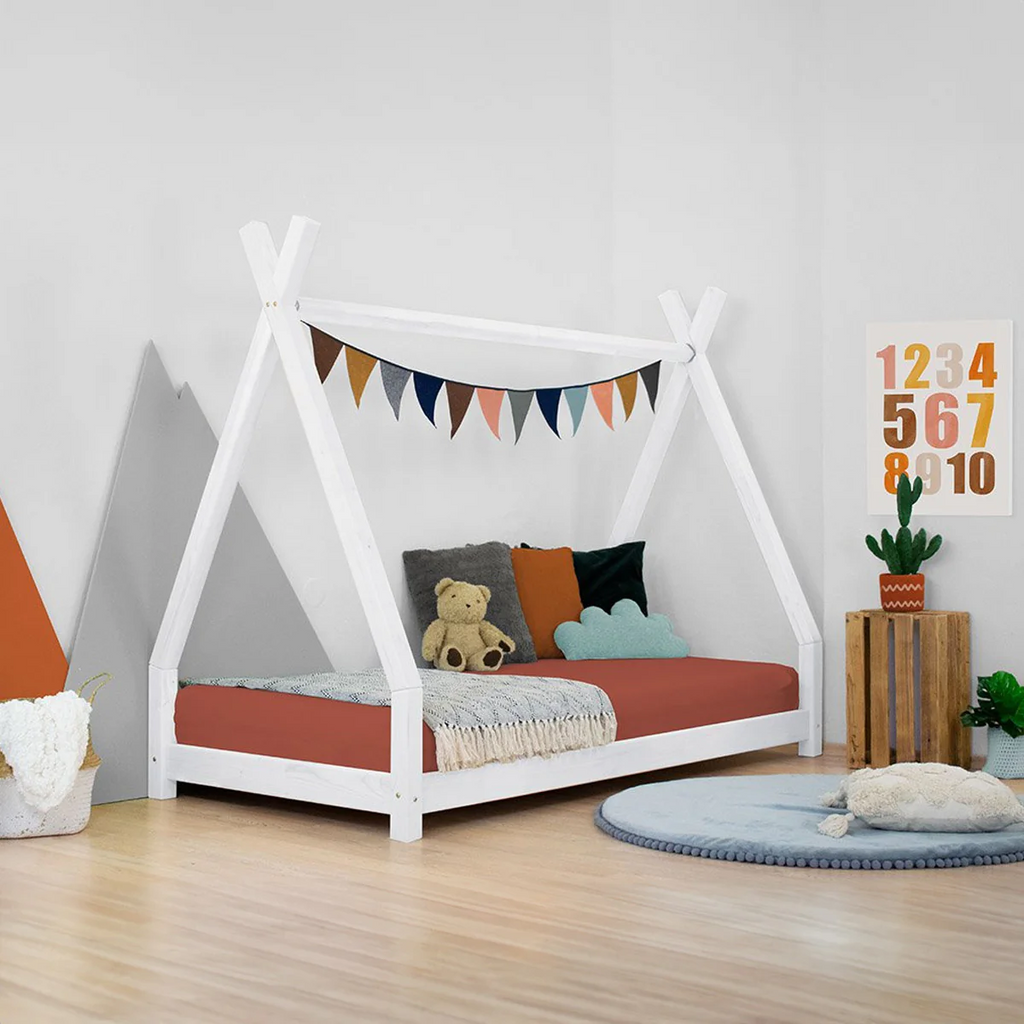
There are several types of toddler beds available. Standard toddler beds are small and low to the ground. They often use a crib mattress. Convertible beds change from a crib to a toddler bed. They grow with your child and save money. Some beds have fun designs or themes, making bedtime more exciting. Choosing the right style depends on your space and budget.
Features To Look For
Safety rails on the sides keep your toddler from falling out. Look for sturdy frames made of solid wood or strong plastic. The mattress should fit snugly to avoid gaps. Easy-to-clean materials save time and effort. Some beds include storage drawers for toys or clothes. Choose a bed with smooth edges to prevent injuries. Comfort and safety should be your top priorities.
Typical Toddler Bed Usage Duration
The typical toddler bed usage duration varies for each child. Parents often wonder how long their child should use this bed before moving on. Understanding the average age range and factors affecting the duration helps in making the right choice. Toddler beds serve as a transition from a crib to a regular bed. They provide comfort and safety during this stage.
Average Age Range
Most children start using a toddler bed around 18 months to 3 years old. The average age to stop using it is between 5 and 7 years. Some kids may move sooner or later depending on their growth and readiness. The toddler bed suits children who have outgrown the crib but are not ready for a big bed. This stage usually lasts a few years, giving kids time to adjust.
Factors Affecting Duration
Several factors influence how long a child uses a toddler bed. One key factor is the child’s size and growth rate. Larger or taller children may need to switch to a bigger bed earlier. Another factor is the child’s comfort and safety. If a child climbs out of the bed or shows discomfort, it may be time to change. Parents also consider the child’s independence and readiness for a bigger bed. Family routines and room space can affect the decision too.
Credit: myfirstnursery.co.uk
Signs It’s Time To Move On
Knowing when to move your child from a toddler bed to a bigger bed is important. It helps your child sleep better and stay safe. Watch for clear signs that show your child is ready for the next step. These signs fall into two main areas: the size and comfort of the bed, and your child’s behavior.
Bed Size And Comfort
Toddler beds are smaller than regular beds. Your child may start to feel cramped or uncomfortable. Legs might hang off the edge. The mattress may no longer support your child’s growing body well. If your child complains about the bed or seems restless at night, it could mean the bed is too small. A bigger bed can provide more space and better comfort. This helps your child sleep more soundly and wake up happy.
Behavioral Cues
Behavior changes can tell you if it is time to move on. Your child may try to climb out of the toddler bed. This can be unsafe and shows they need more room. Some children resist bedtime or wake often. They might need a more secure, larger bed to feel safe. Watch for excitement about a “big kid” bed. This eagerness often means readiness. Pay attention to your child’s needs and feelings. These cues guide you on the best timing to switch beds.
Tips For A Smooth Transition
Changing from a crib to a toddler bed can feel like a big step for your child. A smooth move helps your toddler feel safe and happy. Simple actions make the change easier for everyone.
Focus on small habits and comfort. These tips support your child during this new sleep time.
Preparing Your Toddler
Talk about the new bed before moving your child. Show pictures or visit a store together. Let your toddler touch the bed and choose bedding. This builds excitement and trust.
Keep routines the same. Bedtime stories and songs still help your child relax. Praise your toddler for trying the new bed. Positive words help them feel proud.
Making Bedtime Comfortable
Use soft blankets and favorite toys in the bed. These items bring comfort and familiarity. Keep the room quiet and dim. A calm space helps your child fall asleep faster.
Stay close at first. Sit nearby until your toddler feels safe. Slowly give more space each night. This helps your child gain confidence in the new bed.

Credit: myfirstnursery.co.uk
Safety Tips For Toddler Beds
Safety is very important when using a toddler bed. Toddlers are active and curious. They need a bed that protects them from injury. Parents should focus on simple safety tips. These tips help avoid accidents and give peace of mind.
Preventing Falls
Toddler beds should have guardrails on the sides. These rails stop children from rolling off. The rails must be sturdy and high enough. Place the bed away from windows and hard furniture. Use a soft rug next to the bed. This softens any accidental falls during the night.
Choosing Safe Materials
Choose beds made from non-toxic materials. Paint and finishes should be free from harmful chemicals. Wood beds are strong and safe. Avoid beds with sharp edges or small parts. Check that screws and bolts are tight. This keeps the bed stable and safe for toddlers.
Frequently Asked Questions
How Long Should A Toddler Use A Toddler Bed?
Toddlers typically use a toddler bed from ages 1. 5 to 5 years. Transition depends on child’s size and readiness for a bigger bed. Using a toddler bed ensures safety while allowing gradual independence in sleeping habits.
When Is The Right Time To Switch To A Toddler Bed?
Switch to a toddler bed when your child outgrows the crib or climbs out unsafely. This usually happens between 18 months and 3 years. Timing varies based on the toddler’s development and comfort level.
Can Toddlers Use A Bed Longer Than Usual?
Yes, toddlers can use a toddler bed longer if it remains comfortable and safe. Some children prefer familiar surroundings before moving to a larger bed. Monitor your child’s growth and sleeping needs regularly.
What Signs Show A Toddler Is Ready For A Bigger Bed?
Signs include climbing out of the crib, increased height or weight, and expressing interest in a bigger bed. Safety concerns and comfort are key indicators to upgrade to a twin or full-size bed.
Conclusion
Toddler beds suit children aged about 1. 5 to 5 years. Watch your child’s growth and comfort closely. Transition when they outgrow the bed or climb out often. Safety and ease matter most during this change. Every child grows at their own pace.
Choose a bed that fits your child’s needs well. This helps ensure better sleep and happier mornings. Keep these tips in mind for a smooth switch. Your child’s comfort and safety come first.