Are you wondering how long your little one can safely use a toddler bed? Choosing the right time to move your child from a crib to a toddler bed is a big step—and knowing when to move on from that bed is just as important.
You want to keep your child comfortable, safe, and happy as they grow. You’ll discover key signs to watch for, how long toddler beds typically last, and what factors can help you decide the perfect time to upgrade. Keep reading to make sure your child’s sleep space fits their needs every step of the way.
Credit: www.amazon.com
When To Switch To A Toddler Bed
Choosing the right time to switch to a toddler bed is important for your child’s safety and comfort. This transition helps your child feel secure and encourages healthy sleep habits. Watching for key signs and understanding the typical age range can guide this change smoothly.
Signs Your Child Is Ready
Your child may start climbing out of the crib. This is a clear sign to switch beds. They might also ask to sleep in a “big kid” bed. Notice if your child shows excitement about a new bed. Growing too tall for the crib is another important clue. Safety is the priority. Avoid waiting too long after these signs appear.
Age Range For Transition
Most children move to a toddler bed between 18 months and 3 years old. Some may switch earlier or later depending on their development. Every child grows at their own pace. Toddlers need a bed that fits their size and sleep needs. Keeping the crib too long may cause frustration. Moving too early may create safety risks.
Duration Of Toddler Bed Use
The duration a child uses a toddler bed varies. Parents often wonder how long this bed remains suitable. Understanding the typical timeframe and key factors helps make a smooth transition.
Typical Timeframe
Most toddlers use a toddler bed from about 18 months to 5 years old. This range depends on the child’s growth and development. Some may move to a big bed earlier or later. The toddler bed fits well during these years for safety and comfort.
Factors Influencing Length
Several factors affect how long a toddler bed is used. A child’s size plays a big role. If the toddler grows tall quickly, they may need a bigger bed sooner. Safety is another factor; when a child climbs out easily, it might be time to change. Personal comfort and readiness also matter. Each child’s needs guide the duration of toddler bed use.
Safety Considerations
Safety is the top priority when using a toddler bed. Toddlers are active and curious. They need a sleeping space that keeps them secure and comfortable. Parents must watch for risks that can cause falls or injuries. Choosing the right safety features helps create a safe environment. This section covers key points to consider for toddler bed safety.
Bed Rails And Guards
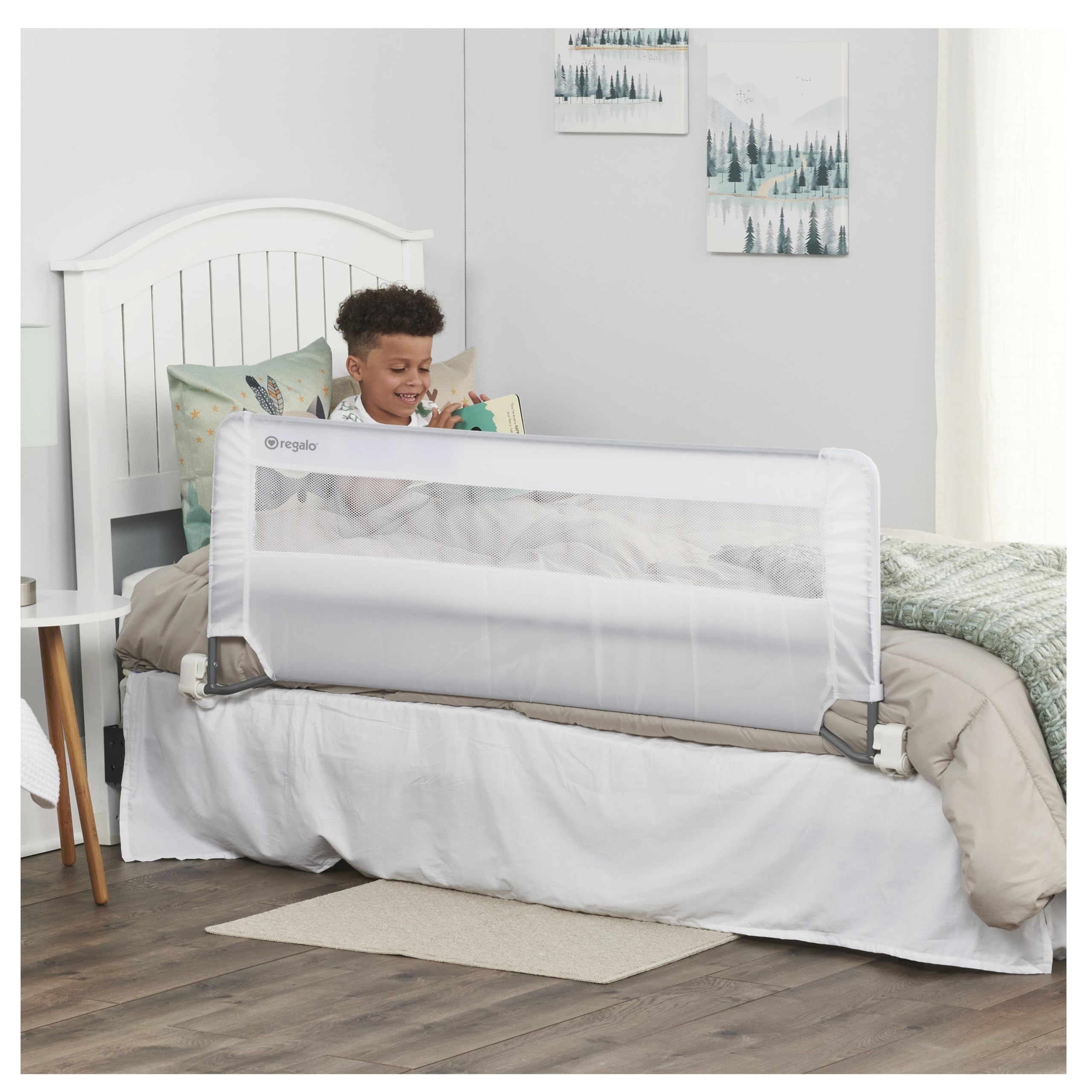
Bed rails protect toddlers from falling out during sleep. Choose rails that fit the bed size well. Check that rails are sturdy and do not have gaps. Small gaps can trap fingers or limbs. Rails should be easy to install and remove for cleaning. Some beds come with built-in guards for better safety. Make sure the rails are high enough to prevent rolling off. Avoid rails with sharp edges or loose parts.
Room Setup Tips
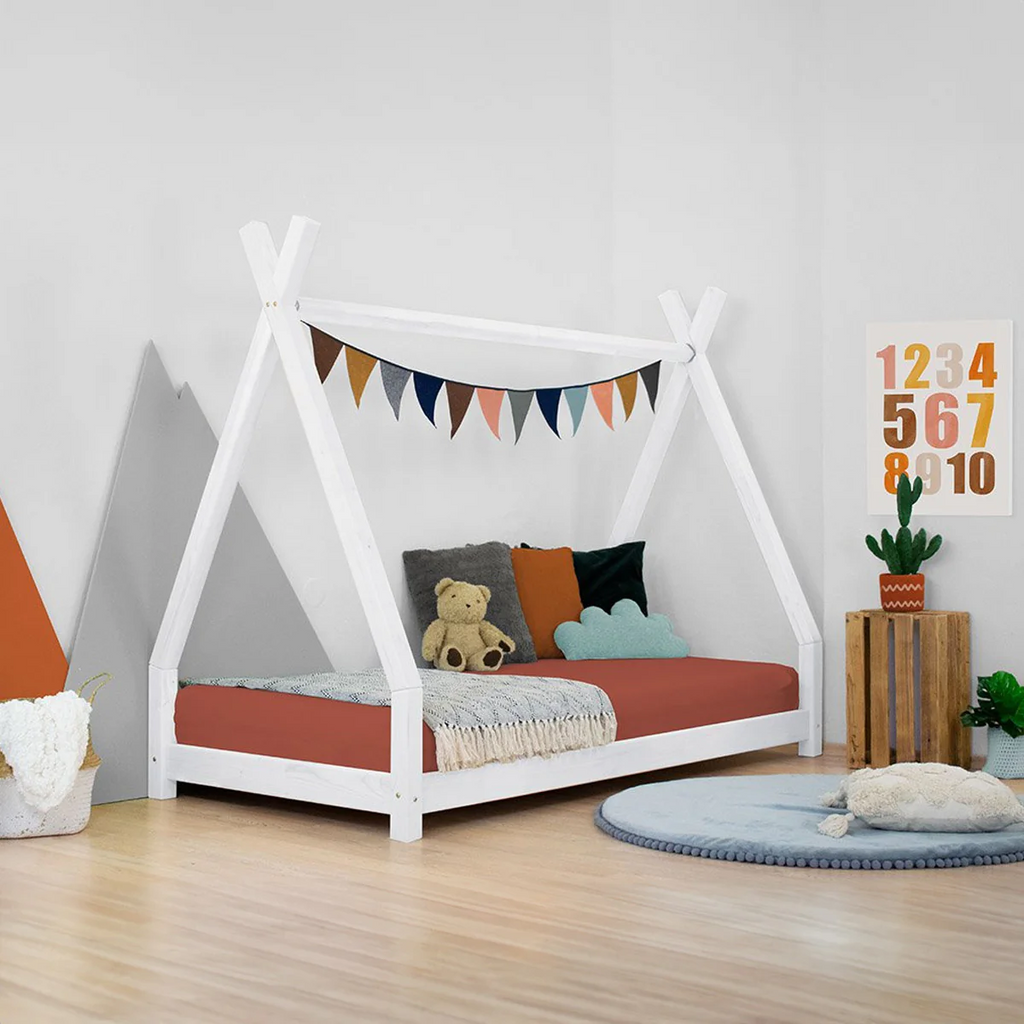
Keep the area around the bed free from sharp or hard objects. Soft rugs or carpets help cushion falls. Place the bed away from windows and cords. Cover electrical outlets to avoid shocks. Use night lights for better visibility at night. Ensure furniture near the bed is stable and won’t tip over. Make sure the room is tidy and clutter-free. These steps reduce risks and create a safe space for toddlers.
Credit: myfirstnursery.co.uk
Benefits Of Toddler Beds
Toddler beds offer many benefits for both children and parents. They provide a safe, cozy place for toddlers to sleep. Using a toddler bed helps ease the transition from a crib to a regular bed. It supports a child’s growth and development in important ways.
Comfort And Familiarity
Toddler beds are smaller and closer to the floor. This size makes children feel safe and secure. Many toddler beds use the same mattress as a crib. This adds comfort and a sense of familiarity. Familiar bedding helps toddlers relax and sleep better.
Encouraging Independence
Toddler beds help kids learn to get in and out on their own. This freedom builds confidence and self-reliance. Children begin to take ownership of their sleep space. It also supports healthy sleep habits early on. Independence in bed can improve a child’s routine.
When To Move To A Twin Bed
Moving your child from a toddler bed to a twin bed marks an important step. This change means more space and comfort for growing kids. It also helps them feel more independent and ready for new bedtime routines.
Timing this move right is important. It should match your child’s size, safety needs, and comfort. Watching for certain signs can guide this decision well.
Signs To Upgrade
Watch your child closely for clues. If they start to climb out of the toddler bed, it’s time to change. When your child looks cramped or uncomfortable, consider a bigger bed. Also, if your child talks about having a “big kid” bed, that’s a strong hint. Safety always comes first. A twin bed often offers better support and space.
Choosing The Right Bed
Pick a twin bed that fits your child’s room size. Look for beds with sturdy frames and guardrails for safety. A mattress that is firm yet comfortable works best. Consider a bed that can grow with your child. This choice helps avoid extra moves and costs. Color and design can make bedtime more fun and inviting.

Credit: sleepingchildsaneparent.com
Common Challenges And Solutions
Using a toddler bed comes with some common challenges. These can affect both the child and the parents. Understanding these problems helps find practical solutions. This keeps bedtime calm and safe for your toddler. Below are key challenges and ways to handle them effectively.
Bedtime Resistance
Toddlers may resist going to bed in their new bed. They might want to stay up or sleep with parents. This is normal behavior during the transition. Create a consistent bedtime routine to ease this. Read a story or sing a quiet song. Make the bed inviting with favorite blankets or toys. Praise your child when they stay in bed. Stay calm and patient during resistance. Avoid giving in to demands to leave the bed.
Nighttime Safety Issues
Safety is a top concern with toddler beds. Toddlers can fall out or wander at night. Use guardrails to prevent falls. Ensure the bed is close to the floor. Remove sharp or hard objects near the bed. Install a night light to help your child see. Keep the room door slightly open if needed. Teach your child not to jump on the bed. Check the bed frame regularly for loose parts. These steps reduce accidents and keep your toddler safe.
Frequently Asked Questions
How Long Do Toddlers Typically Use A Toddler Bed?
Toddlers usually use a toddler bed from ages 2 to 5. This depends on the child’s size and readiness for a bigger bed. Transition timing varies among families based on safety and comfort preferences.
When Should You Transition From Toddler To Twin Bed?
Transition to a twin bed when your child outgrows the toddler bed. Signs include climbing out or feeling cramped. Safety and comfort are key factors in deciding the timing.
Are Toddler Beds Safe For Toddlers Under 2 Years?
Toddler beds are not recommended for children under 2 years. Cribs are safer for younger toddlers due to proper size and guardrails. Always follow age and weight guidelines for bed safety.
Can A Toddler Bed Fit A Child Over 5 Years Old?
Most toddler beds are too small for children over 5 years. At this age, a twin or full-size bed is better for comfort and growth. Evaluate your child’s size before extending toddler bed use.
Conclusion
Toddler beds suit children roughly between ages two and five. Watch your child’s growth and comfort closely. When they outgrow the bed or show safety concerns, it’s time to switch. Every child develops differently, so trust your instincts as a parent.
A good bed supports healthy sleep and independence. Choose what fits your child’s needs best. This helps ensure safe, restful nights for your little one.