Are you thinking about making a toddler bed for your little one but unsure how much it will cost? Knowing the expenses upfront can help you plan better and avoid surprises.
Whether you want a simple design or something special, understanding the costs involved will guide your choices. You’ll discover everything you need to know about the price of building a toddler bed—materials, tools, and tips to save money without cutting corners.
Keep reading to find out how to create a cozy, safe bed for your child without breaking the bank.
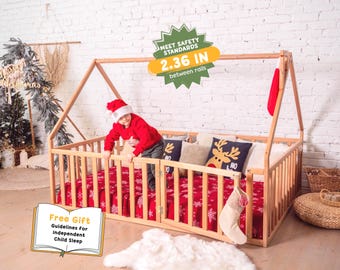
Credit: www.etsy.com
Materials Needed
Building a toddler bed requires specific materials to ensure safety and durability. Choosing the right materials affects the bed’s cost and quality. This section covers the main materials needed for this project.
Wood Types And Prices
Wood is the main material for a toddler bed. Pine is a popular choice. It is affordable and easy to work with. Oak is stronger but costs more. Plywood is cheaper but less durable. Expect to spend $30 to $100 on wood, depending on type and size.
Hardware And Fasteners
Hardware holds the bed parts together. Screws, bolts, and brackets are necessary. Choose rust-resistant screws for safety. These small parts usually cost between $5 and $15. Buying quality hardware helps the bed last longer.
Paints And Finishes
Paint protects wood and adds color. Use non-toxic, child-safe paint for toddler beds. Water-based paints dry fast and are safe. Finishes like clear varnish add extra protection. Expect to spend $10 to $30 on paints and finishes.
Tools Required
Making a toddler bed needs some basic tools. These tools help cut, shape, and join the wood. Having the right tools makes the work easier and safer. The tools you need depend on the design and materials.
Basic Hand Tools
Start with simple hand tools. A measuring tape helps to get exact sizes. A carpenter’s square keeps corners straight. Use a handsaw to cut wood pieces if you do not have power tools. Sandpaper smooths rough edges. A hammer and nails join the parts. A screwdriver tightens screws for strong joints.
Power Tools
Power tools speed up the work. A power drill makes holes fast and easy. A jigsaw cuts curved shapes with precision. A circular saw cuts large boards quickly. An electric sander smooths surfaces evenly. These tools cost more but save time and effort.
Tool Rental Options
Tool rental shops let you borrow power tools for a low price. This option saves money if you build only one bed. You get quality tools without buying them. Check local stores for rental deals. Renting helps to use the best tools without big costs.
Design And Plans
Design and plans are the first step in making a toddler bed. They guide you through the building process. The right plan saves time and money. It also helps create a safe and sturdy bed for your child.
Choosing the right design affects the cost. Simple designs need fewer materials and less skill. Complex designs can cost more but offer more style and features.
Free Plans Vs Paid Plans
Free plans are easy to find online. They can help you start without spending money. Many free plans include basic instructions and material lists. These are good for simple beds.
Paid plans often come with detailed drawings and step-by-step guides. They may include video tutorials and support. Paid plans can save mistakes and frustration. The cost varies but can be worth the investment.
Customizing Designs
Customizing your toddler bed adds personality and comfort. You can change the size, color, and features. Adding drawers or shelves can increase cost but also functionality.
Simple changes like paint or stickers are low cost. More complex changes need more materials and skill. Custom designs make the bed unique for your child’s needs.

Credit: www.northwesternmutual.com
Labor And Time
Labor and time play a big role in the cost of making a toddler bed. Both affect the total price you pay. The effort you put in and the hours spent matter a lot. Understanding these helps you plan better.
Diy Time Estimates
Building a toddler bed yourself takes time and patience. On average, it may take between 6 to 12 hours. This depends on your skill level and the complexity of the design. Simple beds need less time. More detailed ones take longer.
Time also includes preparing materials and finishing touches. Sanding, painting, or staining adds extra hours. Break the work into small parts for easier handling. This helps avoid feeling overwhelmed.
Hiring A Carpenter
Hiring a carpenter saves your time but costs more money. Professionals usually finish the job in 3 to 5 hours. They work faster with experience and proper tools.
Labor charges vary by location and skill level. Expect to pay between $50 and $100 per hour. This fee covers their time and expertise. Factor this into your budget for a clear cost picture.
Additional Costs
Building a toddler bed involves more than just materials and tools. Additional costs can add up quickly. These extra expenses ensure the bed is safe, comfortable, and ready to use. Let’s explore the common extra costs you might face.
Safety Accessories
Safety accessories protect your child while sleeping. Bed rails prevent falls during the night. Corner protectors soften sharp edges. These small items cost between $10 and $30. They are worth the price for peace of mind.
Mattress And Bedding
A mattress is essential for comfort and support. Toddler mattresses range from $40 to $100. Choose one that fits the bed frame perfectly. Bedding includes sheets, pillows, and blankets. Quality bedding keeps your child cozy and safe.
Delivery And Assembly
Delivery fees depend on the seller and your location. It can cost $20 to $50. Some beds require assembly, which might need extra tools. Professional assembly services may charge $50 or more. Consider these costs when planning your budget.
Cost Comparison
Cost comparison helps you decide the best way to get a toddler bed. It shows the price difference between making a bed yourself and buying one. Knowing these costs saves money and time. Let’s explore the options in detail.
Diy Vs Store-bought Beds
Making a toddler bed yourself can cost between $50 and $150. The price depends on materials like wood and paint. Tools might add to the cost if you don’t own them.
Store-bought beds usually cost from $100 to $300. They come ready to use and often include safety features. Assembly is simple and fast.
DIY beds offer customization but take time and effort. Store-bought beds save time but may cost more. Both choices have benefits based on your needs.
Budget-friendly Alternatives
You can find cheaper options by using recycled materials. Old furniture can be turned into a toddler bed for less money. This option is eco-friendly and unique.
Buying second-hand beds or checking clearance sales also lowers costs. These beds often look new and work well. Always check the bed for safety before use.
Simple designs use fewer materials and cost less. Look for basic toddler beds without extra decorations. This keeps the price down and still meets your child’s needs.
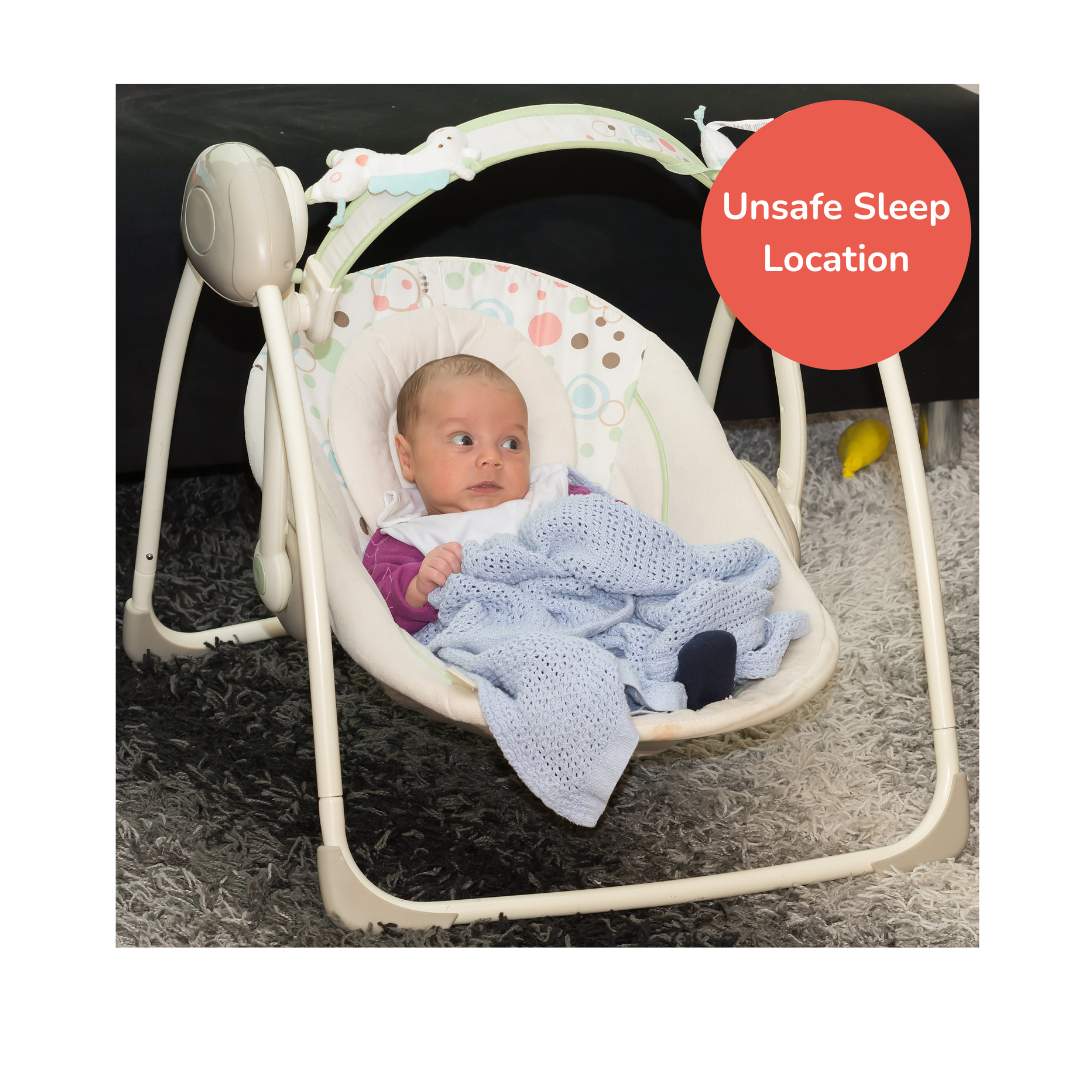
Credit: www.basisonline.org.uk
Frequently Asked Questions
How Much Does A Basic Toddler Bed Cost?
A basic toddler bed typically costs between $50 and $150. Prices vary depending on materials, brand, and design. Budget models often use simpler materials, while higher-end beds may offer added features and durability.
What Factors Influence Toddler Bed Pricing?
Toddler bed prices depend on materials, brand reputation, design complexity, and additional features. Custom or convertible beds often cost more. Shipping and assembly services can also increase the total cost.
Is It Cheaper To Buy Or Build A Toddler Bed?
Buying a toddler bed is usually more cost-effective and faster. Building one can cost more due to tools and materials. However, DIY beds offer customization and personal satisfaction, which some parents value more than cost savings.
How Much Do Toddler Bed Mattresses Cost?
Toddler bed mattresses range from $30 to $100. Prices depend on size, material quality, and brand. Memory foam and hypoallergenic options typically cost more but offer added comfort and safety.
Conclusion
Building a toddler bed can save money and fit your style. Costs vary based on materials, tools, and design choices. Simple beds cost less but may lack extra features. Planning well helps control expenses and avoid surprises. Measuring carefully ensures the bed fits your child comfortably.
Taking time to compare prices benefits your budget. Making the bed yourself brings pride and satisfaction. In the end, a toddler bed can be both affordable and special.