Are you wondering how long your child will actually stay in their toddler bed? You’re not alone.
Transitioning from a crib to a toddler bed is a big step, and many parents ask the same question: When is it time to move on? Knowing how long your little one will use their toddler bed can help you plan better and avoid unnecessary stress.
You’ll discover the typical age range, signs to watch for, and tips to make this stage smooth for both you and your child. Keep reading to find out exactly what to expect and how to prepare for the next big change in your child’s sleep routine.
Toddler Bed Basics
Toddler beds are the next step after cribs for many young children. They offer a cozy and safe space for toddlers to sleep. Parents often wonder how long kids stay in these beds. Understanding the basics helps answer that question.
This section covers what toddler beds are and how they differ from cribs and twin beds. It gives clear information for parents making this important choice.
What Is A Toddler Bed?
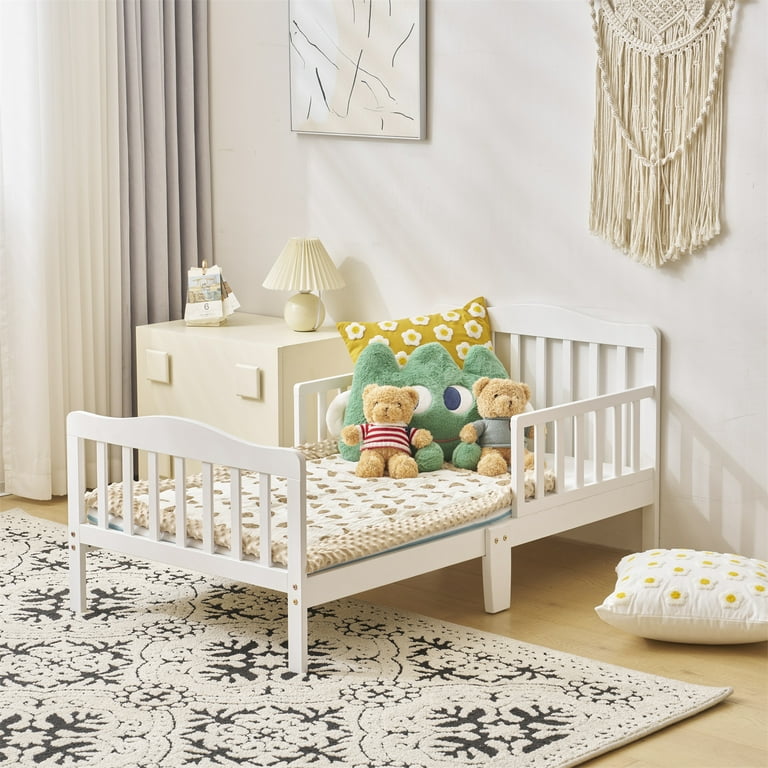
A toddler bed is a small bed designed for children aged about 1.5 to 5 years. It is lower to the ground than a regular bed. This makes it easier and safer for toddlers to get in and out.
Toddler beds use the same mattress size as cribs. This helps parents reuse the mattress from the crib. The bed often has side rails to prevent kids from falling out.
Differences From Cribs And Twin Beds
Cribs have high sides and bars to keep babies safe. They are smaller and meant for babies up to 2 or 3 years old. Toddler beds have lower rails and open sides for more independence.
Twin beds are larger and fit older children and adults. They do not have guardrails. Twin beds use bigger mattresses and sit higher off the floor.
Toddler beds bridge the gap between cribs and twin beds. They offer safety and comfort while giving toddlers more freedom.
Ideal Age Range
The ideal age range for using a toddler bed varies for each child. Choosing the right time helps keep your child safe and comfortable. Parents often wonder how long kids stay in toddler beds. Understanding the typical ages helps plan this transition smoothly.
When To Transition From Crib
Most children move from a crib to a toddler bed between 18 months and 3 years. This shift often happens when children try to climb out of their crib. Safety becomes a concern at this stage. Some kids may stay in a crib longer if they feel secure. Watch your child’s behavior to decide the best time to change.
Typical Age Span For Toddler Beds
Kids usually use toddler beds from about 2 years old to 5 years old. This bed size fits their growing bodies and offers comfort. Around age 5, many kids switch to a twin or full-size bed. The toddler bed helps them learn independence in sleep. Each child grows differently, so this period can vary.
Factors Influencing Bed Duration
Several factors influence how long kids stay in a toddler bed. Each child is unique and grows at their own pace. Parents must watch for signs that show it’s time to change beds. Understanding these factors helps ensure children feel safe and comfortable during sleep.
Child’s Growth And Size
Size matters for bed comfort and safety. Toddlers grow quickly, and their bed should fit their body well. A bed too small can cause discomfort and disrupt sleep. Parents should measure their child regularly and compare it to the bed size. When the child starts to feel cramped, it may be time for a bigger bed.
Sleep Habits And Safety
Sleep routines vary for every child. Some toddlers move a lot during sleep or climb out of bed. These habits affect how long a toddler bed is suitable. Safety is key. If a child begins to fall out or struggles to stay in bed, parents should consider a new bed option. A secure sleeping space promotes better rest for kids and peace of mind for parents.
Developmental Milestones
Development impacts bed transition timing. As toddlers learn to walk, run, and jump, their bed needs change too. Increased mobility means a child may try to leave the bed more often. Parents should watch for these signs and match bed choices to their child’s skills. A bed that supports their growth helps children feel confident and safe at night.

Credit: www.walmart.com
Signs Your Child Is Ready To Move On
Knowing when your child is ready to leave the toddler bed helps keep them safe and comfortable. Children grow fast, and their needs change. Watch for clear signs that show it is time to move on. These signals help parents decide the best moment for a bigger bed.
Pay close attention to how your child behaves in their bed. Changes in habits or actions often mean they need a new sleeping space. Here are some common signs to watch for.
Climbing Out Of The Bed
Climbing out of the toddler bed is a strong sign your child needs a new bed. This can be dangerous. Toddlers may fall and hurt themselves. A bigger bed with rails or even a regular bed might be safer. This action shows they may feel cramped or want more freedom.
Needing More Space
When your child starts to look cramped, it is time to change the bed. Toddlers grow quickly. They need room to stretch and move comfortably. If their feet hang off the bed or they wake up stiff, the bed is too small. Moving to a bigger bed gives better comfort and rest.
Changing Sleep Patterns
Changes in sleep habits can mean your child is ready for a new bed. They may wake up more often or seem restless. Sometimes, toddlers resist bedtime because the bed feels too small or old. A fresh, bigger bed might help them sleep longer and feel happier.
Tips For A Smooth Transition
Moving your child to a toddler bed can feel like a big step. It needs patience and care. Small changes can make this time easier for both of you. Here are some useful tips to help your child adjust smoothly to their new sleeping space.
Choosing The Right Bed
Pick a bed that is low to the ground. This helps your child get in and out safely. Look for beds with side rails to prevent falls. Soft bedding adds comfort and makes the bed inviting. Let your child choose their bedding. This creates excitement about the new bed.
Establishing A Bedtime Routine
Create a calm and consistent bedtime routine. This helps your child know what to expect. Start with a warm bath or quiet story. Keep the same order every night. Avoid screens or loud noises before bed. A routine builds security and helps your child settle down.
Safety Precautions
Check the room for any hazards. Cover electrical outlets and secure furniture to walls. Use night lights to reduce fear of the dark. Keep toys and objects away from the bed. Teach your child to stay in bed until morning. Safety makes the new bed a safe place to sleep.
Common Challenges And Solutions
Transitioning to a toddler bed brings new challenges for both kids and parents. Common issues often include bedtime resistance, nighttime wandering, and comfort or security concerns. These challenges can disrupt sleep and cause stress. Understanding these problems helps find easy solutions. This section explains common troubles and how to handle them.
Bedtime Resistance
Many toddlers resist going to bed in their new bed. They may want to stay up longer or ask for extra stories. Setting a clear and consistent bedtime routine helps. Use calm and simple steps like brushing teeth and reading one short book. Praise your child for following the routine. This builds good habits and reduces fights.
Nighttime Wandering
Some toddlers get up and walk around at night. This can be unsafe and tiring for parents. Use a baby gate or door alarm to keep your child in their room. Night lights make the room less scary. Also, check if your toddler needs a bathroom break before bed. This reduces the chance of waking up and wandering.
Comfort And Security Issues
New beds can feel strange and unsafe to toddlers. They may miss their crib or feel alone. Adding favorite blankets or stuffed animals gives comfort. Keep the room temperature cozy and the bed soft. Talk to your child about the bed being their special place. This helps them feel safe and sleep better.
When To Upgrade To A Bigger Bed
Deciding when to move your child from a toddler bed to a bigger bed can be tricky. Every child grows at their own pace. Watching for clear signs helps parents make this change smoothly. A bigger bed offers more comfort and safety as your child grows. This step supports their sleep quality and overall well-being.
Signs Your Child Needs More Space
Your child might need a bigger bed if they start to feel cramped. Tossing and turning often shows they lack enough room. If their feet hang off the bed, it is a clear sign. Climbing out of the toddler bed frequently also indicates they may need more space. Complaints about feeling uncomfortable or waking up tired can mean the bed is too small.
Types Of Beds After Toddler Stage
Transitioning from a toddler bed opens many options. Twin beds are a popular choice for growing kids. They provide enough space to stretch and move comfortably. Some parents choose a daybed with a trundle for sleepovers or siblings. Bunk beds work well for families with more than one child. Convertible beds grow with your child, changing from toddler to twin size. These options help find the best fit for your child’s needs and room space.
Credit: www.walmart.com

Credit: www.ynhhs.org
Frequently Asked Questions
How Long Do Kids Typically Use A Toddler Bed?
Most children use a toddler bed between ages 2 and 5. This varies based on their size, comfort, and readiness for a bigger bed.
When Should Kids Transition From A Toddler Bed?
Children usually move to a regular bed around age 5. Transition depends on their growth, safety, and ability to sleep independently.
What Signs Show A Toddler Is Ready For A Bigger Bed?
Signs include outgrowing the toddler bed, climbing out, or needing more space. Safety and comfort are key factors for transitioning.
Can Kids Use A Toddler Bed Beyond Age 5?
Yes, some kids use toddler beds longer if they fit comfortably. It depends on the child’s size and personal preference.
Conclusion
Kids usually stay in toddler beds between 1 to 3 years. This depends on their size, comfort, and safety needs. Parents watch for signs like climbing out or growing too tall. Moving too soon may cause falls or fear. Waiting too long can limit space for growth.
Every child is different. Trust your instincts and keep your child safe. Choosing the right time helps them sleep well and feel secure. A smooth transition sets a good routine for better rest. Simple steps can make this change easier for everyone.