Are you wondering when the right time is to move your little one into a toddler bed? You want to make sure your child feels safe and comfortable, but you also want to know how long they should actually stay in that bed before moving on.
This decision can feel tricky because every child is different. You’ll discover simple signs to look for and expert advice to help you make the best choice for your toddler’s sleep and safety. Keep reading to find out exactly how long your toddler should stay in their bed and what to watch for along the way.
Signs Your Toddler Is Ready
Knowing when a toddler is ready for a toddler bed is important. It helps keep them safe and comfortable. Many signs show readiness. These signs come from how your child grows, behaves, and stays safe in their crib.
Physical Growth Indicators
Your toddler may be ready when they grow too tall for the crib. Legs might stick out over the crib sides. They might try to climb out. This can be dangerous. Toddlers who climb out risk falling. A toddler bed offers a safer, lower option.
Behavioral Readiness
Watch your child’s behavior at bedtime. Do they resist the crib? Do they want to sleep with you or walk around? These signs mean they want more freedom. Toddlers ready for a bed feel confident moving on their own. They understand bedtime rules better too.
Safety Concerns In Crib
Cribs are safe at first. But toddlers can get stuck or hurt if they try to escape. Gaps between crib rails can trap limbs. Loose bedding or toys can cause suffocation. If you see these hazards, it’s time to switch. A toddler bed reduces these risks and keeps your child safe.

Credit: busytoddler.com
Recommended Age Range
Toddlers usually move to a toddler bed between ages 18 months and 3 years. This range suits most children’s growth and comfort needs. The right time depends on physical size and readiness to sleep safely.
Parents should watch for signs their child is ready to switch. These signs help ensure a smooth transition without stress.
Typical Transition Ages
Many children start using a toddler bed around 2 years old. Some may move earlier, near 18 months, especially if they outgrow their crib. Others stay in cribs longer, even past 3 years.
Most toddlers stay in a toddler bed for 2 to 3 years. This gives them time to adjust before moving to a regular bed. The bed size fits their growing bodies better than a crib.
Variations By Child Development
Every child grows at a different pace. Some toddlers climb out of cribs early. Safety concerns push parents to switch beds sooner.
Emotional readiness also matters. Some children feel more secure in a crib longer. Others enjoy the freedom of a toddler bed earlier.
Physical skills like climbing and walking affect timing too. Parents should consider these skills before moving their child.
Duration In A Toddler Bed
Choosing the right time for a toddler to stay in a toddler bed is important. This stage helps children feel safe and comfortable while they learn to sleep alone. Parents often ask about the ideal duration for this transition. The answer depends on the child’s growth and readiness. Understanding the typical time span and signs to move on can guide parents well.
Average Time Span
Most toddlers use a toddler bed between ages 18 months and 3 years. This period matches their growth and sleep needs. Toddlers usually stay in this bed for about 1 to 2 years. Some might switch earlier, others may take longer. It depends on comfort and safety. Toddler beds offer lower height and guardrails. These features reduce falls and help children feel secure.
Using a toddler bed too soon or too long may cause discomfort. Parents should watch how their child adjusts. If the child sleeps well and feels happy, the timing is right. The bed should support sleep habits and physical size.
When To Move To A Big Bed
Signs show when a toddler is ready for a big bed. Climbing out of the toddler bed is a strong hint. This can be unsafe and means the bed no longer fits their size. Growing taller or wider also calls for a bigger bed. A toddler who resists the toddler bed or seems cramped needs change.
Another sign is the child’s interest in a bigger bed. They might ask about it or want to sleep with older siblings. This shows readiness for a new stage. Switching to a big bed offers more space and freedom. It helps toddlers gain independence while keeping safety in mind.

Credit: busytoddler.com
Safety Tips For Toddler Beds
Keeping your toddler safe in their bed is very important. Toddlers are active and curious. Their beds must protect them from falls and injuries. A safe sleeping space gives parents peace of mind. Use these safety tips to create a secure and cozy bed for your child.
Choosing The Right Bed
Select a toddler bed that fits your child’s size. It should be low to the ground for easy access. Look for beds with guardrails on both sides. These rails stop your toddler from rolling out. Avoid beds with sharp edges or loose parts. Choose sturdy beds made from strong materials. This prevents accidents caused by broken frames.
Preventing Falls And Injuries
Place the bed away from windows and cords. Clear the floor around the bed from toys and clutter. Use a soft rug or carpet to cushion any falls. Teach your toddler to stay in bed during sleep time. Check the bed regularly for loose screws or broken parts. Replace damaged bedding or pillows immediately. These steps reduce the risk of injury at night.
Room Childproofing
Cover electrical outlets with safety plugs. Secure heavy furniture to the wall to prevent tipping. Use door stoppers to avoid finger pinches. Remove choking hazards from the room. Keep cords and blinds out of reach. Make sure the room has soft lighting for night visits. Childproofing the room creates a safer sleep space for toddlers.
Adjusting To The Toddler Bed
Adjusting to a toddler bed is a big step for your child. It brings new freedom and new challenges. The change can take time and patience. Understanding how to support your child helps the process go smoothly. You can make bedtime calm and safe with the right approach.
Making The Transition Smooth
Start by letting your child explore the new bed during the day. Use familiar bedding to create comfort. Talk about the bed as a fun and special place. Avoid rushing the move. Move your child only when they show readiness signs, such as climbing out of the crib.
Handling Sleep Resistance
Some toddlers may resist leaving their crib. They might get up often or cry. Stay calm and consistent in your response. Gently guide them back to bed each time. Avoid giving too much attention to protests. Praise quiet and calm behavior to encourage it.
Establishing A Bedtime Routine
Create a simple, predictable routine before bed. This might include reading a story or singing a lullaby. Keep the routine short and soothing. Follow the same steps every night. A clear routine helps your child feel safe and ready to sleep.
Parental Experiences And Advice
Parents share many experiences about how long toddlers stay in toddler beds. Their advice helps others make better choices. Toddlers vary a lot in how ready they are to move on. Listening to parents can guide you through common issues and successes.
Common Challenges
Many parents say toddlers try to climb out of toddler beds. Night waking and fear of falling are frequent problems. Some toddlers resist the change and want to sleep in a crib. Others may get up often and roam the house. These challenges can make parents feel tired and stressed.
Success Stories
Some parents find toddlers quickly adjust to toddler beds. They share how consistent bedtime routines helped. Clear rules about staying in bed work well for many. Parents say praise and small rewards encourage good sleeping habits. Success often comes with patience and steady effort.
Expert Recommendations
Experts suggest toddlers stay in toddler beds until about age three or four. They advise watching for signs of readiness, like climbing skills and independence. Safety is important; beds should have guardrails. Experts recommend keeping a calm and regular sleep routine. Moving to a big bed too soon can cause problems.
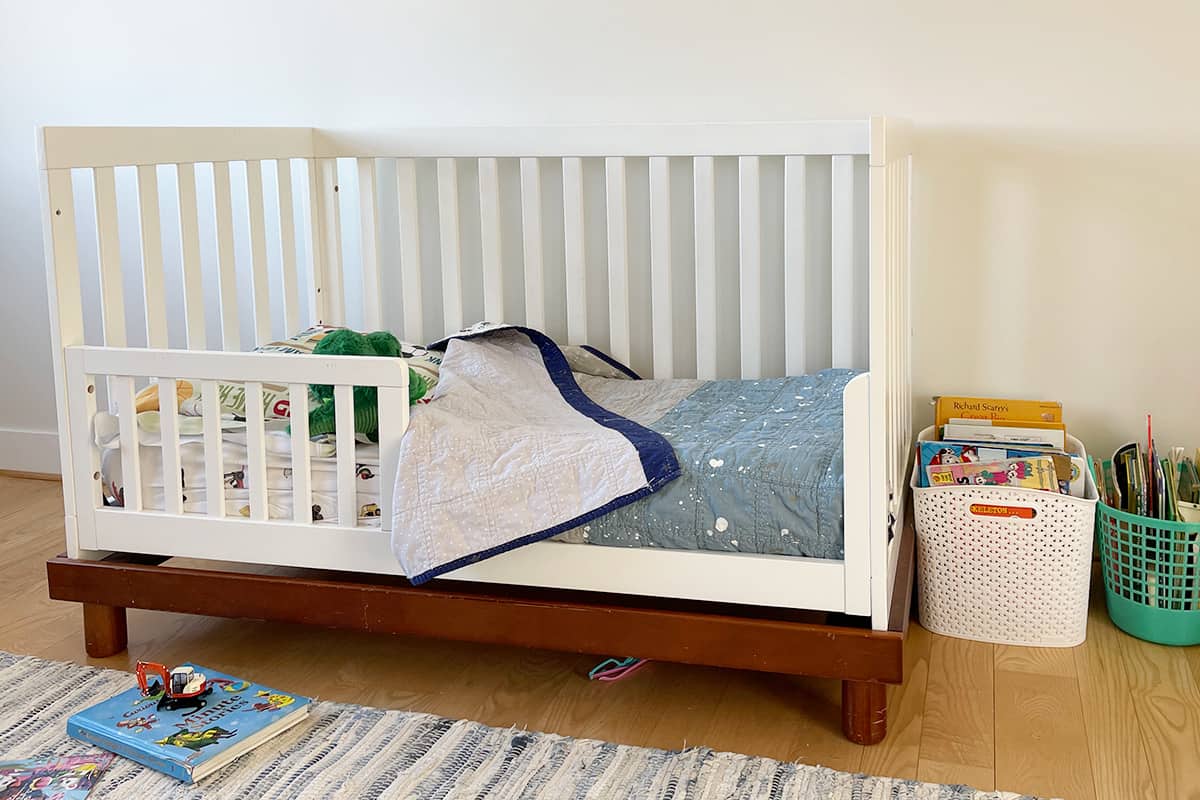
Credit: www.yummytoddlerfood.com
Frequently Asked Questions
How Long Do Toddlers Typically Stay In Toddler Beds?
Toddlers usually stay in toddler beds from ages 1. 5 to 5 years. The duration depends on their growth and readiness for bigger beds.
When Is The Right Time To Move To A Toddler Bed?
The right time is when your child climbs out of the crib or shows interest in a bigger bed. Safety and comfort are key.
Can Toddlers Stay In Toddler Beds Until Age 5?
Yes, many toddlers use toddler beds until age 5. Transition depends on child’s size, safety, and personal comfort level.
What Signs Indicate Toddler Bed Transition Readiness?
Look for climbing out of the crib, increased size, or asking for a bigger bed. These signs suggest readiness for toddler beds.
Conclusion
Choosing the right time for a toddler bed depends on your child’s needs. Watch for signs like climbing out of the crib or wanting more space. Safety and comfort come first in this change. Each child grows at their own pace.
Trust your instincts and observe your toddler closely. This helps make the switch smooth and stress-free. A toddler bed supports independence and better sleep. Keep the room cozy and familiar to ease the transition. Small steps lead to big changes in your child’s sleep routine.