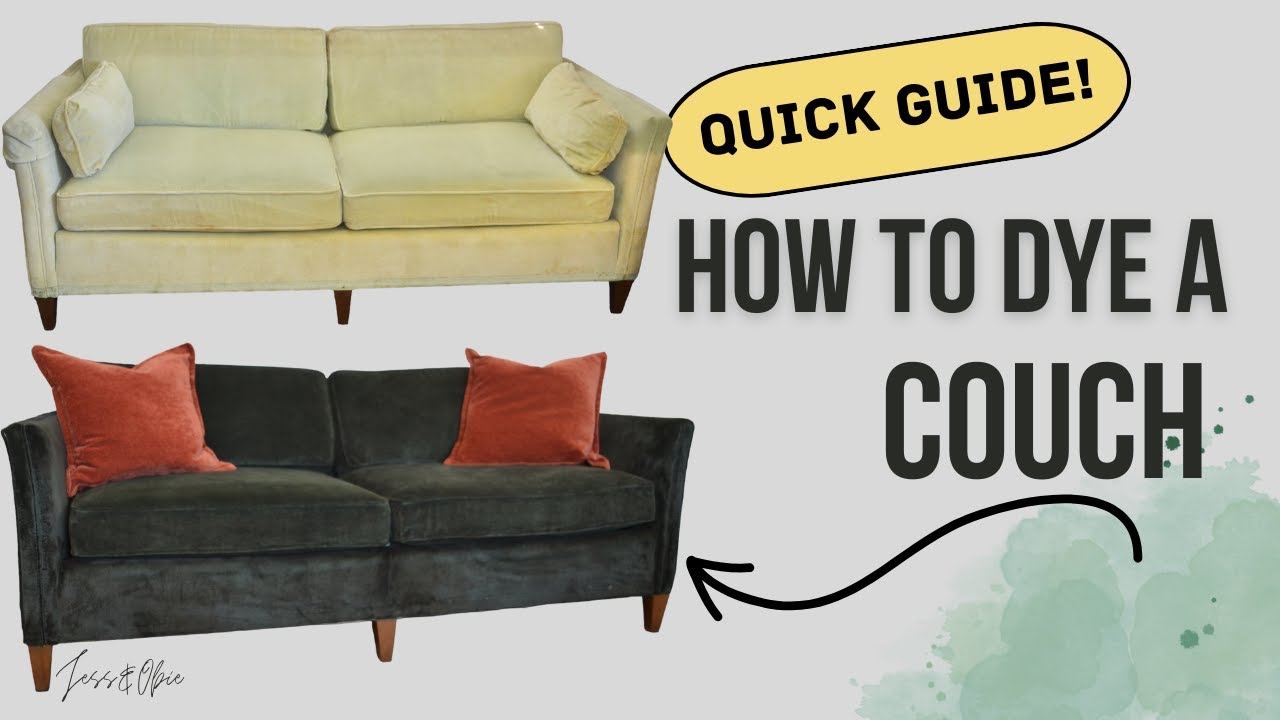
Are you staring at your living room furniture wondering if you can give it a fresh new look without buying something expensive? You might be surprised to learn that yes, you can actually dye your living room furniture!
Changing the color of your sofa or chairs can completely transform your space and save you money. But before you grab some dye and start, there are important things you need to know about your furniture’s fabric, the best products to use, and the right techniques to get a smooth, lasting finish.
Keep reading, and you’ll discover how to breathe new life into your furniture with easy-to-follow tips that anyone can try at home. Your living room makeover is just a few steps away!

Credit: www.vecteezy.com
Fabric Types And Dye Compatibility
Dyeing your living room furniture can refresh its look. The key to success lies in understanding your fabric type and dye compatibility. Different fabrics react differently to dyes. Some absorb color easily, while others resist it. Knowing these details helps you choose the right method and materials.
Natural Fibers And Dye Absorption
Natural fibers like cotton, linen, and wool absorb dye very well. These materials have porous structures that allow dye molecules to penetrate deeply. Darker colors usually cover old stains or fading better than lighter shades. Natural fabrics also tend to hold color longer and fade less quickly over time. They respond well to most fabric dyes designed for home use.
Challenges With Synthetic Fabrics
Synthetic fabrics such as polyester, nylon, and acrylic are harder to dye. Their smooth, non-porous surfaces repel many common fabric dyes. Special dyes made for synthetics exist but can be costly and tricky to apply. Some synthetic blends may not take dye evenly, leading to blotchy results. Test a small hidden area before dyeing the entire piece. This helps avoid costly mistakes and disappointing finishes.
Choosing Between Dye And Paint
Fabric dye penetrates fibers and changes color from within. This method maintains the fabric’s softness but can be messy and requires careful preparation. Fabric paint sits on top of the fabric and covers it like a layer. Paint works well on synthetic fabrics that resist dye. It also offers more color options and textures. Paint may stiffen the fabric and is less flexible than dye. Choose based on fabric type and desired look.
Preparing Your Furniture For Dyeing
Preparing your living room furniture for dyeing is an important first step. Proper preparation ensures the dye adheres well and gives a smooth, even color. It also helps you avoid damage and uneven spots. Before applying any dye, take time to clean and test your furniture. These actions save time and improve results.
Cleaning The Fabric Thoroughly
Start by vacuuming your furniture to remove dust and dirt. Use a gentle upholstery cleaner suitable for your fabric type. Avoid harsh chemicals that can damage the fibers. Clean stains carefully to prevent them from setting during dyeing. Let the fabric dry completely before moving to the next step. Clean fabric absorbs dye better and gives a more vibrant finish.
Testing Color On Hidden Areas
Choose a small, hidden spot on your furniture to test the dye color. This area shows how the fabric reacts without ruining visible parts. Apply a small amount of dye and wait for it to dry. Check for color accuracy and fabric damage. Testing helps avoid surprises and ensures you like the new color before full application.
Dyeing Methods For Upholstery
Dyeing upholstery allows you to refresh your living room furniture without buying new pieces. The right dyeing method depends on the fabric type and whether the upholstery is removable or fixed. Each approach offers a way to change color and style effectively. Choose the method that fits your furniture and skill level for the best outcome.
Dyeing Removable Covers
Removable covers are easier to dye because you can take them off. Wash the covers to remove dirt and oils before dyeing. Use a fabric dye suitable for the material, usually cotton or linen. Soak the covers in the dye bath evenly to avoid streaks. Rinse well and dry naturally to keep the new color vibrant. This method offers full color coverage and a clean finish.
Applying Dye To Fixed Upholstery
Fixed upholstery requires more care as it cannot be removed. Use fabric dyes designed for in-place application. Test the dye on a hidden spot first to check color and fabric reaction. Apply dye gently with a sponge or brush, working in small sections. Avoid soaking the fabric to prevent damage to the padding underneath. Let the dye dry completely between coats for even color.
Using Spray Bottles And Airbrushes
Spray bottles and airbrushes deliver dye in a fine mist, ideal for fixed upholstery. These tools help control the amount of dye and create smooth, even coverage. Mix the dye with water to the right consistency before filling the spray device. Spray evenly from a short distance, moving constantly to prevent pooling. This technique allows blending and shading effects for a custom look.
Credit: www.youtube.com
Step-by-step Dyeing Process
Dyeing your living room furniture can refresh its look without buying new pieces. The process needs patience and careful steps to get even, lasting color. Follow this step-by-step guide to achieve great results on your furniture.
Selecting The Right Product
Choose a dye or paint that suits your fabric type. Natural fabrics like cotton and linen absorb dye well. Synthetic fabrics often need special fabric paint or dye made for synthetics. Check product labels to match your furniture fabric. Pick a color that complements your room’s style and lighting.
Applying Dye Or Paint Evenly
Clean your furniture before starting to remove dirt and oils. Use a sponge, brush, or spray bottle to apply dye evenly. Work in small sections to avoid streaks and blotches. Apply light coats and build color gradually. Avoid soaking fabric to prevent uneven drying or damage.
Drying And Setting The Color
Let your furniture dry in a well-ventilated area. Avoid direct sunlight to prevent fading. Drying time varies by product; check instructions carefully. After drying, some dyes need heat setting with an iron or dryer. This step helps the color stay longer and resist washing out.
Optional Color Sealing Techniques
Seal your dyed fabric to protect color and fabric. Use a fabric sealant spray or clear acrylic spray for durability. Test sealant on a hidden spot first to ensure no color change. Sealing helps protect from spills, fading, and wear. Reapply sealant as needed over time for best protection.
Tips For Best Results
Achieving the best results when dyeing your living room furniture requires careful attention to detail. Proper technique ensures even color and a professional look. Following a few simple tips can make the process smoother and more effective.
Working In Small Sections
Divide your furniture into small, manageable areas. This approach helps you apply dye evenly and prevents it from drying too fast. Focus on one section at a time for better control. It also reduces mistakes and uneven spots. Small sections allow you to check the color and make adjustments immediately.
Multiple Coats And Drying Times
Apply several thin coats rather than one thick coat. Thin layers dry faster and absorb better into the fabric. Wait for each coat to dry completely before adding the next. This prevents smudging and uneven color. Patience during drying ensures a richer, more consistent finish on your furniture.
Avoiding Color Bleeding
Protect other parts of the furniture and surrounding areas from dye spills. Use painter’s tape and drop cloths to cover surfaces you do not want colored. Avoid over-saturating the fabric, which causes excess dye to bleed. Blot excess dye immediately with a clean cloth. This stops unwanted spread and keeps edges sharp.
Common Mistakes To Avoid
Dyeing your living room furniture can refresh its look. Avoiding common mistakes ensures a smooth process and better results. Many people rush in without proper preparation. This leads to disappointment and wasted effort. Understanding these mistakes helps you dye furniture successfully.
Ignoring Fabric Type
Not all fabrics accept dye well. Natural fibers like cotton and linen absorb dye easily. Synthetic fabrics like polyester often resist dye. Using the wrong dye for your fabric leads to uneven color or no change. Always check your furniture’s fabric before buying dye.
Skipping Test Spots
Applying dye without testing is risky. Test a small hidden area first. This shows how the fabric reacts to the dye. It reveals if the color is what you want. It also helps spot any damage or fading. Skipping this step can ruin your furniture’s appearance.
Uneven Application
Applying dye unevenly creates blotchy spots. Use consistent strokes and enough dye. Work in small sections to avoid drying lines. Use tools like spray bottles or sponges for smooth coverage. Uneven dye makes the furniture look messy and unprofessional.
Alternative Furniture Makeover Ideas
Changing the look of your living room furniture can breathe new life into your space. Besides dyeing, there are other creative ways to refresh your furniture. These alternatives can be easier and less risky than dyeing. Each option offers unique benefits to fit different needs and budgets.
Using Slipcovers
Slipcovers are a simple way to update your furniture’s appearance. They come in various colors, patterns, and materials. Slipcovers protect your furniture from stains and wear. They are easy to remove and wash, making maintenance simple. This option works well if you want a quick style change without permanent alterations.
Professional Reupholstering
Reupholstering gives your furniture a brand-new fabric and look. Experts remove old fabric and replace it with fresh, high-quality material. This process can fix worn-out cushions and frames too. It costs more but can extend your furniture’s life. Choose reupholstering if you want a durable and custom makeover.
Fabric Paint Effects
Fabric paint can add color or designs to your furniture fabric. It works on many types of material and allows for creative patterns. Applying fabric paint changes the fabric’s texture slightly but adds personality. Use stencils or freehand painting for unique looks. This method is good for small projects or accent pieces.
Credit: monicawantsit.com
Frequently Asked Questions
Can I Dye My Couch A Different Color?
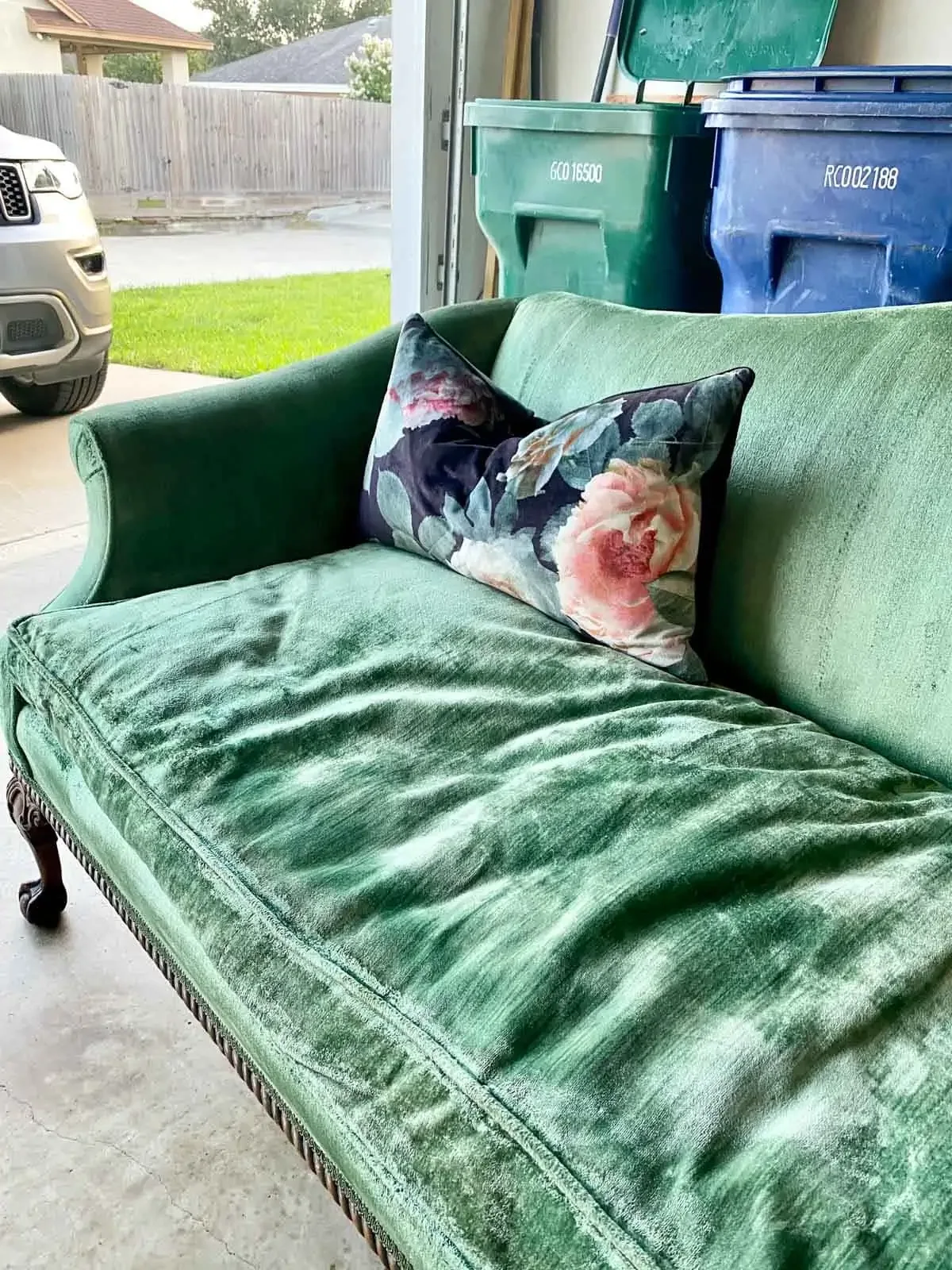
Yes, you can dye your couch, but success depends on fabric type. Natural fibers like cotton dye well, synthetics often don’t. Use fabric dye for natural fabrics or fabric paint for synthetics. Always clean first and test a small area to ensure good results.
Can I Dye Upholstered Furniture?
Yes, you can dye upholstered furniture, but success depends on fabric type. Natural fibers dye well; synthetics may not. Clean furniture first and test dye on a hidden spot. Use fabric dye for natural fabrics and fabric paint for synthetics, applying carefully for even color.
How Many Bottles Of Rit To Dye A Couch?
Use 2 to 4 bottles of Rit dye for an average-sized couch. The exact amount depends on fabric type, color intensity, and couch size. Always test on a small area first to ensure desired results.
Can You Spray Dye Fabric On A Couch?
Yes, you can spray dye fabric on a couch, but success depends on the fabric type. Natural fibers dye best. Use fabric dye for cotton or linen and fabric paint for synthetics. Always clean the couch first and test on a hidden spot to ensure even color and fabric compatibility.
Conclusion
Dyeing your living room furniture can refresh its look without buying new pieces. Choose the right fabric and dye for the best results. Test a small area first to avoid mistakes. Remember, natural fabrics absorb dye better than synthetics. Use fabric paint if dye won’t work, but expect texture changes.
Clean furniture well before starting to ensure even color. With patience and care, you can give your furniture a fresh, new style. This simple project can save money and add personality to your space.