Have you ever looked at your worn-out outdoor furniture and wondered, “Can this be fixed?” Maybe the fabric is torn, the metal frame is rusty, or the wood looks weather-beaten. Instead of rushing to replace your entire set, you might be surprised to learn that many outdoor furniture problems can be repaired — saving you money and preserving the memories attached to your favorite pieces.
You’ll discover practical tips and easy DIY fixes that bring your patio chairs, tables, and loungers back to life. Ready to transform your outdoor space without breaking the bank? Keep reading to find out how simple repairs can make your furniture look and feel like new again.
Signs Of Damage
Outdoor furniture faces many challenges from weather and daily use. Signs of damage can show up in different ways. Spotting these early helps decide if repair is possible. Knowing what to check makes maintenance easier and extends furniture life.
Common Issues By Material
Wood furniture often shows cracks and splinters. It may also have fading or peeling paint. Moisture can cause wood to warp or rot over time.
Metal furniture usually has rust spots and corrosion. Joints can become loose or bent after heavy use. Paint may chip, exposing metal to more damage.
Plastic pieces can crack or become brittle. Sunlight may cause colors to fade. Some plastic parts may lose shape or break easily.
Fabric cushions and sling seats can tear or fray. They may also develop stains or mildew. Sun damage can weaken the fabric fibers.
Assessing Structural Integrity
Check if the furniture feels sturdy and safe. Wiggle the legs and arms for any looseness. Loose screws or bolts may need tightening or replacement.
Look for broken or missing parts that affect support. Cracks in key joints can weaken the whole piece. If the frame bends or creaks, it might be unsafe.
Test weight capacity carefully. If the furniture sags or wobbles, repair may be needed. Sometimes, structural damage is too severe for repair.
Credit: mumfordrestoration.com
Repairing Metal Furniture
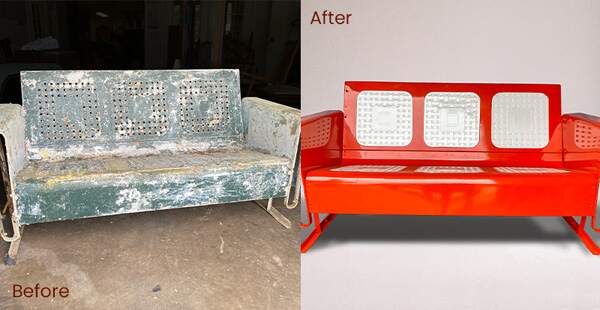
Metal outdoor furniture can last many years with proper care. Repairing metal pieces extends their life and saves money. Small issues like rust or bent frames are common. These problems often have simple fixes. Restoring your metal furniture brings back its strength and appearance.
Follow basic steps for effective repairs. Tools and materials are easy to find. Repairing metal furniture is a satisfying DIY task anyone can do.
Removing Rust
Rust weakens metal and ruins the look of furniture. Start by scrubbing the rusty spots with a wire brush. Use sandpaper to smooth rough areas. For heavy rust, apply a rust remover product. Let it sit for the time suggested on the label. Rinse the furniture with water and dry it completely. Removing rust prevents further damage and prepares the surface for painting.
Repainting Tips
Painting protects metal from weather and rust. Choose paint made for metal and outdoor use. Clean the surface well before painting. Use a primer to help paint stick better. Apply thin, even coats of paint. Allow each coat to dry fully before the next one. Two or three coats give the best coverage. Finish with a clear sealant for extra protection. Good painting keeps furniture looking fresh for years.
Fixing Bent Frames
Bent frames affect furniture stability and appearance. Use a rubber mallet to gently tap the metal back into shape. Support the frame on a solid surface to avoid more bends. For stubborn bends, heating the metal with a heat gun softens it. Wear gloves and work slowly to avoid burns. After reshaping, check for cracks or weak spots. Tighten any loose screws or bolts. Fixing bent frames restores safety and comfort.
Restoring Wood Furniture
Wood outdoor furniture can last many years with proper care. Over time, sun, rain, and dirt wear down the wood’s surface. Restoring wood furniture brings back its beauty and strength. This process involves cleaning, fixing damages, and protecting the wood from future harm. Simple steps can make old pieces look fresh and new again.
Cleaning And Sanding
Start by cleaning the furniture with mild soap and water. Remove dirt, dust, and mold to see the true condition of the wood. After drying, use sandpaper to smooth the surface. Sanding removes old paint, stains, and rough spots. It also opens the wood grain, helping new finishes stick better. Use medium grit first, then fine grit for a smooth finish.
Filling Cracks And Holes
Check for cracks, holes, or splits in the wood. Use wood filler or putty to fill these gaps. Press the filler into the cracks and smooth it with a putty knife. Let it dry completely before sanding again. This step strengthens weak spots and prevents water from seeping in. It also improves the furniture’s appearance by hiding damage.
Applying Sealants And Stains
Choose a sealant or stain designed for outdoor wood. Sealants protect against moisture and UV rays. Stains add color and highlight the wood’s natural grain. Apply with a brush or cloth, following the wood grain direction. Allow the first coat to dry, then apply a second coat for better protection. Proper sealing extends the life of your furniture and keeps it looking great.
Fixing Wicker And Rattan
Wicker and rattan furniture add charm to any outdoor space. These materials are lightweight and stylish but can wear out over time. Fixing wicker and rattan can extend the life of your furniture. Simple repairs often restore their beauty and strength. Here are key methods to repair these classic materials.
Patching Broken Strips
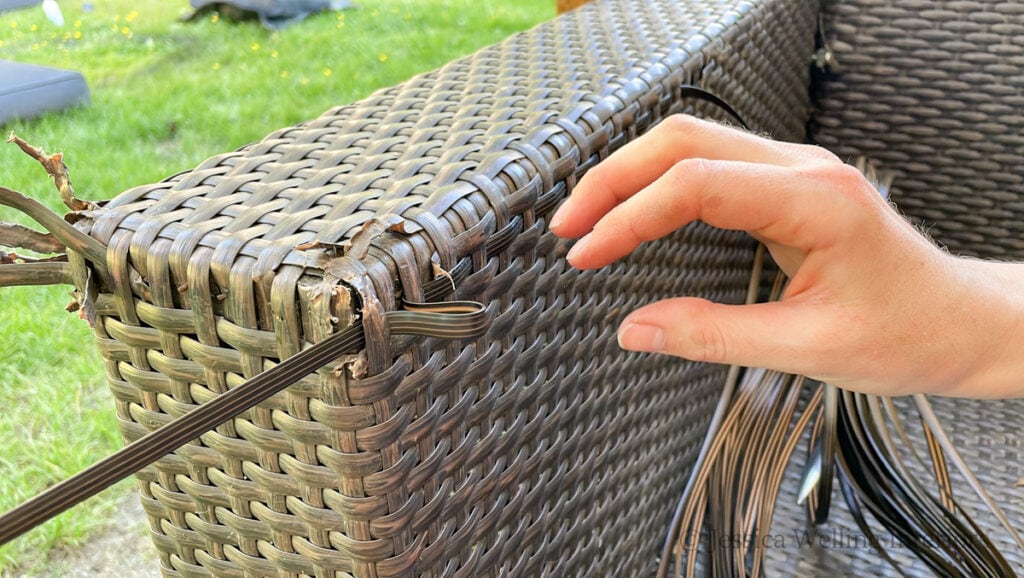
Broken strips in wicker or rattan can ruin a chair’s look. Start by removing damaged pieces carefully. Cut new strips to match the original size and shape. Use wood glue or strong adhesive to attach the patches. Clamp the strips until the glue dries to keep them secure. This method restores function and appearance quickly.
Weaving Techniques
Weaving is the heart of wicker and rattan furniture. Repair small holes by weaving replacement strips through existing ones. Follow the original pattern for a seamless look. Tighten the strips gently to avoid damage. Practice patience; weaving takes time but delivers lasting results. This technique keeps the furniture sturdy and attractive.
Protective Finishes
Protective finishes shield wicker and rattan from weather damage. Apply a clear varnish or outdoor sealer after repairs. This layer prevents moisture and sun damage. Reapply the finish yearly for best results. Protective coatings enhance durability and maintain the furniture’s fresh look.
Replacing Fabrics And Cushions
Replacing fabrics and cushions breathes new life into worn outdoor furniture. It restores comfort and style without buying a whole new set. This section covers how to select strong fabrics, replace sling material, and care for cushions. Small repairs can extend furniture life and save money.
Choosing Durable Outdoor Fabrics
Outdoor fabrics must resist sun, rain, and dirt. Look for materials labeled as weather-resistant or UV-protected. Acrylic and polyester fabrics are common choices. They dry quickly and resist fading. Darker colors hide stains better. Buy fabric that feels sturdy but soft enough for comfort.
Diy Sling Fabric Replacement
Replacing sling fabric is a simple DIY project. Start by removing the old fabric carefully. Measure the frame to cut the new fabric to size. Use strong thread and a heavy-duty needle for sewing hems and sleeves. Insert the fabric into the chair frame, securing it tightly. This process refreshes chairs without extra cost.
Cushion Care And Refurbishing
Keep cushions clean by brushing off dirt regularly. Use mild soap and water for spot cleaning. For worn foam, consider adding a new foam insert. Replace cushion covers if torn or stained beyond repair. Washing removable covers often restores their look. Well-maintained cushions improve comfort and appearance.
Tools And Materials Needed
Repairing outdoor furniture requires the right tools and materials. Gathering these items before starting saves time and effort. Different furniture types need different supplies. Preparing carefully helps achieve the best results. Below are key tools and products for common outdoor furniture repairs.
Essential Repair Tools
Basic tools often include screwdrivers, pliers, and a hammer. Sandpaper helps smooth rough surfaces or remove rust. A drill with various bits makes fixing screws faster. A utility knife cuts fabric or trimming materials cleanly. Measuring tape ensures accurate sizing for replacements. Gloves protect hands during handling and repairs. Clamps hold parts steady while glue or paint dries. A paintbrush or spray can applies touch-up paint or sealant.
Recommended Repair Products
Wood glue bonds wooden furniture parts firmly. Rust remover cleans metal surfaces before painting. Outdoor wood filler fills cracks and holes. Weather-resistant paint or sealant protects surfaces from moisture. Replacement fabric suits sling chairs or cushions. Epoxy resin fixes broken plastic or resin furniture. Stainless steel screws resist rust and last longer outdoors. Furniture polish restores shine and protects surfaces. Using quality products improves repair durability and appearance.
When To Repair Or Replace
Deciding whether to repair or replace outdoor furniture depends on several key factors. Understanding these helps you save money and keep your patio looking great. This section explores when to repair your furniture and when replacement makes more sense.
Cost Vs. Value
Compare repair costs with the price of new furniture. Small fixes like tightening screws or repainting cost less. Major repairs such as replacing large parts may be expensive. If repair costs approach or exceed new furniture prices, replacement is wiser. Also, consider the furniture’s current condition and age.
Evaluating Durability
Check the material quality and how long it will last after repair. Wood may warp or rot over time. Metal can rust but often lasts longer with maintenance. Plastic furniture might crack or fade quickly. If repairs only offer a short lifespan, replacement provides better durability and value.
Sentimental Considerations
Some pieces hold special memories or match your outdoor décor perfectly. Repairing these may feel more rewarding than replacing. Careful restoration can keep their charm alive. Balance sentimental value against repair costs and effort before deciding.

Credit: hauserspatio.com
Hiring Professionals
Hiring professionals to repair outdoor furniture ensures quality and durability. Experts understand different materials and repair techniques. They can restore your furniture to its original condition or better. This saves time and prevents costly mistakes. Professionals also offer warranties on their work for peace of mind.
Finding Local Repair Services
Start by searching for furniture repair shops near you. Use terms like “outdoor furniture repair” plus your city name. Check local business directories and review sites for trusted options. Visit their websites to see services and customer reviews. Call to ask about experience with your furniture type.
Typical Restoration Costs
Repair costs vary by damage type and furniture material. Simple fixes like tightening screws or repainting cost less. Complex repairs like replacing fabric or fixing frames cost more. Expect to pay between $50 and $300 on average. Get a quote from professionals before starting work.
Questions To Ask Experts
Ask how long they have worked with outdoor furniture repairs. Request examples or photos of previous projects. Inquire about the materials and methods they use. Check if they offer warranties or guarantees. Confirm the estimated time for the repair work to be done.
Maintenance Tips
Outdoor furniture faces sun, rain, dirt, and wind every day. Proper maintenance keeps it strong and good-looking for years. Simple care steps prevent damage and reduce repair needs. Follow these tips to make your outdoor furniture last longer and stay inviting.
Regular Cleaning Routines
Clean your outdoor furniture often to avoid dirt buildup. Use mild soap and water with a soft cloth or sponge. Rinse well and dry completely to stop mold and mildew. For metal pieces, remove dust and dry them to prevent rust. Wooden furniture benefits from gentle cleaning to avoid surface damage. Regular cleaning keeps furniture fresh and ready for use.
Seasonal Care Advice
Change your care routine with the seasons to protect your furniture. In spring, check for cracks or loose parts and fix them early. Summer heat can fade colors, so apply protective finishes or covers. Fall means clearing leaves and debris to avoid stains and moisture buildup. Before winter, store furniture indoors or use waterproof covers. Seasonal care helps furniture survive harsh weather conditions.
Preventing Future Damage
Use furniture covers when not in use to shield from sun and rain. Place furniture on flat surfaces to avoid wobbling and stress on joints. Avoid dragging furniture to prevent scratches and weakening joints. Treat wooden furniture with sealants to block moisture. For metal furniture, apply rust-resistant paint or coatings. These steps protect your investment and reduce repair costs.
Credit: jessicawellinginteriors.com
Frequently Asked Questions
Can Rusted Patio Furniture Be Repaired?
Rusted patio furniture can be repaired by sanding off rust, applying rust converter, and repainting. This restores appearance and prevents further damage.
Is It Cheaper To Repair Or Replace Furniture?
Repairing furniture usually costs less for minor damages, but replacing is cheaper if repairs are costly or the structure is weak.
How Much Do Restorers Charge?
Restorers typically charge between $50 to $300 per piece, depending on damage and furniture type. Complex restorations cost more.
Can You Fix Mesh Patio Furniture?
Yes, you can fix mesh patio furniture by replacing damaged slings using DIY mesh sling replacement kits or professional repair services.
Conclusion
Outdoor furniture often holds both value and memories. Small damages rarely mean you must buy new sets. Many repairs, like fixing fabric or sanding rust, work well. Repairing saves money and keeps your favorite pieces longer. Assess damage carefully to decide if fixing makes sense.
Simple fixes often restore comfort and style quickly. Choose repair when costs stay low and structure is sound. Enjoy your outdoor space without the hassle of full replacement.