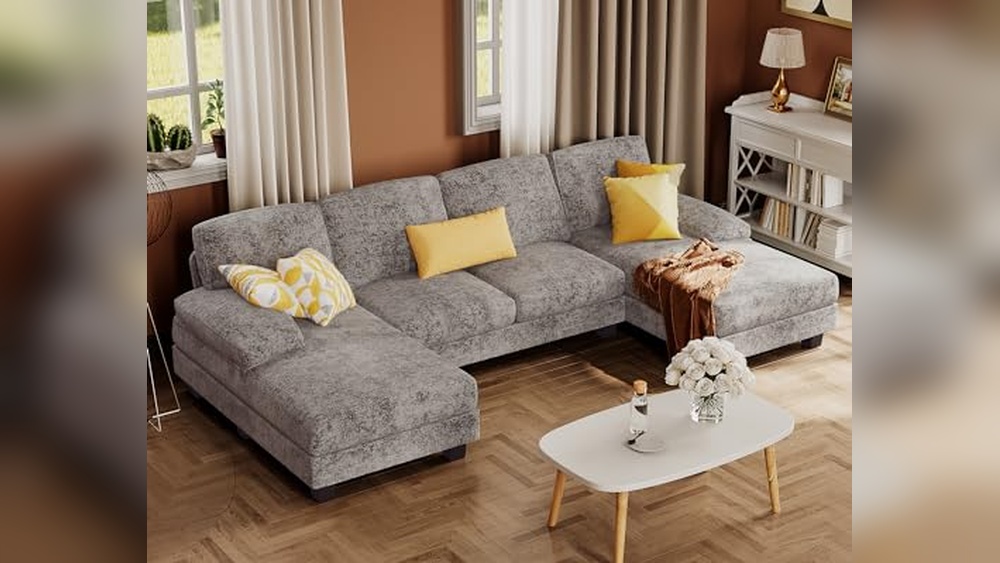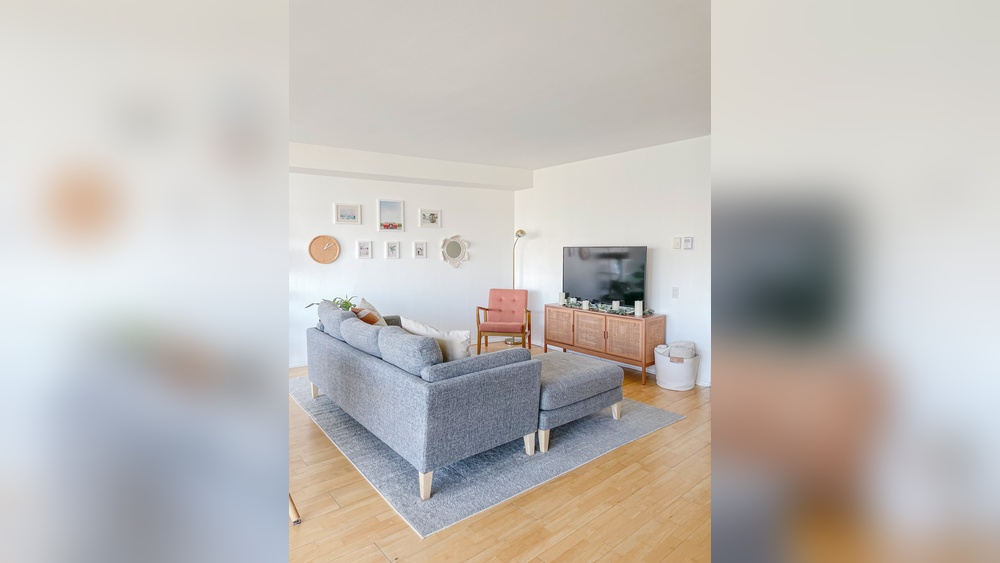
Struggling to make your small living room feel open and inviting? You’re not alone.
When space is tight, the way you arrange your furniture can either make the room feel cramped or create a sense of flow and comfort. Floating furniture—placing pieces away from walls—might sound risky, but it’s a powerful trick to open up your space and boost its style.
You’ll discover simple, smart ways to float your furniture that will transform your small living room into a cozy, spacious haven you’ll love spending time in. Ready to rethink your layout and see your room in a whole new light? Let’s get started.

Credit: www.livingetc.com
Benefits Of Floating Furniture
Floating furniture offers many benefits, especially in small living rooms. It helps make the space feel larger and more open. This arrangement also allows for better movement and use of the room. By placing furniture away from walls, you can create a fresh and modern look that suits small areas well.
Maximizing Floor Space
Floating furniture frees up the floor area next to the walls. This extra space makes the room appear bigger. It also allows for easy cleaning and better air flow. You can add small rugs or plants to these open spots. This makes the room feel cozy without crowding it.
Creating Visual Flow
Floating furniture creates a smooth, natural flow in the room. It avoids the cramped feeling of pieces pushed against walls. This setup encourages movement and interaction in the space. It also helps highlight key pieces of furniture or decor. The eye moves easily around the room, making it feel inviting and balanced.
Enhancing Room Functionality
Floating furniture improves how you use the living room. You can create separate zones for different activities. For example, a seating area and a reading corner. It also offers flexible seating arrangements for guests. This setup adapts to your needs and lifestyle. The room becomes more practical and comfortable.
Credit: www.livingetc.com
Choosing The Right Pieces
Choosing the right furniture pieces is key for floating furniture in a small living room. The right choices help the space feel open and comfortable. Focus on pieces that suit the size and purpose of your room. This approach creates balance and style without crowding the area.
Opt For Lightweight Furniture
Lightweight furniture is easier to move and arrange. It gives a sense of airiness to small rooms. Choose materials like wood, metal, or plastic that do not feel heavy. This makes floating furniture practical and less bulky. You can change layouts quickly without much effort.
Select Multi-functional Items
Multi-functional furniture saves space and adds value. Look for pieces that serve more than one purpose. Examples include storage ottomans, sofa beds, or coffee tables with shelves. These items reduce clutter and keep your room tidy. They help maximize every inch of space.
Consider Scale And Proportion
Scale and proportion matter a lot in small rooms. Pick furniture that fits the room size well. Avoid large, oversized pieces that overwhelm the space. Smaller chairs and slim tables work better. Balanced proportions make the room feel open and inviting. Measure your space before buying to ensure the right fit.
Placement Strategies
Placement strategies are key when floating furniture in a small living room. They help create balance and use space wisely. Proper placement makes the room feel open and inviting. It also improves flow and function. Think about how each piece fits together. Follow these tips to place your furniture with purpose.
Anchor With Area Rugs
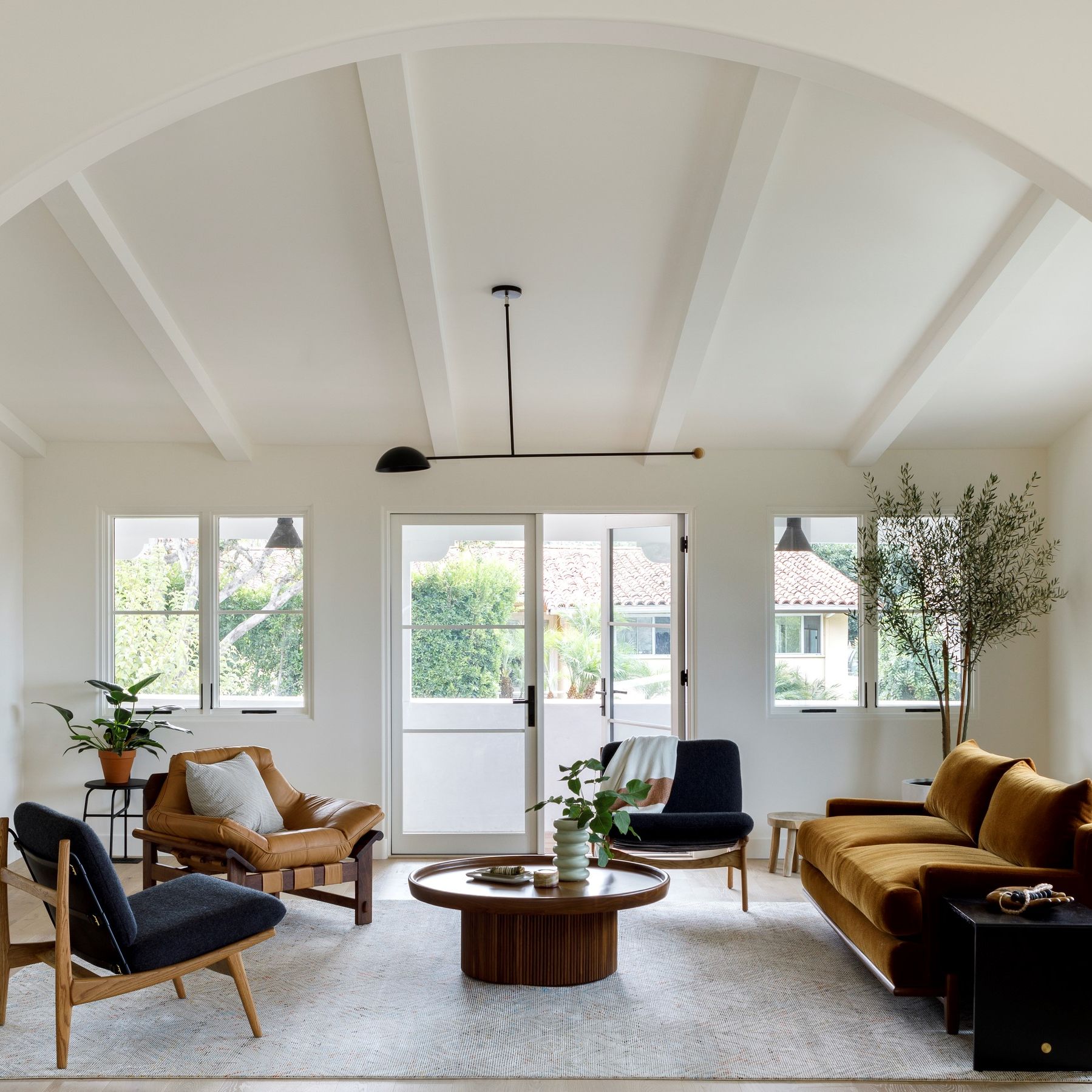
Area rugs define and ground your furniture group. Place a rug under the main seating area to create a clear zone. Choose a rug size that fits all furniture legs or at least the front legs. This keeps the space connected and cozy. Rugs add texture and color, making the room more inviting.
Create Conversation Zones
Arrange furniture in small groups to encourage talking and relaxing. Position chairs and sofas to face each other. Keep the distance close but comfortable for easy chatting. Use a small coffee table or ottoman in the middle. This setup makes your living room feel friendly and social.
Maintain Clear Pathways
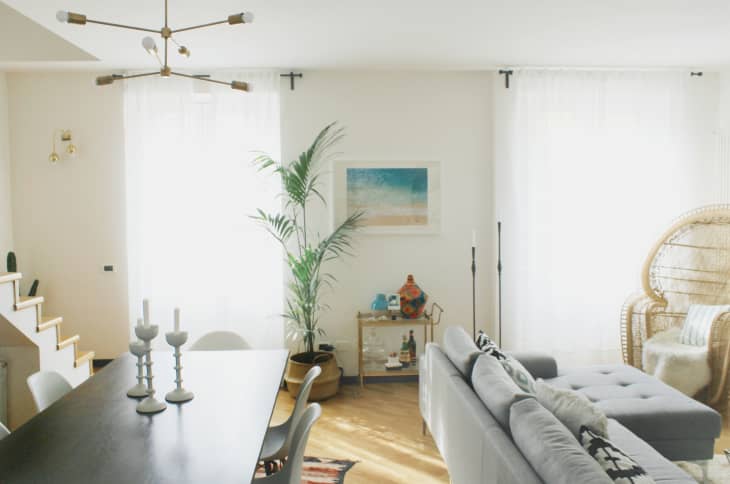
Leave enough space around furniture for easy movement. Aim for at least 24 inches of walking space. Avoid blocking doors or windows with large pieces. Clear pathways make the room feel bigger and less crowded. They also improve safety and comfort in daily use.
Credit: www.apartmenttherapy.com
Using Accessories To Complement Floating
Floating furniture creates an open feel in small living rooms. Accessories help enhance this look. They add depth, style, and function without crowding the space. Choose simple, smart pieces that blend with floating furniture. This keeps the room airy and neat.
Incorporate Floating Shelves
Floating shelves match the floating furniture style. They offer extra storage without taking floor space. Use them for books, plants, or small decor items. Keep shelves simple and light-colored to avoid heaviness. Place them at eye level to draw attention upward.
Add Lighting For Ambiance
Good lighting makes floating furniture stand out. Use wall sconces or pendant lights to save floor space. Soft, warm light adds coziness without clutter. Position lights to highlight furniture edges and shapes. Avoid large lamps that block open views.
Use Mirrors To Expand Space
Mirrors reflect light and create a sense of roominess. Hang a large mirror above floating furniture for depth. Choose simple frames to keep the look clean. Position mirrors opposite windows to boost natural light. This trick makes a small living room feel bigger.
Tips For Small Living Room Layouts
Arranging furniture in a small living room can feel tricky. The goal is to create a space that feels open and comfortable. Floating furniture helps by not pushing everything against the walls. This technique makes the room look bigger and more inviting. Here are some useful tips to arrange small living rooms well.
Leverage Corners Effectively
Corners are often overlooked in small rooms. Use them to place chairs, small tables, or plants. This saves central space and adds function. Corner shelves also work well for storage or decoration. Filling corners smartly keeps the room balanced and cozy.
Balance Negative Space
Negative space means empty space around furniture. It helps the room feel less crowded. Leave enough space between pieces to allow easy movement. Avoid pushing all furniture close together. Balanced negative space improves flow and makes the room look larger.
Keep Clutter To A Minimum
Clutter makes any small room feel cramped. Store away items not used daily. Use baskets, boxes, or furniture with hidden storage. Clear surfaces and floors create a neat look. Minimal clutter helps the floating furniture stand out nicely.
Frequently Asked Questions
What Does Floating Furniture Mean In Small Living Rooms?
Floating furniture means placing pieces away from walls to create space. It improves flow and makes rooms feel larger and more open.
How To Choose Furniture For Floating In Small Spaces?
Select lightweight, compact furniture with slim profiles. Multi-functional pieces save space and keep the area uncluttered and stylish.
What Are The Benefits Of Floating Furniture?
Floating furniture enhances room flow, maximizes space, and adds a modern look. It allows better traffic movement and visual openness.
How To Arrange Floating Furniture Effectively?
Group pieces around a central point like a rug or coffee table. Maintain clear pathways and balance the room visually.
Conclusion
Floating furniture creates space and makes rooms feel larger. It helps you move around easily and keeps the room open. Use rugs and lighting to add warmth and style. Keep pathways clear to avoid clutter and improve flow. Small living rooms can look cozy and neat with this method.
Try it step by step and see the difference. Your room will feel fresh and inviting with floating furniture. Simple changes can bring big results. Give your small living room a new look today.