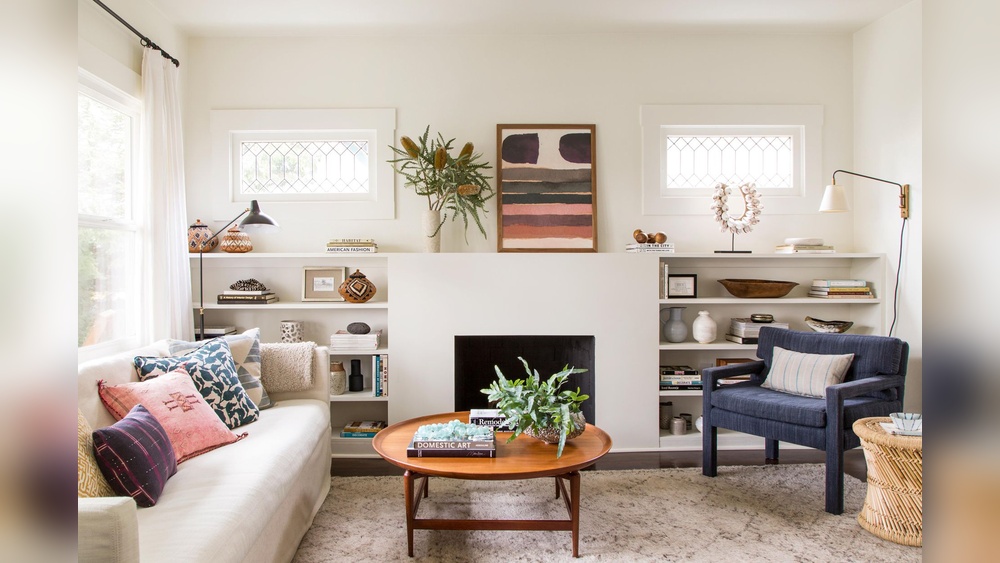
Struggling to make your small living room feel spacious and cozy at the same time? You’re not alone.
Arranging furniture in a tight space can be tricky, but with the right approach, you can create a room that feels open, inviting, and perfectly balanced. Imagine walking into your living room and instantly feeling relaxed, with everything in its place and no clutter in sight.
This guide will show you simple, practical steps to arrange your small living room furniture so you can enjoy every inch of your space. Ready to transform your room? Let’s dive in.
Maximize Space With Layouts
Maximizing space in a small living room starts with smart layouts. Proper furniture arrangement helps make the room feel bigger and more open. It also improves flow and comfort. Simple layout choices can change a cramped room into a cozy, functional space.
Choose Multipurpose Furniture
Select furniture that serves more than one purpose. For example, a sofa bed offers seating and a sleeping area. Ottomans with storage hold items and act as seats or tables. Multipurpose pieces save space and reduce clutter. They keep your living room tidy and practical.
Create Clear Pathways
Arrange furniture to allow easy movement through the room. Leave open space between pieces to avoid crowding. Clear pathways make the room feel larger. They also prevent accidents and improve comfort. Avoid blocking doors or windows for better flow.
Use Vertical Space
Take advantage of walls and height. Install shelves or tall cabinets to store items. Vertical storage frees up floor space. Hang artwork or mirrors to draw the eye upward. This technique adds depth and dimension to the room.
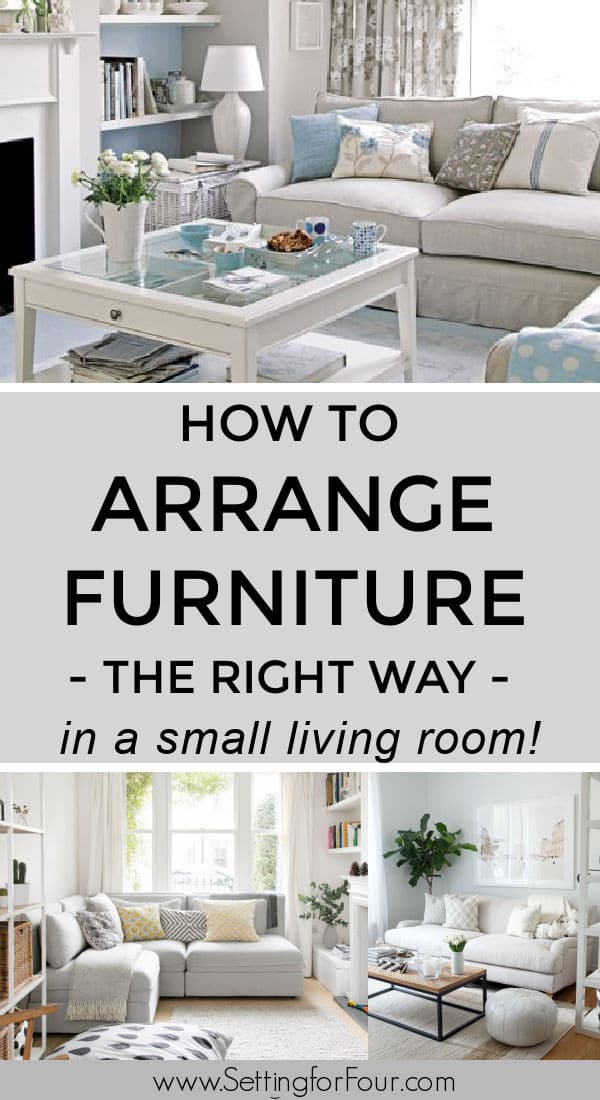
Credit: www.settingforfour.com
Select Right Furniture Size
Selecting the right furniture size is key to a small living room’s comfort and style. Choosing pieces that fit the space well avoids crowding and keeps the room open. The right size furniture helps the room feel balanced and inviting. It also makes moving around easier.
Opt For Compact Pieces
Compact furniture fits well in small rooms. Sofas with slim arms and low backs save space. Chairs with open legs create a light look. Tables with narrow profiles offer function without bulk. These pieces keep the room feeling airy.
Avoid Bulky Items
Bulky furniture takes up too much space. Large sofas or armchairs can block pathways. Heavy coffee tables crowd the center of the room. Avoid items that make the room feel cramped. Choose furniture that leaves room to move freely.
Consider Scale And Proportion
Scale means the size of furniture compared to the room. Proportion means the size of one piece compared to others. Keep furniture sizes balanced to avoid awkward looks. A small sofa pairs well with a small coffee table. Large items look best in bigger rooms.
Focus On Functionality
Small living rooms need smart planning. Focus on functionality to make the space work well. Choose furniture that fits your daily needs. Keep the room open and easy to move around in. Every piece should serve a purpose without crowding the space.
Prioritize Essential Items
Select only the most important furniture. A sofa, coffee table, and a small TV stand often work best. Avoid bulky or extra pieces that take up room. Think about how you use the space every day. Items you don’t use often can go in other rooms.
Incorporate Storage Solutions
Storage helps keep the room tidy and clear. Use shelves, baskets, or storage ottomans to hide clutter. Vertical storage saves floor space and draws the eye upward. Keep items organized and easy to reach. This makes the room feel larger and cleaner.
Use Foldable And Nesting Furniture
Foldable furniture can be stored away when not needed. Nesting tables fit together to save space. These pieces are flexible and adjust to your needs. Use them to create extra seating or surface space quickly. They keep the room open and less crowded.
Enhance With Colors And Lighting
Colors and lighting play a big role in making a small living room feel larger and more inviting. They create a bright, open atmosphere that helps the space breathe. Proper use of tones and lights can change the room’s mood and make it more comfortable.
Choose Light And Neutral Tones
Light colors reflect more light and make walls feel farther apart. Shades like white, cream, soft gray, and pale blue work well. These colors open up the space and create a calm feeling. Use these tones on walls, furniture, and rugs to keep the room airy.
Add Mirrors To Expand Space
Mirrors bounce light around and add depth. Place a large mirror opposite a window for the best effect. This tricks the eye into seeing a bigger room. Mirror frames in light colors blend smoothly and keep the look clean and simple.
Use Layered Lighting
Mix different light sources to avoid harsh shadows. Combine ceiling lights, floor lamps, and table lamps for soft, even light. Use warm bulbs for a cozy feel. Layered lighting highlights room features and creates a welcoming space.
Create Zones And Focal Points
Creating zones and focal points helps organize a small living room. It makes the space feel bigger and more inviting. Zones separate different activities, like relaxing or reading. Focal points draw the eye and give the room character. These design tricks improve flow and comfort in tight spaces.
Define Areas With Rugs
Rugs help mark different zones clearly. Choose rugs that fit the size of each area. Place a rug under the seating to anchor it. A small rug can highlight a reading corner. Rugs add warmth and texture to the room. They also create visual boundaries without walls.
Arrange Seating Around A Centerpiece
Arrange chairs and sofas around a focal piece. This could be a coffee table, fireplace, or large plant. The centerpiece brings people together for conversation. Keep seats close to avoid empty gaps. This layout makes the room feel cozy and balanced. It also guides movement through the space.
Use Artwork And Accessories
Artwork draws attention and adds personality. Hang a large painting or photo above the main seating. Use shelves with small accessories to decorate corners. Mirrors reflect light and open up the room visually. Choose items that match your style and color scheme. These touches complete the look and create interest.
:strip_icc()/209004050_487395819189118_1558427548898429030_n-e37296d51106441d92ab3c405c0d9f6f.jpg)
Credit: www.mydomaine.com
Maintain Clutter-free Environment
Keeping a small living room neat helps it feel bigger and more welcoming. A clutter-free space reduces stress and improves comfort. Small rooms need simple habits to stay organized. Clear areas allow furniture to shine and make the room more open. Follow easy steps to maintain order without much effort.
Regular Decluttering Tips
Remove items you do not use daily. Sort things into keep, donate, or throw away piles. Set a weekly time to tidy up. Small, frequent cleanups stop clutter from piling up. Focus on one area at a time for better results.
Smart Storage Hacks
Use furniture with built-in storage like ottomans or coffee tables. Choose shelves that fit wall space without crowding the room. Clear bins help find items quickly while keeping them hidden. Label boxes to save time and avoid mess. Store seasonal items elsewhere to free up space.
Keep Surfaces Clear
Limit decor on tables and shelves to a few pieces. Use trays to group small items neatly. Avoid stacking magazines or papers in piles. Wipe surfaces often to keep the room fresh. Clear surfaces make the room feel tidy and calm.
:strip_icc()/living-room-large-area-rug-bcf9729c-14f549116b444f129b52258baf998392.jpg)
Credit: www.bhg.com
Frequently Asked Questions
How Do I Maximize Space In A Small Living Room?
Use multi-functional furniture and arrange pieces to allow easy movement. Keep the layout open and avoid overcrowding with bulky items. Opt for wall-mounted shelves to save floor space and use light colors to create an airy feel.
What Furniture Style Suits Small Living Rooms Best?
Choose sleek, minimalist furniture with clean lines. Avoid oversized or heavy pieces that overwhelm space. Opt for furniture with exposed legs to create a sense of openness and consider foldable or stackable items for flexibility.
How Can I Create A Focal Point In A Small Living Room?
Use a statement piece like a bold-colored sofa or artwork. Position furniture around the focal point to draw attention. Mirrors and lighting can enhance the focal area and add depth to the room.
What Is The Best Furniture Layout For A Small Living Room?
Arrange furniture to promote easy flow and conversation. Use a symmetrical layout or an L-shape to optimize corners. Keep pathways clear and place larger pieces against walls to maximize floor space.
Conclusion
Arranging furniture in a small living room can feel tricky. Keep pieces simple and choose those that fit well. Use light colors to make the space look bigger. Leave some open space to avoid clutter. Place items so you can move around easily.
Small rooms can still feel cozy and inviting. Try different layouts until it feels right. Enjoy your comfortable, well-arranged living space every day.