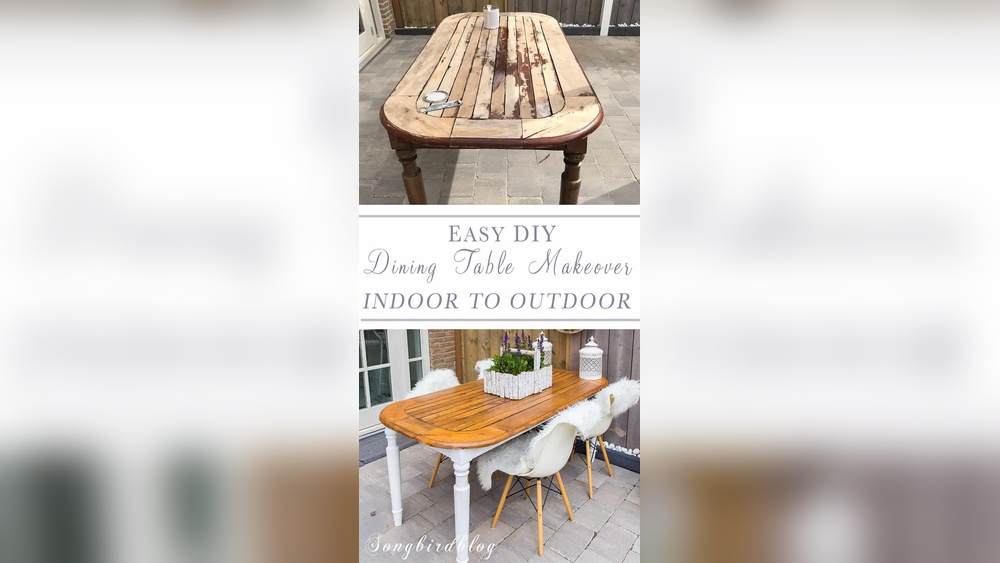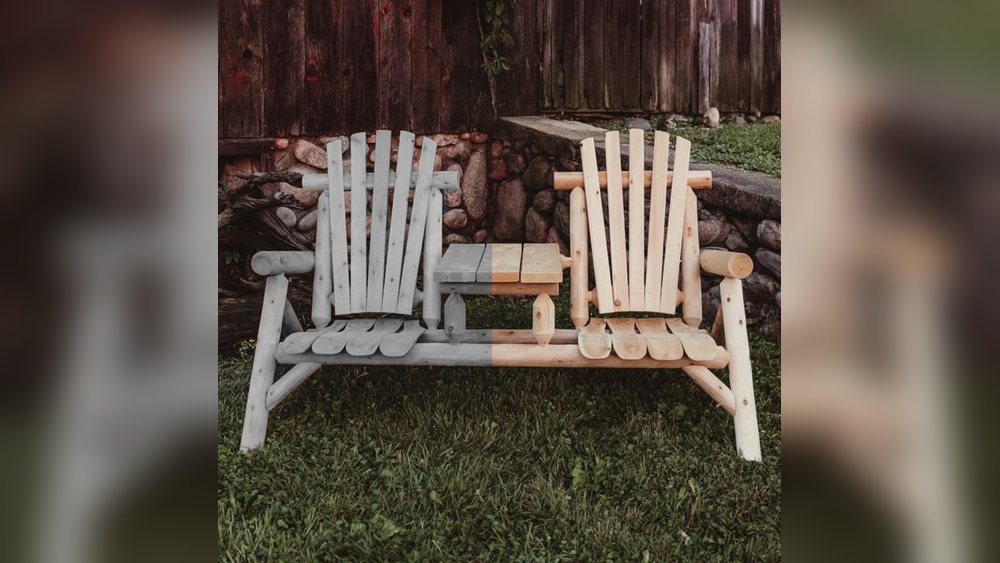
Your outdoor cedar furniture is more than just a place to sit—it’s a lasting investment in comfort and style. But to keep it looking fresh and strong, you need the right care.
Imagine relaxing on smooth, well-maintained wood that resists weather and stays beautiful year after year. In this guide, you’ll discover simple, effective steps to protect your cedar furniture from sun, rain, and wear. Keep reading to learn how easy it is to make your outdoor space inviting and your furniture last longer than you ever expected.
Choosing The Right Cedar Furniture
Choosing the right cedar furniture makes a big difference for your outdoor space. Cedar is a popular wood choice because it looks great and lasts long. Picking the right type helps your furniture stay strong and beautiful through all seasons. Understanding the types of cedar wood and their benefits helps you decide what fits your needs best.
Types Of Cedar Wood
Cedar wood comes in different types, each with unique features. Western Red Cedar is soft with a rich red color. It is lightweight and easy to work with. Eastern White Cedar is lighter in color and a bit harder. Aromatic Cedar has a strong smell that keeps bugs away. Each type suits different outdoor styles and climates. Knowing these helps you pick furniture that lasts.
Benefits Of Cedar Outdoors
Cedar furniture has many benefits for outdoor use. It resists rot and decay better than many woods. The natural oils in cedar stop insects from damaging the wood. Cedar stays stable in changing weather without warping. It also feels warm and smooth to touch. These qualities make cedar perfect for outdoor furniture. It keeps your patio or garden inviting year-round.
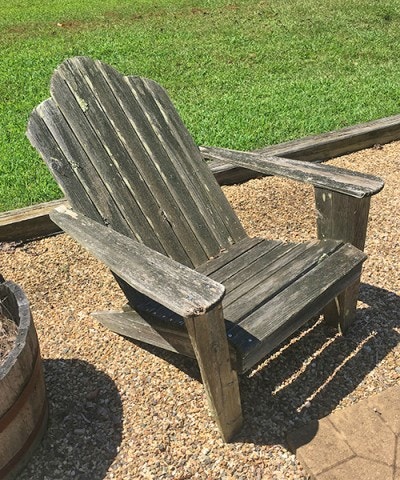
Credit: www.rockler.com
Initial Preparation Before Use
Preparing outdoor cedar furniture before use helps protect its beauty and strength. This step improves furniture lifespan and keeps it looking fresh. Taking time now prevents damage from weather and dirt later. Follow simple steps for the best care results.
Cleaning New Furniture
Start by removing dust and dirt from new cedar furniture. Use a soft brush or cloth to wipe the surface gently. Avoid harsh chemicals that can harm the wood. Mild soap and water work well for cleaning. Let the furniture dry completely before the next step.
Applying Sealants And Stains
Sealants protect cedar wood from moisture and sun damage. Choose a clear or tinted sealant to keep natural beauty. Apply evenly with a brush, following the wood grain. Allow the first coat to dry fully before adding another. Stains add color and extra protection if desired. Always test on a small area first to check the color effect.
Regular Cleaning Tips
Regular cleaning keeps your outdoor cedar furniture looking fresh and lasting longer. Dirt and dust can build up quickly outside. Cleaning often stops damage and maintains the wood’s natural beauty. It also prevents mold and mildew from growing on the surface. A simple cleaning routine makes a big difference.
Removing Dirt And Debris
Start by brushing off loose dirt with a soft brush. Use a broom or cloth to clear leaves and twigs. Avoid using hard brushes that can scratch the wood. Rinse the furniture with water to wash away dust. A garden hose with low pressure works well. Make sure to clean all the corners and joints where dirt hides.
Using Mild Cleaners Safely
Mix mild soap with warm water for cleaning stains. Use a soft cloth or sponge dipped in the soapy water. Gently scrub the surface without rubbing too hard. Rinse thoroughly with clean water to remove soap residue. Avoid harsh chemicals that can damage cedar wood. Dry the furniture with a clean towel or air dry in the shade. This keeps the wood healthy and bright.
Protecting Against Weather
Outdoor cedar furniture looks beautiful but faces many weather challenges. Sun, rain, and moisture can damage the wood over time. Protecting cedar furniture from these elements keeps it strong and attractive for years.
Shielding From Sun Damage
Sunlight can fade cedar’s warm color and dry out the wood. Use a UV-resistant finish or sealant to guard against sun rays. Place furniture in shaded areas when possible. Cover it with breathable furniture covers during intense sun exposure.
Preventing Water Damage
Water causes cedar to swell, crack, and develop mold or mildew. Apply a water-repellent sealant regularly to keep moisture out. Always wipe off standing water after rain or cleaning. Store furniture under a shelter or move it indoors during heavy rain or winter months.
Dealing With Mold And Mildew
Mold and mildew can damage outdoor cedar furniture quickly. These fungi grow in damp, shaded places. They make the wood look dirty and can cause it to rot. Taking care of mold and mildew keeps your furniture safe and beautiful.
Identifying Growth
Mold usually appears as black, green, or white spots. Mildew looks powdery and gray or white. Both can make the wood feel slimy or rough. Check corners and hidden spots often. These areas stay damp longer and attract growth.
Safe Removal Methods
Start by brushing off loose mold with a soft brush. Use a mix of water and mild soap to clean the wood. Rinse with clean water and dry with a cloth. For tough spots, try a solution of vinegar and water. Avoid harsh chemicals that can harm the wood. Let the furniture dry completely in the sun after cleaning.

Credit: www.woodcountry.com
Sanding And Refinishing
Sanding and refinishing are key steps to keep outdoor cedar furniture looking fresh. These processes remove old finishes and smooth out rough patches. They prepare the wood for a new protective coating. Regular maintenance through sanding and refinishing extends the life of your furniture.
When To Sand
Sanding is needed when the wood surface feels rough or splintered. Look for peeling paint or faded stains. If water no longer beads on the surface, it means the finish has worn off. Sanding also helps remove dirt and old finishes that damage the wood over time.
Perform sanding every 1 to 2 years, depending on weather exposure. Do light sanding if the wood looks fine but feels rough. Use coarser grit sandpaper for old finishes or deep scratches. Always sand with the grain to avoid marks.
Choosing Finishing Products
Select finishes designed for outdoor cedar. These protect against moisture, sun, and mildew. Clear sealers keep the natural cedar look. Stains add color while still letting wood grain show. Avoid thick paints that trap moisture and cause peeling.
Pick products that offer UV protection. This prevents wood from turning gray. Water-based finishes dry fast and clean up easily. Oil-based finishes penetrate deeper but take longer to dry. Apply at least two coats for best results.
Winter Storage And Care
Winter can be tough on outdoor cedar furniture. Cold, moisture, and frost may damage the wood. Proper care protects your furniture and keeps it looking good. A little effort before winter helps your furniture last longer.
Preparing Furniture For Cold Months
Start by cleaning the furniture well. Remove dirt, dust, and leaves. Use mild soap and water for washing. Let it dry completely before storing or covering.
Check for cracks or loose parts. Fix these issues to avoid more damage. Apply a coat of sealant or protective oil. This helps keep moisture out during winter.
Remove cushions and store them inside. Wet cushions can mold and smell bad. Keep them dry and ready for next season.
Best Storage Practices
Store cedar furniture in a dry, cool place. A garage, shed, or basement works well. Avoid places with high humidity or damp floors.
If indoor storage is not possible, use furniture covers. Choose breathable covers to prevent moisture buildup. Secure covers tightly to keep out snow and rain.
Elevate furniture off the ground. Use pallets or blocks to keep legs dry. This stops wood from rotting due to ground moisture.
Check stored furniture regularly. Look for signs of mold or pests. Clean and dry it if needed to keep it fresh.
Repairing Minor Damages
Outdoor cedar furniture can develop small damages over time. Scratches and dents are common issues. Fixing these minor problems quickly keeps your furniture looking good. It also helps prevent bigger damage. Simple repairs save money and extend your furniture’s life.
Fixing Scratches And Dents
Light scratches on cedar can be fixed easily. Use fine sandpaper to smooth the area gently. Always sand in the wood grain direction. After sanding, wipe off dust with a dry cloth. Apply a cedar oil or wood finish to restore color. For deeper dents, dampen the spot with water. Place a damp cloth over the dent and press with an iron on low heat. The steam helps the wood fibers rise back. Let the wood dry completely before finishing.
Replacing Broken Parts
Broken parts can spoil your cedar furniture’s look and strength. Remove the damaged piece carefully using proper tools. Measure the part to get the right size for replacement. Cut a new piece from cedar wood to match. Sand edges smoothly to fit well. Attach the new part with outdoor wood glue or screws. Make sure the repair is tight and stable. Finish by sealing or staining the new wood to blend with the rest.
Maintaining Hardware And Accessories
Maintaining the hardware and accessories on outdoor cedar furniture is key to its long life. Metal parts can rust or get stuck from weather exposure. Regular care helps keep everything working well and looking nice.
Cleaning Metal Components
Start by wiping metal parts with a soft cloth to remove dirt. Use mild soap and water for deeper cleaning. Avoid harsh chemicals that can damage metal. Dry parts completely to stop rust from forming. Check screws and bolts for rust spots and clean them gently.
Lubricating Moving Parts
Moving parts like hinges and locks need regular oiling. Use a light machine oil or silicone spray for smooth action. Apply sparingly to avoid dirt buildup. Move parts back and forth to spread the lubricant evenly. This stops squeaks and prevents parts from sticking.

Credit: www.youtube.com
Frequently Asked Questions
How Often Should I Clean Outdoor Cedar Furniture?
Clean outdoor cedar furniture every 6 to 12 months. Use mild soap and water with a soft brush to remove dirt and debris. Regular cleaning prevents mold, mildew, and preserves the wood’s natural beauty. Avoid harsh chemicals that can damage the cedar’s surface.
What Is The Best Way To Protect Cedar Furniture?
Apply a high-quality outdoor wood sealant or oil annually. This protects cedar from moisture, UV rays, and weather damage. Choose products designed specifically for cedar or softwood. Proper sealing extends furniture life and maintains its rich color and texture.
Can I Leave Cedar Furniture Outside In Winter?
It’s best to cover cedar furniture or store it indoors during winter. Prolonged exposure to snow and ice can cause cracking and warping. Use breathable furniture covers to prevent moisture buildup. Proper winter care helps maintain durability and appearance.
How Do I Remove Stains From Cedar Furniture?
Lightly sand stained areas with fine-grit sandpaper. Clean with a mixture of water and mild detergent. For tougher stains, use a wood cleaner designed for cedar. Avoid harsh chemicals that can damage the wood’s natural oils and color.
Conclusion
Caring for outdoor cedar furniture is simple and rewarding. Clean it regularly to keep dirt away. Apply oil or sealant to protect wood from weather. Store furniture in a dry place during winter months. These small steps help your cedar last longer.
Enjoy its natural beauty season after season. With proper care, your furniture stays strong and looks great. A little effort goes a long way. Keep your outdoor space inviting and fresh. Cedar furniture deserves attention to keep shining bright.