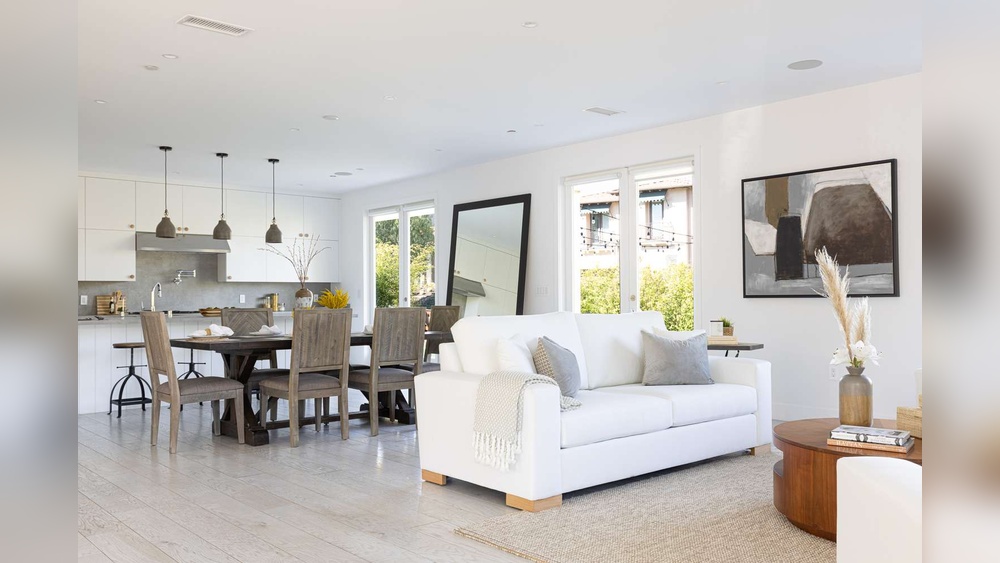
Struggling to find the perfect way to arrange furniture in your dining room living room combo? You’re not alone.
When two important spaces share one room, it can feel tricky to make both areas functional and stylish without them clashing or crowding each other. But with the right approach, you can create a seamless flow that makes your home feel open, cozy, and inviting.
You’ll discover simple, practical tips to arrange your furniture so each zone stands out while still working together beautifully. Ready to transform your space into a balanced and comfortable haven? Let’s dive in.
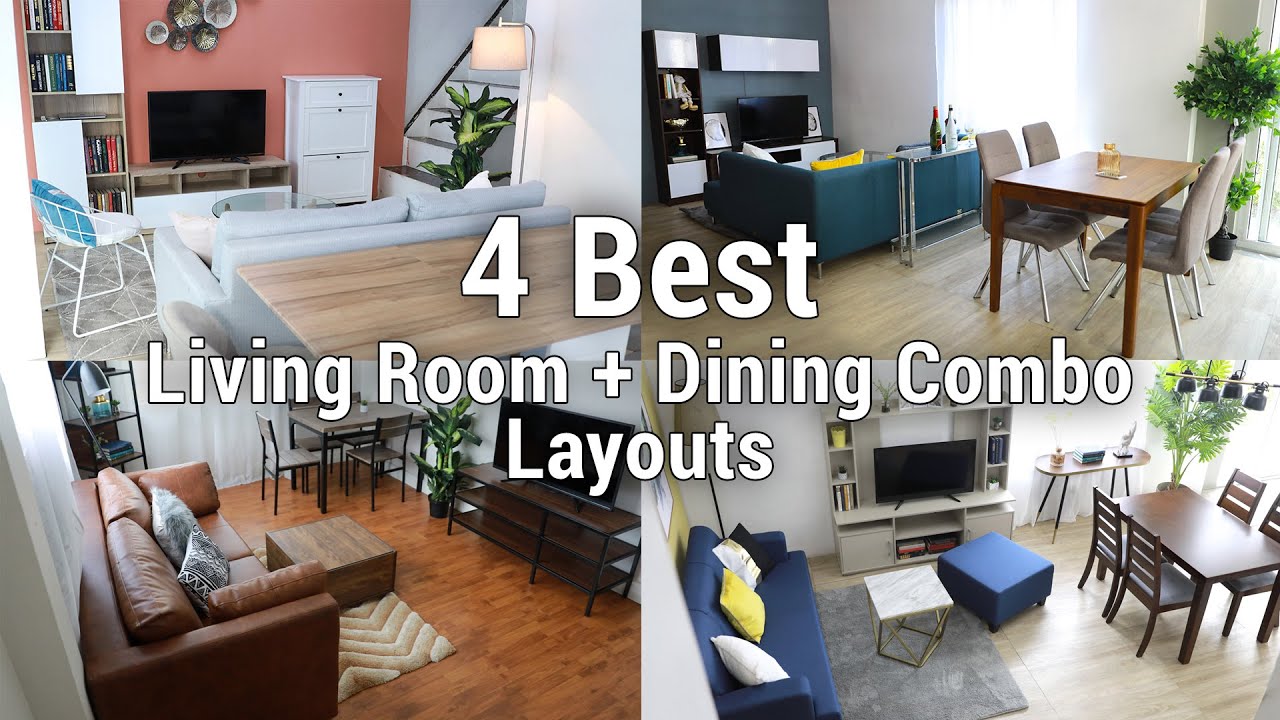
Credit: www.youtube.com
Zone Separation
Zone separation plays a key role in arranging furniture in a dining room living room combo. It helps create clear boundaries between spaces while keeping an open and airy feel. Proper zone separation improves flow, comfort, and function.
Area Rugs For Definition
Area rugs mark each zone with color and texture. Place a rug under the dining table to anchor that area. Use a different rug under the living room furniture to set it apart. Rugs add warmth and help the eye see separate spaces easily.
Furniture As Dividers
Furniture placement can act as a natural divider between zones. Position the sofa with its back facing the dining area to create a subtle boundary. Add a console table behind the sofa for extra separation and storage. Avoid bulky pieces that block light or pathways.
Distinct Lighting Fixtures
Lighting defines each zone by mood and purpose. Hang a chandelier or pendant light above the dining table to highlight that space. Use floor lamps or table lamps in the living area for a cozy, relaxed feel. Different lighting styles help the brain recognize separate zones.
Cohesive Style
Creating a cohesive style in a dining room living room combo helps the space feel connected and balanced. It makes the two areas work together instead of competing for attention. A unified look brings comfort and flow, making the room inviting and pleasant to use.
Unified Color Palette
Select a color palette that works well in both dining and living areas. Use two or three main colors and repeat them throughout the space. This repetition ties the rooms together and creates harmony. Soft, neutral tones with pops of color often work best. Keep the colors consistent on walls, furniture, and decor items.
Coordinated Materials
Choose materials that complement each other in both zones. For example, wood finishes in the dining table and living room shelves create a natural link. Metals, fabrics, and glass should also share similar tones or textures. This coordination adds depth and style without feeling mismatched. Mixing a few materials is fine, but keep the overall look balanced.
Appropriate Furniture Size
Pick furniture that fits both spaces well without overcrowding. Large pieces can block flow and make the combo feel cramped. Smaller, sleek furniture helps keep the room open and airy. Consider scale and proportion to ensure the dining and living areas feel balanced. Avoid bulky items that overpower the shared space.
Functional Elements
Functional elements are vital when arranging furniture in a dining room living room combo. They help maximize space and improve comfort. Thoughtful design choices make the area practical and pleasant.
Smart Storage Solutions
Storage should blend with the room’s style. Use cabinets or shelves that fit the space well. Hidden storage options keep clutter out of sight. Consider benches with storage under the seat. This keeps items handy but tidy.
Optimal Layout Planning
Plan the layout to allow smooth movement. Avoid blocking pathways between dining and living areas. Position seating to encourage conversation and easy access. Use rugs or lighting to mark zones clearly. Keep furniture size balanced with room dimensions.
Multi-functional Furniture
Choose furniture that serves more than one purpose. A dining table that extends suits both small and large groups. Sofas with pull-out beds add guest space without extra rooms. Use nesting tables for flexible surface space. Multi-functional pieces save space and add value.
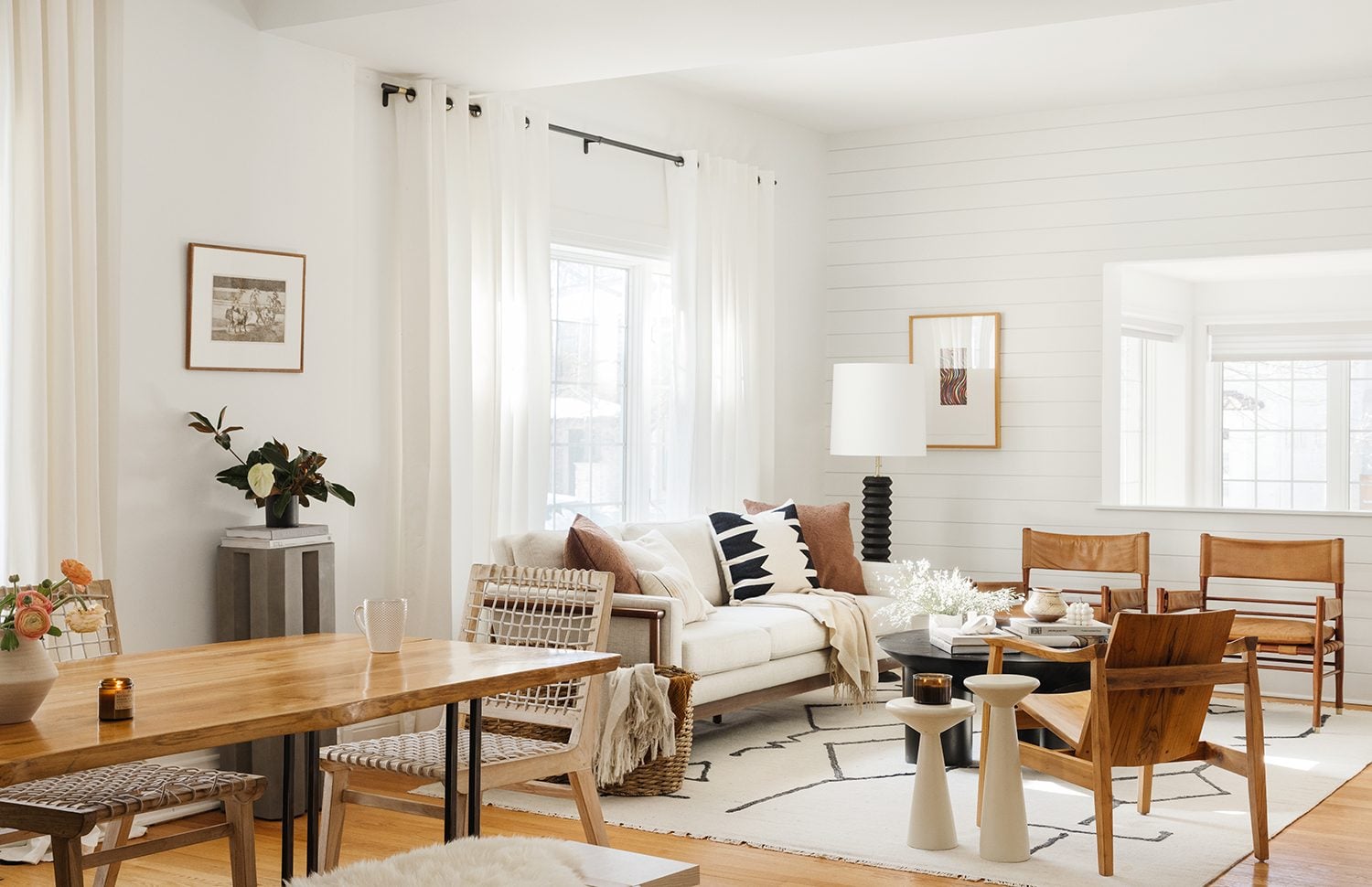
Credit: havenly.com
Space Optimization
Optimizing space in a dining room living room combo is key to making the area functional and comfortable. Proper arrangement helps in using every inch wisely. It creates a balanced environment where both dining and relaxing happen smoothly. Focus on smart layout choices that enhance the room’s flow and appearance.
Traffic Flow Considerations
Plan pathways for easy movement around the room. Avoid placing large furniture in main walkways. Leave at least two to three feet of space for people to walk comfortably. Position seating and tables so they do not block doors or windows. Clear traffic flow prevents a crowded, uncomfortable feeling in the shared space.
Avoiding Clutter
Keep furniture pieces minimal and purposeful. Use only what is necessary to avoid overcrowding. Choose pieces with built-in storage to hide away items. Clear surfaces regularly to maintain a tidy look. Less clutter makes the room feel bigger and more inviting for guests.
Using Vertical Space
Maximize walls by adding shelves or tall cabinets. Use vertical storage to keep floor space open. Hang artwork or mirrors to draw the eye upward. Vertical elements add style without taking up room. This approach keeps the combo area organized and spacious.
Lighting Tips
Lighting plays a key role in a dining room living room combo. It helps set the mood and defines each space clearly. Good lighting makes the room feel inviting and organized. Use different types of lighting to highlight zones and improve functionality.
Pendant And Chandelier Use
Hang a pendant or chandelier above the dining table. It draws attention and marks the dining area clearly. Choose fixtures that match the room’s style and size. Make sure the light is bright enough but not harsh. Adjust the height so it does not block views or feel too low.
Ambient Lighting Options
Use ambient lighting to create a warm and cozy atmosphere. Floor lamps and wall sconces work well in the living area. These lights add soft glow without glare. Dimmer switches help control the light level for different times and moods. Keep the lighting even to avoid dark corners.
Task Lighting For Dining
Task lighting is important for meals and activities at the dining table. Consider adjustable lights or lamps with focused beams. This lighting helps see food clearly and adds comfort. Avoid strong overhead lights that cause shadows. Task lighting enhances the dining experience and usability.
Furniture Selection
Selecting the right furniture is essential for a dining room living room combo. It affects comfort, style, and the flow of the space. Focus on pieces that fit well and serve multiple purposes. This will help you make the most of your shared area.
Choosing Scaled Pieces
Pick furniture that matches the room size. Large, bulky items can crowd the space and block movement. Smaller, well-proportioned pieces keep the area open. Measure your room before buying to ensure a good fit. Choose slim profiles and low backs to maintain sightlines between zones.
Flexible Seating Options
Opt for seating that can adapt to different needs. Chairs that tuck under the table save space. Consider benches that slide under the dining table. Use modular sofas or sectionals in the living area. These can be rearranged to create more seating or clear space as needed.
Material And Finish Choices
Select materials that blend well together for a unified look. Wood tones, metals, and fabrics should complement each other. Choose finishes that resist stains and wear, especially for dining furniture. Durable fabrics like microfiber or leather work well in busy homes. Keep textures balanced to add warmth without overwhelming the room.

Credit: www.woodleys.com
Frequently Asked Questions
How To Combine A Living Room And Dining Room?
Combine living and dining rooms by defining zones with rugs, strategic furniture placement, and distinct lighting. Use a unified color palette and matching materials for cohesion. Choose appropriately sized, multi-functional furniture to maintain flow and maximize space. Add storage pieces like sideboards to enhance function and separation.
How To Divide A Living Room And Dining Room Combo?
Divide a living and dining room combo by using area rugs, strategic furniture placement, and distinct lighting. Create zones with a sofa back as a divider. Use cohesive colors and materials to unify spaces. Choose appropriately sized, multi-functional furniture to maintain flow and maximize space.
What Is The 2/3 Rule For Living Rooms?
The 2/3 rule for living rooms means arranging furniture to cover two-thirds of the space, leaving one-third open. This balance improves flow and prevents overcrowding. It helps create a comfortable, functional area that feels spacious and inviting.
What Is The 3 4 5 Rule In Interior Design?
The 3-4-5 rule in interior design guides furniture arrangement using a 3-foot pathway, 4-foot seating distance, and 5-foot room spacing for balance.
Conclusion
Arranging furniture in a dining-living combo needs clear zones for ease. Use rugs and lighting to mark each area well. Choose furniture that fits the space without crowding it. Keep colors and materials consistent to link both rooms. This approach makes your home feel open and inviting.
Simple steps create a balanced, functional, and stylish combo space. Enjoy a room that works for dining, relaxing, and socializing.

