Your cedar wood outdoor furniture is more than just a place to sit—it’s a beautiful part of your outdoor space that deserves care. But how do you keep it looking fresh and strong through sun, rain, and changing seasons?
If you want to protect your investment and enjoy your furniture for years to come, understanding how to treat cedar wood is key. You’ll discover simple, effective steps to maintain and restore your cedar pieces. Keep reading, and you’ll learn exactly what to do to make your outdoor furniture last longer and look better than ever.
Choosing The Right Cedar Wood
Choosing the right cedar wood is key to lasting outdoor furniture. Not all cedar types work the same outside. The wood must resist weather, insects, and decay. This section helps pick the best cedar wood for your outdoor furniture. It explains the different types and their benefits. Knowing these details makes your furniture last longer and look better.
Types Of Cedar For Outdoor Use
Western Red Cedar is popular for outdoor furniture. It has a rich color and natural oils that fight insects and rot. This wood stays strong in rain and sun.
Alaska Yellow Cedar is lighter in color. It is very durable and resists moisture well. This type is great for wet climates.
Eastern White Cedar is a lighter wood that handles cold weather well. It is also resistant to decay and insects. This wood works well in many outdoor settings.
Benefits Of Cedar Wood Furniture
Cedar wood is light and easy to move. It does not crack or warp easily.
The natural oils in cedar protect against bugs and mold. This means less need for chemicals or treatments.
Cedar wood ages gracefully. It turns a nice silver-gray color over time without losing strength.
The wood has a pleasant smell that keeps insects away. This adds comfort to your outdoor space.
Preparing Cedar Furniture For Treatment
Preparing cedar furniture for treatment is an important step to keep it strong and looking good. Proper preparation helps the wood absorb oils or sealants better. It also removes dirt and old finishes that block treatments. Taking time to prepare your cedar furniture can extend its life outdoors.
Cleaning And Sanding
Start by cleaning the cedar furniture with mild soap and water. Use a soft brush to remove dirt and grime. Rinse well and let the wood dry completely. Sand the surface gently with fine sandpaper. This removes rough spots and old finish. Sanding opens the wood pores, helping treatments soak in evenly.
Checking For Damage
Look closely for cracks, splits, or loose joints. Check for signs of rot or insect damage. Small cracks can be filled with wood filler. Loose joints may need tightening or glue. Repairing damage before treatment protects the wood. It keeps the furniture sturdy and safe to use.
Selecting Suitable Treatments
Selecting the right treatment for cedar wood outdoor furniture is key. It protects the wood from weather, insects, and sun damage. The right product also keeps the wood looking fresh and beautiful. Understanding the options helps you make a good choice.
Oils And Sealants
Oils soak into cedar wood, keeping it moist and strong. They bring out the natural color and grain. Sealants form a thin layer on the surface. This layer blocks water and dirt from entering. Both options help prevent cracking and warping.
Stains And Paints
Stains add color while still showing wood texture. They protect from sun and rain damage. Paints cover the wood completely and offer strong protection. Paint hides the wood grain but lasts longer against harsh weather. Choose based on the look and protection you want.
Natural Vs. Chemical Options
Natural treatments use plant oils or waxes. They are safe and eco-friendly but may need more reapplication. Chemical products last longer and protect better. Some chemicals can harm the environment or people. Balance safety, durability, and care needs when deciding.

Credit: pineandpoplar.com
Applying Treatments Effectively
Applying treatments to cedar wood outdoor furniture helps protect it from weather damage. It keeps the wood looking fresh and extends its life. Doing this correctly makes a big difference in the furniture’s durability.
Follow clear steps to apply the treatment evenly and thoroughly. Proper drying and curing are important to get the best results. This guide shows how to treat cedar wood furniture with care and ease.
Step-by-step Application Guide
Start by cleaning the furniture. Remove dust, dirt, and old finishes with a soft brush or cloth.
Sand the surface lightly to smooth rough areas. Use fine-grit sandpaper for the best finish.
Choose a quality cedar wood treatment like oil or sealant. Stir the product well before use.
Use a clean brush or cloth to apply the treatment. Work in the direction of the wood grain.
Apply a thin, even coat. Avoid leaving puddles or thick spots on the surface.
Cover all parts, including legs and undersides. These areas also face weather exposure.
Let the first coat dry before adding more. Usually, two or three coats offer strong protection.
Drying And Curing Times
Allow the first coat to dry fully. This can take 4 to 6 hours depending on weather conditions.
Apply the second coat only after the first is dry. Wait at least 24 hours between coats for best results.
Curing means the treatment hardens and bonds to the wood. This process can take several days.
Keep the furniture in a dry, shaded place during curing. Avoid rain or direct sunlight until fully cured.
After curing, the wood feels smooth and protected. The treatment helps resist water, sun, and dirt.
Maintaining Cedar Furniture Year-round
Cedar wood outdoor furniture looks beautiful and lasts longer with good care. Maintaining cedar furniture all year keeps its color and strength. Dirt, moisture, and sun can wear it down. Simple steps protect your investment and keep it fresh. Follow easy routines to enjoy your cedar furniture every season.
Regular Cleaning Tips
Clean cedar furniture often to stop dirt buildup. Use a soft brush or cloth to remove dust. Wash with mild soap and water. Avoid harsh chemicals that can harm the wood. Rinse well and dry with a towel. Clean spots quickly to prevent stains. Regular cleaning keeps wood smooth and bright.
Seasonal Care Routines
Change care with the seasons for best results. In spring, check for cracks or damage from winter. Sand lightly to smooth rough spots. Apply a protective oil or sealant to keep moisture out. During summer, place furniture in shade to prevent fading. In fall, clean leaves and dirt away. Cover furniture or store indoors in winter. This stops frost damage and wood warping.
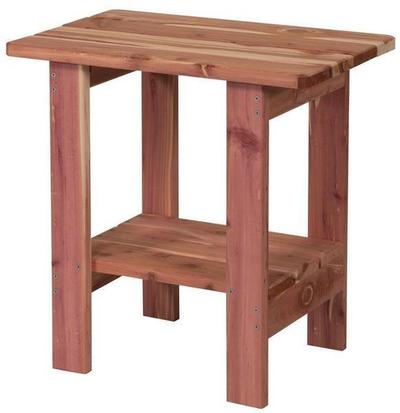
Credit: www.dutchcrafters.com
Protecting From Weather Damage
Cedar wood outdoor furniture is strong but needs care to stay beautiful. Weather can cause damage over time. Rain, sun, and cold affect the wood’s color and strength. Protecting cedar furniture helps it last longer and look better. Simple steps can reduce weather damage and keep your furniture in top shape.
Covering And Storage Solutions
Use covers made for outdoor furniture. They keep rain and dirt away. Choose breathable covers to avoid moisture buildup. Store furniture in a dry place during winter. A garage or shed works well. If storage is not possible, move pieces to a shaded area. This reduces sun fading and cracking. Covering and storing your cedar furniture helps keep it safe year-round.
Repairing Weather-related Wear
Check furniture often for cracks or rough spots. Sand damaged areas with fine sandpaper. This smooths the wood and removes splinters. Apply a fresh coat of protective finish after sanding. Use outdoor wood sealant or oil made for cedar. Fix small problems early to avoid bigger damage. Regular repairs keep your furniture strong and good-looking.
Troubleshooting Common Problems
Troubleshooting common problems with cedar wood outdoor furniture helps keep it beautiful and strong. Cedar faces issues like mold, mildew, cracks, and splits. These problems can damage the wood and reduce its lifespan. Acting quickly protects your furniture and saves money on repairs.
Dealing With Mold And Mildew
Mold and mildew grow on cedar wood in damp, shady places. They appear as dark spots or fuzzy patches. Clean the surface using a mixture of water and mild soap. Use a soft brush to scrub gently. Rinse with clean water and let the wood dry completely.
For tougher mold, mix one part white vinegar with three parts water. Spray on the affected area and wait 15 minutes. Scrub and rinse well. Avoid harsh chemicals, as they can harm the wood. Regular cleaning prevents mold from returning.
Fixing Cracks And Splits
Cracks and splits appear due to weather changes and wood drying out. Small cracks can be filled with wood filler made for outdoor use. Apply it with a putty knife and smooth the surface. Let it dry according to the instructions.
For larger splits, use wood glue to bond the wood back together. Clamp the pieces tightly until the glue dries. Sand the area lightly to blend the repair with the rest of the wood. Seal the wood with a protective finish to prevent future damage.
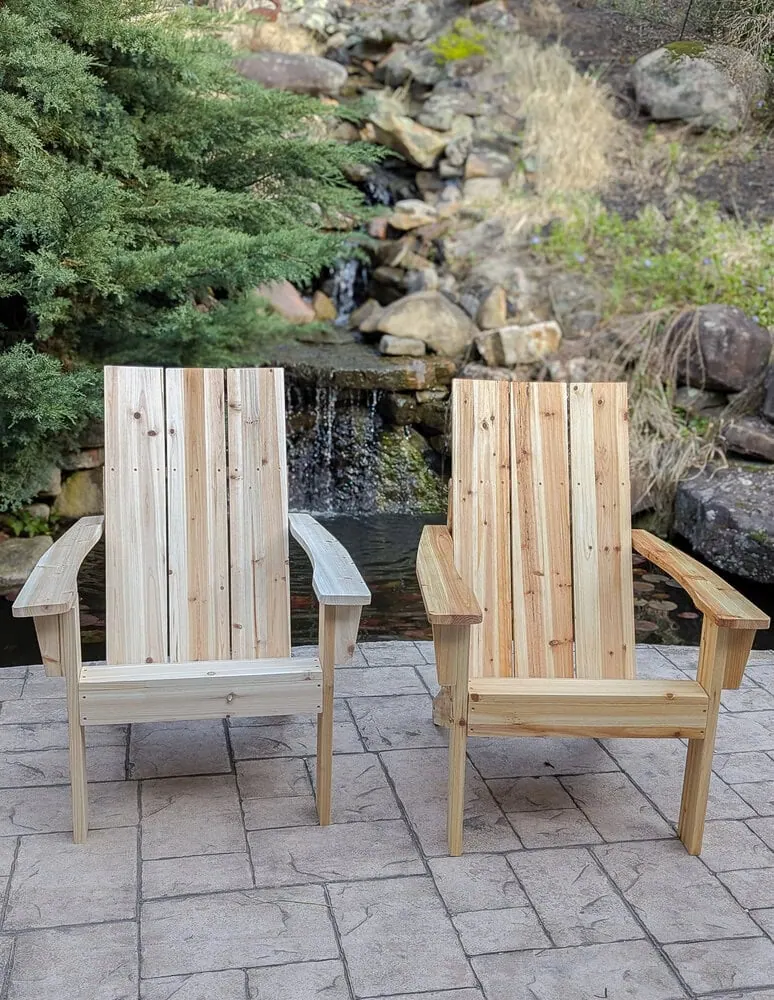
Credit: www.lovelyetc.com
Frequently Asked Questions
How Do I Clean Cedar Wood Outdoor Furniture?
Use mild soap and water with a soft brush to clean cedar furniture. Rinse thoroughly and let it dry completely before applying treatments.
What Is The Best Finish For Cedar Outdoor Furniture?
A clear, UV-resistant sealant or natural oil finish protects cedar wood from weather damage and preserves its color. Reapply annually for best results.
How Often Should I Treat Cedar Outdoor Furniture?
Treat cedar furniture once a year to maintain its appearance and durability. Regular maintenance prevents weathering, cracking, and fading.
Can I Use Paint On Cedar Outdoor Furniture?
Yes, but use exterior-grade paint with a primer. Paint offers strong protection but may hide cedar’s natural beauty.
Conclusion
Caring for cedar wood outdoor furniture keeps it strong and beautiful. Clean it regularly to remove dirt and dust. Apply protective oil to maintain its natural color. Cover or store furniture during harsh weather to avoid damage. Small repairs prevent bigger problems later on.
Treating cedar wood properly saves money and effort. Enjoy your furniture for many seasons with simple care. Healthy wood means a pleasant outdoor space for everyone.