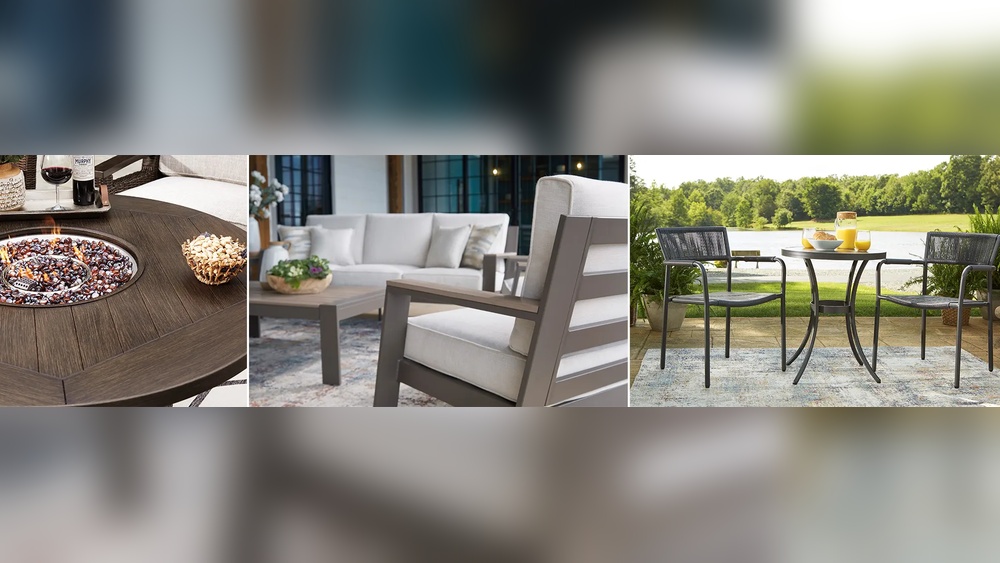
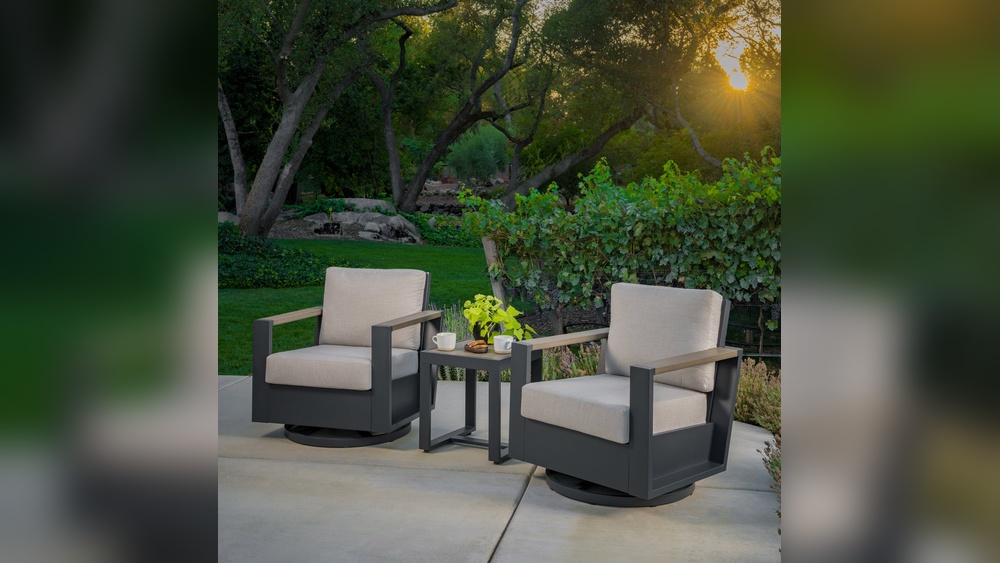
Are you wondering how to protect and beautify your outdoor wood furniture? Choosing the right product can be confusing, but it makes all the difference in keeping your pieces looking great year after year.
Whether your furniture faces rain, sun, or rough use, the right treatment will shield it from damage and bring out its natural charm. You’ll discover exactly what to use for outdoor wood furniture—so you can enjoy its beauty and durability without the hassle.
Keep reading to find simple, effective solutions that work for you and your outdoor space.
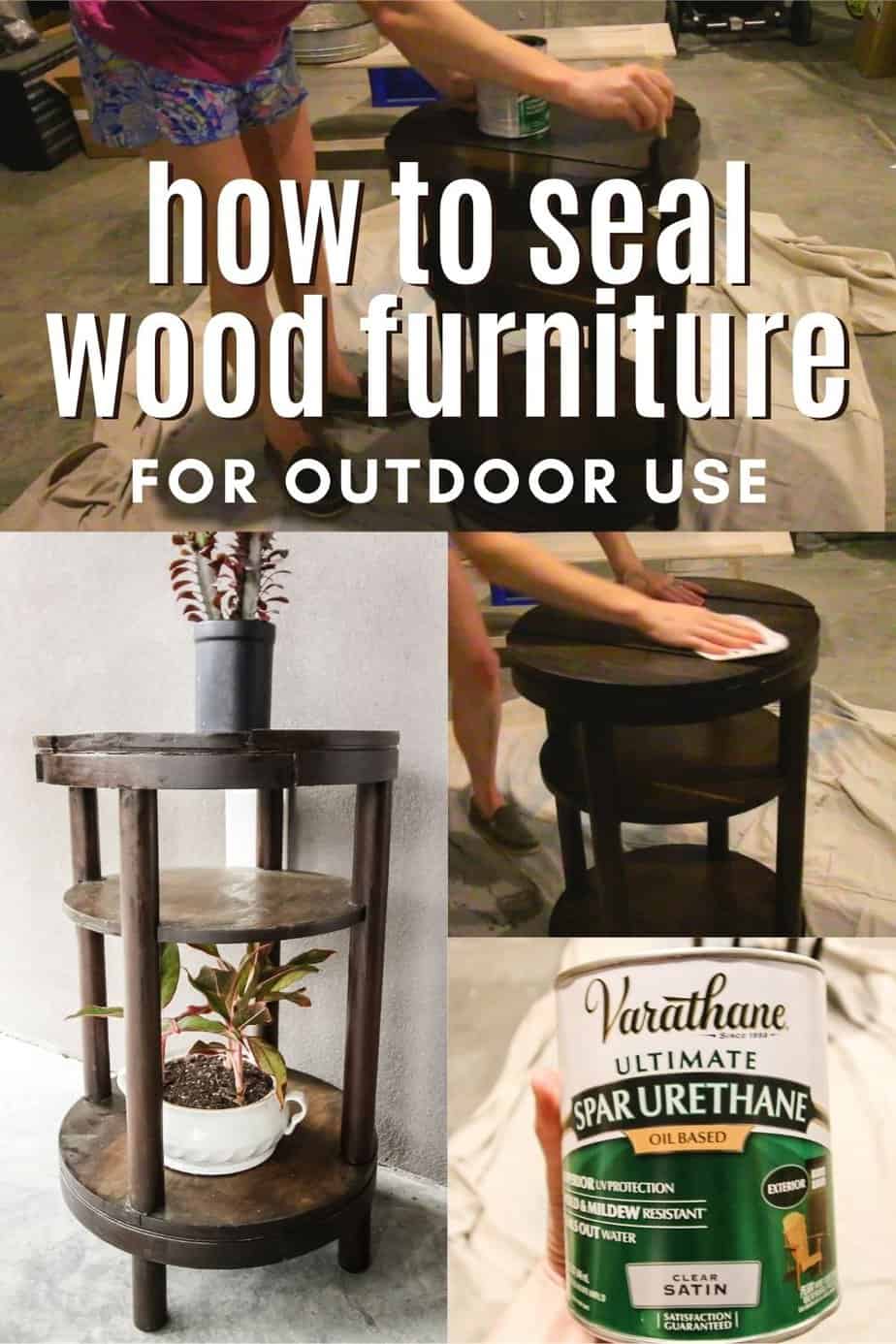
Credit: www.charlestoncrafted.com
Choosing The Right Wood
Choosing the right wood for outdoor furniture is key to its beauty and life span. Wood must stand up to sun, rain, and wind. The right type resists damage and looks good over time.
Best Wood Types For Outdoors
Teak is a top choice. It has natural oils that protect it from water and insects. Cedar is light and smells great. It resists rot well. Redwood stays strong and keeps its color. Acacia is tough and affordable. Each wood type has unique benefits for outdoor use.
Durability And Maintenance
Durability depends on wood density and natural oils. Hardwoods last longer outside. Softwoods need more care. Regular cleaning removes dirt and prevents mold. Applying sealant or oil protects wood from moisture. Check furniture yearly for cracks or wear. Small fixes keep wood strong and fresh.
Common Outdoor Wood Damage
Outdoor wood furniture faces many challenges. Weather and nature work against it. Understanding common damage helps protect your investment. Wood can weaken, fade, and even break down over time.
Moisture And Rot
Rain, dew, and humidity make wood wet. Water seeps into wood fibers and causes swelling. Over time, this leads to rot. Rot makes wood soft and crumbly. It reduces strength and can ruin furniture.
Standing water or poor drainage speeds up damage. Wood that stays wet longer has higher risk. Protect wood by keeping it dry and sealed.
Uv Exposure Effects
Sunlight hits wood all day long. UV rays break down wood’s surface. This causes fading and graying. The wood loses its natural color and shine.
UV damage also makes wood dry and cracked. Cracks let water and insects inside. This speeds up decay. Using protective finishes helps block UV rays.
Insect Infestations
Wood attracts many insects outdoors. Termites and beetles bore inside wood. They eat away at the structure. Infested wood becomes weak and unsafe.
Insects often hide deep inside wood. Early signs include small holes or sawdust. Treating wood with insect repellent stops damage. Regular checks catch problems early.
Protective Finishes For Wood
Outdoor wood furniture needs strong protection to last longer. Wood faces sun, rain, wind, and insects. Protective finishes keep the wood safe and looking good. These finishes stop water from soaking in. They also prevent the wood from fading or cracking. Choosing the right finish helps keep your furniture beautiful and durable.
Oil-based Vs. Water-based Finishes
Oil-based finishes soak deep into the wood. They bring out the wood’s natural color and grain. These finishes dry slowly but give a strong, lasting coat. Water-based finishes dry quickly and have less smell. They keep the wood’s color lighter over time. Water-based options clean up with water, not chemicals.
Paints And Stains
Paint covers the wood completely. It hides imperfections and adds color. Paint protects well from sun and rain. Stains soak into the wood and show the grain. They add color while letting the wood breathe. Stains come in many shades, from light to dark. Both help stop damage from moisture and UV rays.
Sealants And Varnishes
Sealants create a waterproof layer on wood. They keep out moisture and dirt. Varnishes add shine and extra protection. They are tough against scratches and sun damage. Some varnishes have UV blockers to prevent fading. Sealants and varnishes help wood stay strong and fresh for years.
Application Techniques
Applying finish to outdoor wood furniture requires care and skill. Proper application keeps the wood safe and looking good for years. Follow simple steps to get the best results and protect your investment.
Surface Preparation
Start by cleaning the wood surface. Remove dirt, dust, and old paint or finish. Use sandpaper to smooth rough spots and open wood pores. A clean, smooth surface helps the finish stick better. Always wipe away dust with a damp cloth before coating.
Proper Coating Methods
Choose the right brush or cloth for your finish type. Apply thin, even layers to avoid drips and bubbles. Paint or stain along the grain for a natural look. Multiple thin coats work better than one thick coat. Let each layer dry before applying the next.
Drying And Curing Times
Allow enough time for each coat to dry fully. Check the product label for exact drying times. Avoid using or moving furniture too soon. Curing can take days or weeks, depending on weather and finish type. Patience ensures a strong, lasting protection.
Maintenance Tips For Longevity
Outdoor wood furniture faces sun, rain, and dirt every day. Proper care keeps it strong and beautiful. Follow simple maintenance tips to extend its life. Small efforts make a big difference.
Regular Cleaning
Clean your furniture often. Use a soft brush or cloth to remove dust and dirt. Mild soap and water work well. Avoid harsh chemicals that can damage wood. Dry the furniture completely after cleaning to stop mold.
Reapplication Schedules
Wood finishes wear out over time. Check your furniture’s finish every six months. Apply wood oil, sealant, or stain as needed. Follow product instructions for the best results. Reapplying protects the wood from moisture and sun damage.
Seasonal Care
Prepare your furniture for weather changes. In winter, cover or store it indoors if possible. Remove leaves and debris in fall to prevent stains. During summer, place furniture in shaded spots to reduce sun exposure. Seasonal care prevents cracks and fading.

Credit: osmouk.com
Eco-friendly Protection Options
Protecting outdoor wood furniture is important to keep it strong and beautiful. Eco-friendly options help care for wood without harming the planet. These choices use natural ingredients and safe chemicals. They keep the wood safe from sun, rain, and insects.
Eco-friendly products also avoid harsh fumes and toxins. They are safe for your family and pets. Using these options supports a cleaner environment. Here are two great choices for protecting outdoor wood naturally.
Natural Oils And Waxes
Natural oils and waxes soak into the wood and protect it deeply. Oils like linseed, tung, and teak oil nourish the wood. They keep the wood from drying out and cracking. Waxes add a thin, water-resistant layer on the surface.
These products do not contain harmful chemicals. They allow the wood to breathe and stay healthy. Applying oils and waxes regularly keeps furniture looking fresh. They enhance the wood’s natural color and grain. Perfect for those who want simple, natural care.
Non-toxic Finishes
Non-toxic finishes protect wood without dangerous ingredients. These finishes use water-based or plant-based formulas. They form a strong barrier against moisture and UV damage. They dry quickly and have low odor.
Safe for kids and pets around the furniture. These finishes are easy to apply with a brush or spray. They keep outdoor wood furniture safe and vibrant for years. Great for anyone wanting strong protection without harmful chemicals.
Troubleshooting Common Issues
Outdoor wood furniture faces many challenges from weather and time. Problems like peeling, fading, or mold can reduce its beauty. Fixing these issues keeps furniture strong and looking good. Simple steps work well to restore and protect wood. Understanding common problems helps you choose the right treatment and tools.
Peeling And Cracking
Peeling and cracking happen when wood dries out or gets old. Sun and rain cause the finish to break down. Remove loose paint or finish with sandpaper. Clean the surface well before applying a new coat. Use a sealant or outdoor wood paint made for weather resistance. Regular maintenance stops peeling and cracking from getting worse.
Fading And Discoloration
Wood color fades under constant sun exposure. UV rays break down wood fibers and finishes. Clean the furniture with a gentle wood cleaner first. Use a UV-protective finish to restore color and protect wood. Light sanding may help remove dull layers. Reapply finish every year for long-lasting color and protection.
Mold And Mildew Removal
Mold and mildew grow in damp, shaded areas. They damage wood and cause stains. Mix water and mild detergent to scrub the surface. For tough spots, use a solution of water and vinegar or a commercial mold remover. Rinse well and dry completely. Improve air flow and sunlight exposure to prevent mold from returning.
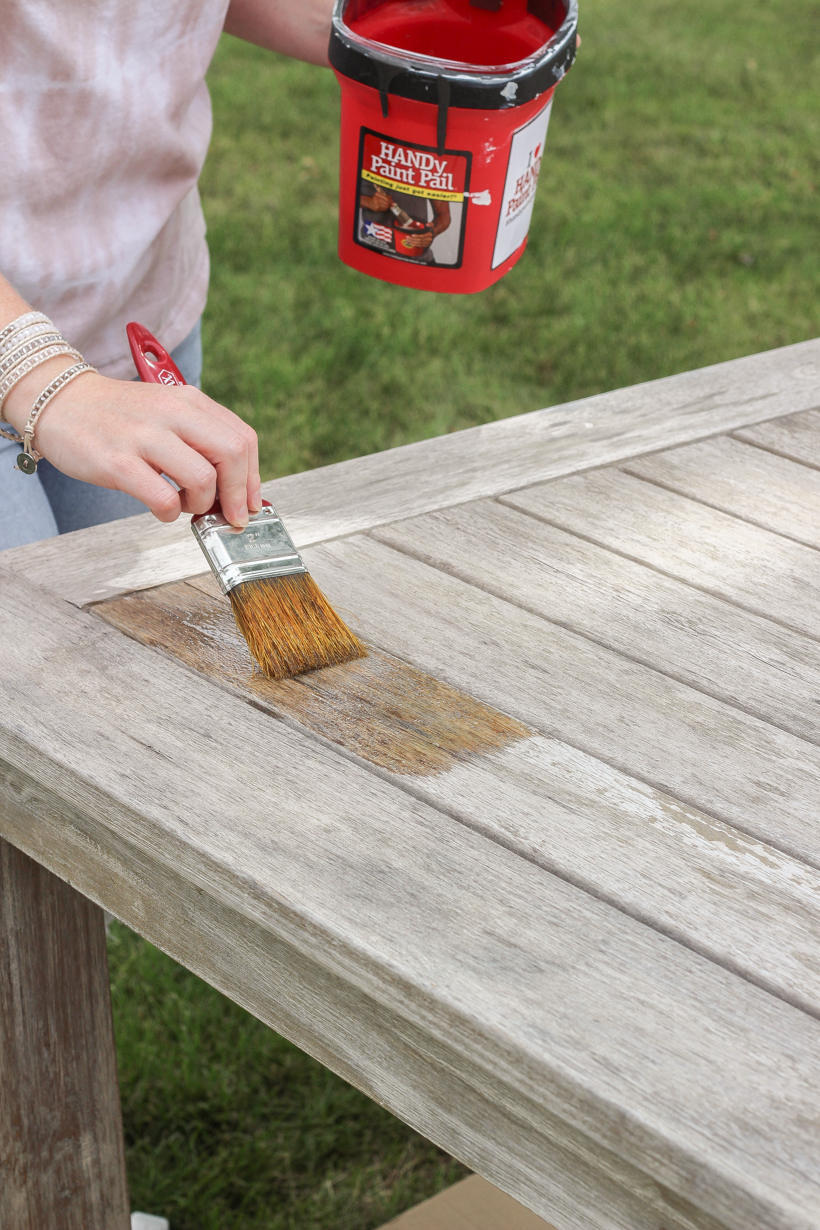
Credit: lovegrowswild.com
Frequently Asked Questions
What Is The Best Finish For Outdoor Wood Furniture?
The best finish is a high-quality exterior wood sealer or spar varnish. These protect against moisture, UV rays, and temperature changes. They preserve the wood’s natural beauty while preventing cracking and fading.
How Often Should I Treat Outdoor Wood Furniture?
Treat outdoor wood furniture every 1 to 2 years. This maintains protection against weather damage and prolongs lifespan. Frequent treatment prevents drying, warping, and discoloration caused by sun and rain.
Can I Use Regular Paint On Outdoor Wood Furniture?
Regular paint is not recommended for outdoor wood furniture. Use paint specifically designed for exterior use, which resists peeling and moisture. Exterior paint forms a durable barrier against weather elements.
Is Oil Or Polyurethane Better For Outdoor Wood?
Oil penetrates wood, enhancing grain and repelling water, but needs frequent reapplication. Polyurethane forms a protective film, offering longer-lasting defense against scratches and moisture. Choose based on desired look and maintenance level.
Conclusion
Outdoor wood furniture needs care to last long. Choose the right finish to protect wood from rain and sun. Regular cleaning keeps dirt and mold away. Applying sealant or oil helps maintain natural beauty. Small repairs prevent bigger damage later.
Enjoy your furniture more with simple, regular care. Protecting wood means saving money and effort. Your outdoor space will look fresh and inviting. Simple steps make a big difference over time. Keep your wood furniture strong and beautiful year-round.