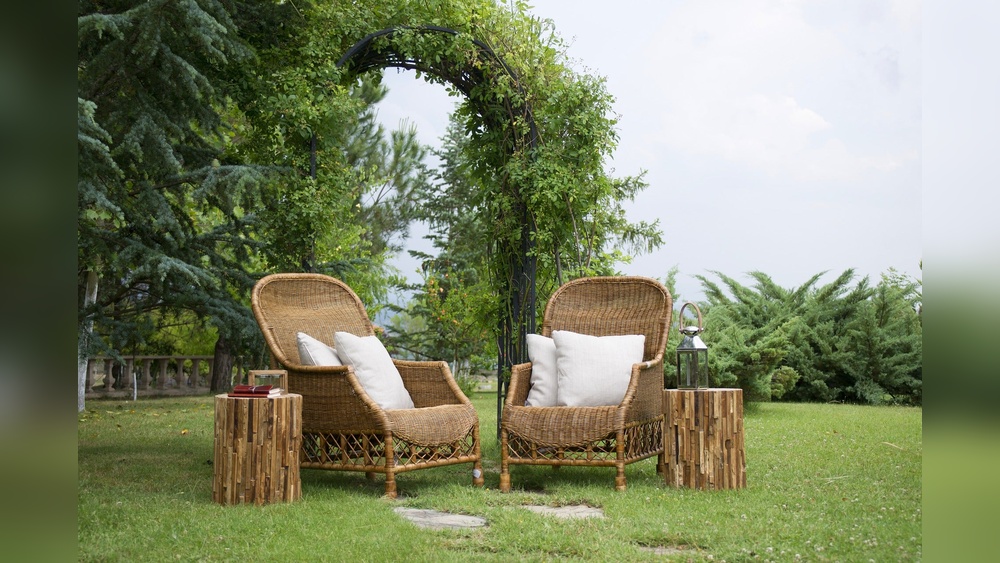
Is your outdoor furniture looking tired and worn out? Reupholstering your outdoor cushions can give them a fresh, new look without spending a fortune.
Imagine sinking into soft, vibrant cushions that feel just like new—right in your own backyard. You don’t need to be an expert or spend hours on this project. With the right steps and a little patience, you can transform your outdoor space and enjoy it even more.
Ready to learn how to reupholster your outdoor furniture cushions and bring new life to your patio? Let’s dive in!
Tools And Materials Needed
Before starting to reupholster outdoor furniture cushions, gather the right tools and materials. Proper preparation helps you work smoothly and get great results. Understanding what you need saves time and effort during the process.
Choosing The Right Fabric
Pick fabric designed for outdoor use. It should resist water, sun, and mildew. Look for materials labeled as “outdoor fabric” or “weather-resistant.”
Common choices include solution-dyed acrylic and polyester fabrics. These fabrics keep colors bright and dry quickly. Avoid indoor fabrics as they wear out fast outside.
Essential Tools For Reupholstering
You need basic tools to reupholster cushions properly. Start with a staple gun and staples to attach the fabric firmly. Scissors and a measuring tape help cut fabric accurately.
Use a screwdriver or pliers to remove old staples or tacks. A sewing machine is useful if you want to sew new cushion covers. Also, have some chalk or fabric marker for marking cuts.
Preparing Your Workspace
Set up a clean, flat surface to work on. Make sure the area has good light and enough space to spread out materials. Protect your workspace with a drop cloth or old sheet.
Organize your tools within reach. This keeps you focused and avoids interruptions. A tidy workspace speeds up the reupholstering job and improves safety.
Credit: breezeresidency.com
Removing Old Cushion Covers
Removing old cushion covers is the first step in reupholstering outdoor furniture cushions.
This step helps you prepare the cushion for new fabric and ensures a neat finish.
Take your time to remove the covers carefully to avoid damaging the foam inside.
Taking Off The Old Fabric
Start by finding the zipper or fasteners on the cushion cover.
Gently unzip or unfasten the cover and slide it off the cushion.
If the cover is sewn shut, use scissors to cut along the seams carefully.
Remove the fabric slowly to prevent tearing the foam or inner padding.
Keep the old fabric to use as a pattern for the new cover.
Inspecting And Repairing Cushion Foam
Once the cover is off, check the foam for any damage or wear.
Look for cracks, tears, or areas where the foam feels thin or flat.
Small tears can be fixed with foam adhesive or glue.
Replace foam that is too worn out to support comfort properly.
Cut new foam to the right size if replacement is needed.
Make sure the foam is clean and dry before adding a new cover.
Measuring And Cutting Fabric
Measuring and cutting fabric is a key step in reupholstering outdoor furniture cushions. Accurate measurements ensure the fabric fits perfectly. Cutting fabric carefully avoids waste and mistakes. This step sets the foundation for a neat, durable finish.
Taking Accurate Measurements
Start by removing the old fabric from the cushion. Use a tape measure to get the length and width of each cushion side. Measure twice to confirm the numbers. Add at least two extra inches for seams and tucking. Write down all measurements clearly. Check for any curves or unusual shapes.
Cutting Fabric Pieces
Lay the fabric flat on a clean surface. Use sharp fabric scissors or a rotary cutter for clean edges. Place a ruler or straight edge to guide cuts. Cut slowly and steadily along the lines. Mark the fabric with tailor’s chalk before cutting. Cut each piece according to your notes. Keep scraps for patching or testing stitches.
Credit: www.blueistyleblog.com
Sewing New Cushion Covers
Sewing new cushion covers is a key step in reupholstering outdoor furniture cushions. It lets you customize the look and protect the cushions from weather. With basic sewing tools, you can create durable and neat covers. This process also saves money compared to buying new cushions.
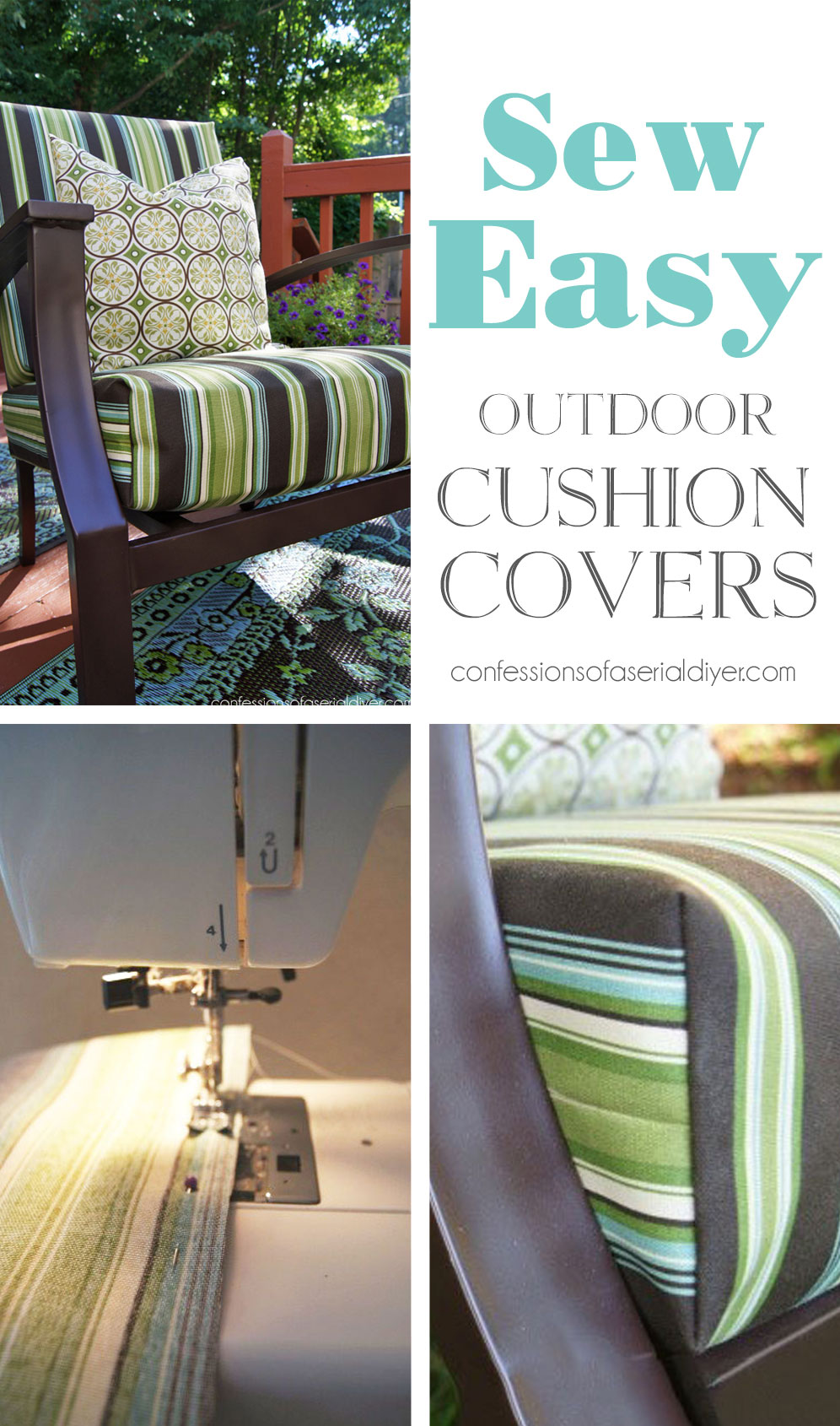
Start by measuring your cushions and cutting fabric to size. Use outdoor or waterproof fabric for better durability. Take your time to sew straight seams and secure edges well. Adding closures like zippers makes removing covers for washing easy.
Basic Sewing Techniques
Use a sewing machine for strong, even stitches. Choose thread that matches your fabric color. Start with straight stitches along the fabric edges. Backstitch at the beginning and end to secure the seam. Press seams flat with an iron for a clean look. Double stitch corners for extra strength. Hand sewing can fix small areas or attach details.
Adding Zippers Or Closures
Zippers make cushion covers easy to remove and clean. Choose a zipper length that matches the cushion side. Pin the zipper to the fabric before sewing. Sew slowly to keep the zipper straight. Test the zipper by opening and closing it. Other closures like Velcro or buttons also work. These closures help keep covers tight and secure.
Assembling The Cushions
Assembling the cushions is the final step in reupholstering outdoor furniture cushions. This part brings everything together. It ensures your cushions look neat and feel comfortable again. Proper assembly extends the life of your cushions and keeps them ready for use. Follow simple steps to insert foam and secure covers correctly.
Inserting Foam Into Covers
Start by placing the foam inside the new covers carefully. Align the foam so it fits snugly without bulges. Push the foam into all corners for an even shape. Use your hands to smooth out any wrinkles. Make sure the foam sits flat inside the cover for comfort.
Securing Covers To Cushions
Close the covers using zippers or Velcro strips. Check that the cover fits tight around the foam. A loose cover looks messy and wears out faster. Tuck in any loose fabric for a clean look. Test the cushion by pressing it gently to ensure firmness.
Maintenance Tips For Longevity
Proper maintenance extends the life of outdoor furniture cushions. It keeps them looking fresh and feeling comfortable. Simple care steps prevent damage from dirt, sun, and rain. Follow these tips to enjoy your cushions longer.
Cleaning And Care
Clean cushions regularly to stop dirt buildup. Use a soft brush or cloth to remove dust. For spills, blot the area quickly with a clean towel. Use mild soap mixed with water for deeper cleaning. Avoid harsh chemicals that can damage fabric. Let cushions dry completely before putting them away.
Protecting Against Weather
Keep cushions safe from harsh weather to prevent fading and mildew. Store cushions indoors or in a dry place during rain and snow. Use waterproof covers to shield from moisture and sun. Avoid leaving cushions in direct sunlight for long periods. Proper protection helps cushions stay strong and look new.
.jpg?quality=90&scale=canvas)
Credit: www.vicentetorns.com
Frequently Asked Questions
How Do I Choose Fabric For Outdoor Cushions?
Select durable, weather-resistant fabric like solution-dyed acrylic or polyester. These fabrics resist fading, mildew, and moisture. Choose colors and patterns that complement your outdoor decor. Ensure fabric is easy to clean and maintain for long-lasting use.
What Tools Are Needed For Reupholstering Cushions?
You will need scissors, staple gun, upholstery foam, fabric, spray adhesive, and a screwdriver. These tools help remove old fabric and attach new material securely. Having the right tools speeds up the reupholstering process and ensures a professional finish.
How Long Does Reupholstering Outdoor Cushions Take?
Reupholstering cushions typically takes 1 to 3 hours. Time varies by cushion size and fabric complexity. Preparing and drying time may add extra hours. Proper time planning ensures quality and neat results.
Can I Reuse Foam When Reupholstering Cushions?
Yes, you can reuse foam if it is in good condition. Inspect for signs of wear, tears, or flattening. Replace foam if it lacks support or comfort. Using fresh foam improves cushion durability and comfort.
Conclusion
Reupholstering outdoor cushions saves money and adds fresh style. Choose fabric that stands up to weather. Take your time cutting and sewing for best results. Small fixes now prevent bigger problems later. Enjoy your refreshed furniture in the sun or shade.
A little effort brings big comfort and beauty. Keep cushions clean to make them last longer. This simple project gives your outdoor space new life. Ready to start? Your furniture will thank you.